
Democrats move to block Trump student loan overhaul that caps graduate borrowing and ends SAVE

Democratic lawmakers in Congress are attempting to reverse sweeping federal student loan changes tied to President Donald Trump’s One Big Beautiful Bill Act (OBBBA), setting up a major political fight over borrowing caps, repayment plans, and access to higher education.
The effort comes after the Department of Education finalized new regulations that would dramatically reshape the federal student loan system beginning July 1, 2026. Democrats argue the changes could make graduate school less accessible and increase reliance on private lenders, while Republicans say the reforms are necessary to curb excessive borrowing and rising tuition costs.
Democrats launch effort to block OBBBA student loan rules
A coalition of Democratic lawmakers in both the House and Senate has introduced a joint resolution aimed at overturning the Department of Education’s final student loan regulations implementing OBBBA.
The resolution was introduced by Representative Suzanne Bonamici of Oregon under the Congressional Review Act (CRA), a legislative mechanism that allows Congress to overturn recently finalized federal agency rules with a simple majority vote in both chambers.
If successful, the resolution would block the Education Department from enforcing the new student loan rules and restore the prior borrowing limits and repayment systems currently used by federal borrowers.
The new Education Department rule would reshape student lending

The Department of Education’s final rule introduces sweeping changes to the federal student loan system that are scheduled to take effect on July 1, 2026.
Among the biggest changes are new borrowing caps for graduate and professional students, limits on Parent PLUS loans, and the elimination of several existing income-driven repayment plans.
The rule also establishes a new Tiered Standard Plan and a Repayment Assistance Plan (RAP), which would replace multiple current repayment structures.
The Trump administration has framed the changes as an attempt to simplify repayment systems and rein in what officials describe as runaway student borrowing.
SAVE repayment plan faces elimination
One of the most controversial parts of the rule is the planned phaseout of the SAVE repayment plan, which lowered monthly payments for many borrowers and reduced some payments to zero.
The SAVE plan was officially launched in August 2023 as the Biden administration’s strategic “Plan B” after the Supreme Court struck down the initial mass debt cancellation program in Biden v. Nebraska.
Utilizing the legal authority of the Higher Education Act, the plan was designed to lower undergraduate payments and prevent interest from growing, but it was quickly halted by a nationwide injunction from the 8th Circuit Court of Appeals.
By early 2026, the Department of Education moved to permanently eliminate the program following a legal settlement, leaving over 7 million borrowers to transition into alternative options.
Under the new system, borrowers would instead transition into the RAP or other repayment options authorized under OBBBA.
Graduate student borrowing caps become a flashpoint

A central issue in the dispute is the new borrowing limits for graduate and professional students.
Under the final regulations, only a narrower set of academic programs would qualify for higher “professional student” borrowing thresholds. Other graduate students could face lower annual and lifetime federal loan caps.
Critics argue this could force students to seek private loans with higher interest rates and fewer protections.
Public service professions could face added pressure. Democratic lawmakers and policy critics argue the new loan caps could disproportionately affect students entering public service careers.
Senator Jeff Merkley of Oregon warned that the rules fail to adequately classify many important professions under the higher professional borrowing limits.
“By failing to classify nurses, teachers, firefighters, social workers, accountants, architects, and others as pursuing ‘professional’ degrees for student loans, the Trump Administration is undermining the future of critical professions,” Merkley said.
“At the same time, this is driving up the cost of student loans for all professions by establishing costlier student loan repayment plans.”
Supporters of the CRA resolution say the changes could discourage students from entering fields that already face worker shortages.
Republicans argue borrowing caps could control tuition growth

Republicans and Trump administration officials defend the new regulations as a necessary correction to years of expanding student debt.
Supporters of the rules argue that unlimited federal borrowing contributed to soaring tuition prices by reducing pressure on universities to control costs.
The administration also argues that consolidating repayment options into fewer plans will simplify the federal student loan system and reduce long-term taxpayer exposure tied to loan forgiveness programs.
While critics warn of reduced college access, supporters contend the changes may encourage schools and borrowers to make more cost-conscious decisions.
Financial experts say long-term impacts remain unclear. Some financial analysts say it may take years before the full effects of the OBBBA student loan changes become clear.
The Congressional Review Act gives Democrats a pathway
Democrats are using the Congressional Review Act because it allows Congress to overturn recently issued federal regulations with only a simple majority vote in the House and Senate.
If passed, the resolution would then go to President Trump for signature. A presidential veto could only be overridden with a two-thirds majority in both chambers.
The CRA also prevents agencies from issuing substantially similar rules in the future unless Congress authorizes them.
The student loan resolution is the second CRA challenge Democrats have filed against recent Education Department regulations. Lawmakers previously introduced another resolution targeting changes to Public Service Loan Forgiveness (PSLF) eligibility rules.
Repeal unlikely but could energize Democrats for midterms
Observers say the resolutions also highlight growing political divisions over student debt relief, repayment forgiveness, and the federal government’s role in financing higher education.
Unless Congress overturns the regulations, borrowers should prepare for the new rules to take effect on July 1, 2026.
That means graduate students may face new borrowing caps, Parent PLUS borrowers could encounter tighter limits, and borrowers currently tied to SAVE may need to transition into new repayment structures.
Borrowers are also being advised to review repayment options before SAVE-related forbearance periods end and confirm federal loan limits before the next academic year begins.
Despite the Democratic pushback, the chances of the resolution becoming law appear slim given Republican control of Congress and the White House.
Still, the effort allows Democrats to formally oppose the rules and create a legislative record ahead of future elections.
Like Financial Freedom Countdown content? Be sure to follow us!
14 essential strategies to maximize your Social Security and avoid costly mistakes
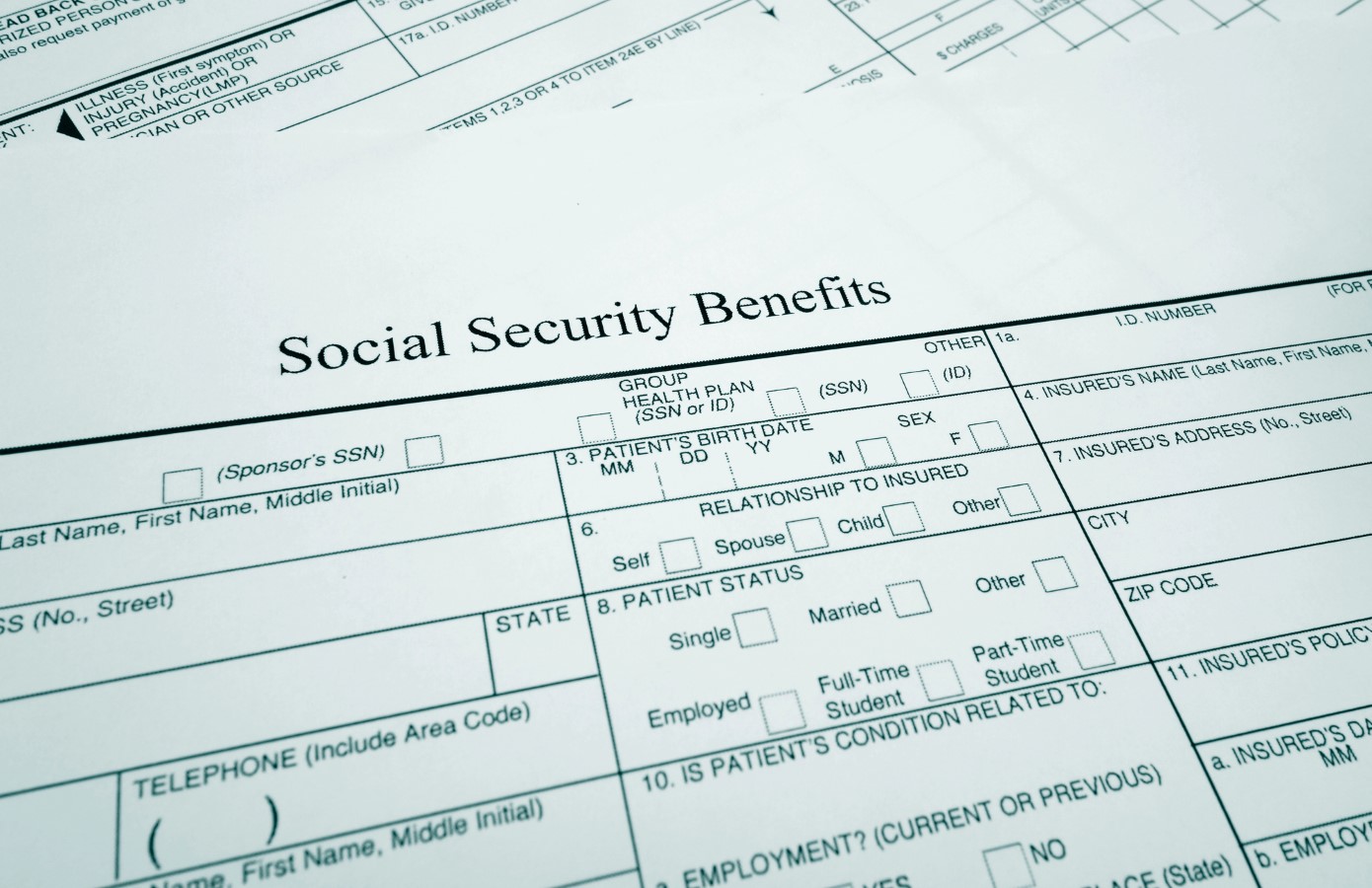
Social Security is a vital lifeline for many seniors, providing crucial income support during retirement. With inflation at its highest in four decades, Social Security’s inflation-adjusted benefits offer protection against rising costs.
Rising interest rates have disrupted many retirement portfolios, causing bond fund values to plummet. In this volatile financial landscape, Social Security can stabilize a typical stock-bond retirement portfolio. By implementing smart strategies, retirees can maximize their Social Security benefits and ensure a more secure financial future.
14 Essential Strategies to Maximize Your Social Security and Avoid Costly Mistakes
11 reasons you should claim Social Security early

Deciding when to claim Social Security is often about maximizing your benefit. Financial planners usually advise delaying your claim for as long as possible to secure the highest monthly payment. Your benefit is based on your lifetime earnings, with a full payout available at your full retirement age (FRA), which is currently between 66 and 67 depending on your birth year. Claiming before FRA results in a permanent reduction in your monthly benefit, while waiting beyond FRA leads to a permanent increase. However, the decision isn’t solely about maximizing the monthly check. Personal factors such as health, family circumstances, and financial needs can play a significant role in determining the right time to claim.
11 Reasons You Should Claim Social Security Early

Did you find this article helpful? We’d love to hear your thoughts! Leave a comment with the box on the left-hand side of the screen and share your thoughts.
Also, do you want to stay up-to-date on our latest content?
1. Follow us by clicking the [+ Follow] button above,
2. Give the article a Thumbs Up on the top-left side of the screen.
3. And lastly, if you think this information would benefit your friends and family, don’t hesitate to share it with them!

John Dealbreuin came from a third world country to the US with only $1,000 not knowing anyone; guided by an immigrant dream. In 12 years, he achieved his retirement number.
He started Financial Freedom Countdown to help everyone think differently about their financial challenges and live their best lives. John resides in the San Francisco Bay Area enjoying nature trails and weight training.
Here are his recommended tools
Personal Capital: This is a free tool John uses to track his net worth on a regular basis and as a retirement planner. It also alerts him wrt hidden fees and has a budget tracker included.
Platforms like Yieldstreet provide investment options in art, legal, real estate, structured notes, venture capital, etc. They also have fixed-income portfolios spread across multiple asset classes with a single investment with low minimums of $10,000.