
Warren, Sanders, Booker and other Democrats launch competing wealth tax plans as Democrats eye the 2026 midterms

The debate over federal wealth taxation has reached a new intensity in the 119th Congress. As economic inequality remains a focal point of the national discourse, leading Democrats have introduced a variety of legislative frameworks designed to target the accumulated assets of the ultra-wealthy. These proposals range from annual levies on net worth to fundamental restructurings of how investment gains are treated by the IRS.
Elizabeth Warren’s Ultra-Millionaire Tax Act of 2026

Senator Elizabeth Warren reintroduced her hallmark legislation, the Ultra-Millionaire Tax Act, in March 2026. The bill proposes a 2% annual tax on the net worth of households and trusts valued between $50 million and $1 billion, with an additional 1% surtax on wealth exceeding $1 billion. Warren argues the bill is a matter of “basic fairness,” stating: “While multi-millionaires and billionaires are getting richer and richer, families are getting squeezed by a rigged economy. My bill is about basic fairness and making the ultra-wealthy pay their fair share.”
Recent estimates from economists at the University of California, Berkeley, suggest the tax could raise approximately $6.2 trillion over the next decade.
The proposal mirrors a core policy plank from Warren’s 2020 presidential campaign and builds on legislation she first introduced in 2021. Supporters argue that taxing net worth; rather than just income is essential because many of the wealthiest Americans derive most of their financial gains from appreciating assets such as stocks, real estate, and business holdings.
Bernie Sanders and the 5% annual tax on billionaires

Senator Bernie Sanders, alongside Representative Ro Khanna, has championed the most aggressive wealth tax proposal to date. Unveiled in early 2026, this plan calls for a 5% annual wealth tax specifically targeting the nation’s roughly 950 billionaires. Unlike broader proposals, this legislation focuses exclusively on the top tier of wealth, with the revenue intended to fund direct payments of up to $3,000 for households earning under $150,000.
Sanders has framed the bill as an existential necessity, noting: “At a time of unprecedented income and wealth inequality, this legislation demands that the billionaire class in America finally pay their fair share of taxes so that we can create an economy that works for all of us, not just the 1%.”
Senator Edward Markey’s Equal Tax Act and the push for fairness

In March 2026, Senator Edward Markey introduced the Equal Tax Act, a bill designed to close the gap between how labor and capital are taxed. The legislation seeks to create equal tax rates for all forms of income for individuals earning over $1 million annually. By targeting the preferential rates currently applied to long-term capital gains and dividends, the bill aims to ensure that “income from wealth is taxed more like income from work.”
Markey emphasized the disparity, stating: “The Equal Tax Act brings fairness to our tax code by requiring millionaires and billionaires to pay taxes on investment income the same way working people pay taxes on income from their labor.”
Cory Booker’s Keep Your Pay Act: Shifting the burden to the top
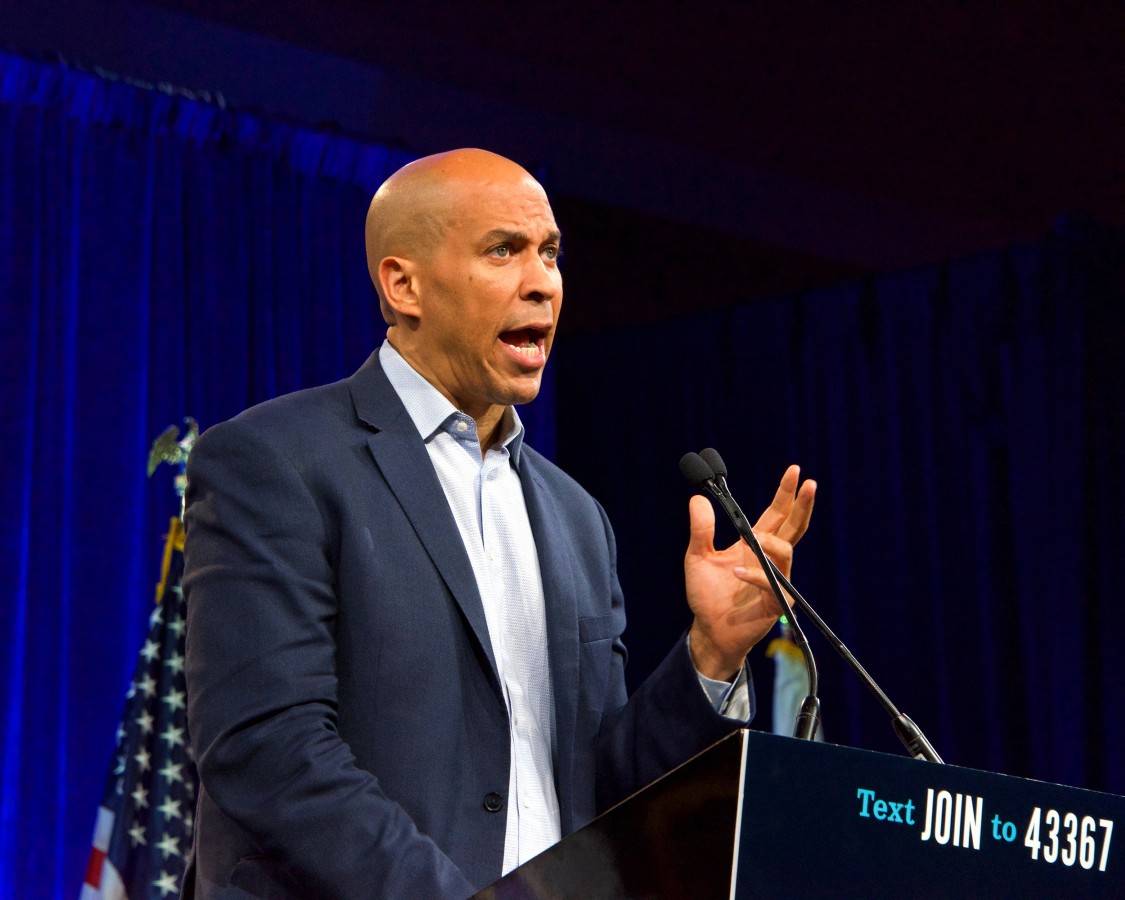
Senator Cory Booker recently pivoted the wealth tax conversation with his Keep Your Pay Act. While the bill’s primary feature is making the first $75,000 of income tax-free for joint filers, it is funded entirely by “unrigging” the tax system at the top. The plan involves raising top individual tax rates to 41% and 43%, increasing corporate tax rates, and closing loopholes often used by the ultra-wealthy. Booker describes the initiative as a way to “redeem the dream of America” by providing immediate wallet relief to the middle class while demanding more from those at the summit of the economy.
Ron Wyden’s mark-to-market approach

Senator Ron Wyden, Chairman of the Senate Finance Committee, continues to advocate for a Billionaires Income Tax based on “mark-to-market” principles. Rather than waiting for an asset to be sold to trigger a tax event, Wyden’s proposal would require billionaires to pay taxes on the increased value of their tradable assets, such as stocks, every year.
This approach is intended to prevent the indefinite deferral of taxes on massive fortunes. Proponents argue this is the most effective way to ensure that the 700+ billionaires in the U.S. contribute to the federal budget in real-time.
President Biden’s proposal for a billionaire minimum income tax

None of these tax proposals should come as a surprise. All of them have elements of Biden’s tax proposal. The Biden administration had consistently proposed a Billionaire Minimum Income Tax (BMIT) as part of its federal budget requests. The BMIT would impose a 25% minimum tax rate on the total income; including unrealized capital gains of households with a net worth exceeding $100 million. This proposal was said to functions as a “backstop” to ensure that the wealthiest 0.01% cannot use complex tax planning to escape their obligations. The administration had estimated the BMIT would raise at least $360 billion over ten years.
Economic projections and the $6 trillion revenue debate

The potential revenue from these taxes is a point of significant debate among economists. While the Saez and Zucman analysis projects over $6 trillion in revenue from Warren’s plan, critics point to the “administrative complexity” and potential for tax avoidance. Groups like the Tax Foundation warn that high rates could lead to capital flight or distortions in how wealth is reported. However, supporters argue that the massive influx of capital could fully fund universal childcare, tuition-free community college, and a reduction in the Medicare eligibility age to 55.
Constitutional hurdles and the legal debate over direct taxation

One of the primary obstacles to a federal wealth tax is the U.S. Constitution, which requires “direct taxes” to be apportioned among the states based on population. Critics argue that a tax on property or net worth falls into this category and would therefore be unconstitutional without such apportionment. However, many legal scholars and proponents of the Wealth Tax argue that taxing “unrealized gains” is a form of income tax protected by the Sixteenth Amendment. This legal tension likely means that any passed wealth tax would face an immediate challenge in the Supreme Court.
State-level tax initiatives add to the national debate
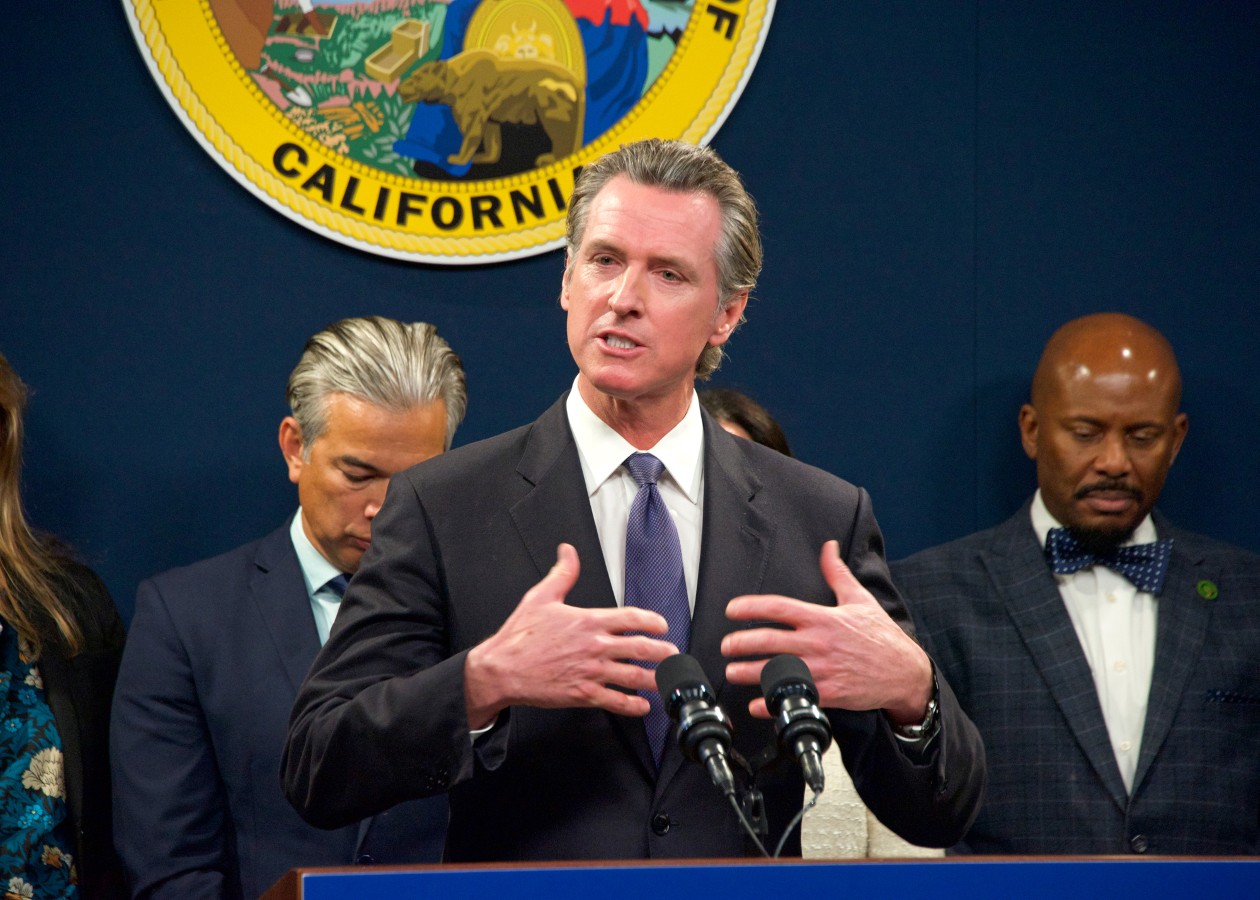
The renewed federal push comes as several states explore or implement taxes targeting wealthy residents. Massachusetts voters approved a surtax on high earners in 2023, while lawmakers in Washington state have advanced similar measures.
In California, voters may soon consider a ballot initiative that would impose a one-time tax on billionaire wealth; highlighting the growing willingness among policymakers to experiment with new revenue strategies.
Democrats show rising support for higher taxes

Democrat polling suggests a sizable share of Americans favor raising taxes on wealthy households. Many respondents supported higher tax rates on people earning more than $400,000 annually.
At the same time, research cited by proponents indicates that some of the nation’s richest individuals pay lower effective tax rates than many middle-income taxpayers, fueling calls for reform.
Will the ultra-wealthy leave if taxes rise?

Critics of wealth taxes argue that higher rates could prompt billionaires to relocate to lower-tax states or countries, potentially reducing the expected revenue.
The implementation of wealth taxes in Europe provides a significant historical record of how these policies often fail to meet their revenue goals while triggering unintended economic consequences.
France’s wealth tax is perhaps the most famous example of failure. Between 2000 and 2016, an estimated 12,000 millionaires left France annually, according to research by New World Wealth. The tax was blamed for a massive drain of capital and talent. President Emmanuel Macron abolished the ISF in 2017, replacing it with a tax solely on real estate. Macron argued that the tax had turned France into a “tax hell” and hindered investment.
Sweden abolished its wealth tax in 2007. Despite being a model for social democracy, the Swedish government found that the tax encouraged the country’s wealthiest citizens (including the founder of IKEA, Ingvar Kamprad) to move their assets abroad. The government concluded that the tax was “chasing capital out of the country” and that the administrative costs of tracking offshore assets often outweighed the revenue collected.
Germany stopped enforcing its wealth tax in 1997 after the Federal Constitutional Court ruled it unconstitutional. The court found that the tax was discriminatory because it valued different types of assets (like real estate vs. cash) inconsistently.
Recent data from Norway provides a contemporary “natural experiment.” In 2022, the Norwegian government increased its wealth tax rate slightly. This triggered an unprecedented exodus of the country’s ultra-wealthy. More than 30 Norwegian billionaires and multimillionaires moved to Switzerland in 2022 and 2023. Research shows that the tax revenue lost from these individuals moving abroad likely exceeded the total revenue the government expected to gain from the tax increase.
A study by the tax foundation and various economic journals notes that “wealth is highly mobile.” When the cost of staying (taxes) exceeds the cost of moving (relocation), the most productive capital owners leave, taking their investment potential with them.
Political hurdles remain despite growing traction

As of March 2026, these bills face a steep climb in a divided Congress. While the proposals have gained significant co-sponsorship among progressive and mainstream Democrats, they remain opposed by the Republican caucus. Nonetheless, the continued reintroduction of these measures signals a long-term shift in the Democratic platform toward wealth redistribution.
Still, supporters believe rising awareness of wealth inequality and affordability pressures could keep the issue at the forefront of national policy debates, particularly heading into future election cycles as Democrats plan to gain control of Congress in the midterms.
Like Financial Freedom Countdown content? Be sure to follow us!
14 essential strategies to maximize your Social Security and avoid costly mistakes

Social Security is a vital lifeline for many seniors, providing crucial income support during retirement. With inflation at its highest in four decades, Social Security’s inflation-adjusted benefits offer protection against rising costs.
Rising interest rates have disrupted many retirement portfolios, causing bond fund values to plummet. In this volatile financial landscape, Social Security can stabilize a typical stock-bond retirement portfolio. By implementing smart strategies, retirees can maximize their Social Security benefits and ensure a more secure financial future.
14 Essential Strategies to Maximize Your Social Security and Avoid Costly Mistakes

Did you find this article helpful? We’d love to hear your thoughts! Leave a comment with the box on the left-hand side of the screen and share your thoughts.
Also, do you want to stay up-to-date on our latest content?
1. Follow us by clicking the [+ Follow] button above,
2. Give the article a Thumbs Up on the top-left side of the screen.
3. And lastly, if you think this information would benefit your friends and family, don’t hesitate to share it with them!

John Dealbreuin came from a third world country to the US with only $1,000 not knowing anyone; guided by an immigrant dream. In 12 years, he achieved his retirement number.
He started Financial Freedom Countdown to help everyone think differently about their financial challenges and live their best lives. John resides in the San Francisco Bay Area enjoying nature trails and weight training.
Here are his recommended tools
Personal Capital: This is a free tool John uses to track his net worth on a regular basis and as a retirement planner. It also alerts him wrt hidden fees and has a budget tracker included.
Platforms like Yieldstreet provide investment options in art, legal, real estate, structured notes, venture capital, etc. They also have fixed-income portfolios spread across multiple asset classes with a single investment with low minimums of $10,000.