Sanders clashes with Jamie Dimon over billionaire tax as $12,000 payments plan gains attention

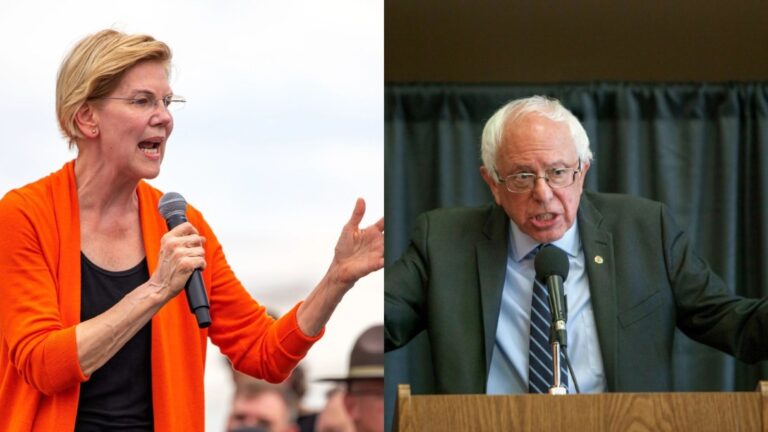
Bernie Sanders and Ro Khanna are advancing legislation to impose a 5% annual federal wealth tax on billionaires, a proposal projected to raise $4.4 trillion over the next decade.
The plan would apply to fewer than 1,000 Americans with net worth exceeding $1 billion and would not increase taxes on anyone below that threshold.
A central feature of the bill is a $3,000 direct payment per person for households earning $150,000 or less annually.
That translates into $12,000 for a family of four, a benefit Sanders says would be funded entirely through taxing the ultra-wealthy.

The proposal drew pushback from Jamie Dimon, CEO of JPMorgan Chase, who said he does not understand what Sanders means by billionaires not paying their “fair share.”
“I’ve listened to that my whole life and I don’t know what he means,” Dimon said during an appearance on FOX & Friends.
Dimon argued that raising taxes alone would not solve structural economic challenges and warned that additional revenue could be misallocated.
Dimon suggested policymakers should instead focus on pro-growth reforms, including regulatory changes, immigration policy adjustments and merit-based systems.
He also proposed expanding income tax credits for low-income Americans, saying such measures could improve economic mobility and increase spending in local communities.
Sanders fires back at Dimon

Sanders responded sharply to Dimon’s criticism on social media.
“Ok, Jamie: Let me clear things up for you,” Sanders wrote, arguing that a 5% tax on billionaires would require Dimon to pay about $135 million more.
“Oh, and you’d still be worth more than $2.5 billion. Seems pretty fair to me,” Sanders concluded his post.
Sanders targets Bezos and billionaire influence
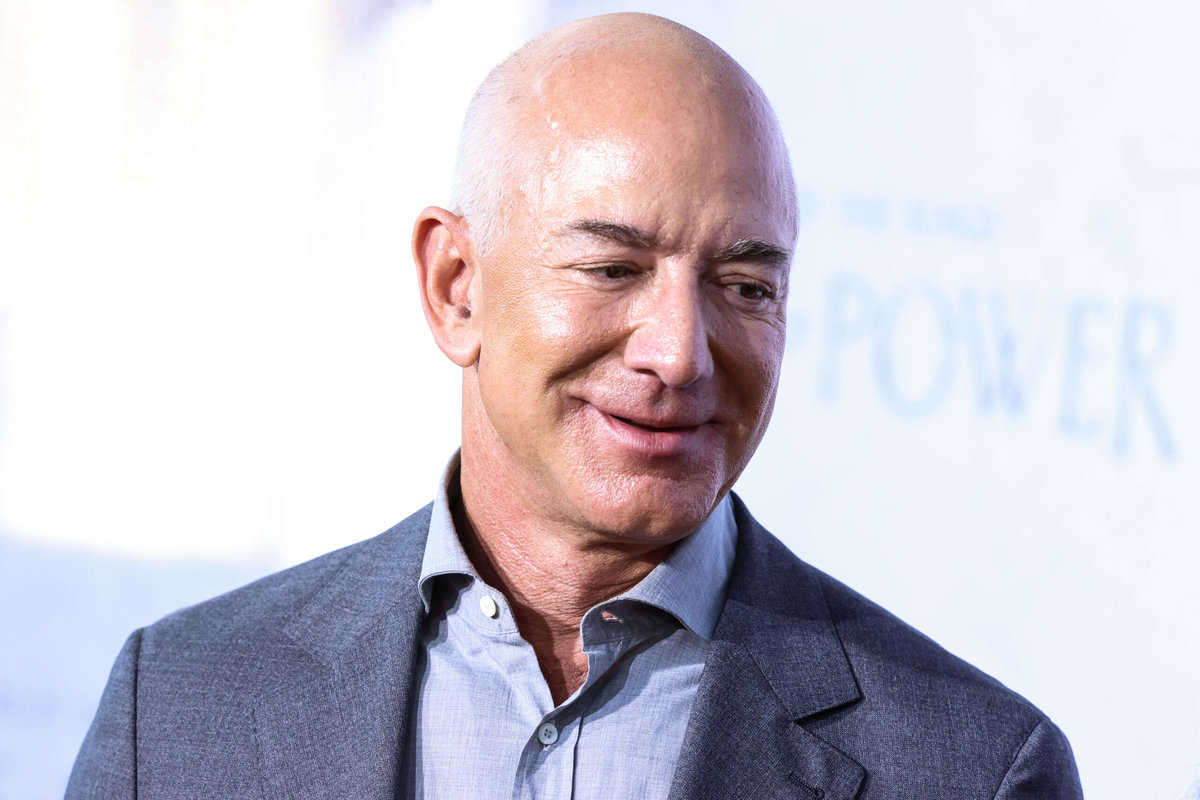
Sanders has also been targeting other billionaires over his tax proposal.
Sanders has paired the policy rollout with criticism of billionaire influence, including a recent swipe at Jeff Bezos and his ownership of The Washington Post.
“Surprise! The Jeff Bezos-owned Washington Post is against my 5% billionaire wealth tax. I wonder why?” Sanders wrote.
“If enacted, Bezos would owe $12 billion in taxes, and an average family of 4 would receive a $12,000 direct payment. Poor Jeff would be left with just $224 billion to survive.”
Funding health care, housing and education

Revenue from the wealth tax would be used to reverse more than $1 trillion in cuts to Medicaid and related programs, expand Medicare to include dental, vision and hearing coverage, and fund home health care for seniors and people with disabilities.
The proposal also includes a $60,000 minimum salary for public school teachers, investments in affordable housing, and caps child care costs at 7% of household income.
California wealth tax fight shapes national debate

The federal effort mirrors debates in states like California, where a proposed billionaire tax has divided Democrats.
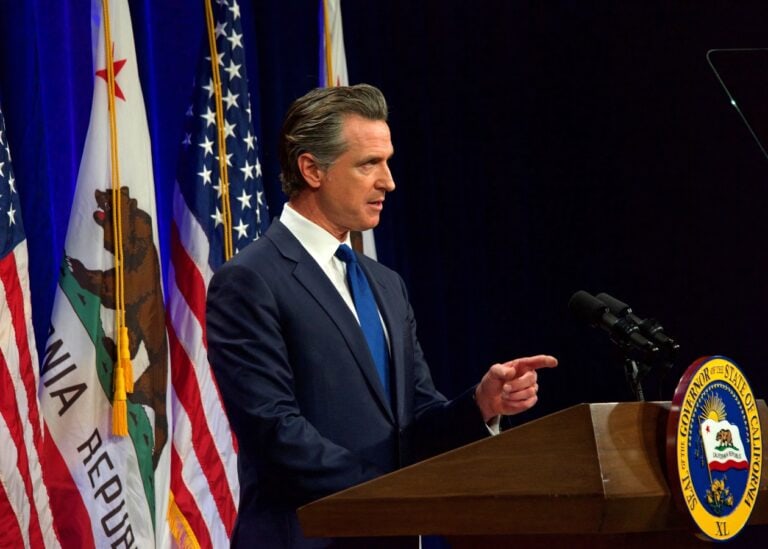
Gavin Newsom has opposed the state measure, warning it could drive businesses away, while Khanna has backed it despite resistance from some Silicon Valley donors.
Sanders recently campaigned in Los Angeles in support of the California proposal.
A long shot in Congress but a 2028 flashpoint

The legislation faces steep odds in a Republican-controlled Congress but is emerging as a key issue ahead of the 2028 Democratic presidential primary.
Democrats are testing the waters to see if voters would react favorably.
Khanna has been exploring a presidential run, while Newsom is widely seen as a leading contender, highlighting a growing divide within the party over how aggressively to tax the ultra-wealthy.
While the billionaire tax plan would raise an estimated $4.4 trillion, it would address only part of the federal government’s broader fiscal challenges.
According to data from the U.S. Department of the Treasury, total public debt stood at approximately $39.02 trillion as of March 30, 2026.
Like Financial Freedom Countdown content? Be sure to follow us!
14 essential strategies to maximize your Social Security and avoid costly mistakes

Social Security is a vital lifeline for many seniors, providing crucial income support during retirement. With inflation at its highest in four decades, Social Security’s inflation-adjusted benefits offer protection against rising costs.
Rising interest rates have disrupted many retirement portfolios, causing bond fund values to plummet. In this volatile financial landscape, Social Security can stabilize a typical stock-bond retirement portfolio. By implementing smart strategies, retirees can maximize their Social Security benefits and ensure a more secure financial future.
14 Essential Strategies to Maximize Your Social Security and Avoid Costly Mistakes
11 reasons you should claim Social Security early

Deciding when to claim Social Security is often about maximizing your benefit. Financial planners usually advise delaying your claim for as long as possible to secure the highest monthly payment. Your benefit is based on your lifetime earnings, with a full payout available at your full retirement age (FRA), which is currently between 66 and 67 depending on your birth year. Claiming before FRA results in a permanent reduction in your monthly benefit, while waiting beyond FRA leads to a permanent increase. However, the decision isn’t solely about maximizing the monthly check. Personal factors such as health, family circumstances, and financial needs can play a significant role in determining the right time to claim.
11 Reasons You Should Claim Social Security Early

Did you find this article helpful? We’d love to hear your thoughts! Leave a comment with the box on the left-hand side of the screen and share your thoughts.
Also, do you want to stay up-to-date on our latest content?
1. Follow us by clicking the [+ Follow] button above,
2. Give the article a Thumbs Up on the top-left side of the screen.
3. And lastly, if you think this information would benefit your friends and family, don’t hesitate to share it with them!

John Dealbreuin came from a third world country to the US with only $1,000 not knowing anyone; guided by an immigrant dream. In 12 years, he achieved his retirement number.
He started Financial Freedom Countdown to help everyone think differently about their financial challenges and live their best lives. John resides in the San Francisco Bay Area enjoying nature trails and weight training.
Here are his recommended tools
Personal Capital: This is a free tool John uses to track his net worth on a regular basis and as a retirement planner. It also alerts him wrt hidden fees and has a budget tracker included.
Platforms like Yieldstreet provide investment options in art, legal, real estate, structured notes, venture capital, etc. They also have fixed-income portfolios spread across multiple asset classes with a single investment with low minimums of $10,000.