$774 Billion on Hand: Treasury Braces for Tariff Refunds as Supreme Court Weighs Trump’s Powers
U.S. Treasury Secretary Scott Bessent said the federal government has more than enough cash to cover any tariff refunds if the Supreme Court rules against President Donald Trump’s emergency tariffs. With roughly $774 billion on hand, Bessent stressed that refunds would not pose a liquidity problem, even if payouts stretch over months or more than a year.
Refunds Would Be Slow, Not a One-Day Shock
Bessent made clear that any repayment process would be gradual. Rather than a single massive outflow, refunds would likely be issued over weeks or months, potentially extending beyond a year. That pacing, he said, would prevent disruption to Treasury operations even in a worst-case legal scenario.
A “Corporate Boondoggle,” Not Consumer Relief

The Treasury chief argued that refunds would primarily benefit corporations, not households. Many companies, he said, passed tariff costs on to customers. If refunds are issued, Bessent questioned whether firms like Costco; one of the plaintiffs would return that money to consumers, calling the scenario a “corporate boondoggle.”
Bessent Disputes Inflation Claims

Bessent rejected arguments that Trump’s tariffs fueled inflation. He said there has been “very, very little, if any, pass-through” to consumers and noted that goods inflation has run below overall headline inflation, undercutting claims that tariffs drove recent price pressures.
Supreme Court Delay May Favor the White House
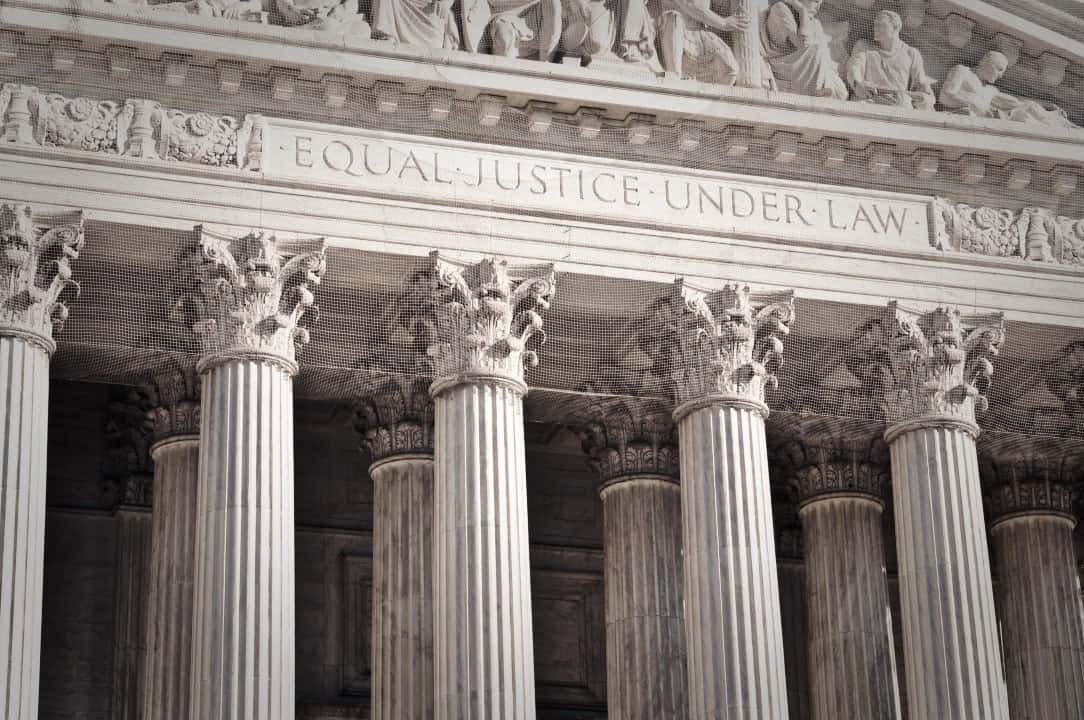
Although importers and trade lawyers expected a Supreme Court ruling on Friday, the justices issued a decision on an unrelated case instead. Bessent suggested the longer the tariff decision is delayed, the more likely it is the court ultimately rules in the administration’s favor.
Thousands of Companies Line Up for Refunds
More than 1,000 companies worldwide have filed lawsuits challenging Trump’s sweeping tariffs and seeking refunds. Major names include Costco, Reebok, Peloton, Dole, Revlon, and Goodyear. The cases are largely on hold, awaiting the Supreme Court’s decision.
Why Companies Are Suing Preemptively
Trade experts doubt the administration would automatically refund tariffs if it loses. As a result, hundreds of companies have gone to the U.S. Court of International Trade, asking judges to declare the tariffs unlawful under the International Emergency Economic Powers Act (IEEPA) and order refunds.
The High-Stakes Legal Question Before the Court

At the core of the case is whether Trump exceeded executive authority under the 1977 IEEPA when imposing broad tariffs on nearly every U.S. trading partner. A negative ruling could invalidate large portions of the administration’s trade framework.
Tariffs as the Centerpiece of Trump’s Second-Term Agenda
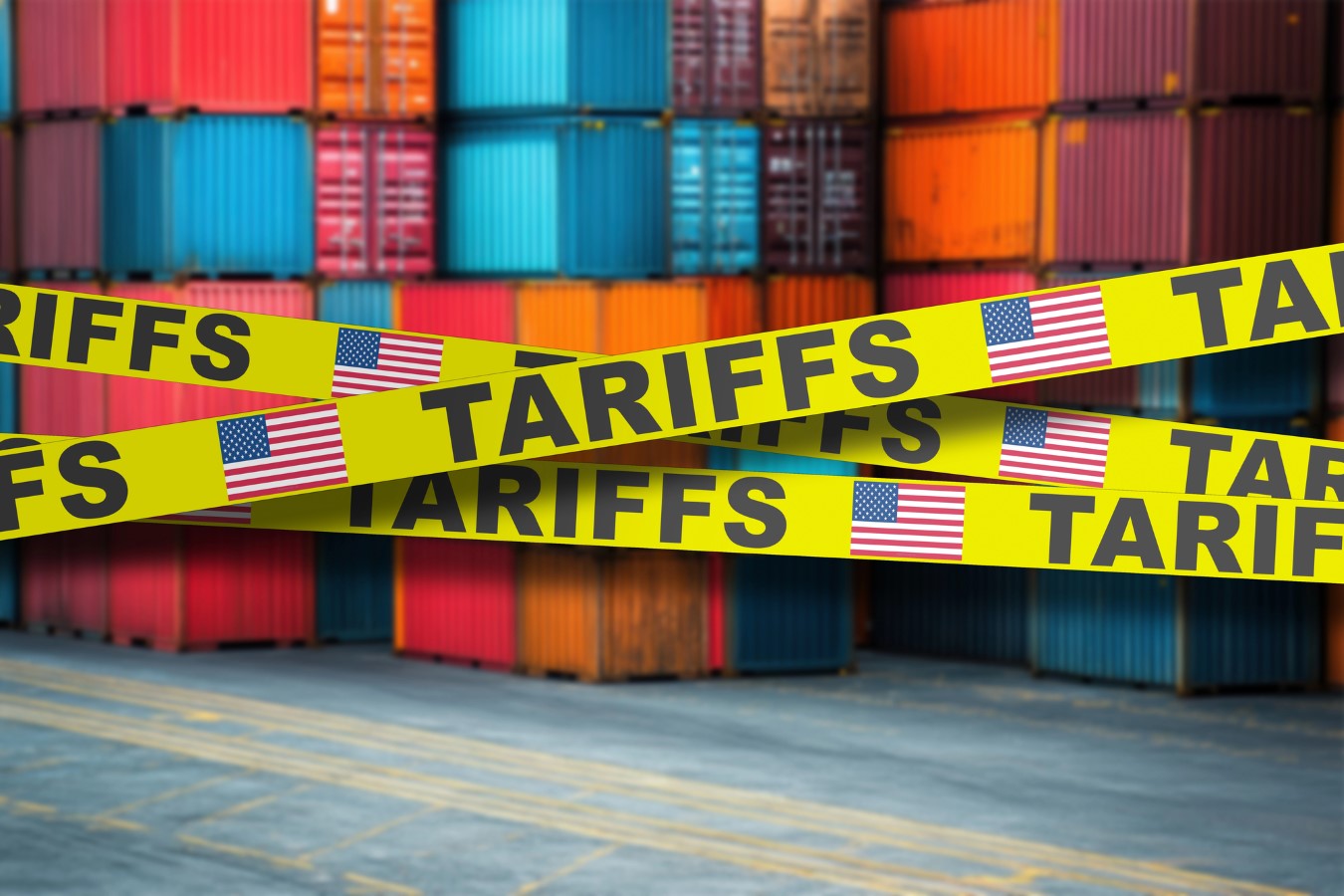
Trump has made tariffs the linchpin of his economic strategy, arguing they reshore manufacturing, strengthen national security, and generate massive revenue. He has even claimed tariffs could eventually replace income taxes; an assertion widely disputed by economists.
The Revenue Reality Check
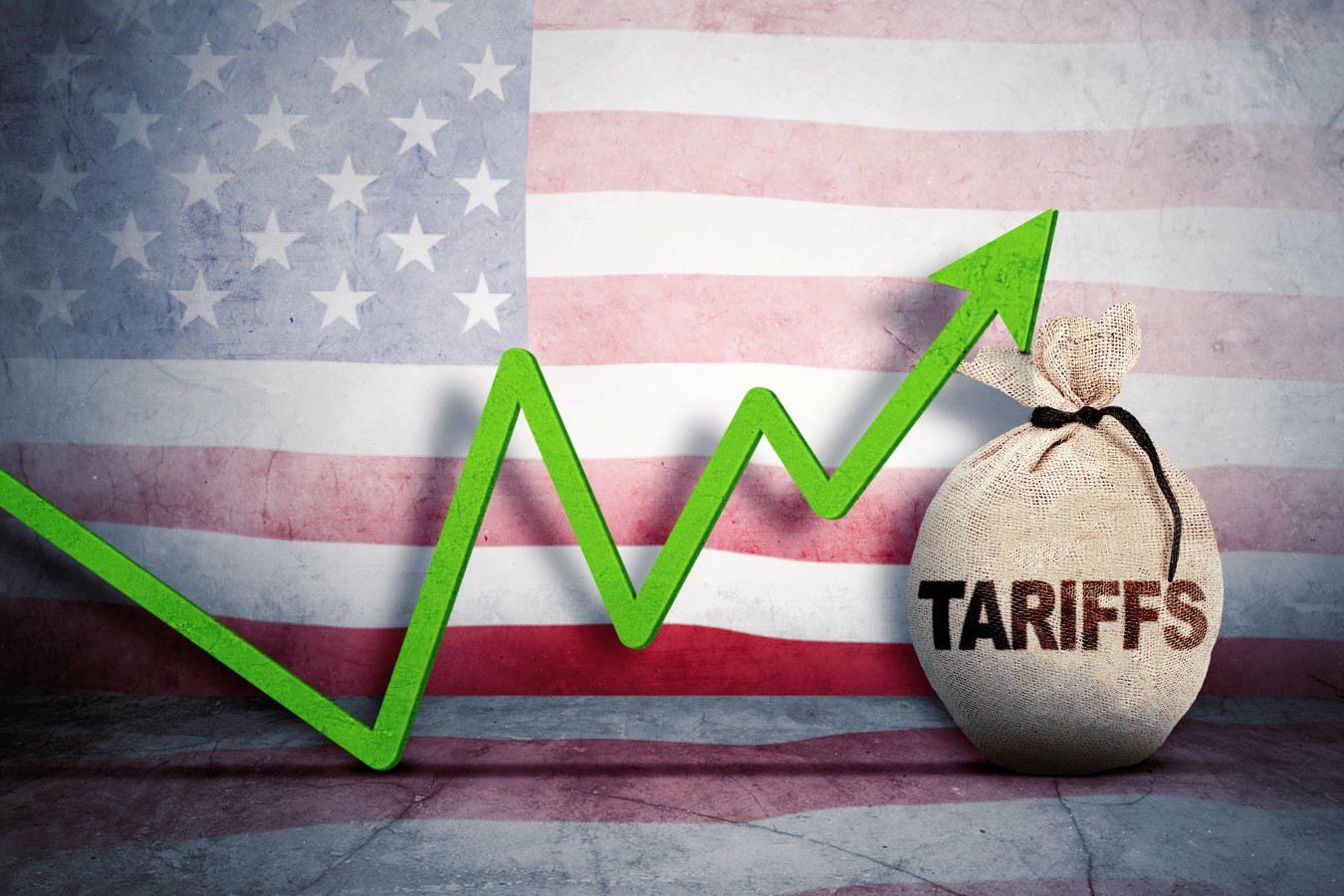
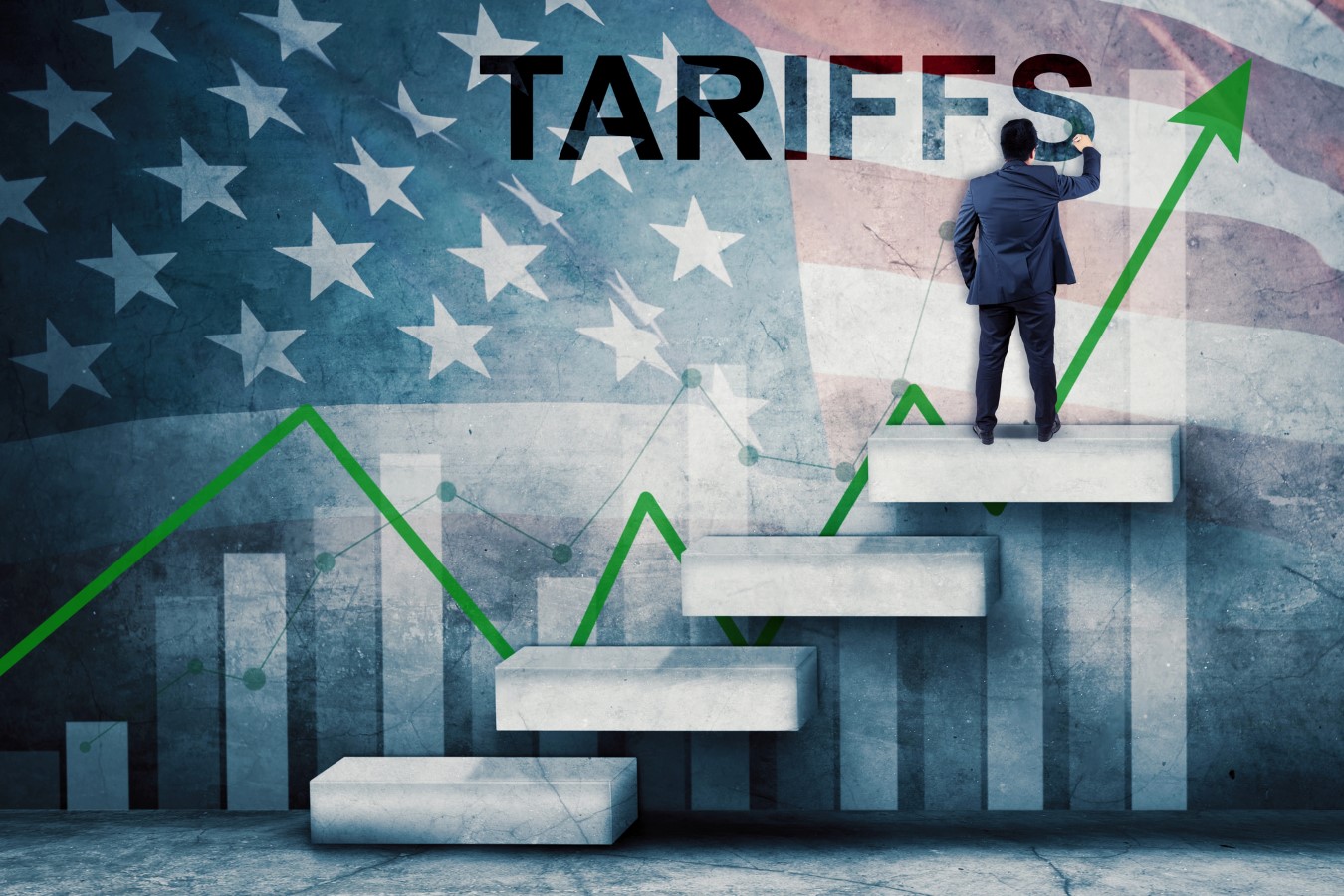
Income taxes generated nearly $2.7 trillion last year, more than half of all federal revenue. Tariffs, by contrast, have brought in about $215 billion to date. Critics argue that even aggressive tariff regimes cannot come close to replacing income tax revenue.
A Ruling That Could Shake Policy and Markets
If the Supreme Court strikes down the tariffs, insiders warn it could be “devastating” for both policy and investor confidence. The administration says alternative legal pathways exist, but an adverse decision could unravel the fiscal and economic narrative built around tariffs; raising questions about revenue, credibility, and the future of Trump’s trade strategy.
Like Financial Freedom Countdown content? Be sure to follow us!
Major Student Loan Changes Coming in 2026; From Parent PLUS Caps to the End of SAVE

Federal student loans are about to change in some of the biggest ways in decades. Beginning in 2026, new laws will reshape how much students and parents can borrow, eliminate long-standing loan programs, and overhaul repayment for future borrowers. For families planning for college, graduate students weighing advanced degrees, and borrowers already navigating repayment, these shifts could significantly alter education and financial decisions.
Major Student Loan Changes Coming in 2026; From Parent PLUS Caps to the End of SAVE

Did you find this article helpful? We’d love to hear your thoughts! Leave a comment with the box on the left-hand side of the screen and share your thoughts.
Also, do you want to stay up-to-date on our latest content?
1. Follow us by clicking the [+ Follow] button above,
2. Give the article a Thumbs Up on the top-left side of the screen.
3. And lastly, if you think this information would benefit your friends and family, don’t hesitate to share it with them!

John Dealbreuin came from a third world country to the US with only $1,000 not knowing anyone; guided by an immigrant dream. In 12 years, he achieved his retirement number.
He started Financial Freedom Countdown to help everyone think differently about their financial challenges and live their best lives. John resides in the San Francisco Bay Area enjoying nature trails and weight training.
Here are his recommended tools
Personal Capital: This is a free tool John uses to track his net worth on a regular basis and as a retirement planner. It also alerts him wrt hidden fees and has a budget tracker included.
Platforms like Yieldstreet provide investment options in art, legal, real estate, structured notes, venture capital, etc. They also have fixed-income portfolios spread across multiple asset classes with a single investment with low minimums of $10,000.