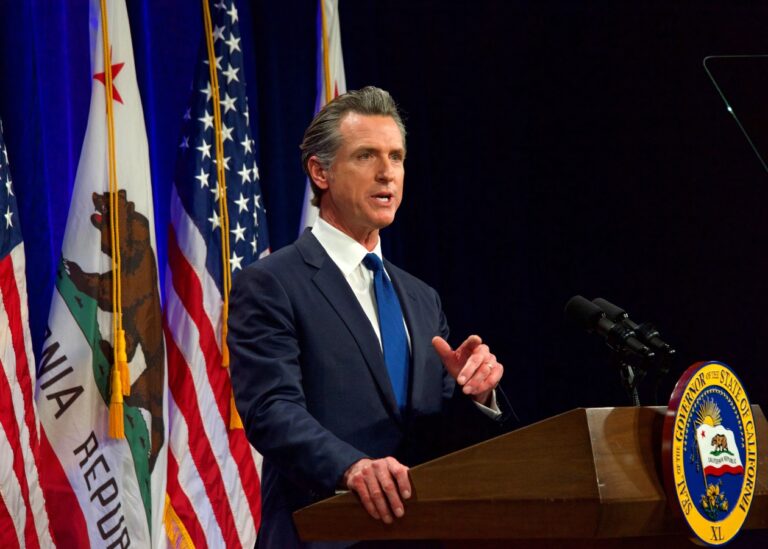
California Democrats advance mileage tax study amid budget pressures
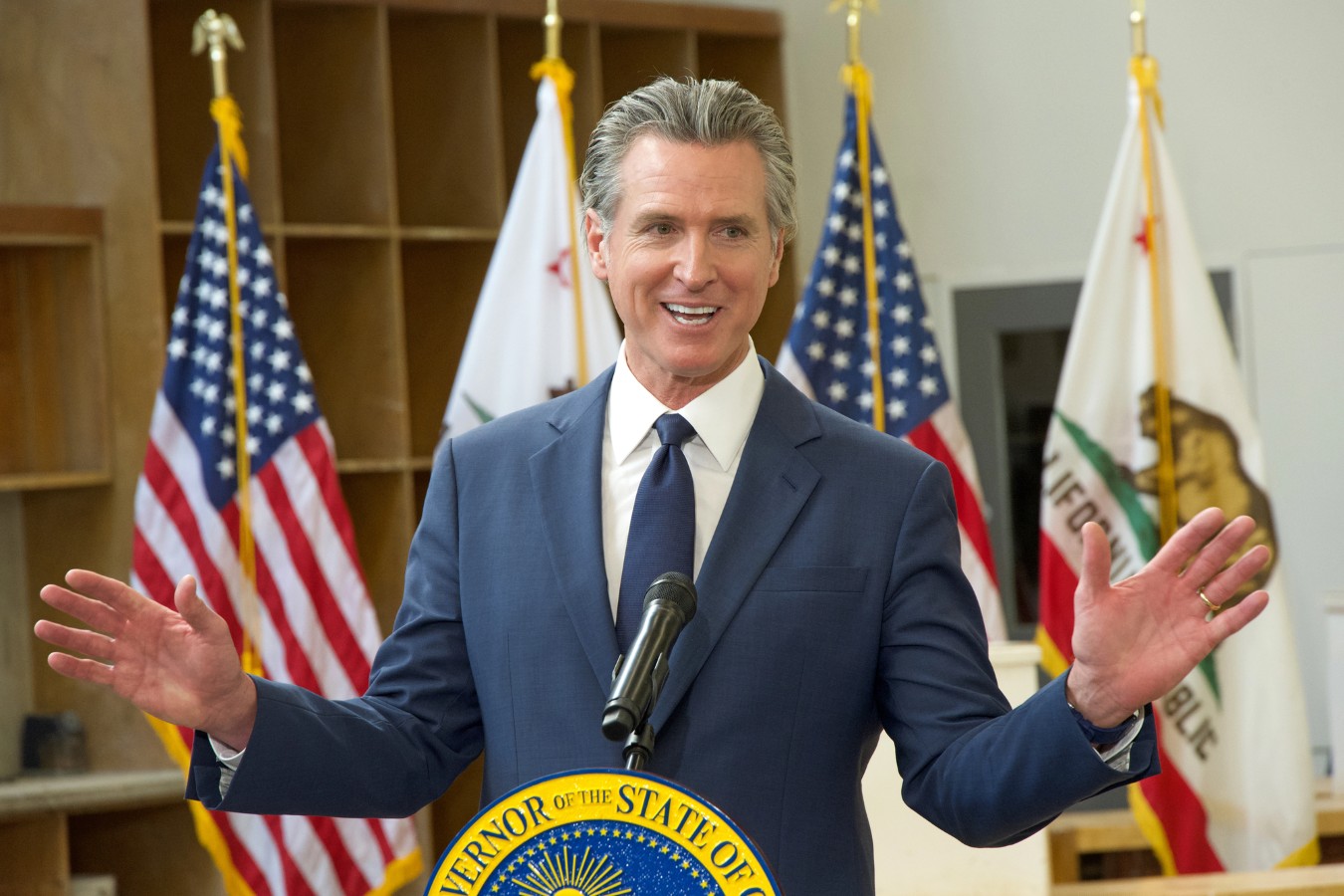
California Democrats are moving forward with a controversial proposal to study a new “mileage tax,” as the state grapples with an estimated $18 billion deficit.
The plan, outlined in AB 1421, would explore taxing drivers based on how many miles they drive; regardless of whether they use gas-powered vehicles or electric vehicles (EVs). Critics argue that lawmakers are prioritizing new revenue streams over spending cuts, intensifying debate over affordability in the state.
AB 1421 clears assembly with strong Democratic support

Last week, the State Assembly passed AB 1421 with support from more than 40 Democrats, authorizing a commission to study the feasibility of a mileage-based tax system. The bill now heads to the State Senate, where it is expected to pass largely along party lines. While the legislation does not implement a tax, its advancement has sparked widespread public concern.
Critics say proposal adds to California’s affordability crisis

Opponents of the measure argue that even studying a mileage tax signals a willingness to impose new financial burdens on residents already struggling with high living costs. “Californians are already getting crushed by the cost of food, housing, power, and gas,” said Republican Assembly Leader Heath Flora. “We already pay the highest gas taxes in the nation. Now Sacramento is talking about adding a new tax for every mile people drive.”
EV drivers could be hit despite climate push

One of the most contentious aspects of the proposal is its potential impact on EV owners.
For years, leaders including Governor Gavin Newsom have encouraged residents to switch to electric vehicles to combat climate change. In 2020, the governor described moving to EVs as “the most impactful step our state can take to fight climate change.”
State messaging also emphasized cost savings, noting that “the cost of owning the car – both in maintenance and how much it costs to power the car mile for mile; is far less than a fossil fuel burning vehicle.” A mileage tax could erode those savings.
California’s currently has the highest gas taxes

California currently has the highest combined state and federal gas tax in the nation, at roughly 71 cents per gallon.
Traditionally, these taxes have funded road maintenance and infrastructure projects. However, as more drivers switch to EVs or fuel-efficient cars, gas tax revenues are declining.
Over time, this shift has created a growing gap in funding for transportation infrastructure, forcing lawmakers to consider alternative revenue models.
EV adoption threatens long-term revenue stability
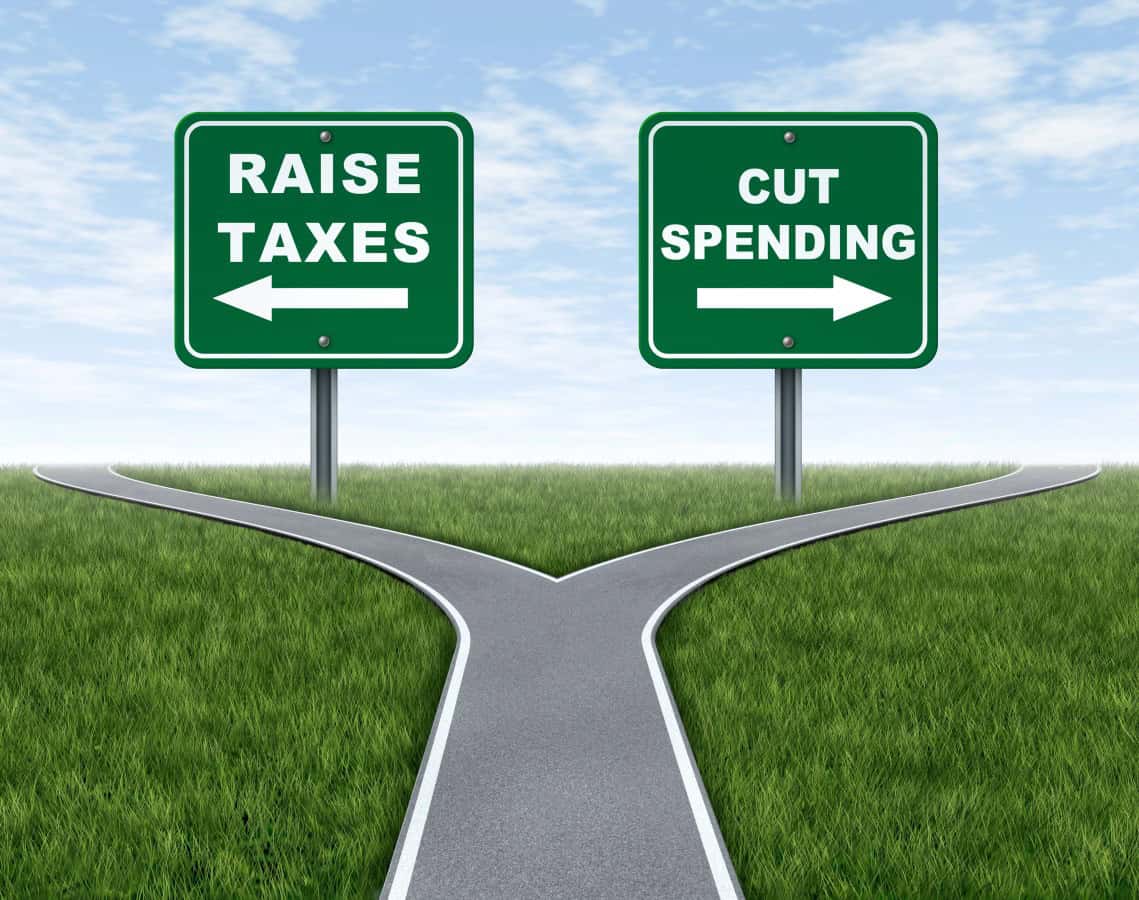
The financial challenge is expected to intensify in the coming years. A 2023 report from California’s independent legislative analyst estimated the state could lose up to $5 billion annually by 2035 if EV adoption continues at its current pace. This looming shortfall has made discussions about replacement funding mechanisms increasingly urgent.
Public backlash highlights political sensitivity

Despite being only a study, AB 1421 has triggered strong reactions statewide. The proposal went viral after Republican lawmakers criticized it during a heated Assembly debate, prompting a surge of calls to legislative offices and widespread backlash on social media.
The controversy underscores how politically sensitive any discussion of new taxes; especially those tied to driving; has become in California.
Gavin Newsom distances himself from mileage tax proposal
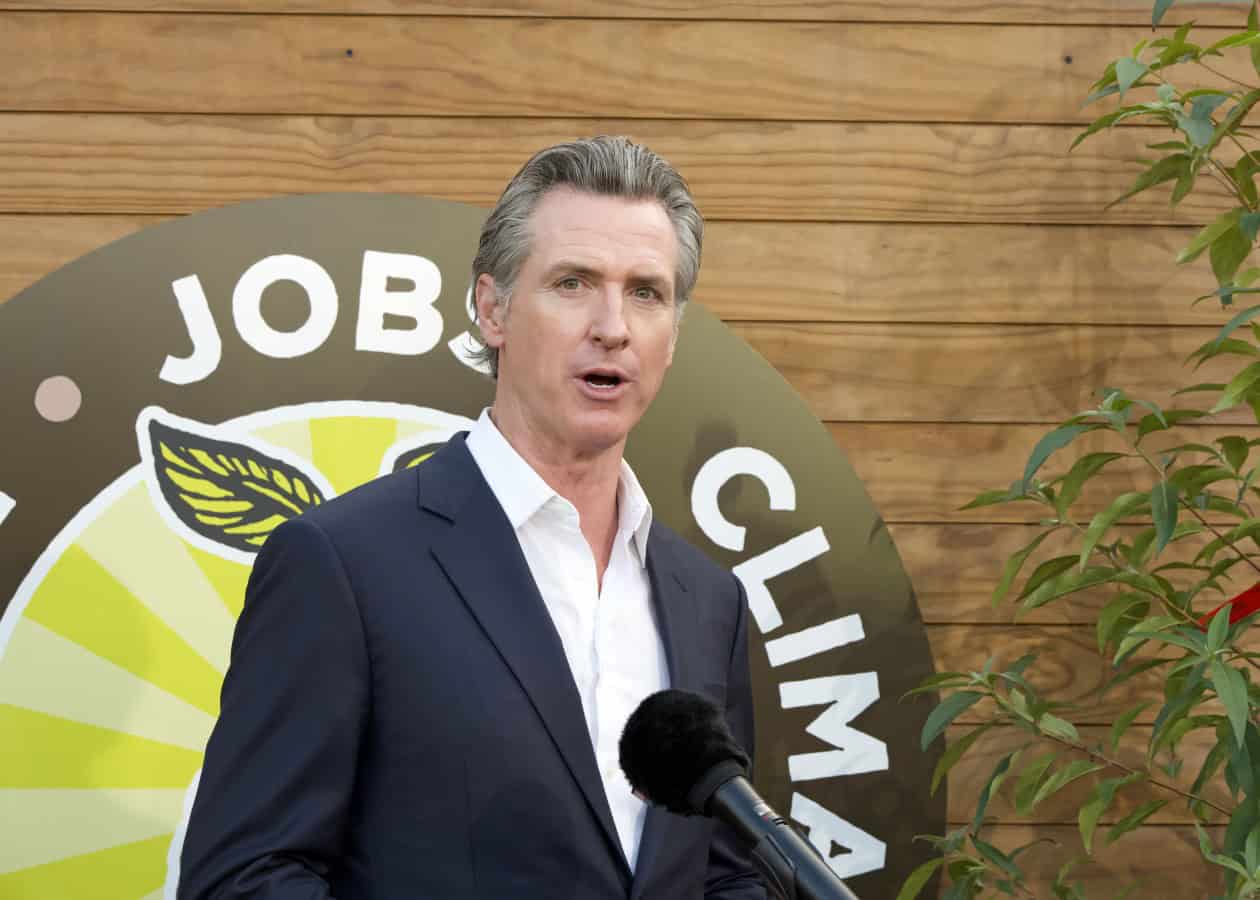
Amid the uproar, Governor Newsom’s office sought to clarify his position. “There is no mileage tax proposal in California; and the Governor would not sign one,” his staff wrote in a social media post. The statement aimed to reassure voters while drawing a distinction between studying a concept and enacting policy.
Experts say timing is politically fraught

According to Alan Jenn, a UC Davis expert on road usage policies, the governor’s response reflects broader political calculations. “You don’t want to be making a decision on such a controversial topic when you’re trying to run for president,” Jenn said.
The issue is widely viewed as a political “third rail,” particularly after past backlash to gas tax increases led to electoral consequences for lawmakers.
Lawmakers defend study as necessary planning
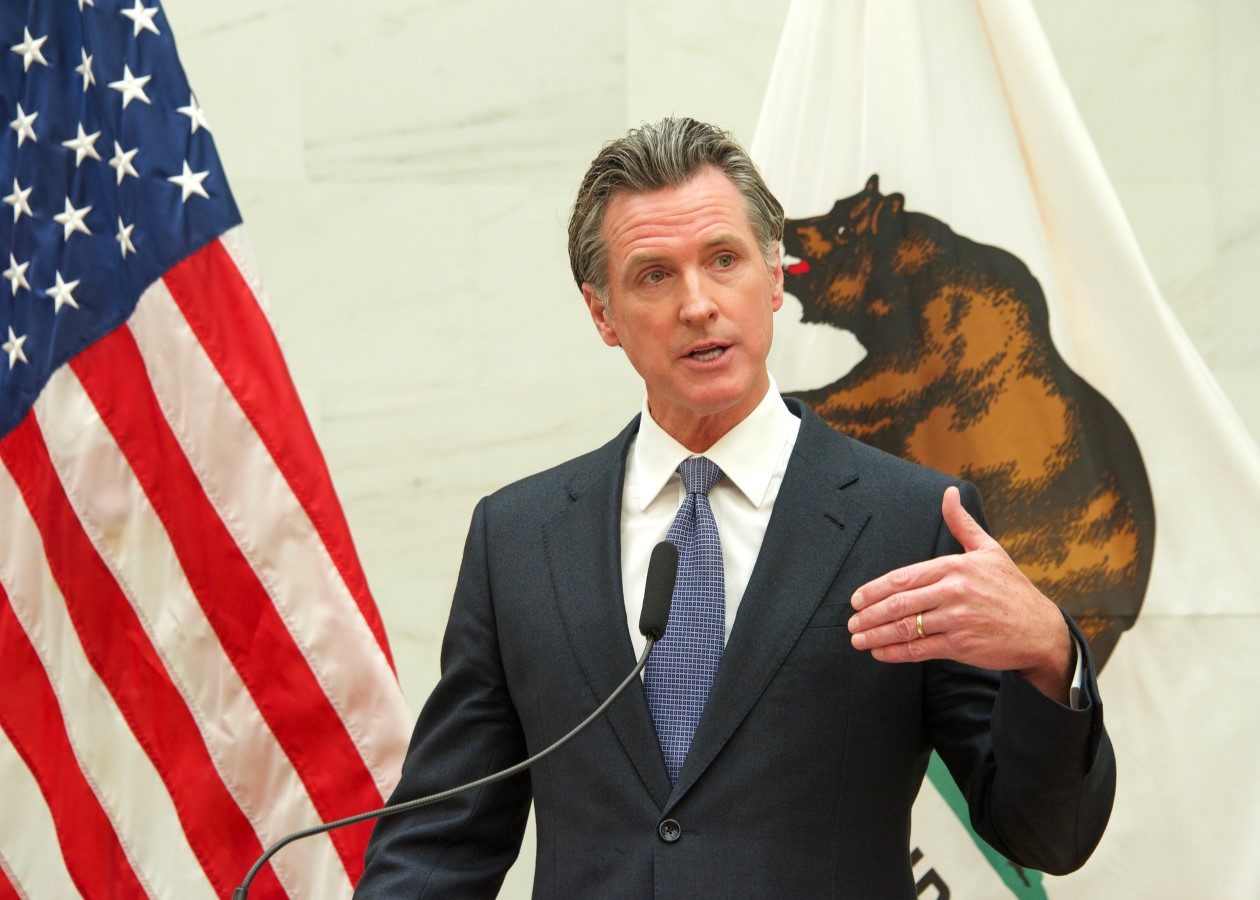
Supporters of the bill argue that studying a mileage tax is a responsible step toward addressing long-term infrastructure funding challenges. Assembly Transportation Chair Lori Wilson pushed back on criticism, saying, “What I was surprised by was the outright lies. That’s what surprised me, because it moved beyond just stretching the truth to just bold-faced lying.”
Backers say the state must begin evaluating alternatives now to avoid more severe funding crises in the future.
Other states experiment with mileage-based systems

California is not alone in exploring mileage-based taxes. States like Oregon, Utah, and Virginia have already implemented voluntary programs for EV drivers. Early feedback from participants has been largely positive, though scaling such systems raises concerns about data privacy and public acceptance.
Labor groups warn of infrastructure decline without action
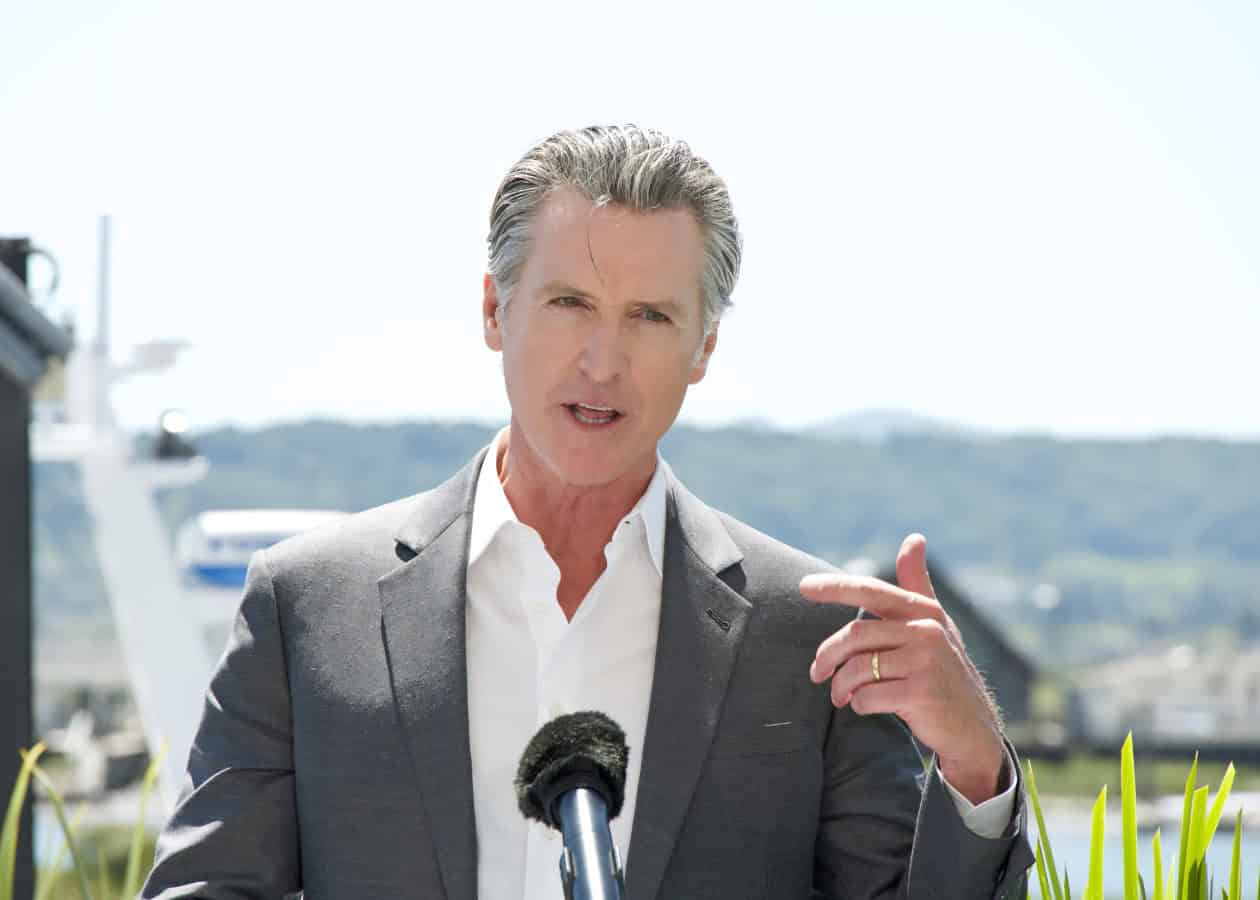
Labor organizations are among the strongest supporters of studying new funding models. Transportation California, which represents unions including the Laborers’ International Union of North America and NorCal Carpenters, is sponsoring AB 1421.
“If we don’t try to start thinking now about thoughtful, responsible, fair and affordable solutions, our infrastructure is only going to deteriorate,” said executive director Kiana Valentine. “California is already putting off projects today, and that is only going to grow with each year that the funding system remains antiquated.”
Balancing revenue needs and public trust
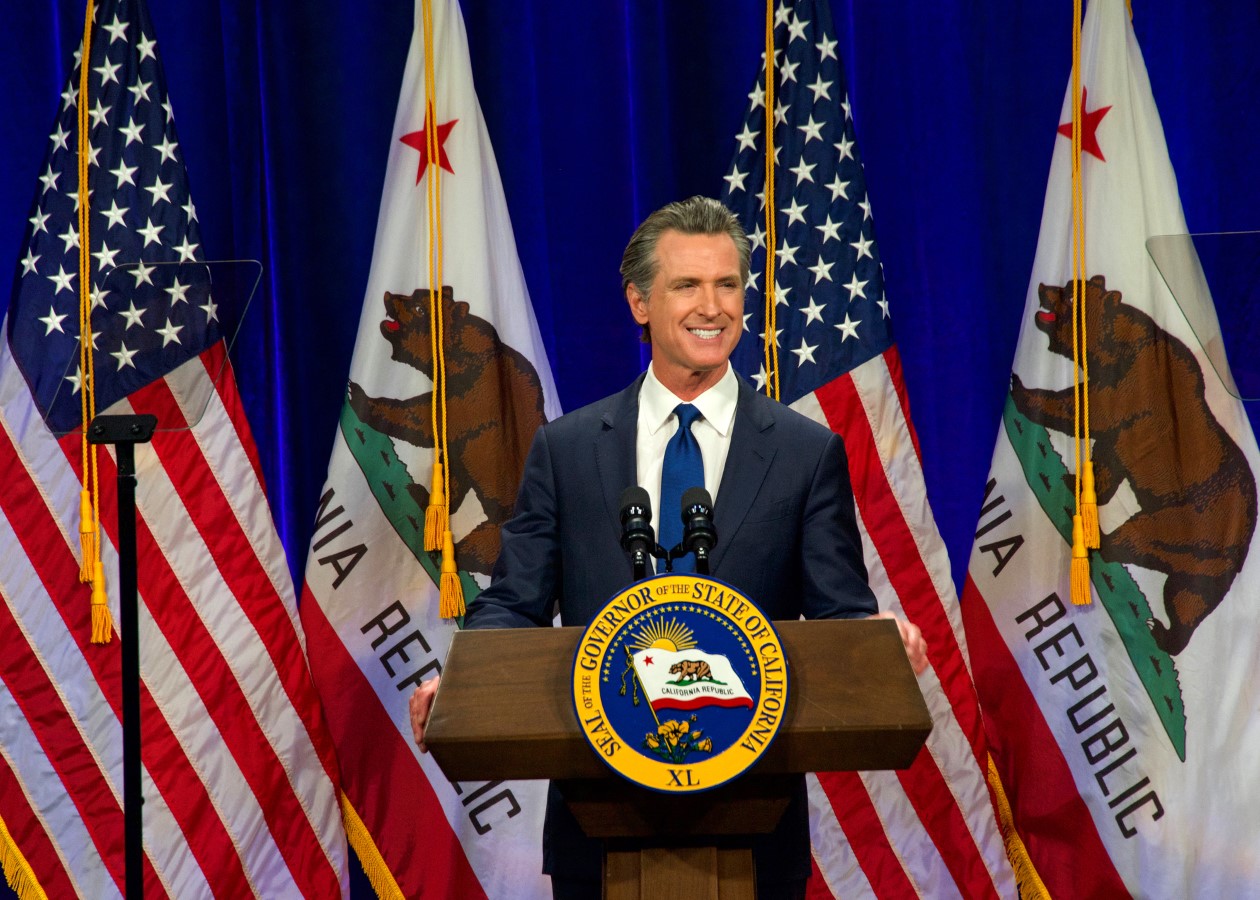
As California weighs its options, the debate over a mileage tax highlights a fundamental challenge: how to maintain critical infrastructure funding in an era of cleaner transportation. While the idea may be economically logical, its political viability remains uncertain, especially amid concerns over affordability and fairness.
The announcement comes at a critical time for Governor Newsom who is expected to be one of the leading Presidential Democratic nominees.
For now, AB 1421 represents an early step in what is likely to be a long and contentious policy debate.
Like Financial Freedom Countdown content? Be sure to follow us!

Did you find this article helpful? We’d love to hear your thoughts! Leave a comment with the box on the left-hand side of the screen and share your thoughts.
Also, do you want to stay up-to-date on our latest content?
1. Follow us by clicking the [+ Follow] button above,
2. Give the article a Thumbs Up on the top-left side of the screen.
3. And lastly, if you think this information would benefit your friends and family, don’t hesitate to share it with them!

John Dealbreuin came from a third world country to the US with only $1,000 not knowing anyone; guided by an immigrant dream. In 12 years, he achieved his retirement number.
He started Financial Freedom Countdown to help everyone think differently about their financial challenges and live their best lives. John resides in the San Francisco Bay Area enjoying nature trails and weight training.
Here are his recommended tools
Personal Capital: This is a free tool John uses to track his net worth on a regular basis and as a retirement planner. It also alerts him wrt hidden fees and has a budget tracker included.
Platforms like Yieldstreet provide investment options in art, legal, real estate, structured notes, venture capital, etc. They also have fixed-income portfolios spread across multiple asset classes with a single investment with low minimums of $10,000.