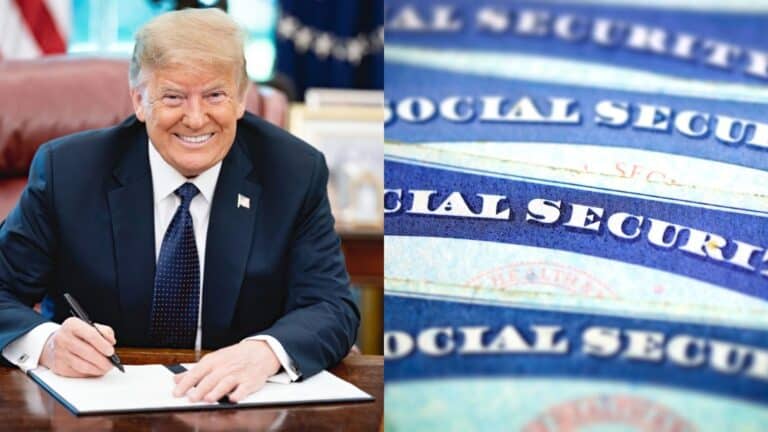
Trump Halts Wage Garnishment and Tax Refund Seizures for Defaulted Student Loans, Offering Millions Immediate Relief

The Trump administration has reversed course on a controversial student loan policy, announcing it will immediately suspend wage garnishments and tax refund seizures for borrowers in default.
The shocking Friday announcement comes as the Education Department had announced that starting the week of Jan. 7, it would notify defaulted borrowers of plans to withhold a portion of their wages.
The news is a welcome relief for millions of Americans who were bracing for involuntary collections to restart after a nearly six-year pause. But it does cast doubts if borrowers will ever be made to pay back their defaulted loans.
Trump Administration Puts Involuntary Collections on Hold
The Education Department said Friday it will suspend wage garnishments and tax refund seizures for defaulted federal student loans, effective immediately and with no defined end date. The decision dials back the administration’s earlier plan to resume collections in January, which had sparked widespread anxiety among borrowers.
Why the White House Is Reversing Course Now

Officials said the pause is intended to give the government time to implement major student loan repayment reforms authorized under President Trump’s sweeping tax legislation. The administration argues that involuntary collections will function more “efficiently and fairly” once new repayment options are in place.
“The Department determined that involuntary collection efforts such as Administrative Wage Garnishment and the Treasury Offset Program will function more efficiently and fairly after the Trump Administration implements significant improvements to our broken student loan system,” Under Secretary of Education Nicholas Kent said in a statement Friday.
Millions of Borrowers Were Facing Garnishment

Roughly 5.3 million borrowers have not made a student loan payment in nearly a year and are already in default, according to federal estimates.
Another 4.3 million are severely delinquent and nearing default, meaning the population at risk of wage or refund seizures could swell dramatically without intervention.
What Garnishment Would Have Meant for Workers

Under existing rules, the Education Department can seize up to 15% of a borrower’s after-tax wages, along with portions of Social Security income and entire tax refunds. Advocates warn that protections are outdated, shielding only about $217 a week from garnishment and pushing low-income borrowers closer to poverty.
Borrower Advocates Sound the Alarm

Consumer groups say the planned restart of collections triggered panic among borrowers already struggling with high prices. Advocacy organizations had urged people to check whether they were in default before filing taxes, warning that refunds tied to the Child Tax Credit or Earned Income Tax Credit could be seized.
Defaults Concentrated Among the Most Vulnerable
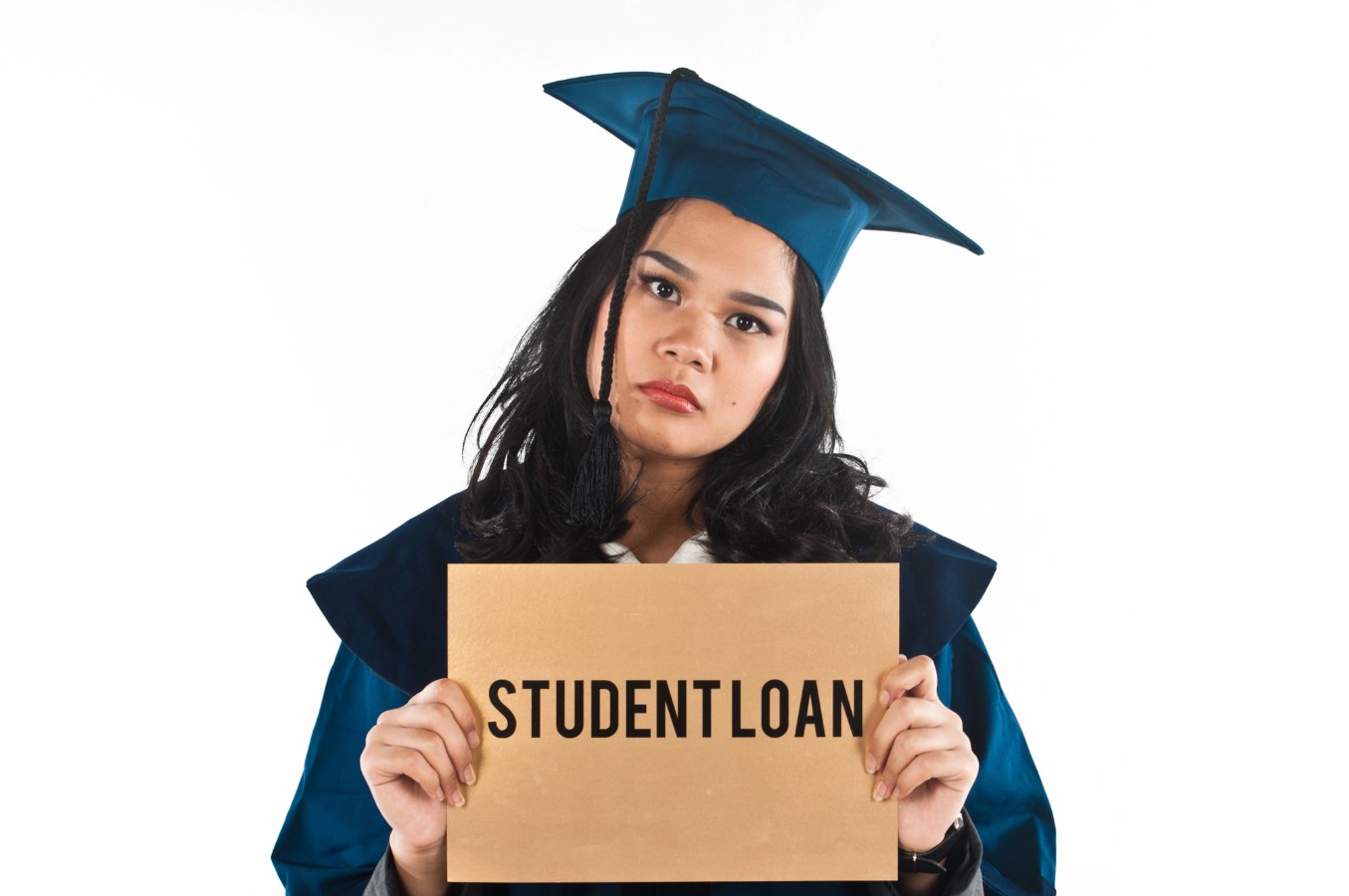
Historically, student loan defaults are most common among borrowers with small balances who never completed a degree. Without the earnings boost of a credential, these borrowers are less able to repay their loans and more likely to suffer long-term financial harm from aggressive collection tactics.
A Political Tension Inside Trump’s Affordability Message
The pause complicates the administration’s broader promise to make life more affordable for Americans ahead of the midterm elections.
While Republicans have long criticized student loan relief as unfair to taxpayers, restarting garnishments during an affordability crisis risked undercutting Trump’s economic messaging.
Critics Call the Pause a Costly Giveaway
Fiscal hawks argue the suspension comes at a steep price. Budget watchdogs estimate the government could lose up to $5 billion per year in collections, warning that repeated delays since 2020 have fostered expectations that student loans may never be fully enforced.
Education Department Signals a Policy Shift
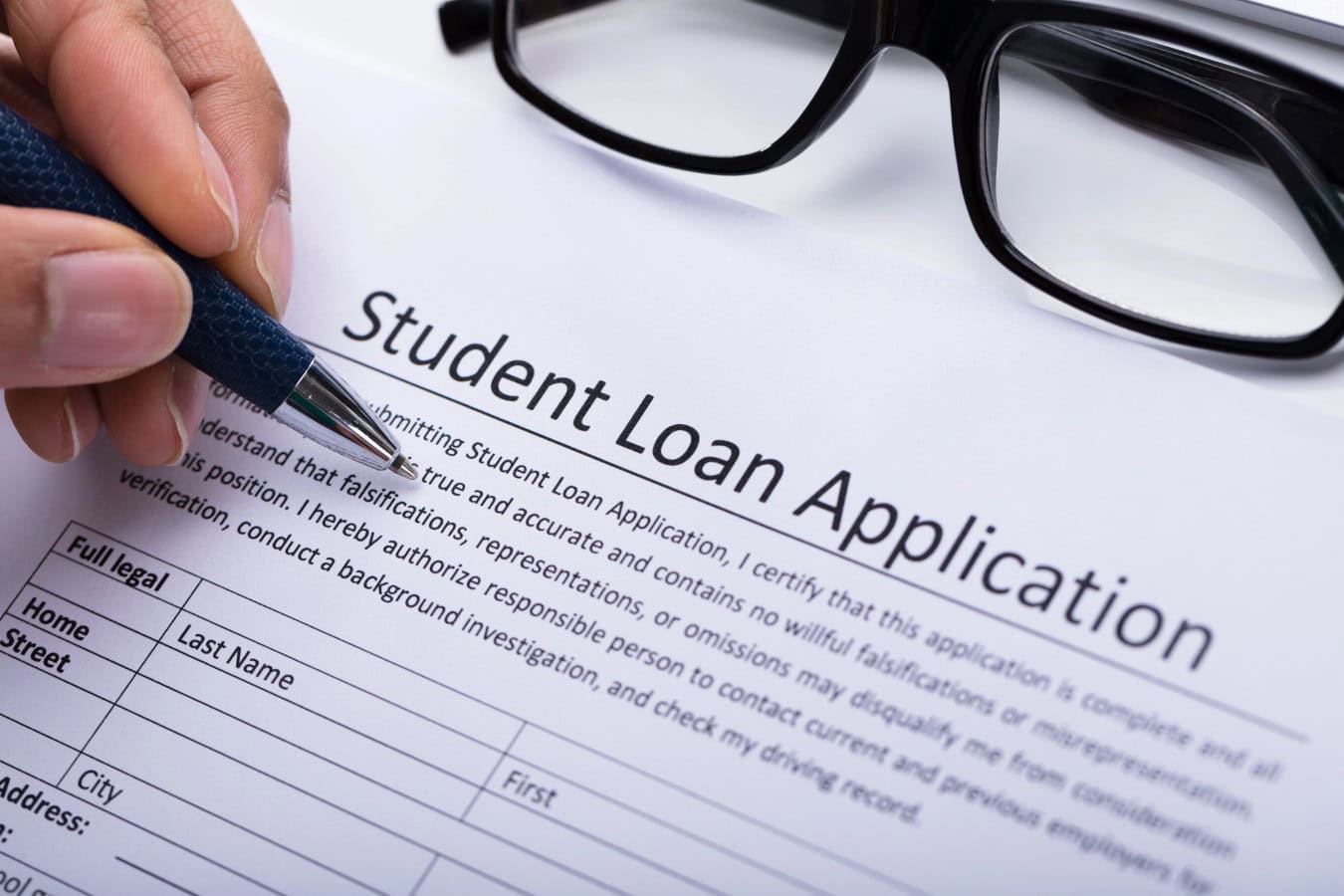
Just months ago, officials warned the student loan portfolio was headed toward a “fiscal cliff” without resumed collections. Education Secretary Linda McMahon had pledged to restart enforcement for the sake of borrowers’ financial health and the nation’s balance sheet, making the abrupt pause a notable change in tone.
Relief Comes With Strings Still Attached

Even with collections suspended, interest will continue to accrue on defaulted loans, and defaults will still be reported to credit bureaus. Borrowers remain encouraged to explore rehabilitation or new repayment plans as the administration rolls out reforms.
What Comes Next for Student Loan Repayment

The administration says the pause will allow time to implement new repayment options and simplify paths out of default under Trump’s tax law. Whether involuntary collections return; and in what form, will likely depend on how quickly those reforms take shape and how the political debate over student debt evolves.
Like Financial Freedom Countdown content? Be sure to follow us!
$774 Billion on Hand: Treasury Braces for Tariff Refunds as Supreme Court Weighs Trump’s Powers
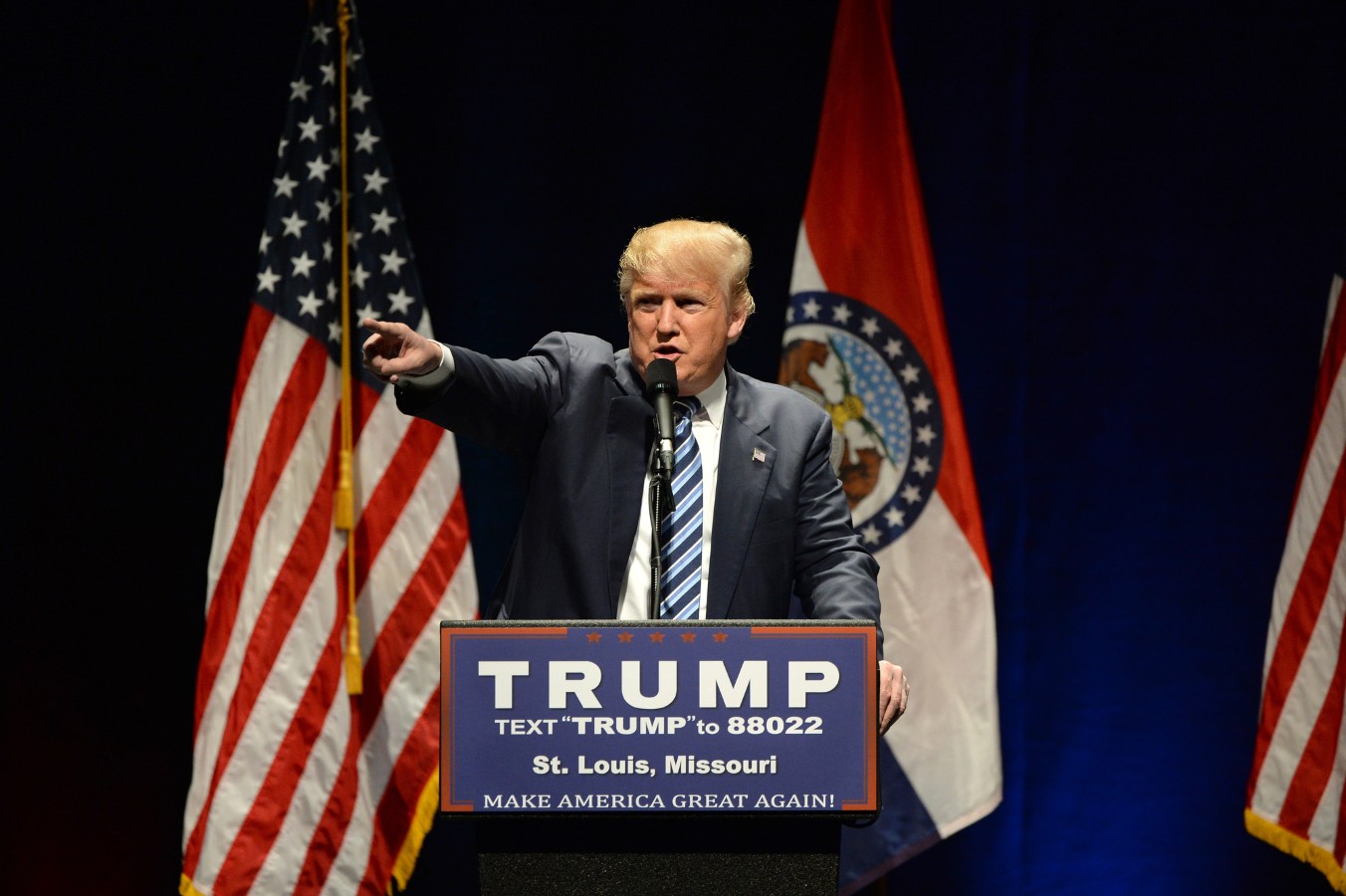
U.S. Treasury Secretary Scott Bessent said the federal government has more than enough cash to cover any tariff refunds if the Supreme Court rules against President Donald Trump’s emergency tariffs. With roughly $774 billion on hand, Bessent stressed that refunds would not pose a liquidity problem, even if payouts stretch over months or more than a year.
$774 Billion on Hand: Treasury Braces for Tariff Refunds as Supreme Court Weighs Trump’s Powers
Warren Says Congress Could Team Up With Trump on Credit Card Rate Cap After Surprise Phone Call

Sen. Elizabeth Warren and President Donald Trump rarely find common ground, but a surprise phone call following a sharp speech on affordability has opened the door to a potential bipartisan fight over credit card interest rates; and possibly housing costs as well. Trump has proposed a temporary 10% cap on credit card interest rates, an idea Warren has championed for years. While the politics are complicated and industry opposition is fierce, both sides now say a conversation has begun.
Warren Says Congress Could Team Up With Trump on Credit Card Rate Cap After Surprise Phone Call

Did you find this article helpful? We’d love to hear your thoughts! Leave a comment with the box on the left-hand side of the screen and share your thoughts.
Also, do you want to stay up-to-date on our latest content?
1. Follow us by clicking the [+ Follow] button above,
2. Give the article a Thumbs Up on the top-left side of the screen.
3. And lastly, if you think this information would benefit your friends and family, don’t hesitate to share it with them!

John Dealbreuin came from a third world country to the US with only $1,000 not knowing anyone; guided by an immigrant dream. In 12 years, he achieved his retirement number.
He started Financial Freedom Countdown to help everyone think differently about their financial challenges and live their best lives. John resides in the San Francisco Bay Area enjoying nature trails and weight training.
Here are his recommended tools
Personal Capital: This is a free tool John uses to track his net worth on a regular basis and as a retirement planner. It also alerts him wrt hidden fees and has a budget tracker included.
Platforms like Yieldstreet provide investment options in art, legal, real estate, structured notes, venture capital, etc. They also have fixed-income portfolios spread across multiple asset classes with a single investment with low minimums of $10,000.