
California Spent $450 Million on a New 911 System and Then Scrapped It

California set out to modernize its emergency response system and instead delivered another costly lesson in government tech failure. After spending roughly $450 million, the state has scrapped its ambitious Next Generation 911 project; leaving Californians reliant on decades-old infrastructure and critics demanding answers.
A Half-Billion-Dollar Upgrade That Never Launched
The Next Generation 911 project was supposed to replace California’s aging, 1970s-era emergency call system with modern technology capable of handling texts, images, video, and precise location data. Instead, after six years of development and massive spending, the system was deemed unworkable and abandoned before full deployment.
The Risky Regional Design No Other State Tried

California opted for an unprecedented regionalized model, dividing the state into four sectors plus a statewide “prime” backup provider. The idea was to prevent a single point of failure. In practice, it created operational complexity, vendor interdependence, and new risks that ultimately undermined the system.
$450 Million Spent; and Now the State Is Starting Over

Between 2019 and 2025, four technology vendors were paid more than $450 million to build out the regional system. This year, Cal OES halted the rollout, scrapped the design, and announced plans to pivot back to a more conventional statewide approach; at an additional cost likely running into hundreds of millions more.
Only 23 Dispatch Centers Made the Cut

Out of roughly 450 emergency dispatch centers statewide, just 23 ever transitioned to the new system. Reports of lost and misrouted calls, including a 12-hour outage in one rural county, triggered alarms and ultimately froze further deployment.
Transparency Concerns Fuel First Responder Backlash
The California Fire Chiefs Association says its confidence in Cal OES has eroded. Leaders complain they were not meaningfully consulted and that major decisions were made behind closed doors. “We just don’t have faith in the process,” said CFCA executive director Jeff Meston.
Lawmakers Demand Answers as Costs Keep Climbing

Even Democratic lawmakers have pushed back. State Sen. Laura Richardson publicly rebuked Cal OES over missed deadlines and ballooning costs, warning that taxpayers cannot be expected to “pay and pay and pay” without clear timelines and budget discipline.
Vendors Say the State Pulled the Plug Too Soon

Several contractors argue the project could have been salvaged. Executives from Synergem Technologies and NGA 911 say the state abandoned the system instead of fixing known issues, effectively discarding years of work and institutional knowledge.
Californians Still Rely on 1970s-Era Technology

While officials insist the legacy system still functions, experts warn it is literally falling apart. Replacement parts are scarce, skilled technicians are disappearing, and the system lacks the capabilities needed for modern emergencies; especially during wildfires, earthquakes, and mass events.
Echoes of High-Speed Rail and FI$Cal
The 911 fiasco is drawing comparisons to California’s high-speed rail project and the long-troubled FI$Cal financial system; both defined by delays, cost overruns, and unmet promises. Critics see a pattern of reinventing the wheel instead of adopting proven solutions.
A New Plan With Few Details and a 2030 Target

Cal OES now says it hopes to fully replace the legacy system by 2030. A recent transition report, however, offered few benchmarks, timelines, or cost estimates, frustrating advisory board members who called it a vague document “with a lot of zeros at the end.”
Newsom’s Early Promise, Still Unfulfilled
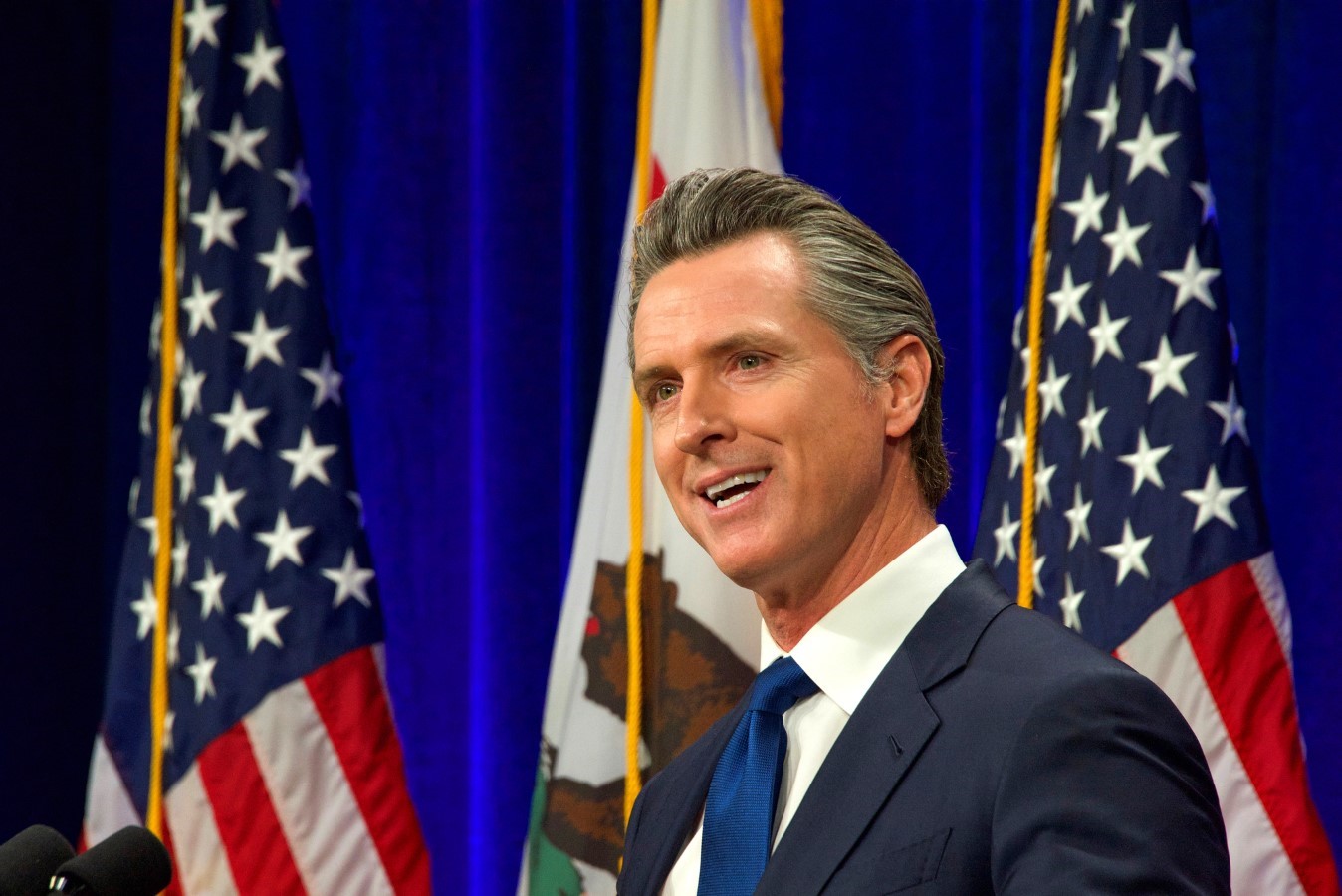
Gov. Gavin Newsom once called California’s antiquated 911 system “astounding” and pledged swift modernization. Six years and $450 million later, that promise remains unmet; and Californians are still waiting for a 21st-century emergency system.
911 Still Broken Raising Alarms Over Transparency and Competence

Beyond wasted taxpayer dollars, critics warn the true cost is public safety. Every year of delay leaves millions of residents dependent on fragile infrastructure during fires, floods, earthquakes, and daily emergencies; raising a sobering question about what happens if the system fails when it’s needed most.
Like Financial Freedom Countdown content? Be sure to follow us!
Seniors Receiving Their COLA Notices This Week Are Shocked As the 2.8% Raise Already ‘Wiped Out’ by Rising Costs

Most older Americans say the much-anticipated 2.8% Social Security cost-of-living adjustment for 2026 is already falling short. As COLA letters land in mailboxes this week, a striking 77% of Americans age 50 and over tell AARP the increase doesn’t come close to matching real inflation; and experts warn that rising Medicare premiums could wipe out what little boost retirees are getting.
Trump Accounts Just Got a $6.25 Billion Boost And Here’s How Kids Could Become Millionaires

President Trump’s signature “One Big Beautiful Bill” created tax-advantaged “Trump Accounts” to give American children an investment-powered jumpstart in life. The program just expanded dramatically after Michael and Susan Dell announced a $6.25 billion donation; a contribution large enough to fund $250 deposits for 25 million children across the country.
Trump Accounts Just Got a $6.25 Billion Boost And Here’s How Kids Could Become Millionaires
Democrats Push Major Social Security Boost for Widows; Even as Insolvency Deadline Nears

A new proposal in Congress aims to substantially increase Social Security survivor benefits for widowed individuals and surviving divorced spouses. The plan arrives as roughly 5.8 million Americans rely on survivor benefits nationwide; nearly 4 million of them widowed and many struggle under rules that reduce payouts for younger survivors or those with disabilities.
Democrats Push Major Social Security Boost for Widows; Even as Insolvency Deadline Nears
Elizabeth Warren Pushes $200 Monthly Social Security Boost as Seniors Say They’re ‘Falling Behind’

As inflation continues to strain fixed incomes, Senate Democrats have introduced a proposal to temporarily boost Social Security and veterans’ benefits by $200 per month. The plan; framed as an emergency measure, would run for six months starting in early 2026, giving retirees some extra room to manage escalating costs for groceries, medical care, utilities, and housing.
Elizabeth Warren Pushes $200 Monthly Social Security Boost as Seniors Say They’re ‘Falling Behind’

Did you find this article helpful? We’d love to hear your thoughts! Leave a comment with the box on the left-hand side of the screen and share your thoughts.
Also, do you want to stay up-to-date on our latest content?
1. Follow us by clicking the [+ Follow] button above,
2. Give the article a Thumbs Up on the top-left side of the screen.
3. And lastly, if you think this information would benefit your friends and family, don’t hesitate to share it with them!

John Dealbreuin came from a third world country to the US with only $1,000 not knowing anyone; guided by an immigrant dream. In 12 years, he achieved his retirement number.
He started Financial Freedom Countdown to help everyone think differently about their financial challenges and live their best lives. John resides in the San Francisco Bay Area enjoying nature trails and weight training.
Here are his recommended tools
Personal Capital: This is a free tool John uses to track his net worth on a regular basis and as a retirement planner. It also alerts him wrt hidden fees and has a budget tracker included.
Platforms like Yieldstreet provide investment options in art, legal, real estate, structured notes, venture capital, etc. They also have fixed-income portfolios spread across multiple asset classes with a single investment with low minimums of $10,000.