California’s Wealth Tax Showdown: Why Billionaires Are Plotting to Leave the State
California is staring down a political showdown that could reshape its economic future. A proposed “super wealth tax” aimed squarely at the state’s richest residents has sparked alarm among billionaires, ignited fierce debate in Sacramento, and triggered quiet contingency plans among Silicon Valley’s elite. From tech titans to hedge fund heavyweights, some of America’s wealthiest individuals are weighing whether it’s time to leave the Golden State behind.
A Wealth Tax That Has Billionaires on Edge

At the center of the storm is a ballot initiative backed by the Service Employees International Union–United Healthcare Workers West. The proposal would impose a 5 percent annual tax on every dollar of wealth above $1 billion held by California residents. If it qualifies for the ballot, wins voter approval, and takes effect, it would apply to anyone living in California as of January 1, 2026.
Supporters argue it’s a long-overdue correction in a state grappling with inequality and strained public services. Critics warn it could trigger a historic flight of capital; and people.
Silicon Valley Heavyweights Eye the Exit

Some of the most recognizable names in tech are reportedly preparing for that possibility. According to reporting by The New York Times, venture capitalist Peter Thiel and Google co-founder Larry Page have discussed reducing or severing their ties to California. Companies associated with Page have already filed incorporation documents in Florida, fueling speculation that relocation plans are more than theoretical.
Tech investor Chamath Palihapitiya has publicly acknowledged giving “serious consideration” to moving to Texas if the measure passes, warning that California risks losing entrepreneurs who can easily build companies elsewhere.
Why the Tax Bills Are So Staggering
The numbers attached to the proposal are eye-popping. Californians with $20 billion or more in assets would owe a one-time tax of $1 billion, payable over five years. Under current estimates, Larry Page, worth roughly $258 billion; could face a one-time bill exceeding $25 billion. Peter Thiel, with an estimated net worth of $27.5 billion, might owe more than $1 billion.
For critics, these figures explain why billionaires are scrambling. For supporters, they underscore how much revenue could be unlocked from a tiny slice of the population.
Florida and Texas: The New Billionaire Magnets

As talk of a wealth tax grows louder, so does interest in low- or no-tax states. Miami real estate agents report inquiries from California billionaires exploring moves to Florida to “offset their risk of exposure.” Texas, long a destination for tech relocations, is also emerging as a favored backup plan.
The Union’s Argument: Fixing a Broken System

Proponents of the tax say the backlash proves exactly why it’s needed. Union leaders argue that while healthcare executives collect multimillion-dollar paychecks, patients delay care and frontline workers struggle to make ends meet.
The measure would also cap pay for executives, administrators, and managers at hospitals and medical groups; both nonprofit and for-profit, at $450,000 per year. Any excess would be redirected toward patient care, safer staffing, and expanded access, a move supporters say would rebalance priorities in California’s healthcare system.
How Much Money Could the Tax Really Raise?
Estimates vary wildly. The union claims the tax could generate up to $100 million annually from roughly 200 billionaires. California’s Legislative Analyst’s Office and Department of Finance, however, project “tens of billions of dollars” in one-time payments, alongside significant ongoing revenue.
That money could help offset looming federal budget cuts; but only if the wealthy don’t leave en masse.
Newsom Pushes Back

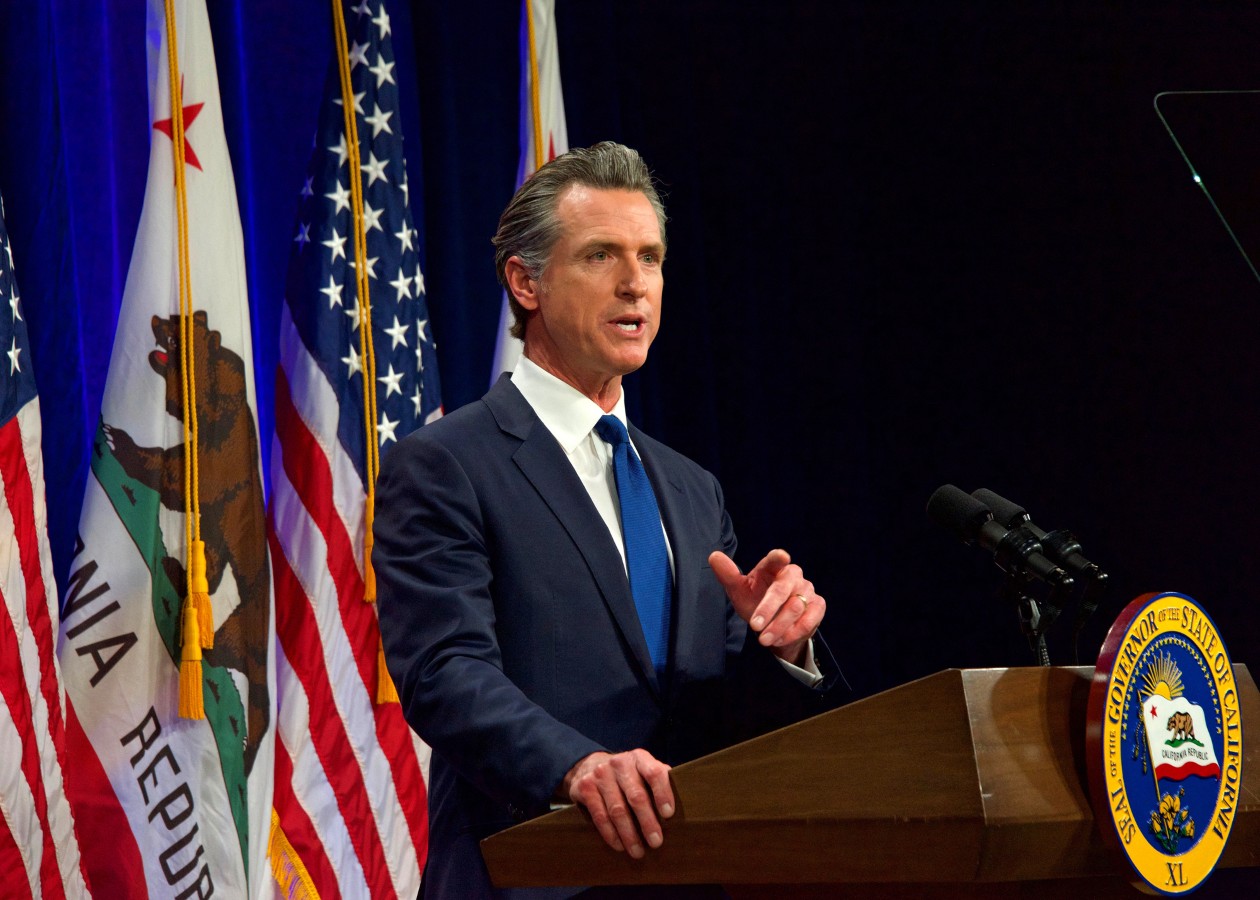
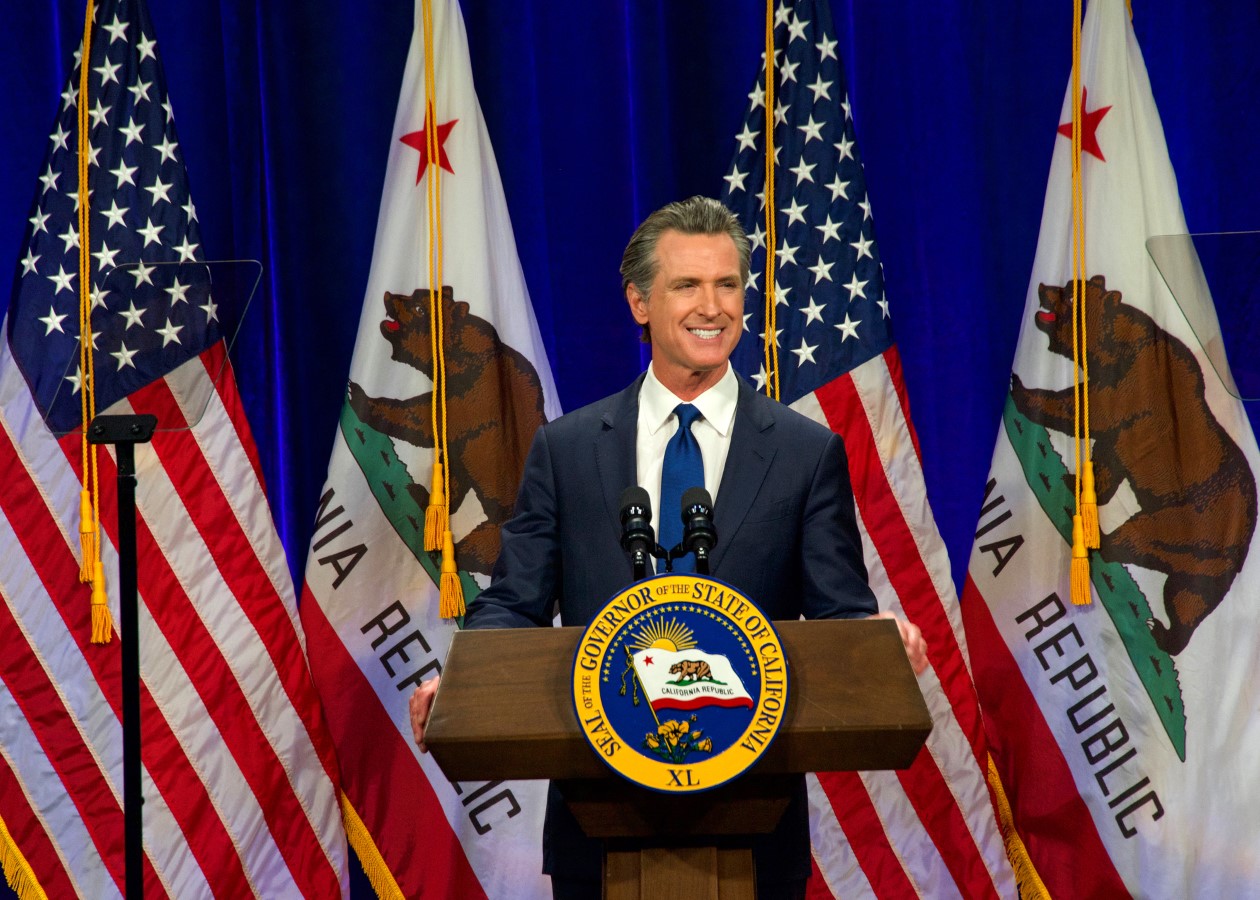
Governor Gavin Newsom has been blunt in his opposition, calling state-level wealth taxes “not pragmatic” and warning they incentivize relocation. He has even raised funds for a committee dedicated to defeating the measure, which has already attracted donations from prominent venture capitalists.
The Department of Finance has echoed those concerns, cautioning that California could lose hundreds of millions annually in income tax revenue if its wealthiest residents decamp.
Bill Ackman’s Warning: ‘A Path to Self-Destruction’

Hedge fund billionaire Bill Ackman has gone further, publicly blasting California’s leadership and tax policy. In a widely shared post, he warned the state is “on a path to self-destruction,” arguing that Hollywood has already declined and Silicon Valley could be next if entrepreneurs feel unwelcome.
Ackman’s comments reflect a broader fear among investors: that aggressive taxation could hollow out the very ecosystem that made California an economic powerhouse.
What California Risks If Billionaires Leave

California’s tax system already relies heavily on its wealthiest residents. The top 1 percent of earners contribute roughly 40 percent of the state’s personal income tax revenue, according to state data, with billionaires paying outsized sums that help fund schools, healthcare, infrastructure, and social services.
State finance officials have warned that if even a small number of ultra-wealthy taxpayers relocate, California could lose hundreds of millions of dollars annually in income tax revenue.
Critics argue that while the wealth tax could generate significant one-time payments, the permanent loss of top earners could increase budget volatility and weaken the state’s long-term fiscal position.
Can Billionaires Really Leave California?

Despite the rhetoric, advisers caution that leaving California is neither simple nor quick. The state is known for aggressive residency audits, examining factors such as primary residence, voter registration, driver’s licenses, and the location of family members, investments, and bank accounts.
Successfully claiming non-residency often requires years of careful planning, and mistakes can result in costly legal battles.
What Happens Next
The wealth tax proposal must still clear several hurdles, including gathering enough signatures to qualify for the ballot. If it does, voters will ultimately decide whether California should pursue one of the most aggressive wealth taxes in the country based on assets.
Newsom’s Presidential ambitions could also play a role in backing or opposing the tax.
The outcome could reshape not only the state’s budget, but also its relationship with the ultra-wealthy residents who have long helped keep it financially afloat.
Like Financial Freedom Countdown content? Be sure to follow us!
Social Security Crisis: New Plan Could Tax High Earners to Prevent 21% Benefit Cut

The United States is facing a fiscal double-whammy: a ballooning federal budget deficit and a Social Security trust fund racing toward depletion. With the Congressional Budget Office (CBO) releasing new numbers on potential fixes, one option is gaining significant attention: uncapping the Social Security payroll tax.
Social Security Crisis: New Plan Could Tax High Earners to Prevent 21% Benefit Cut
Remember These Christmas Movie Houses? Their Prices Today Will Shock You

Christmas movies are timeless favorites. From Home Alone to Miracle on 34th Street, these beloved films feature now-iconic homes where families gather and holiday magic unfolds. We’ve all imagined living in these houses; but could the average American afford to buy one today?
Remember These Christmas Movie Houses? Their Prices Today Will Shock You
New Social Security CBO Proposal Would Cut Benefits for Top 50% of Retirees

The Congressional Budget Office (CBO) has released a controversial new budget option that aims to shore up the federal government’s finances by targeting the retirement checks of high-income Americans. With the federal deficit hitting a staggering $1.8 trillion in Fiscal Year 2025 and the Social Security insolvency clock ticking down to 2033, this proposal offers a stark look at one potential “fix”: changing the math to pay the wealthy less.
New Social Security CBO Proposal Would Cut Benefits for Top 50% of Retirees

Did you find this article helpful? We’d love to hear your thoughts! Leave a comment with the box on the left-hand side of the screen and share your thoughts.
Also, do you want to stay up-to-date on our latest content?
1. Follow us by clicking the [+ Follow] button above,
2. Give the article a Thumbs Up on the top-left side of the screen.
3. And lastly, if you think this information would benefit your friends and family, don’t hesitate to share it with them!

John Dealbreuin came from a third world country to the US with only $1,000 not knowing anyone; guided by an immigrant dream. In 12 years, he achieved his retirement number.
He started Financial Freedom Countdown to help everyone think differently about their financial challenges and live their best lives. John resides in the San Francisco Bay Area enjoying nature trails and weight training.
Here are his recommended tools
Personal Capital: This is a free tool John uses to track his net worth on a regular basis and as a retirement planner. It also alerts him wrt hidden fees and has a budget tracker included.
Platforms like Yieldstreet provide investment options in art, legal, real estate, structured notes, venture capital, etc. They also have fixed-income portfolios spread across multiple asset classes with a single investment with low minimums of $10,000.