Federal Deficit Declines in 2025 Even as U.S. Debt Surges Past $38 Trillion

President Donald Trump’s first year back in the White House ended with the U.S. national debt climbing by roughly $2.25 trillion, highlighting the rapid pace at which federal borrowing continues to grow despite pledges to rein in deficits. The surge underscores mounting concerns from fiscal watchdogs, economists, and financial markets that the nation’s debt trajectory is becoming increasingly unsustainable, with rising interest costs and new spending commitments threatening to deepen long-term fiscal challenges.
Debt Growth Accelerates to Historic Levels
The U.S. national debt reached approximately $38.4 trillion as of early January 2026, reflecting one of the fastest expansions of government borrowing outside major crisis periods. According to calculations shared by the Peter G. Peterson Foundation, the debt grew by roughly $2.25 trillion between mid-January 2025 and mid-January 2026, roughly capturing Trump’s first year of his second term.
Over the full 2025 calendar year, the national debt grew even faster, increasing by approximately $2.29 trillion. That surge equates to about $71,884 added to the debt every second over the past year, according to figures from U.S. Congress Joint Economic Committee Daily Debt Monitor.
Deficit Shrinks Slightly but Remains Massive
Despite the rapid rise in total debt, the federal deficit showed modest improvement during fiscal year 2025. The Treasury reported a deficit of approximately $1.78 trillion for the fiscal year ending in September 2025, down slightly from $1.82 trillion in fiscal year 2024.
While the decline signals some progress in deficit reduction, economists caution that the improvement is relatively small compared to the overall size of federal spending and borrowing.
Structural deficits; persistent gaps between government revenue and expenditures; continue to push debt levels higher even during periods of economic expansion.
Debt Growth Compared Across Recent Presidencies
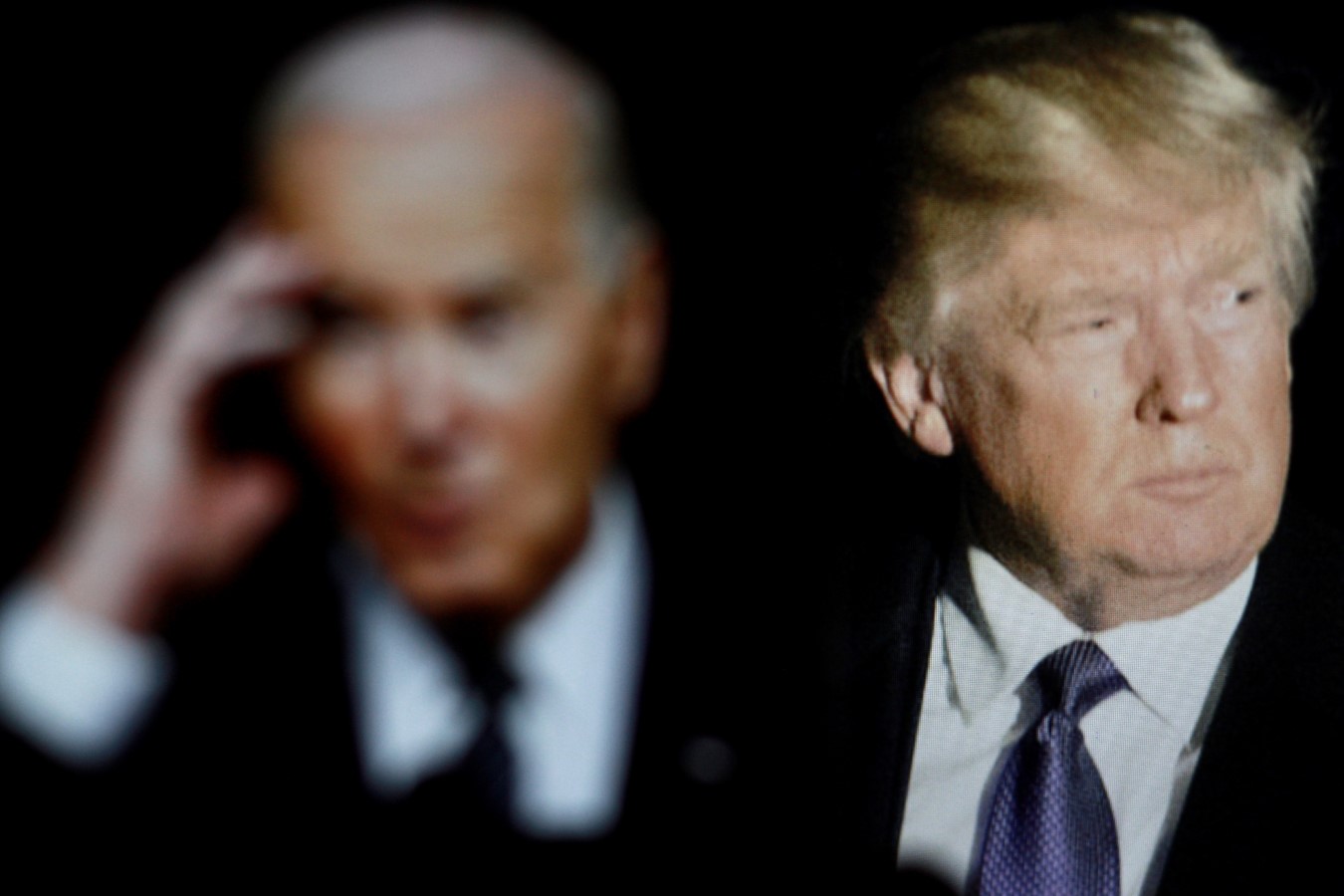
Recent data show that the largest increases in national debt over the past quarter century have largely occurred during the presidencies of Donald Trump and Joe Biden.
Biden recorded the highest non-pandemic year of debt growth in 2023, when borrowing rose by nearly $2.6 trillion.
Trump still holds the overall record for debt expansion, with approximately $4.6 trillion added in 2020 during the pandemic. Together, Trump and Biden account for the five highest debt-growth years in recent history, reflecting the growing reliance on federal spending during economic crises and recovery periods.
Interest Costs Become One of Government’s Fastest-Growing Expenses
The rising debt burden is driving a sharp increase in federal interest payments. Net interest costs reached approximately $970 billion in fiscal year 2025, but total interest-related spending exceeded $1 trillion for the first time when broader debt servicing costs were included, according to the Congressional Budget Office.
The Committee for a Responsible Federal Budget projects that annual interest payments will remain at or above $1 trillion going forward. Analysts warn that as debt and interest rates remain elevated, interest costs could crowd out funding for other government priorities such as defense, infrastructure, and social programs.
Tariffs Boost Revenue but Fall Short of Closing Fiscal Gaps

Trump has repeatedly argued that aggressive tariffs on imports could help reduce the national debt by generating new government revenue. Treasury data show tariffs now produce an estimated $300 billion to $400 billion annually, a significant increase compared to historical levels.
However, economists note that tariff revenues still cover only a fraction of federal interest costs and total government spending. The Congressional Budget Office also estimated that as the administration scaled back certain tariff measures, approximately $800 billion in projected deficit reduction was lost.
Proposed Tariff Dividend Raises New Fiscal Questions

The administration has also floated plans to distribute tariff revenue directly to Americans through a proposed $2,000 annual “dividend” payment. Independent analysts estimate the program could cost roughly $600 billion per year if fully implemented.
Budget experts warn that unless the dividend is offset by spending cuts or new revenue sources, it could widen federal deficits further. The combination of increased borrowing, new permanent spending programs, and elevated interest costs raises concerns that structural deficits could persist for decades.
Financial Markets Signal Growing Concern

Global financial markets are increasingly focused on America’s fiscal outlook. As the Treasury issues hundreds of billions of dollars in new debt securities each week, long-term bond yields have risen, reflecting investor concern about the scale of government borrowing and broader economic risks.
Some analysts, including researchers at Deutsche Bank, have described the growing U.S. debt load as a potential “Achilles’ heel” for the economy. They warn that geopolitical tensions, trade conflicts, or economic downturns could amplify financial vulnerabilities tied to federal borrowing levels.
National Debt Now Matches the Size of the U.S. Economy
Fiscal watchdogs warn the United States has reached a critical milestone, with national debt now roughly equal to 100% of gross domestic product. According to the Committee for a Responsible Federal Budget, debt growing faster than economic output significantly increases the risk of future fiscal crises.
The watchdog group cautions that without a comprehensive deficit reduction strategy, the country could face multiple types of economic disruptions. These could range from financial market instability and inflation to currency depreciation or prolonged economic stagnation.
Six Crisis Scenarios Highlight Potential Economic Risks
The Committee for a Responsible Federal Budget outlined six potential crisis scenarios linked to unchecked debt growth. These include financial crises triggered by investor panic, inflation crises caused by monetary expansion, currency crises weakening the U.S. dollar, and default scenarios involving missed debt payments.
The group also warned about austerity crises in which policymakers would be forced to enact severe spending cuts or tax increases during economic downturns. A final scenario, known as a gradual crisis, would involve long-term economic stagnation caused by debt crowding out private investment and slowing productivity growth.
Rising Debt Limits Government Flexibility During Emergencies
High debt levels could reduce the federal government’s ability to respond to future emergencies such as recessions, wars, or pandemics.
Interest costs already consume roughly 18% of federal revenue; an amount comparable to Medicare spending; leaving less fiscal space for emergency programs or economic stimulus.
Experts warn that weaker fiscal flexibility increases the risk that economic shocks could trigger sudden and severe policy responses, potentially worsening downturns or prolonging recoveries.
Voters Increasingly Focused on the National Debt

Public concern about federal borrowing remains widespread. Roughly 82% of voters consider the national debt an important national issue, though Americans remain divided on how to address it.
Trump originally campaigned on promises to eliminate the national debt over time, but the total debt has continued to rise to record levels following his return to office. As Washington prepares for future budget battles, policymakers face growing pressure to balance economic growth priorities with long-term fiscal sustainability.
Like Financial Freedom Countdown content? Be sure to follow us!
‘Too Big to Save’: Big Short Investor Michael Burry Issues Dire Warning on AI Mania

Michael Burry, the investor made famous by The Big Short, is sounding one of his starkest alarms yet; this time on artificial intelligence. Burry says the AI boom has all the hallmarks of a historic bubble and warns that when it bursts, the damage could ripple through markets and the broader economy in ways policymakers won’t be able to stop.
‘Too Big to Save’: Big Short Investor Michael Burry Issues Dire Warning on AI Mania
Trump Hints at Letting Homeowners Write Off Their Houses to Level the Playing Field With Corporations

President Trump is teasing a potentially sweeping change to the tax code that could affect millions of American homeowners: allowing depreciation deductions on primary residences. The idea, floated during a high-profile appearance in Davos, comes as housing costs dominate voter concerns ahead of the November midterm elections and as the White House rolls out a broader slate of unconventional housing policies.
Your Child Could Get $1,000 With a New Trump Account and Major U.S. Employers Pledge to Match It

JPMorgan Chase, Intel, Nvidia, IBM, Bank of America and Wells Fargo are among a growing list of major corporations pledging to match a new $1,000 government contribution to children’s investment accounts under President Donald Trump’s flagship “Trump Accounts” initiative. The announcements mark a significant expansion of private-sector participation in a program the administration says could eventually channel trillions of dollars into long-term savings for young Americans.
Your Child Could Get $1,000 With a New Trump Account and Major U.S. Employers Pledge to Match It

Did you find this article helpful? We’d love to hear your thoughts! Leave a comment with the box on the left-hand side of the screen and share your thoughts.
Also, do you want to stay up-to-date on our latest content?
1. Follow us by clicking the [+ Follow] button above,
2. Give the article a Thumbs Up on the top-left side of the screen.
3. And lastly, if you think this information would benefit your friends and family, don’t hesitate to share it with them!

John Dealbreuin came from a third world country to the US with only $1,000 not knowing anyone; guided by an immigrant dream. In 12 years, he achieved his retirement number.
He started Financial Freedom Countdown to help everyone think differently about their financial challenges and live their best lives. John resides in the San Francisco Bay Area enjoying nature trails and weight training.
Here are his recommended tools
Personal Capital: This is a free tool John uses to track his net worth on a regular basis and as a retirement planner. It also alerts him wrt hidden fees and has a budget tracker included.
Platforms like Yieldstreet provide investment options in art, legal, real estate, structured notes, venture capital, etc. They also have fixed-income portfolios spread across multiple asset classes with a single investment with low minimums of $10,000.