New York City mayor Mamdani eyes 9.5% property tax hike that could affect middle-class residents
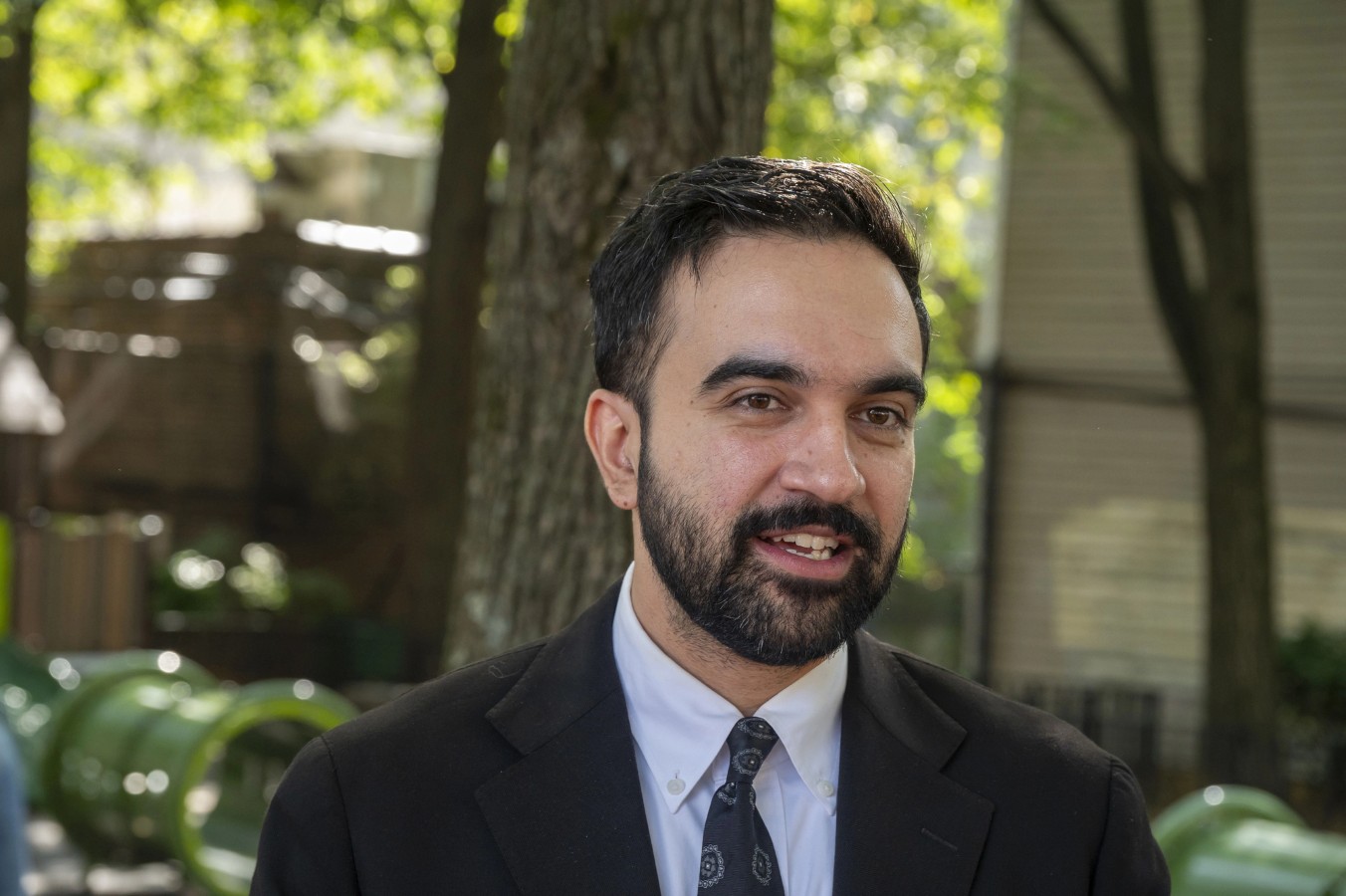
Zohran Mamdani unveiled a $127 billion preliminary budget for New York City, aiming to address a projected $5.4 billion shortfall over the next two fiscal years. The fiscal plan, which begins in July, outlines the administration’s approach to balancing the budget amid rising costs and political constraints.
The mayor’s proposal reflects a mix of revenue increases, reserve drawdowns, and anticipated savings, as his administration navigates both economic pressures and resistance from state leaders.
Property tax hike emerges as key budget lever
At the center of the proposal is a 9.5% increase in property taxes; a move the city can enact without state approval. The increase is expected to generate billions in additional revenue and would impact more than 3 million residential units and over 100,000 commercial buildings.
The city has not raised property taxes significantly in decades, making the proposal one of the most consequential fiscal decisions in recent years.
Mayor calls tax hike a last resort
Mamdani emphasized that raising property taxes is not his preferred option, describing it as a fallback if other revenue measures fail.
“This is something that we do not want to do,” he told reporters of his property tax proposal, “and this is something that we are going to utilize every single option to ensure it does not come to pass.”
He reiterated the sentiment at a press conference, calling the move “painful” and “a tool of very last resort.”
Critics pointed to the lack of proposals related to spending cuts for balancing the budget.
Push to tax wealthy depends on Albany approval

Instead, Mamdani is pushing to increase taxes on millionaires and corporations; a cornerstone of his political platform. However, those changes require approval from state lawmakers and the governor.
“There are two paths that we can walk: One that offers long-term stability and a second one with significant pain that we deeply hope to avoid,” Mamdani told reporters at City Hall.
Hochul rejects both property and wealth tax increases
Governor Hochul has expressed skepticism toward both proposals, complicating the mayor’s strategy. Speaking at a press conference in Manhattan, she dismissed the need for a property tax increase.
“I’m not supportive of a property tax increase,” she said. “I don’t know that that’s necessary, but let’s find out what is really necessary to close that gap.”
Hochul has also been lukewarm on raising taxes on high earners, especially as she faces reelection.
City council opposition adds another hurdle

Even without state approval, Mamdani must secure backing from the City Council to enact a property tax increase. That support is far from guaranteed.
Julie Menin joined critics in opposing the plan, warning of its impact on affordability.
“At a time when New Yorkers are already grappling with an affordability crisis, dipping into rainy day reserves and proposing significant property tax increases should not be on the table whatsoever,” she said in a joint statement with finance committee leadership.
To help close the gap, the mayor’s plan includes drawing down approximately $1.2 billion from the city’s rainy day fund and retiree health care reserves.
In addition, Mamdani expects about $1 billion in agency savings next fiscal year, roughly 2.5% of total spending, though details of those cuts are still forthcoming.
Critics warn of regressive impacts on homeowners and renters

Opponents argue the property tax increase would disproportionately affect middle- and working-class residents. Because landlords often pass costs onto tenants, renters could also feel indirect impacts through higher housing costs.
Analysts note that New York’s property tax system already creates disparities, with multifamily buildings often taxed at higher effective rates than single-family homes of similar value.
Business groups and lawmakers push back

Industry groups and lawmakers have sharply criticized the proposal. Property owners argue the increase would unfairly burden small landlords and discourage investment.
“Owners of small rental properties are sick and tired of being treated like ATM machines every time the city needs to balance the budget,” said Ann Korchak of the Small Property Owners of New York.
Republican lawmakers also warned the move could make housing less affordable and homeownership harder to attain.
Historical context highlights rarity of tax hikes
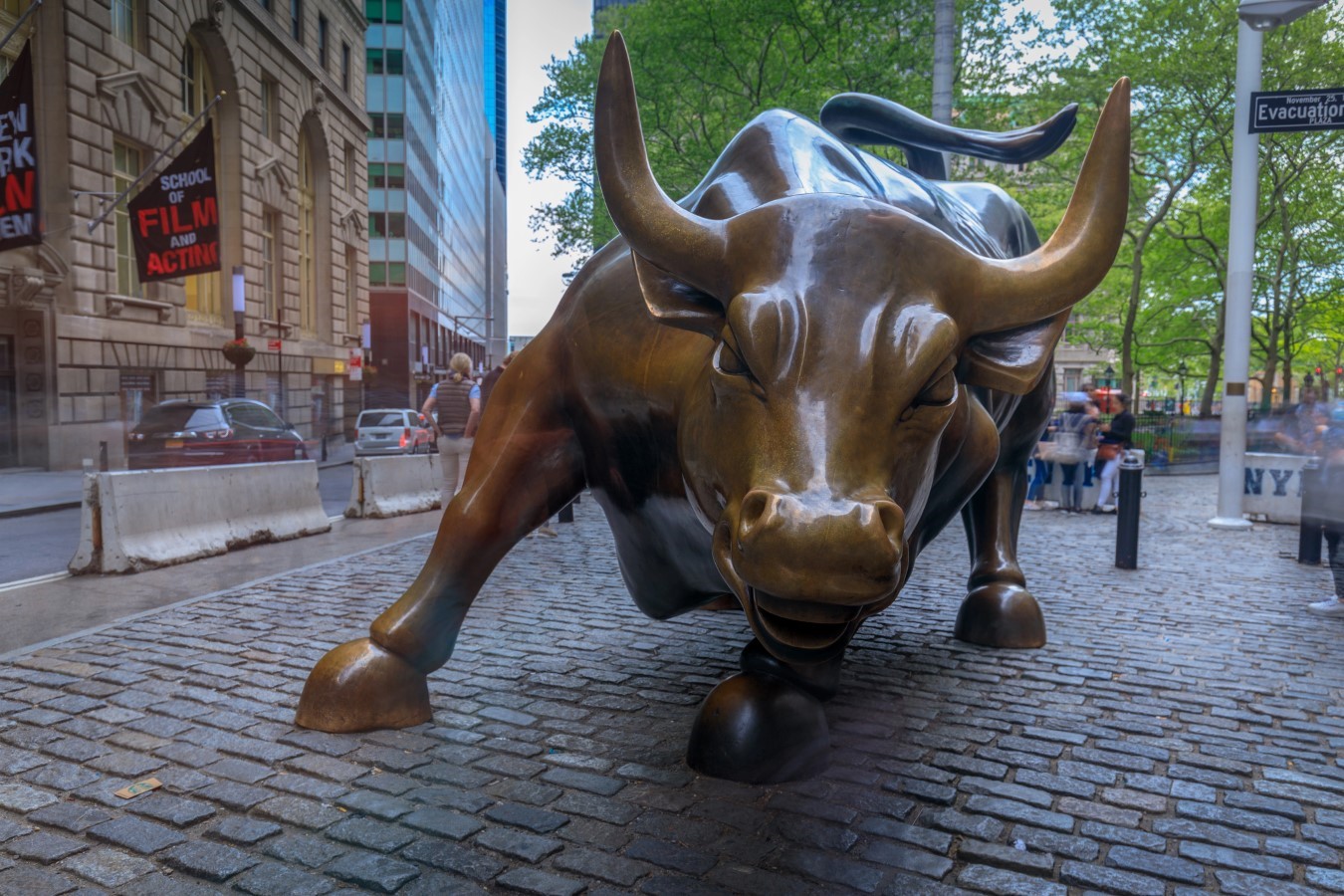
The last major property tax increase occurred in 2003 under Michael Bloomberg, when rates were raised by 18.5% to close a multibillion-dollar deficit.
That historical precedent underscores how unusual; and politically sensitive such a move would be today.
Political tensions rise between city and state

Mamdani’s strategy of using a potential property tax hike as leverage puts pressure on Albany while risking backlash at home.
By continuing to advocate for higher taxes on the wealthy, he keeps pressure on Hochul’s left flank. At the same time, the threat of higher property taxes could alienate homeowners, businesses, and moderate Democrats.
Final budget outcome remains uncertain
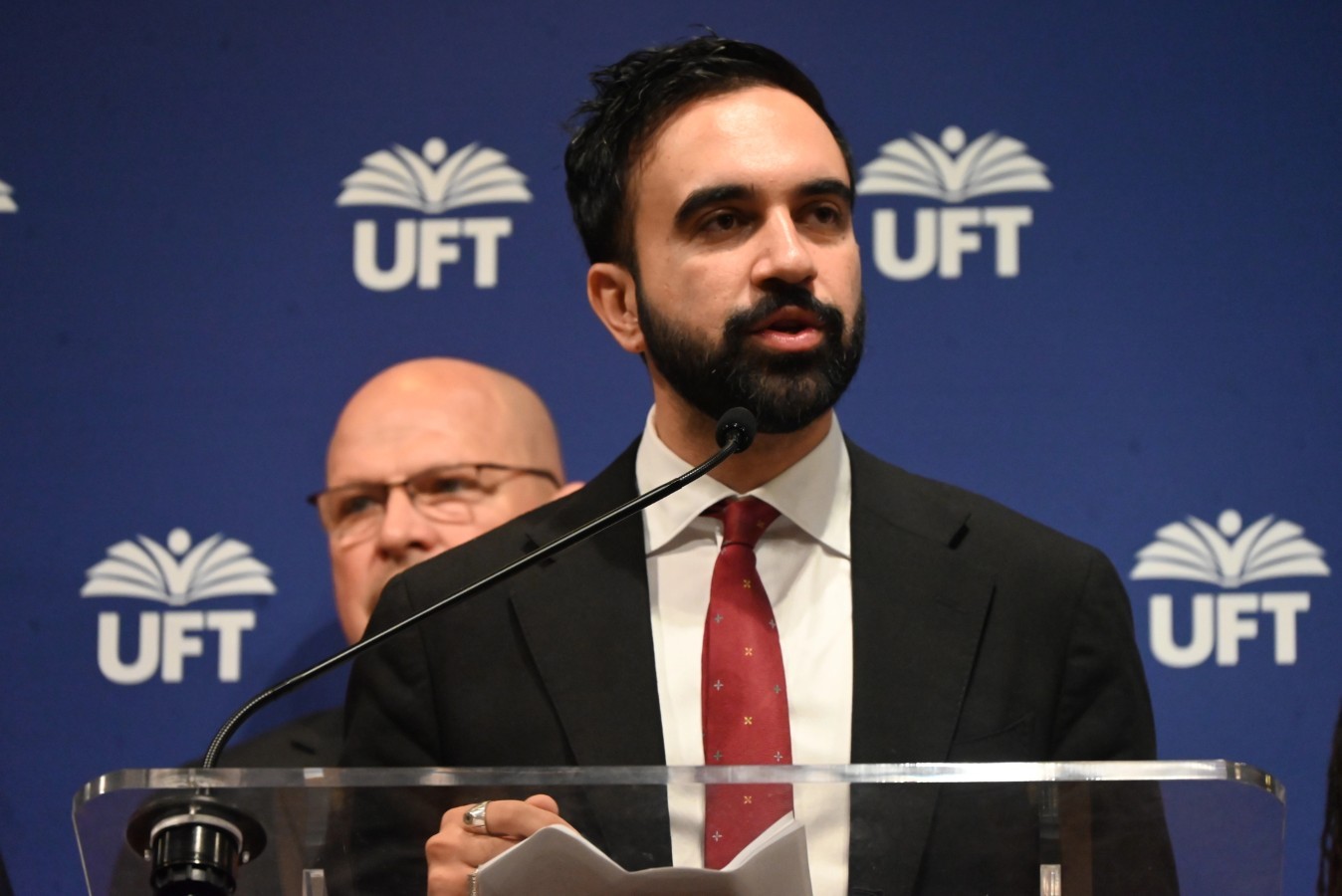
The mayor stressed that the proposal is still preliminary and subject to negotiation in the months ahead.
“This is a preliminary budget,” he said. “This is a budget that reflects the only tools that the city has at its disposal.”
With key stakeholders divided and major fiscal decisions unresolved, the final shape of New York City’s budget; and whether property taxes will rise; remains uncertain.
Like Financial Freedom Countdown content? Be sure to follow us!
The Retirement Divide: Why the Average 401(k) is $148,000 but the Median is Still Under $1,000

The headlines are startling: the typical American worker has just $955 saved for retirement. This figure, from the National Institute on Retirement Security (NIRS) 2026 report, paints a picture of a nation on the brink of a financial crisis. But while millions are falling through the cracks, others are leveraging new laws and record-high account balances to build a secure future.
The Retirement Divide: Why the Average 401(k) is $148,000 but the Median is Still Under $1,000
Did you find this article helpful? We’d love to hear your thoughts! Leave a comment with the box on the left-hand side of the screen and share your thoughts.
Also, do you want to stay up-to-date on our latest content?
1. Follow us by clicking the [+ Follow] button above,
2. Give the article a Thumbs Up on the top-left side of the screen.
3. And lastly, if you think this information would benefit your friends and family, don’t hesitate to share it with them!

John Dealbreuin came from a third world country to the US with only $1,000 not knowing anyone; guided by an immigrant dream. In 12 years, he achieved his retirement number.
He started Financial Freedom Countdown to help everyone think differently about their financial challenges and live their best lives. John resides in the San Francisco Bay Area enjoying nature trails and weight training.
Here are his recommended tools
Personal Capital: This is a free tool John uses to track his net worth on a regular basis and as a retirement planner. It also alerts him wrt hidden fees and has a budget tracker included.
Platforms like Yieldstreet provide investment options in art, legal, real estate, structured notes, venture capital, etc. They also have fixed-income portfolios spread across multiple asset classes with a single investment with low minimums of $10,000.