
Sanders introduces federal 5% wealth tax bill as Democrats clash over California model and 2028 ambitions
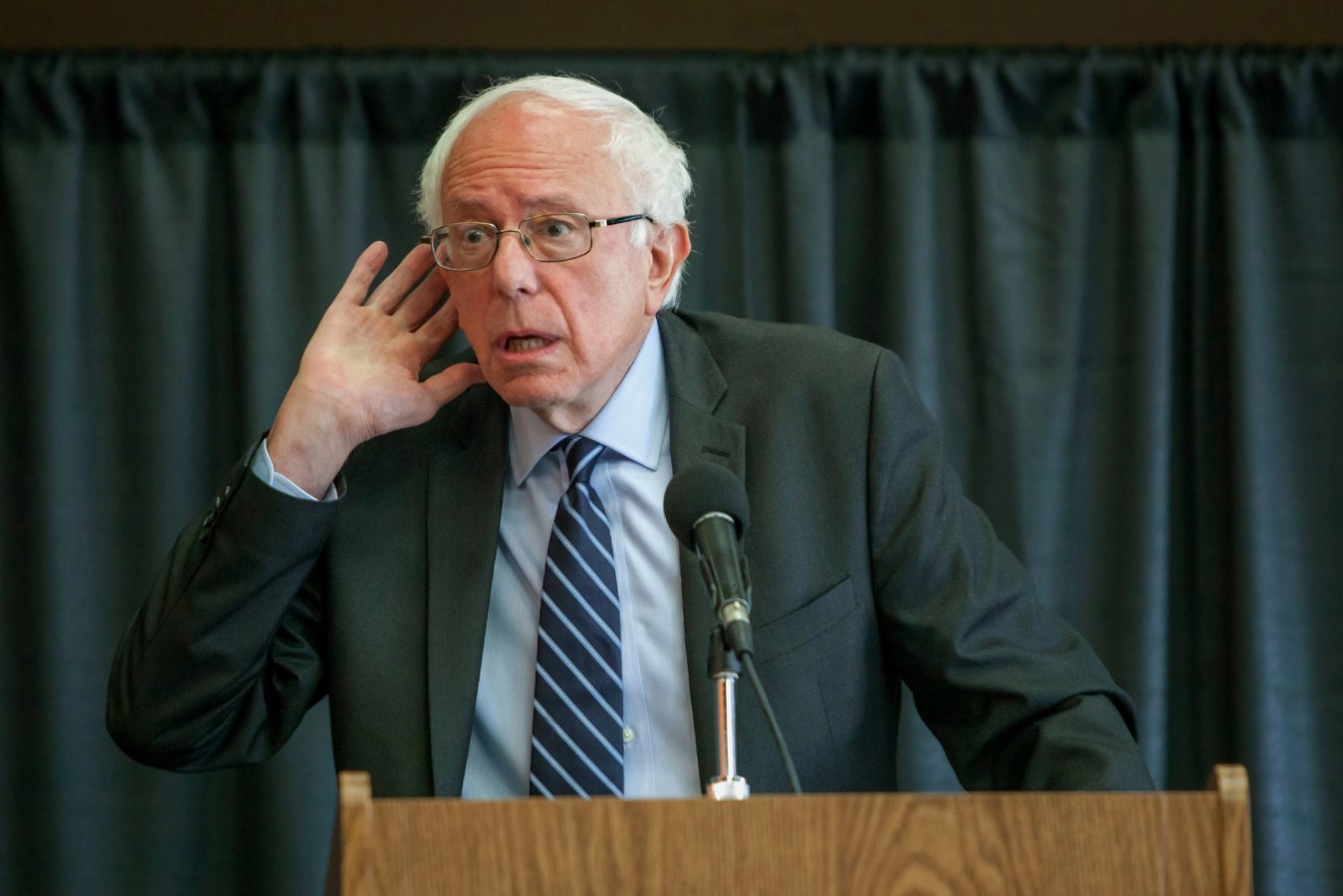
Bernie Sanders and Ro Khanna have introduced legislation imposing a 5% annual federal wealth tax on America’s billionaires.
The Make Billionaires Pay Their Fair Share Act, would target roughly 1,000 billionaires nationwide and is projected to raise $4.4 trillion over the next decade without increasing taxes on Americans whose net worth is below $1 billion.
$4.4 trillion in projected federal revenue
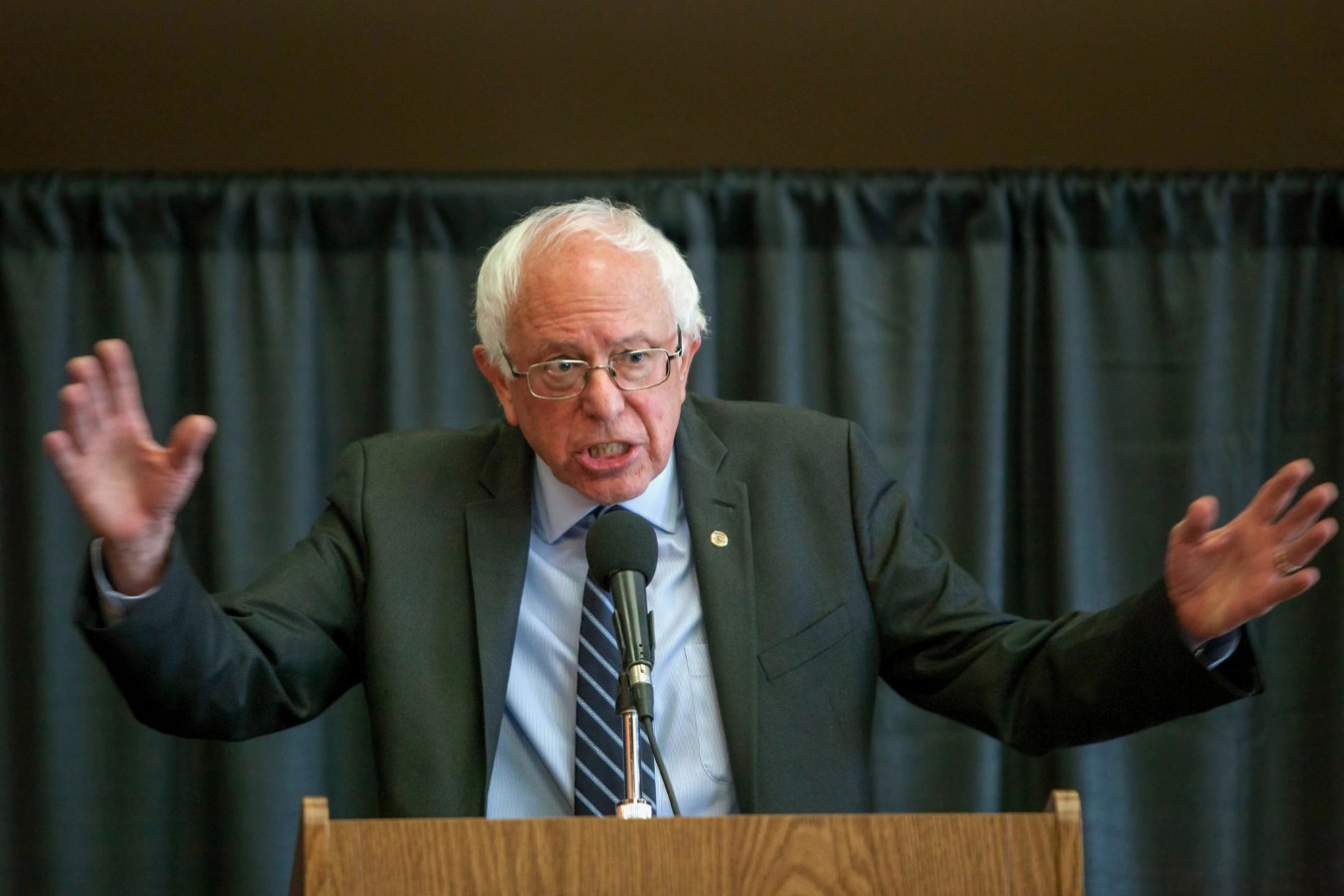
According to Sanders’ office, the planned tax would generate $4.4 trillion in federal revenue over 10 years. The estimates were provided by economists Emmanuel Saez and Gabriel Zucman of the University of California, Berkeley.
The economists assume a 10% rate of tax avoidance or evasion and argue that existing exit taxes on renouncing U.S. citizenship would make large-scale avoidance unattractive.
$3,000 direct payments for households under $150,000

A central feature of the bill is a $3,000 direct payment to “every man, woman and child living in a household making $150,000 or less,” according to a summary provided by the lawmakers.
That would amount to $12,000 for a family of four in the first year alone, funded entirely through billionaire tax revenue.
Reversing Medicaid cuts and expanding Medicare

Revenue from the wealth tax would also reverse more than $1 trillion in Medicaid and food stamp cuts approved under President Donald Trump and congressional Republicans as part of the “One Big Beautiful Bill.”
The proposal would expand Medicare to cover dental, vision and hearing services and ensure Medicaid covers home health care for seniors and people with disabilities.
Teacher pay, housing and child care reforms

Beyond health care, the legislation would establish a $60,000 minimum salary for every public school teacher nationwide.
Additional funds would be used to build and preserve affordable housing, cap child care costs at 7% of a family’s income, and invest in programs benefiting working families, children and vulnerable populations.
Sanders frames proposal as answer to inequality
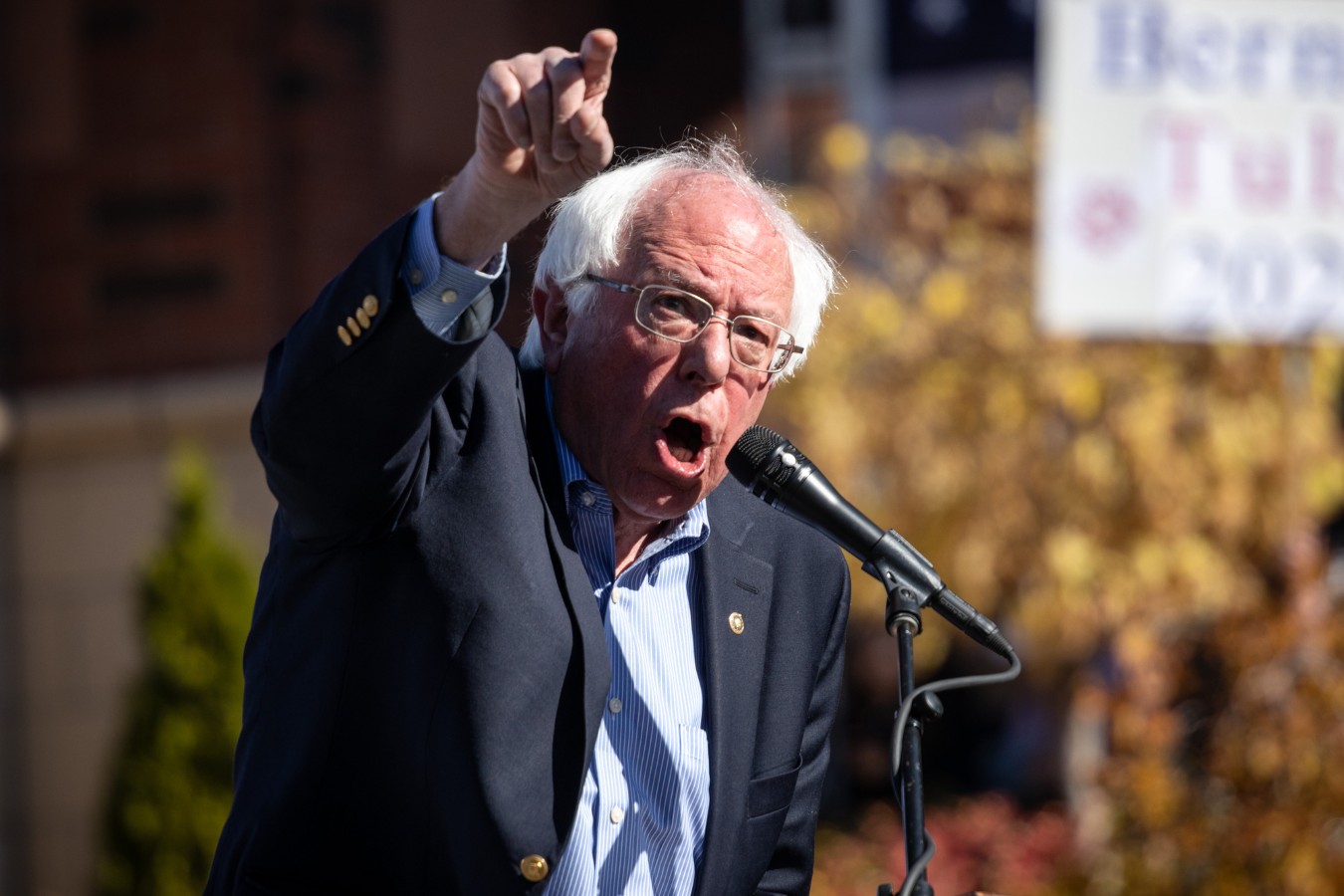
“At a time of unprecedented income and wealth inequality, this legislation demands that the billionaire class in America finally pay their fair share of taxes so that we can create an economy that works for all of us, not just the 1%,” Sanders said in a statement.
“Enough is enough. Billionaires cannot have it all. It is time to enact a wealth tax on billionaires and use this revenue to address some of the major crises facing working families, the children, the elderly, the sick and the most vulnerable,” Sanders said.
Speaking in Los Angeles, he added: “The billionaire class no longer sees itself as part of American society. They see themselves as something separate and apart, like the oligarchs of the 18th century, the kings and the queens and the czars, they believe they have the divine right to rule and are no longer subject to democratic governance.”
Khanna calls tax a modest step to rebalance economy

Khanna said the U.S. “can tax billionaires a modest amount to make sure everyone has a fair chance while keeping our innovative engine.”
“On one side, places like Silicon Valley are generating extreme wealth,” Khanna said. “On the other side, families are struggling to cover the cost of health care, housing, and basic needs.”
Khanna has backed a proposed California ballot measure to tax billionaires, even as some longtime tech supporters have threatened to withdraw their backing.
California wealth tax fight shapes national debate
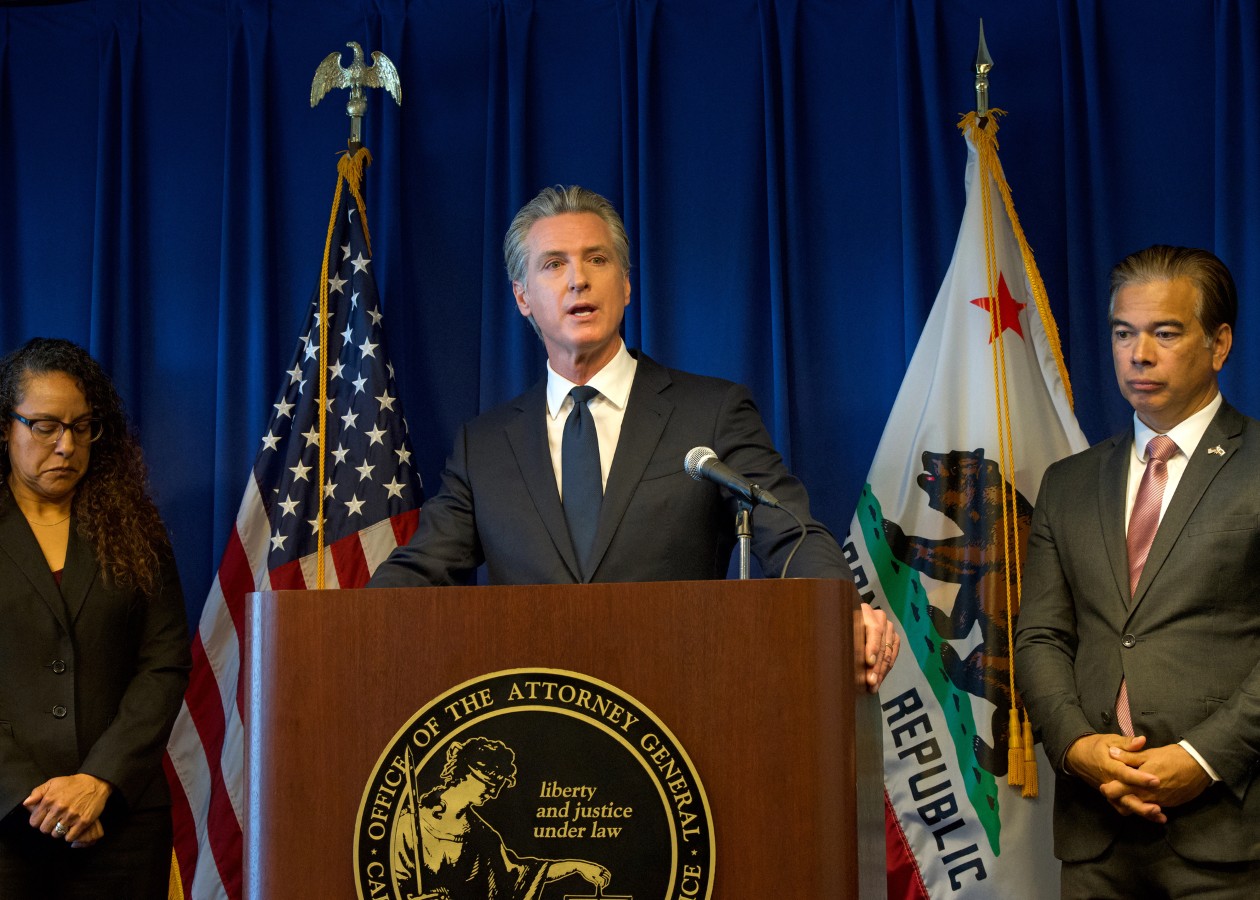
The federal proposal mirrors efforts underway in Democratic-led states, particularly California, where a billionaire wealth tax ballot measure has sparked debate and concern among some wealthy residents about relocation.
Gavin Newsom has publicly opposed the California wealth tax proposal, warning it could drive businesses out of the state. “This will be defeated — there’s no question in my mind,” Newsom said last month. “I’ll do what I have to do to protect the state.”
Sanders recently traveled to California to campaign in favor of the ballot measure alongside Khanna.
Billionaires already moved assets out of California
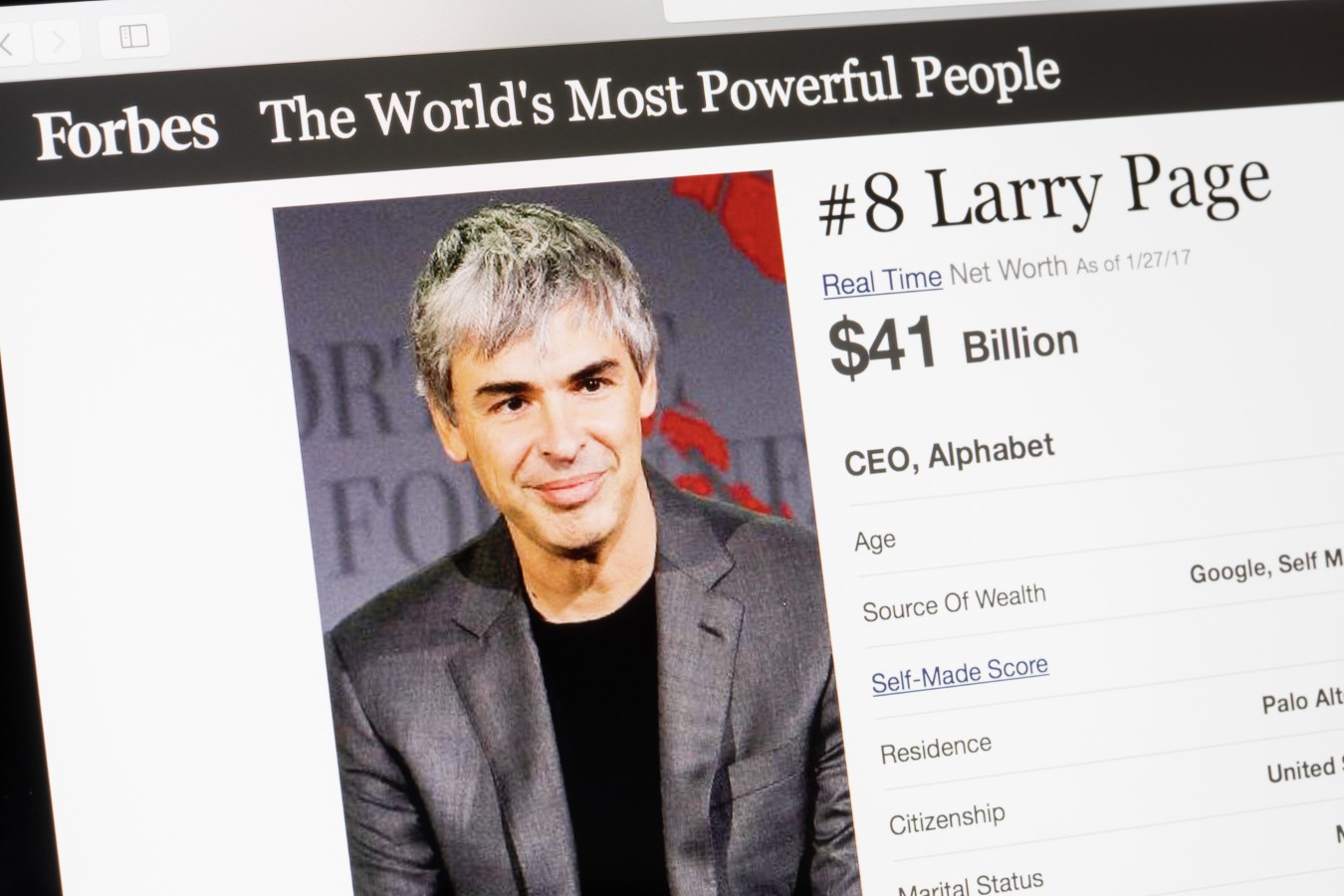
Silicon Valley is reeling following confirmation that Google cofounder Larry Page has officially traded the Bay Area for the tax-friendly shores of Florida, a move venture capital titan Paul Graham warns is a direct response to the state’s aggressive new wealth tax proposal.
California tech billionaire Peter Thiel announced that he had “established a significant presence in Miami over the last several years, maintaining a personal residence in the city since 2020” and an office for his Founders Fund venture capital firm since 2021.
David Sacks, a billionaire venture capitalist and co-founder of Craft Ventures, announced on the final day of 2025 that his firm had opened an office in Austin, Texas.
Tech investor Chamath Palihapitiya has publicly said he is giving “serious consideration” to moving to Texas, warning that the tax could drive entrepreneurs and capital out of California.
Khosla alleged that even before the tax is approved, California has already lost roughly half of the state’s top $2 trillion in wealth. He argued that once billionaires leave, the tax revenue tied to them is gone for good; a loss he says the state will never fully recover from.
Billionaire Tax could apply to everyone eventually
In a post on X, Chamath Palihapitiya said “California is disguising a proposed asset seizure tax as a “Billionaire Tax,” but the math doesn’t add up. They wanted $100B from 200 Californian billionaires but $500B in wealth has already fled the state, leaving a $25B hole in their plan. And it’s still only a proposal. Imagine how much more wealth will leave if this actually makes the ballot?? Why should you care? The fine print in the bill allows the California legislature to apply this asset tax to non-billionaires as well whenever they want. Your car, home and jewelry would all count. California isn’t coming just for the rich. This bill, while disguised as a tax on the wealthy, is actually the infrastructure to tax everyone in California even more – but now on everything you own. Instead, why not fund our budget by first stopping the waste??”
Billionaires’ fortunes and estimated tax bills
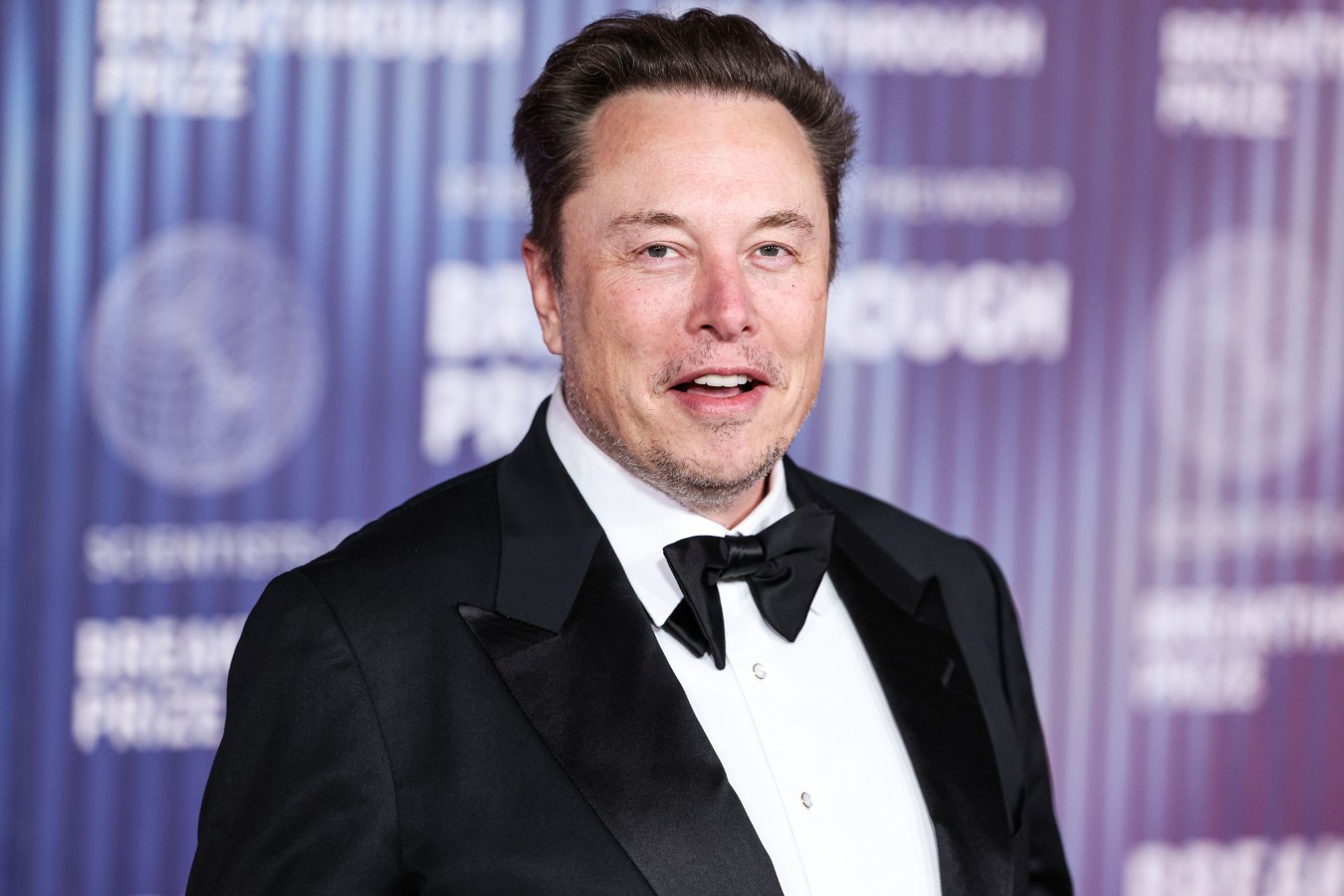
The legislation would significantly reduce, but not eliminate, the fortunes of the country’s wealthiest individuals.
According to estimates cited by Sanders’ office:
Elon Musk would owe about $42 billion, with his holdings declining from roughly $833 billion to $792 billion.
Jeff Bezos would owe about $11 billion, reducing his fortune from roughly $218 billion to $207 billion.
Mark Zuckerberg would also owe about $11 billion, lowering his wealth from about $220 billion to $209 billion.
A likely nonstarter in Congress but a 2028 litmus test
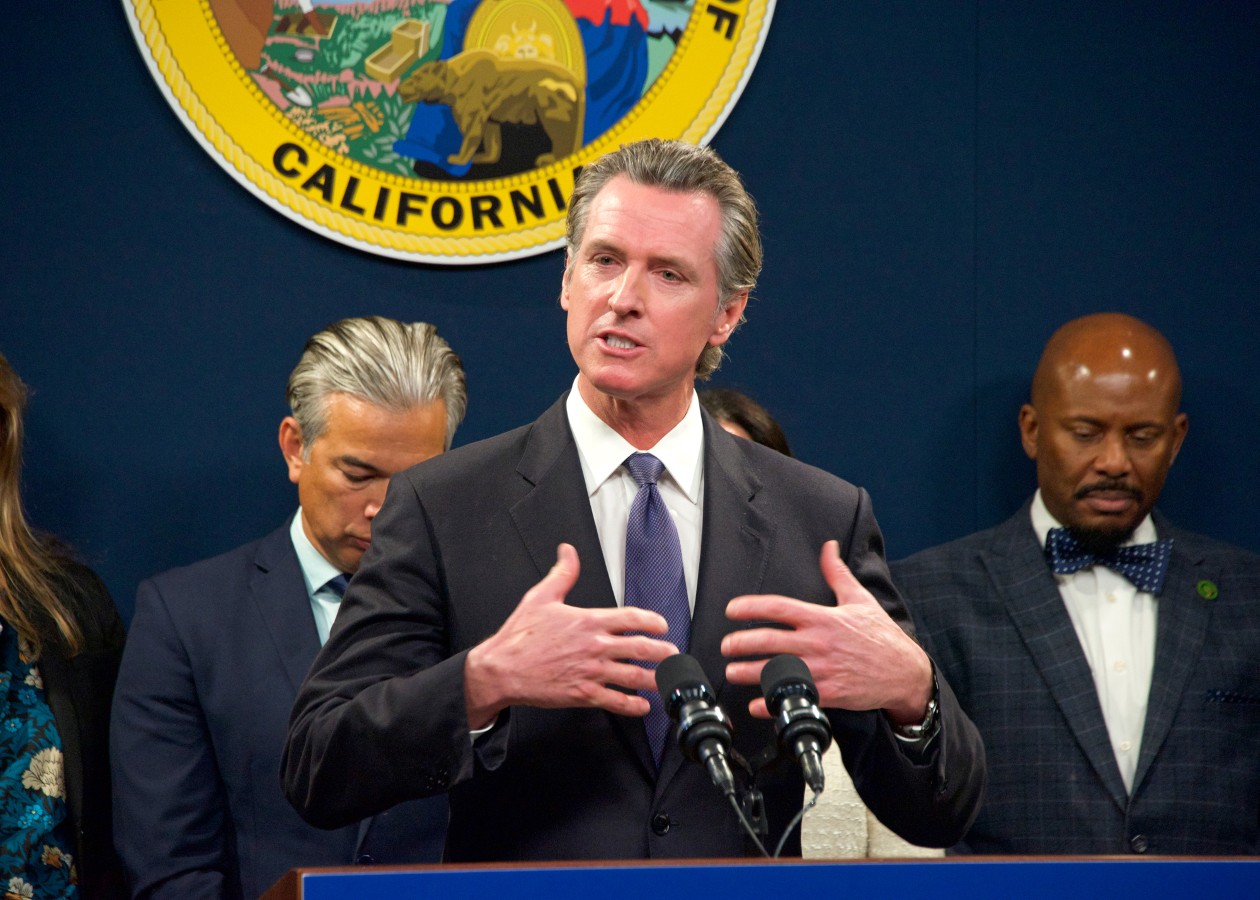
The measure faces long odds in a Republican-controlled Congress and is unlikely to attract GOP support.
Still, the proposal could serve as a litmus test in the 2028 Democratic presidential primary. While Sanders, 84, is not expected to run again, Khanna has been testing the waters for a presidential bid.
Newsom is widely viewed as a potential contender, and his opposition to California’s billionaire tax highlights an emerging divide within the party over how aggressively to target the ultra-wealthy.
As California awaits the fate of their state wealth tax proposal, Sanders’ plan offers one blueprint for redefining the party’s economic message heading into the next presidential cycle.
Like Financial Freedom Countdown content? Be sure to follow us!
14 essential strategies to maximize your Social Security and avoid costly mistakes
Social Security is a vital lifeline for many seniors, providing crucial income support during retirement. With inflation at its highest in four decades, Social Security’s inflation-adjusted benefits offer protection against rising costs.
Rising interest rates have disrupted many retirement portfolios, causing bond fund values to plummet. In this volatile financial landscape, Social Security can stabilize a typical stock-bond retirement portfolio. By implementing smart strategies, retirees can maximize their Social Security benefits and ensure a more secure financial future.
14 Essential Strategies to Maximize Your Social Security and Avoid Costly Mistakes
11 reasons you should claim Social Security early

Deciding when to claim Social Security is often about maximizing your benefit. Financial planners usually advise delaying your claim for as long as possible to secure the highest monthly payment. Your benefit is based on your lifetime earnings, with a full payout available at your full retirement age (FRA), which is currently between 66 and 67 depending on your birth year. Claiming before FRA results in a permanent reduction in your monthly benefit, while waiting beyond FRA leads to a permanent increase. However, the decision isn’t solely about maximizing the monthly check. Personal factors such as health, family circumstances, and financial needs can play a significant role in determining the right time to claim.
11 Reasons You Should Claim Social Security Early

Did you find this article helpful? We’d love to hear your thoughts! Leave a comment with the box on the left-hand side of the screen and share your thoughts.
Also, do you want to stay up-to-date on our latest content?
1. Follow us by clicking the [+ Follow] button above,
2. Give the article a Thumbs Up on the top-left side of the screen.
3. And lastly, if you think this information would benefit your friends and family, don’t hesitate to share it with them!

John Dealbreuin came from a third world country to the US with only $1,000 not knowing anyone; guided by an immigrant dream. In 12 years, he achieved his retirement number.
He started Financial Freedom Countdown to help everyone think differently about their financial challenges and live their best lives. John resides in the San Francisco Bay Area enjoying nature trails and weight training.
Here are his recommended tools
Personal Capital: This is a free tool John uses to track his net worth on a regular basis and as a retirement planner. It also alerts him wrt hidden fees and has a budget tracker included.
Platforms like Yieldstreet provide investment options in art, legal, real estate, structured notes, venture capital, etc. They also have fixed-income portfolios spread across multiple asset classes with a single investment with low minimums of $10,000.