Trump tariffs fuel record revenue as deficit plunges $34 billion

The U.S. government reported a notable improvement in its fiscal standing this week. According to the Treasury Department, the government posted a $95 billion budget deficit in January, marking a significant reduction of $34 billion, or 26%, compared to the same month last year. This positive shift was primarily driven by strong revenue gains that outpaced the growth in government spending.
Calendar adjustments highlight fiscal improvement
When accounting for timing differences, the fiscal improvement appears even more pronounced. Adjusting for routine calendar shifts in benefit payments due to holidays, weekends and other factors in both years, the Treasury said the January deficit would have been $30 billion, a decline of $52 billion or 63% from January 2025. These adjustments provide a clearer picture of the underlying trend by normalizing the timing of federal obligations.
Record-breaking receipts and outlays
January was a historic month for federal cash flow. January receipts totaled $560 billion, up $47 billion or 9% from a year earlier, while outlays totaled $655 billion, up $13 billion or 2%. Despite both receipts and outlays hitting record levels for the month, the deficit itself did not set a record, indicating a narrowing gap between income and expenses.
The trend of deficit reduction extends beyond January alone. Through the first four months of the 2026 fiscal year, which began on October 1, the cumulative deficit fell to $697 billion. This represents a drop of $143 billion, or 17%, compared to the same period in fiscal 2025.
Year-to-date revenue surge
A robust increase in federal income has been central to the improving deficit numbers. Year-to-date receipts totaled $1.785 trillion, an increase of $188 billion or 12% from the prior year period. Meanwhile, outlays reached $2.482 trillion, growing by a more modest $46 billion or 2%. As with the monthly figures, year-to-date receipts and outlays were both records for the first four months of a fiscal year, though the deficit remained below record levels.
Tariffs drive customs revenue growth

A key factor propelling revenue growth has been the sharp rise in customs duties. Helping to drive both January and year-to-date results were sharply higher net customs receipts due to President Donald Trump’s tariffs. These receipts totaled $27.7 billion in January, maintaining a level similar to December but slightly below the $30 billion monthly pace seen late last year.
Comparing tariff impacts year-over-year
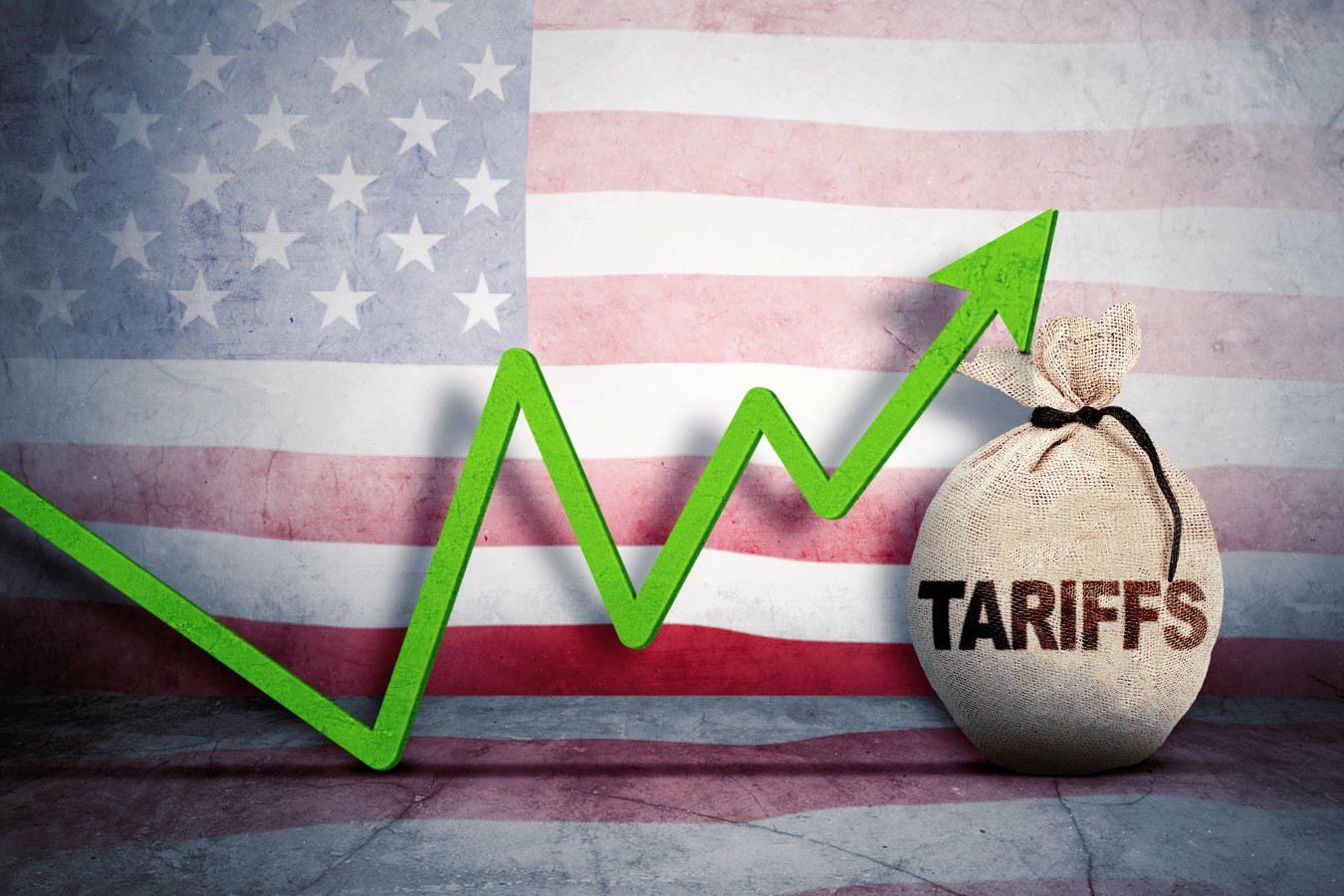
The impact of recent trade policies is evident when comparing current figures to historical data. “Customs duties in January 2025, the month that Trump took office and well before his tariff announcements, totaled $7.3 billion.” This stark contrast highlights the significant revenue generation resulting from the new tariff structures.
The accumulation of tariff revenue over the fiscal year has been substantial. “Fiscal year-to-date net customs duties were $117.7 billion, up from $28.2 billion a year earlier.” This four-fold increase in customs duties has been a major contributor to the overall rise in government receipts.
Unexpected drop in interest outlays

In a surprising development, interest costs on the public debt provided some relief to the deficit. “Also cutting the deficit was a rare $12 billion decline in Treasury interest outlays on the public debt to $72 billion for January.” This decline stands out against the broader backdrop of rising debt service costs.
The reduction in interest payments was driven by specific technical adjustments rather than a structural shift. “The Treasury official said this stemmed from downward adjustments to payments on inflation-linked securities that were delayed by last year’s government shutdown and publication of consumer price index data.” These one-time adjustments temporarily lowered the monthly interest burden.
Despite the temporary dip in January, the overall cost of servicing the debt remains high. “Year-to-date Treasury debt interest totaled $426 billion, a record for the period, up $34 billion or 9%.” This figure underscores the growing long-term challenge of managing interest payments on the national debt.
Tax season and refunds

As the fiscal year progresses, tax refunds will play a role in upcoming monthly reports. Related reporting notes that “Americans could receive larger tax refunds this year,” a factor that will influence net receipts in the coming months as the tax filing season gets underway.
CBO warns of long-term fiscal pressures
While January’s figures offer a momentary reprieve, the broader outlook remains challenging. In its latest “Budget and Economic Outlook: 2026 to 2036,” released just days ago, the Congressional Budget Office (CBO) projected that the federal budget deficit for the full 2026 fiscal year will reach $1.9 trillion. The nonpartisan agency warned that despite revenue bumps from tariffs, the nation’s fiscal path is daunting, with federal debt held by the public projected to rise from 101% of GDP in 2026 to a record-breaking 120% by 2036.
Interest payments to surpass $1 trillion
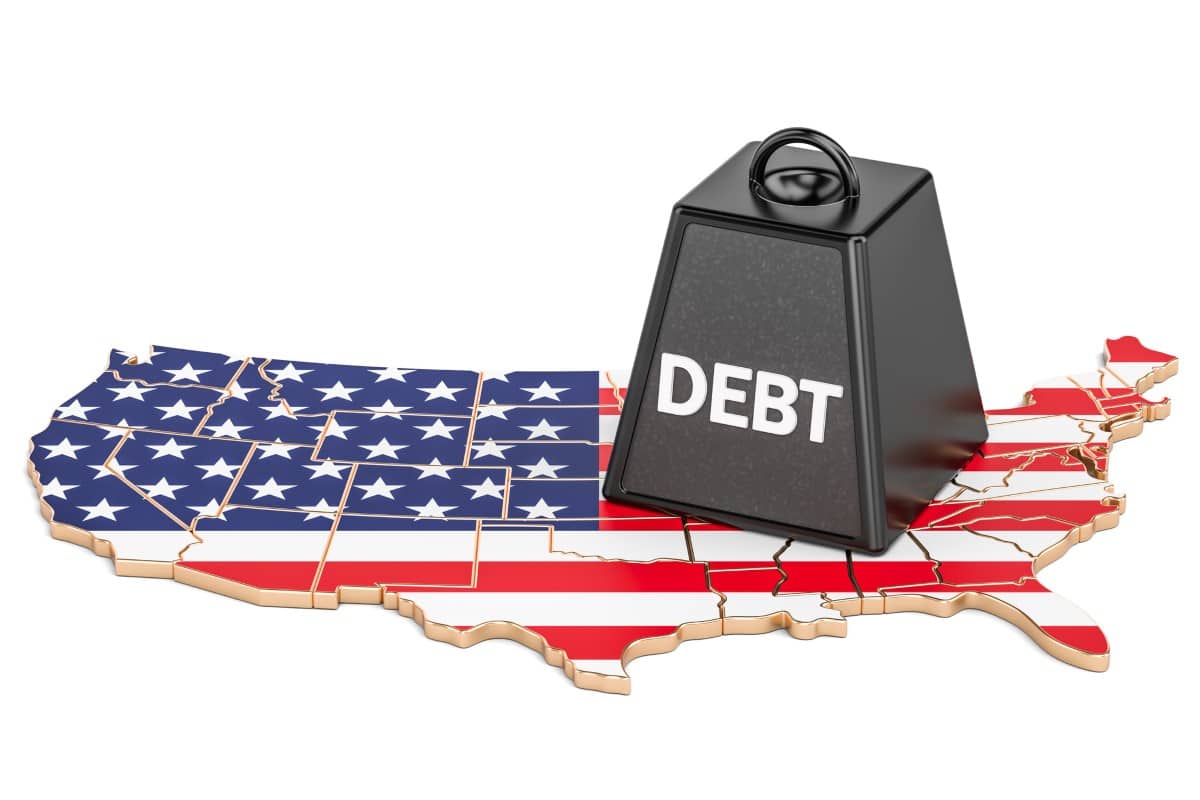
The CBO report also underscored the growing burden of servicing the national debt, a trend only briefly interrupted by January’s technical adjustments. The agency projects that net interest payments will surpass $1 trillion in fiscal year 2026 alone.
While the CBO acknowledges that higher tariffs are expected to reduce deficits by approximately $3 trillion over the next decade, these gains are likely to be offset by other factors, including the costs associated with the 2025 reconciliation act and rising mandatory spending on Social Security and Medicare.
Like Financial Freedom Countdown content? Be sure to follow us!
Zillow Identifies 7 U.S. Cities Where Buyers Now Hold the Most Leverage

The real estate landscape is shifting as we enter 2026, offering new opportunities for those who have been waiting on the sidelines. According to Zillow’s latest analysis, Indianapolis has emerged as the most buyer-friendly housing market in the United States. This ranking highlights a significant trend: while coastal hubs remain financially out of reach for many, “opportunity metros” are providing home shoppers with the breathing room and affordability they need to secure long-term value.
Zillow Identifies 7 U.S. Cities Where Buyers Now Hold the Most Leverage
Ray Dalio Warns World Is ‘On the Brink’ of a Capital War; Says Gold Is the Safest Money

Billionaire hedge fund manager Ray Dalio is warning that global tensions are shifting beyond traditional geopolitical conflicts and entering a new era where money itself becomes a weapon. The Bridgewater Associates founder said the world is not just facing a cold war or trade war, but a looming “capital war” in which nations could use financial leverage to pressure rivals. Dalio made the remarks during an interview at the World Governments Summit in Dubai, cautioning that escalating political and economic tensions could disrupt global markets and investment flows. Dalio described a scenario where countries could attack each other by controlling the flow of capital, particularly through debt ownership and financial sanctions. Such financial warfare, he warned, could create severe market instability and alter how investors and governments manage their money.
Ray Dalio Warns World Is ‘On the Brink’ of a Capital War; Says Gold Is the Safest Money

Did you find this article helpful? We’d love to hear your thoughts! Leave a comment with the box on the left-hand side of the screen and share your thoughts.
Also, do you want to stay up-to-date on our latest content?
1. Follow us by clicking the [+ Follow] button above,
2. Give the article a Thumbs Up on the top-left side of the screen.
3. And lastly, if you think this information would benefit your friends and family, don’t hesitate to share it with them!

John Dealbreuin came from a third world country to the US with only $1,000 not knowing anyone; guided by an immigrant dream. In 12 years, he achieved his retirement number.
He started Financial Freedom Countdown to help everyone think differently about their financial challenges and live their best lives. John resides in the San Francisco Bay Area enjoying nature trails and weight training.
Here are his recommended tools
Personal Capital: This is a free tool John uses to track his net worth on a regular basis and as a retirement planner. It also alerts him wrt hidden fees and has a budget tracker included.
Platforms like Yieldstreet provide investment options in art, legal, real estate, structured notes, venture capital, etc. They also have fixed-income portfolios spread across multiple asset classes with a single investment with low minimums of $10,000.