After Silicon Valley Sounds the Alarm, Newsom Finally Turns on California’s Billionaire Tax
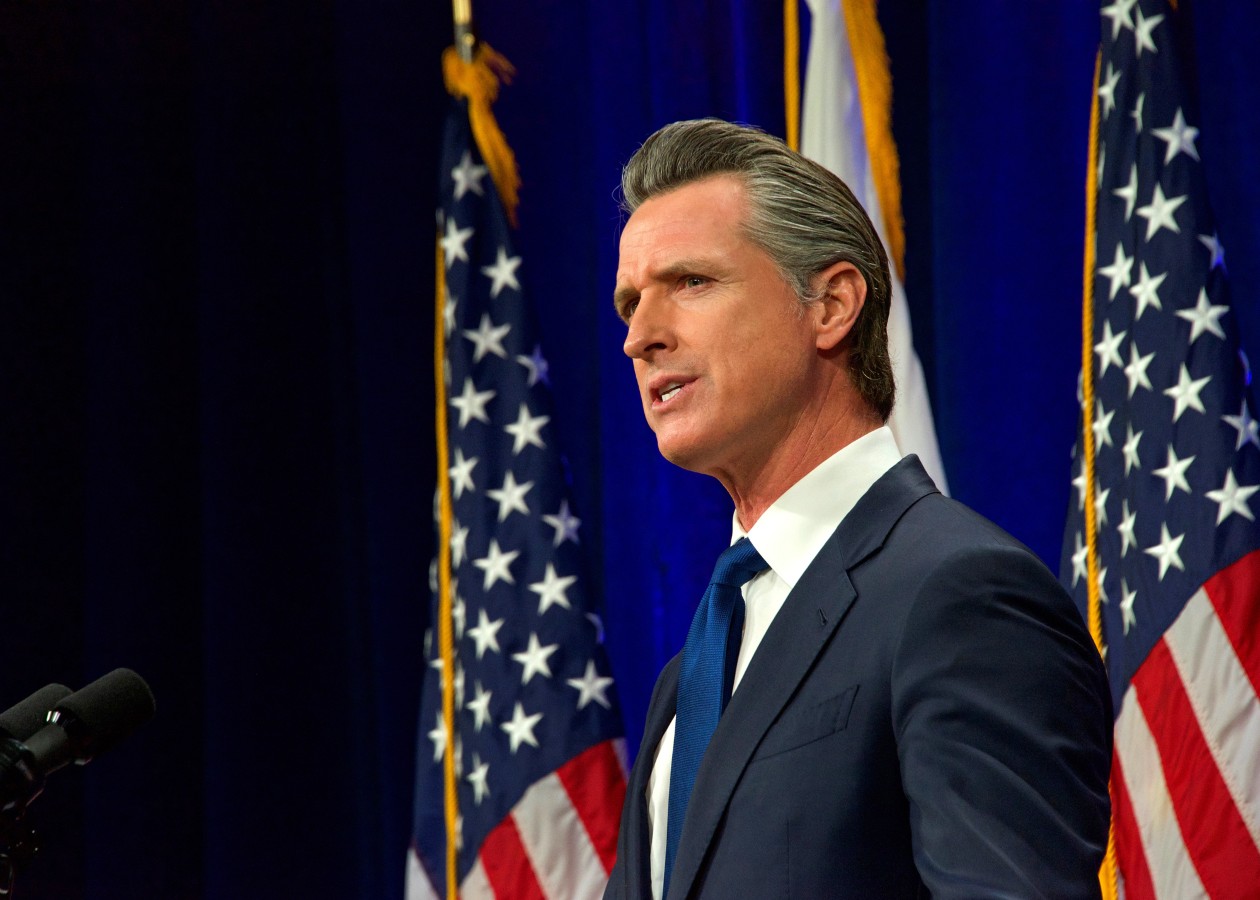
After weeks of mounting pressure and visible capital flight, Gov. Gavin Newsom has at last publicly unloaded on California’s proposed billionaire wealth tax.
But his late opposition comes only after local leaders; most notably San Jose Mayor Matt Mahan, stepped out front to warn that the policy could boomerang onto the middle class and damage the state’s innovation economy. Newsom’s comments mark a notable pivot, one that highlights both his growing moderation and the political constraints of a governor with national ambitions.
Local Leaders Led the Charge; Newsom Followed
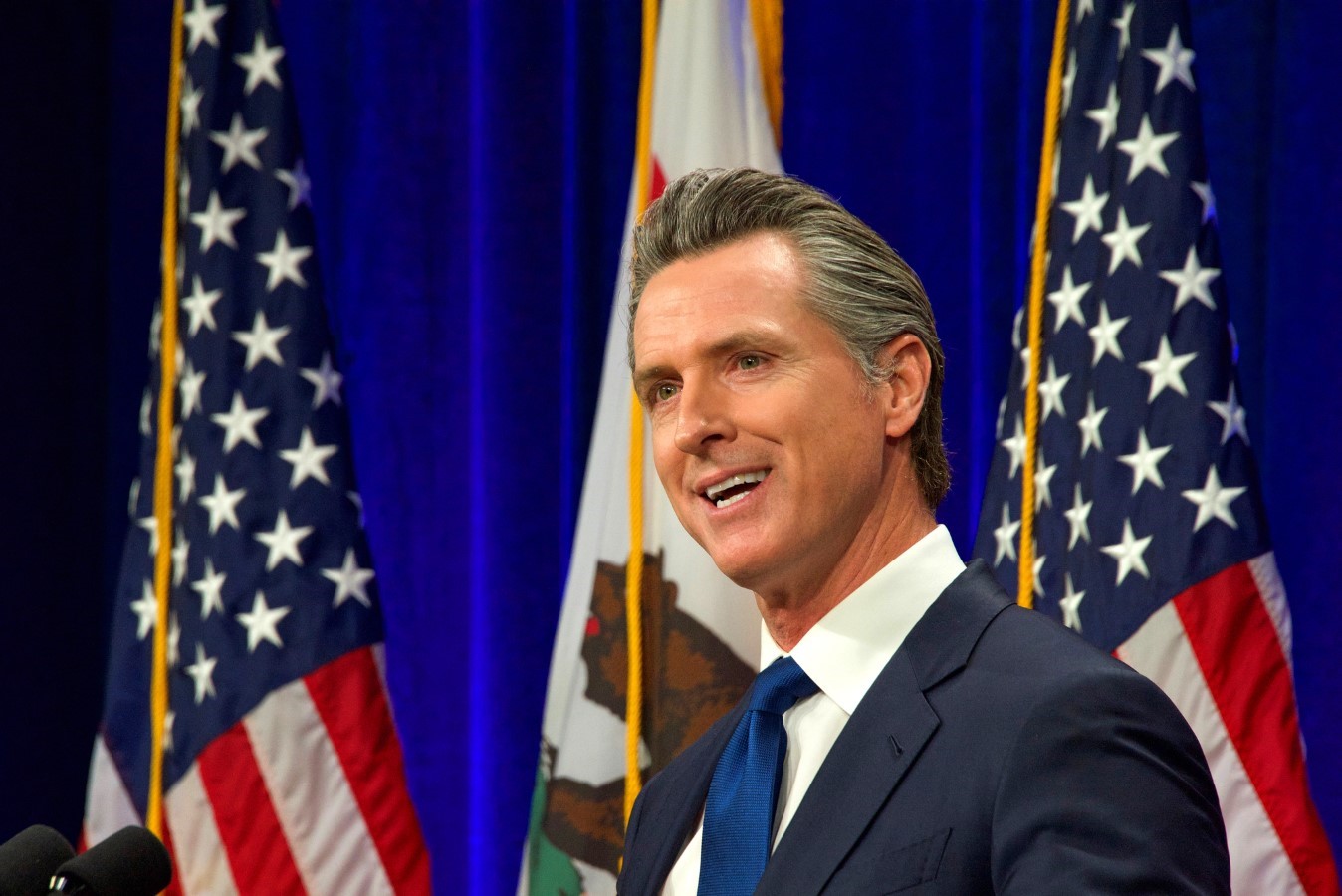
Before Newsom spoke out, it was Mahan and other local leaders who forcefully framed the tax as economically risky. Mahan warned early that a “so-called wealth tax” would backfire unless California first addressed waste, fraud, and inefficiency. Newsom’s remarks now echo those economic concerns; but notably stop short of Mahan’s deeper critique of state governance.
Newsom’s Opposition Comes Late, but Loud
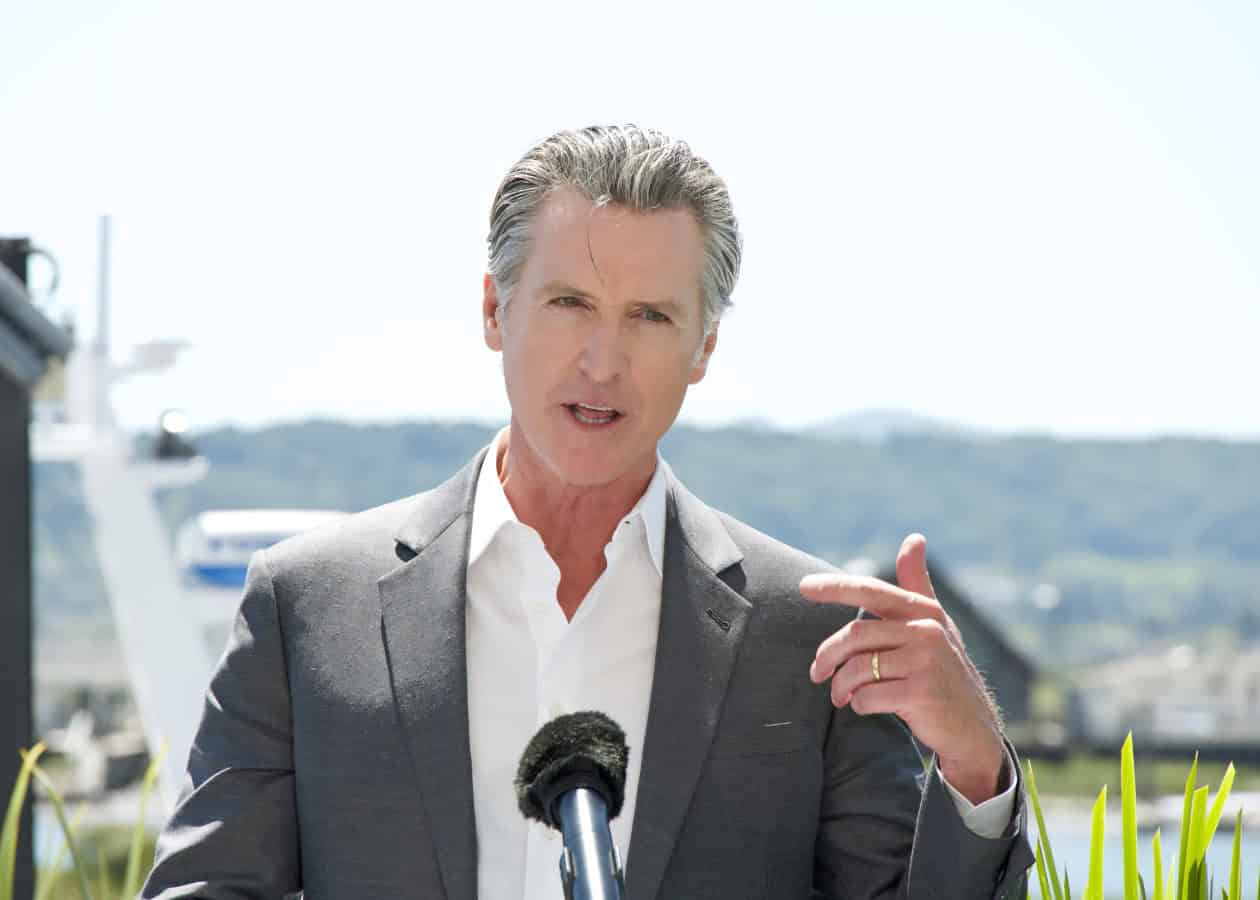
When Newsom finally addressed the proposal, his language was unusually sharp. The tax “makes no sense,” he said, warning it would deliver one-time revenue while inflicting long-term damage. He cited real-world impacts; startups hesitating, investors questioning commitments, and wealthy residents preparing exit strategies, as proof the costs are no longer hypothetical.
A Carefully Framed, Moderate Stance
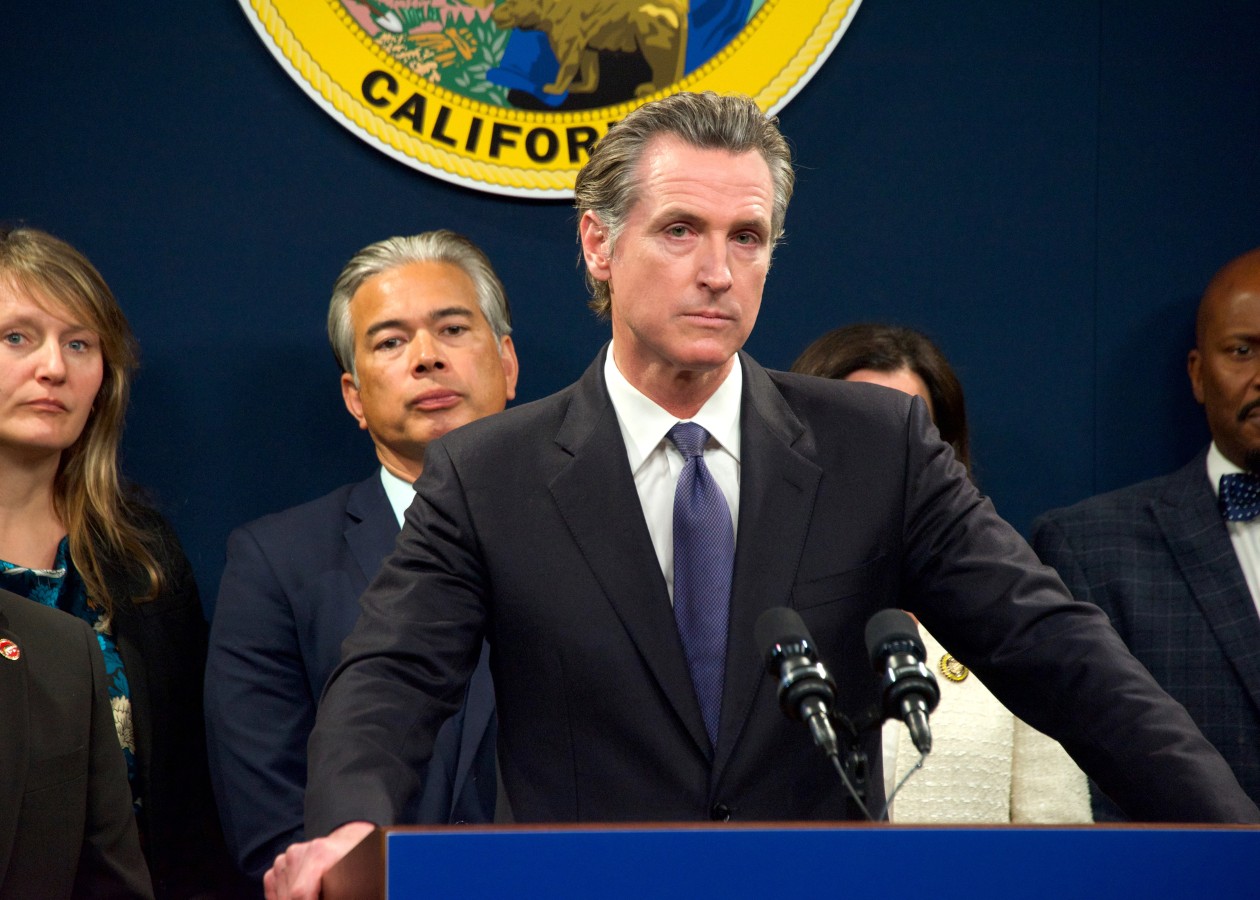
Newsom’s opposition is striking in its tone. Rather than defending the tax as a progressive necessity, he positioned himself as a pragmatist focused on economic stability. That moderation stands in contrast to the progressive activists backing the measure; and aligns more closely with business-friendly Democrats and centrist voters.
The 2028 Shadow Over the Debate
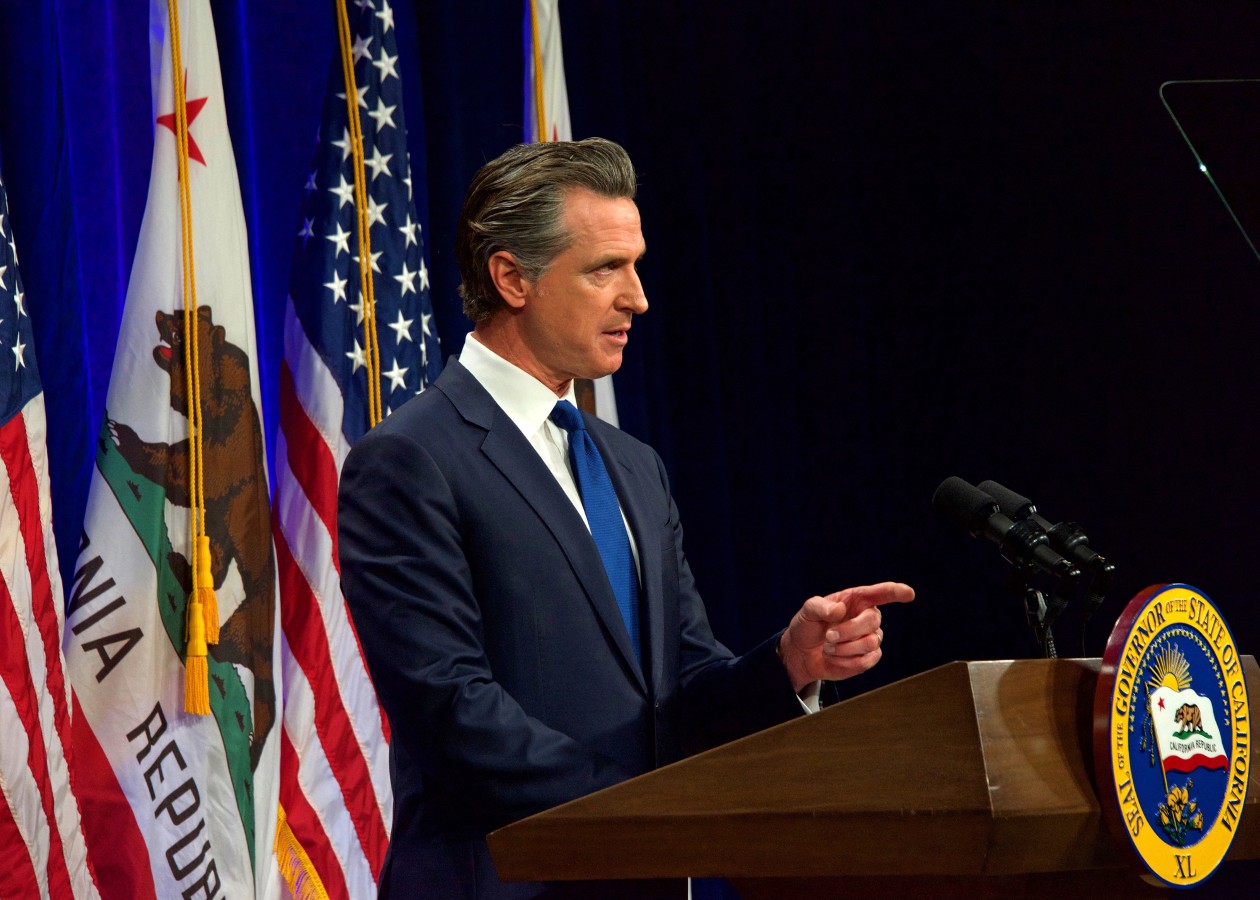
The timing and framing of Newsom’s comments are impossible to separate from national politics. As a likely 2028 presidential contender, opposing a highly visible wealth tax allows Newsom to signal moderation to swing-state voters without fully alienating the Democratic base. He criticized the policy’s mechanics and economic impact; without repudiating progressive goals outright.
Final Year Fatigue and Ballot-Fight Burnout
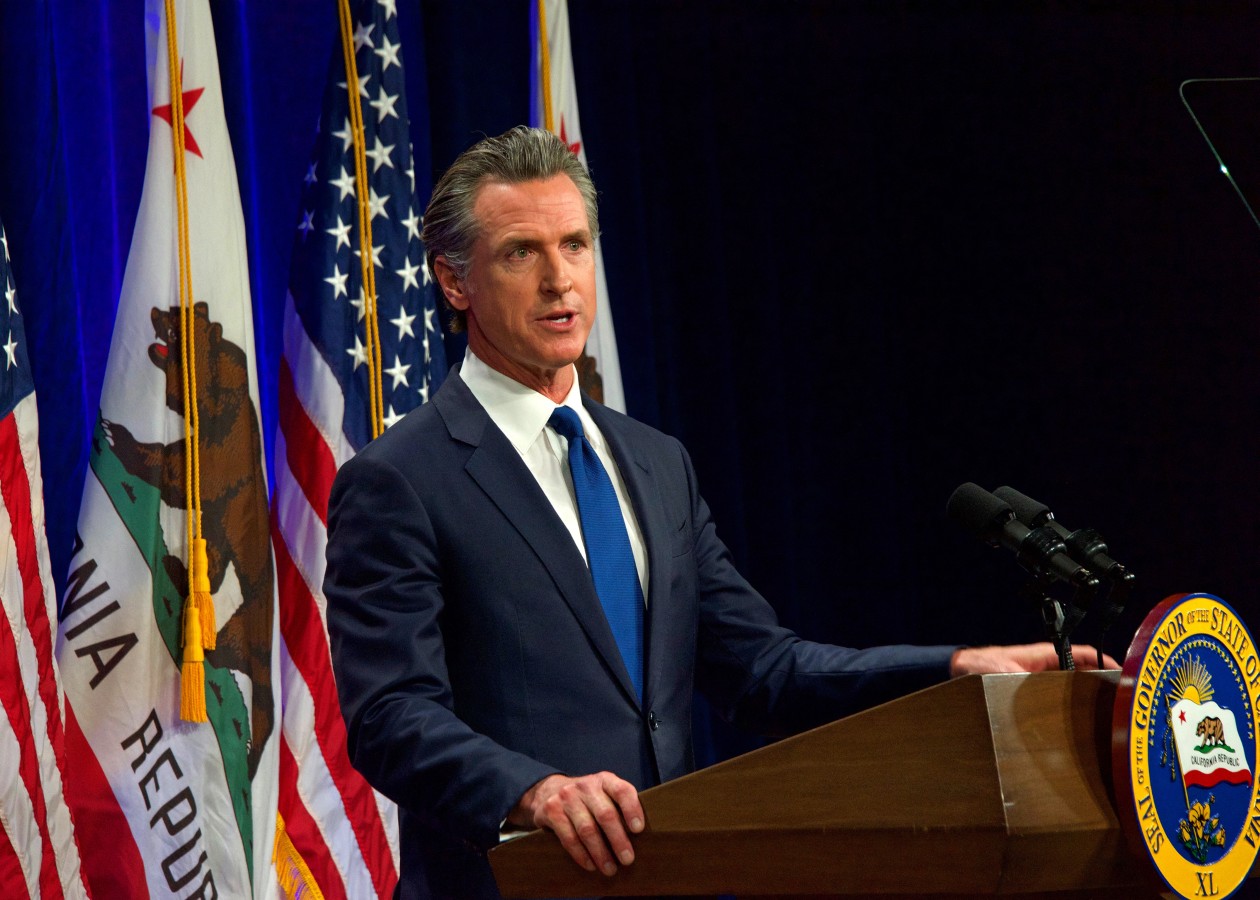
Newsom also emphasized that this fight wasn’t how he envisioned spending his final year as governor. Having just raised more than $100 million for his redistricting ballot measure, Proposition 50, he made clear he has little appetite for another costly, polarizing initiative heading into 2026.
What the Billionaire Tax Would Do
The proposed initiative, backed by a healthcare workers’ union, would impose a one-time 5% tax on Californians worth more than $1 billion, applied retroactively to anyone living in the state as of January 1. Supporters claim it could raise roughly $100 billion for healthcare and public services.
Capital Flight Forces the Issue
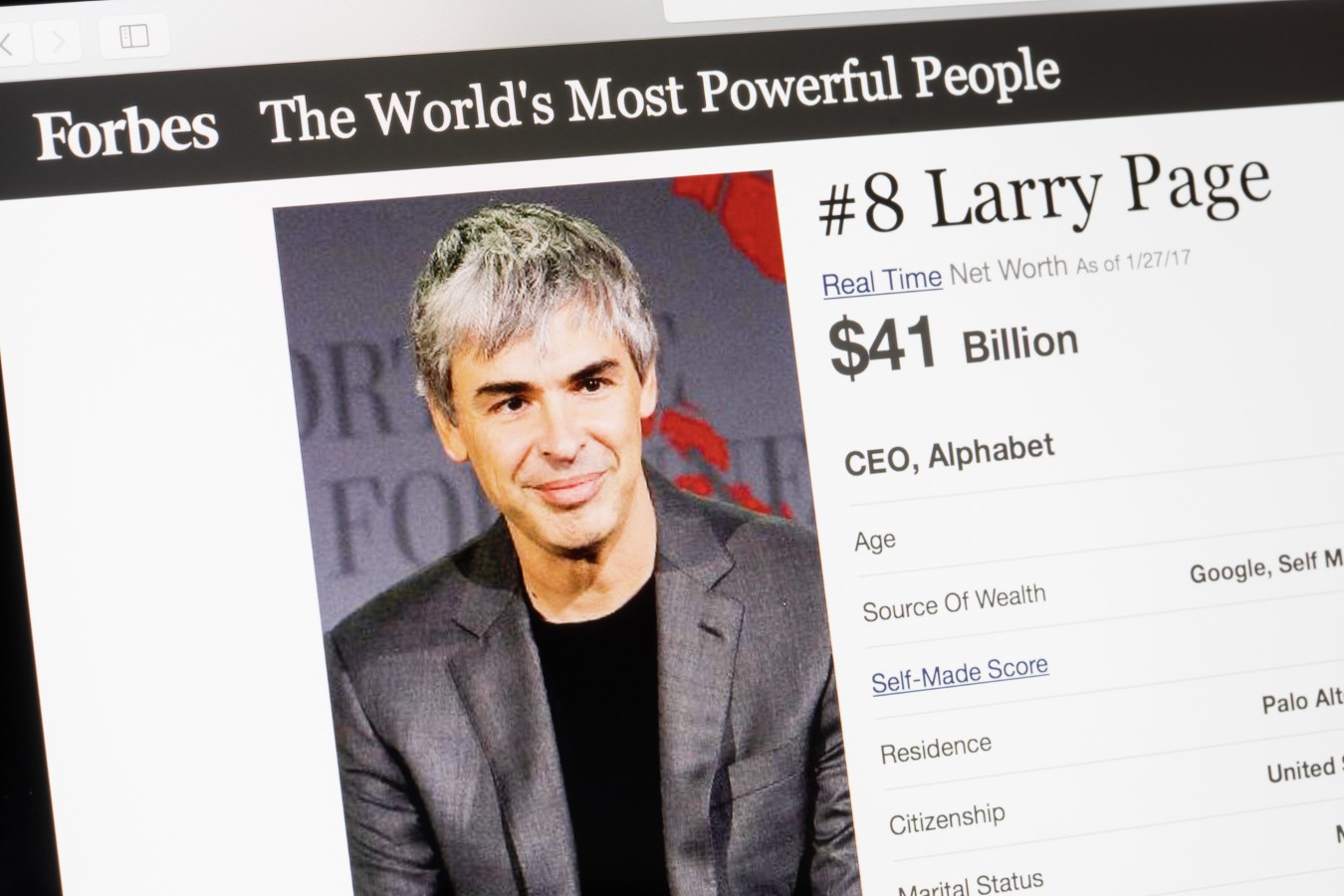
By the time Newsom spoke, the tax was already reshaping behavior. Tech founders and investors have begun restructuring assets or relocating. Google co-founders Larry Page and Sergey Brin moved dozens of California-based entities to lower-tax states. Others, including Peter Thiel and David Sacks, have established residences or offices outside California.
Newsom Doesn’t Address Fraud Arguments
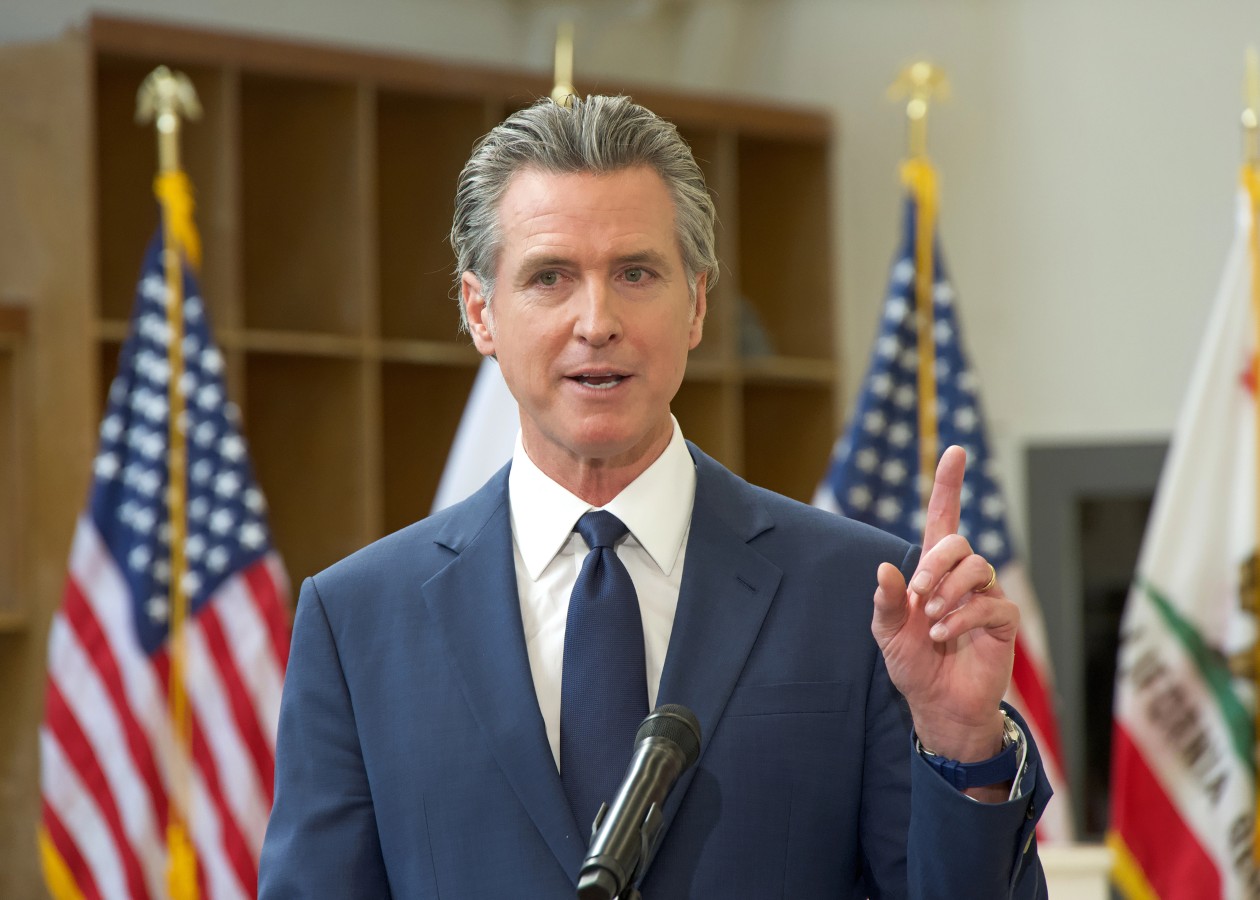
Where Newsom diverges sharply from Mahan is on the root cause of California’s fiscal stress. Mahan has repeatedly pointed to billions lost to unemployment fraud, widespread waste in healthcare spending, cost overruns on infrastructure projects, and homelessness programs that failed to reduce street populations statewide.
Despite opposing the wealth tax, Newsom has consistently declined to acknowledge; or confront those failures directly. He warned about capital flight and investor anxiety, but avoided endorsing Mahan’s call to first root out waste and fraud before raising new revenue.
Ro Khanna, a Democrat Congressman in support of the billionaire tax posted on X, “One place you and I probably agree @chamath & @Jason @friedberg is the $72 billion fraud in Sacramento is outrageous and appalling. There needs to be full accountability for the waste and new leadership in Sacramento. Taxpayers are owed an accounting of where every penny of their tax dollars are going –a detailed receipt.”
The Director of communications for Gavin Newsom responded, “Interesting to see a Dem repeat the MAGA-made-up $72B number. That “fraud” supposedly includes the $17B spent on high-speed rail — which has created 16,000 union jobs and built 50+ COMPLETED projects. Calling union work “fraud” is certainly a choice.”
A High-Tax State, Already Heavily Dependent on the Top 1%
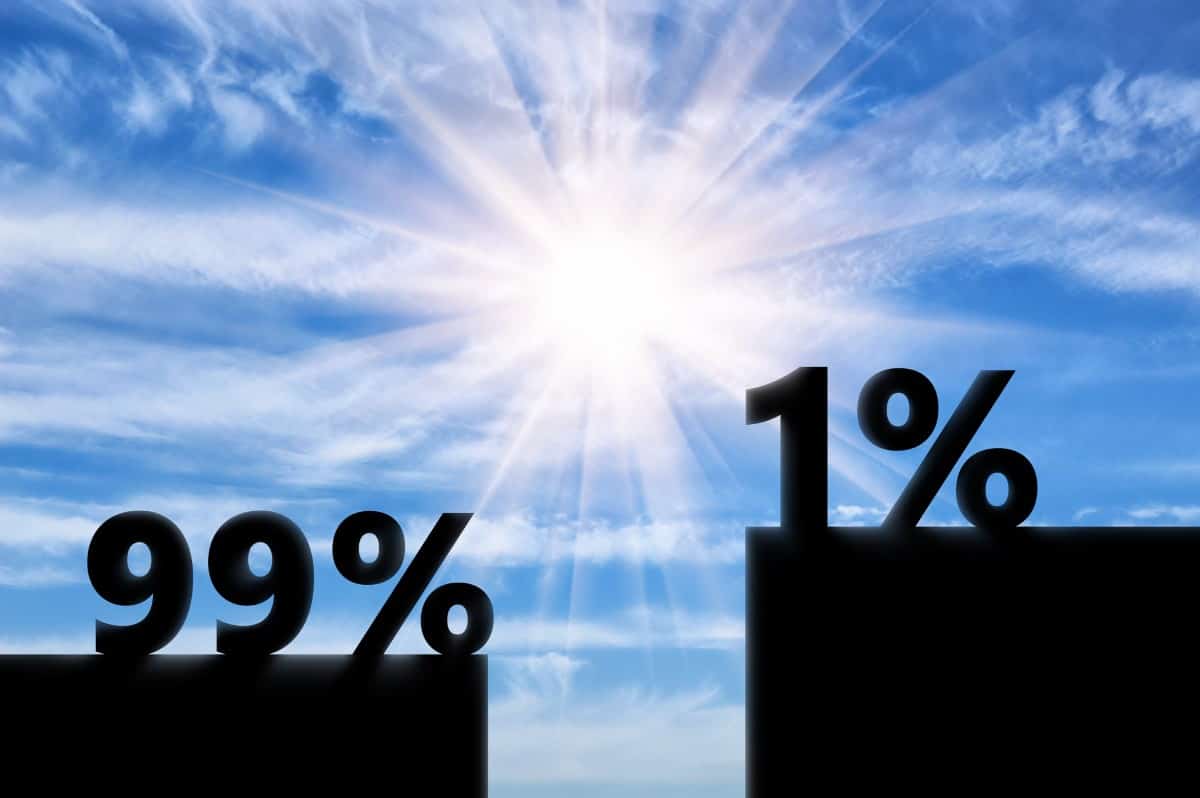
California already relies heavily on its wealthiest residents, with the top 1% generating roughly 40% of income tax revenue.
Mahan argues that risking that base without fixing government inefficiency is reckless. Newsom, by contrast, has framed the issue narrowly as a bad tax; rather than a symptom of deeper fiscal mismanagement.
Political Cover or Real Shift?

Newsom’s late opposition gives political cover to moderates uneasy about the tax, but it also raises questions. Is this a genuine reassessment on the billionaire tax; or a strategic repositioning ahead of a national run? For now, his stance leaves a gap: rejecting the wealth tax while refusing to grapple with the waste and fraud critics say are driving California toward ever-riskier revenue schemes.
Like Financial Freedom Countdown content? Be sure to follow us!
2026 State Tax Shake-Up: See How Your Income, Property, and Sales Taxes Will Change
As the calendar flips to 2026, taxpayers across the country will feel the impact of sweeping state tax changes. From income tax cuts and flat-tax expansions to corporate reforms, sales tax overhauls, and property tax relief, 43 states are implementing notable tax changes, most taking effect January 1, 2026. Together, they reveal a clear trend: states are competing harder than ever to attract workers, families, retirees, and businesses. Below are some of the significant changes.
2026 State Tax Shake-Up: See How Your Income, Property, and Sales Taxes Will Change
$774 Billion on Hand: Treasury Braces for Tariff Refunds as Supreme Court Weighs Trump’s Powers
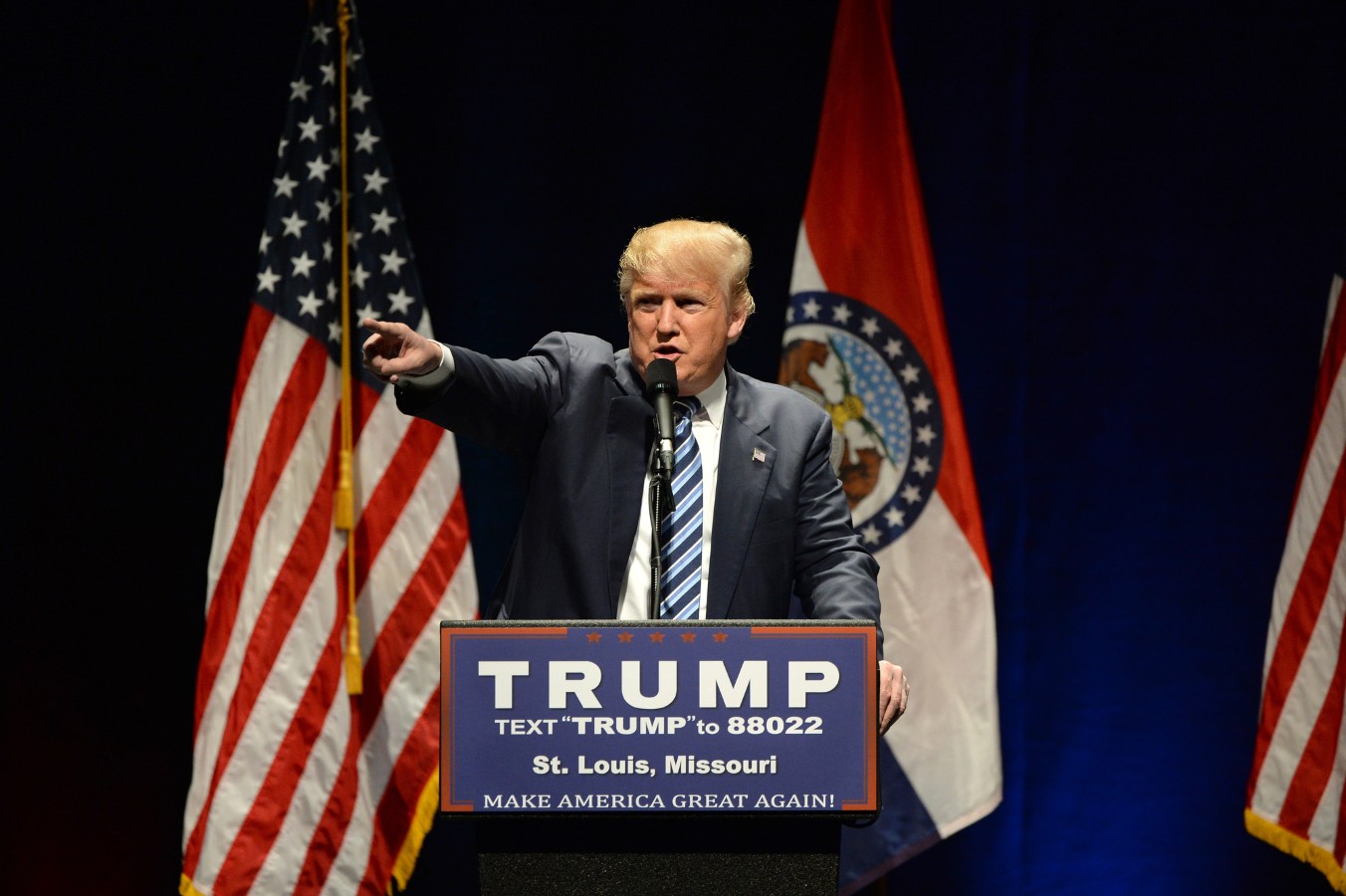
U.S. Treasury Secretary Scott Bessent said the federal government has more than enough cash to cover any tariff refunds if the Supreme Court rules against President Donald Trump’s emergency tariffs. With roughly $774 billion on hand, Bessent stressed that refunds would not pose a liquidity problem, even if payouts stretch over months or more than a year.
$774 Billion on Hand: Treasury Braces for Tariff Refunds as Supreme Court Weighs Trump’s Powers

Did you find this article helpful? We’d love to hear your thoughts! Leave a comment with the box on the left-hand side of the screen and share your thoughts.
Also, do you want to stay up-to-date on our latest content?
1. Follow us by clicking the [+ Follow] button above,
2. Give the article a Thumbs Up on the top-left side of the screen.
3. And lastly, if you think this information would benefit your friends and family, don’t hesitate to share it with them!

John Dealbreuin came from a third world country to the US with only $1,000 not knowing anyone; guided by an immigrant dream. In 12 years, he achieved his retirement number.
He started Financial Freedom Countdown to help everyone think differently about their financial challenges and live their best lives. John resides in the San Francisco Bay Area enjoying nature trails and weight training.
Here are his recommended tools
Personal Capital: This is a free tool John uses to track his net worth on a regular basis and as a retirement planner. It also alerts him wrt hidden fees and has a budget tracker included.
Platforms like Yieldstreet provide investment options in art, legal, real estate, structured notes, venture capital, etc. They also have fixed-income portfolios spread across multiple asset classes with a single investment with low minimums of $10,000.