Elon Musk Warns U.S. Is ‘1,000% Going to Go Bankrupt’ Without AI and Robotics to Solve Soaring Debt
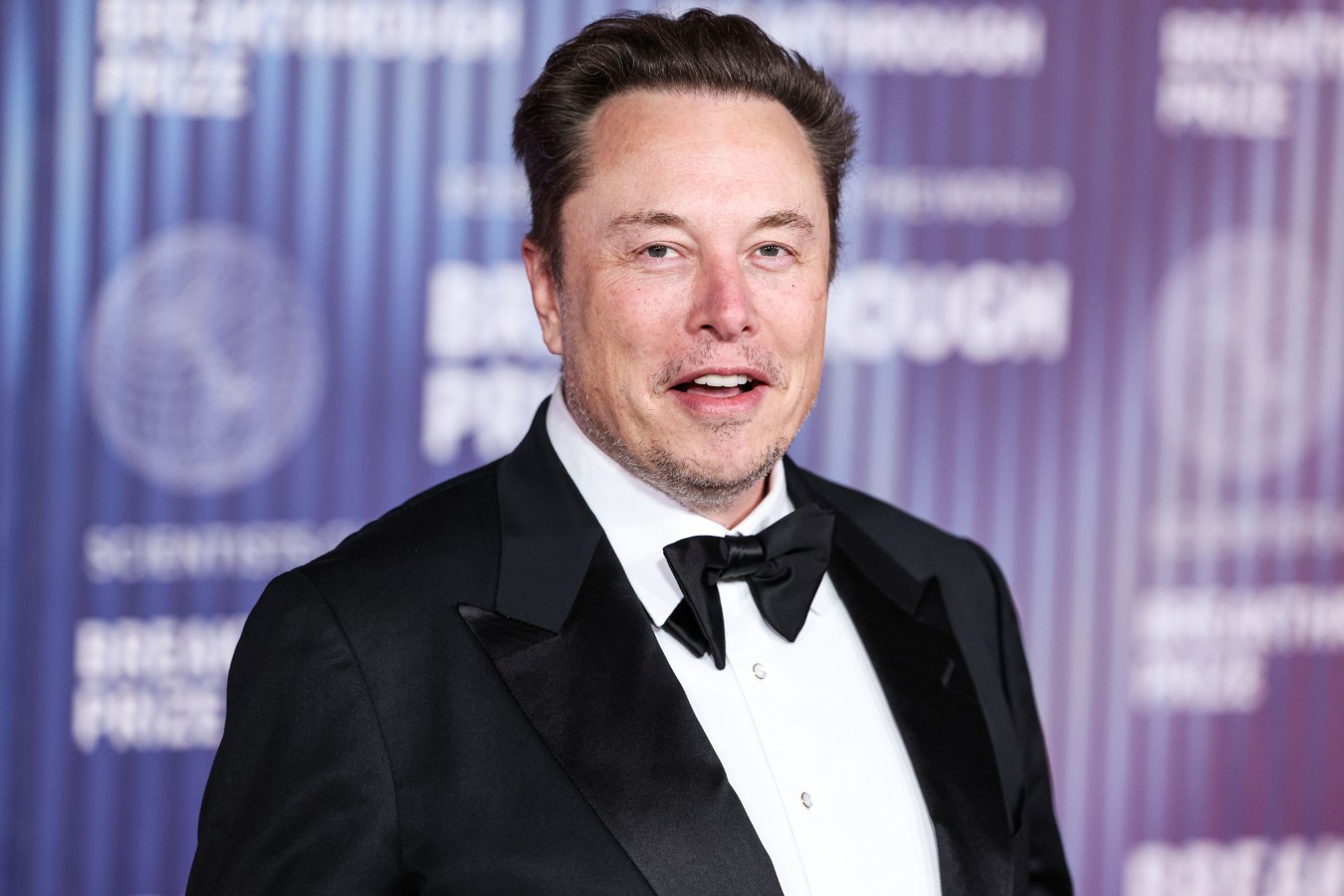
Tesla CEO Elon Musk is doubling down on his alarm over America’s fiscal trajectory, warning that the United States is “1,000% going to go bankrupt” unless artificial intelligence and robotics dramatically expand economic output. The billionaire entrepreneur argues that without a technological revolution capable of supercharging GDP growth, the country’s soaring debt load will become unmanageable.
Musk’s comments come as the national debt hovers around $38.5 trillion, with annual deficits continuing to widen. He has increasingly framed advanced automation as not just an economic opportunity, but a fiscal necessity.
AI and Robots as the Only Lifeline

Speaking in a wide-ranging interview with podcaster Dwarkesh Patel alongside Stripe cofounder John Collison, Musk was pressed on why he advocated aggressive spending cuts while leading the Department of Government Efficiency (DOGE) if he believes AI will drive explosive growth.
“In the absence of AI and robotics, we’re actually totally screwed because the national debt is piling up like crazy,” he added.
Reflecting on his work with DOGE, Musk said he hoped to slow the country’s financial deterioration long enough for transformative technologies to take hold. “It’s the only thing that could solve the national debt. We are 1,000% going to go bankrupt as a country, and fail as a country, without AI and robots,” he predicted. “Nothing else will solve the national debt. We just need enough time to build the AI and robots to not go bankrupt before then.”
Interest Payments Now Rival Defense Spending

One of Musk’s core concerns centers on debt-servicing costs. Interest payments on the $38.5 trillion debt are running at roughly $1 trillion per year; exceeding the U.S. military budget, he pointed out.
“The interest payments on national debt exceed the military budget, which is a trillion dollars.”
Debt-servicing costs also surpass spending on major social programs like Medicare. Meanwhile, President Donald Trump has pledged to increase annual defense spending to $1.5 trillion, which could once again push the Pentagon’s budget above interest payments, at least temporarily.
Deficits Continue to Widen
The federal government’s spending continues to outpace revenue by hundreds of billions of dollars annually. In fiscal year 2026 alone, Washington has spent roughly $602 billion more than it has collected.
Musk argues that this structural imbalance, compounded by rising interest rates and expanding entitlement costs, is setting the stage for a long-term fiscal squeeze that cannot be resolved through incremental reforms.
The Deflation Dilemma
While Musk believes AI and robotics are the only viable solution, he also warned that their success could introduce new complications.
“That seems likely because you simply won’t be able to increase the money supply as fast as you increase the output of goods and services,” Musk added, referring to the likelihood of deflation.
If AI-driven productivity leads to a surge in goods and services, prices could fall. Deflation would increase the real burden of existing debt, potentially worsening fiscal pressures. By contrast, inflation can temporarily ease the real value of debt; though it risks driving bond yields higher and ultimately raising borrowing costs.
Built-In Advantages for the U.S.

Despite the dire tone, the United States benefits from unique structural advantages. The dollar remains the world’s reserve currency, allowing the Treasury to borrow at lower interest rates than many other nations.
The government also issues debt in its own currency, and the Federal Reserve retains the capacity to purchase Treasury bonds in times of crisis. These factors reduce the likelihood of an outright default; even if fiscal stress intensifies.
Fiscal Watchdogs Sound the Alarm
The Committee for a Responsible Federal Budget (CRFB) recently warned that the U.S. is on a path that could trigger six different types of fiscal crises. While the group said it is “impossible” to predict when a tipping point might occur, it cautioned that “some form of crisis is almost inevitable” without significant policy changes.
Projections cited by the CRFB suggest interest payments could exceed $1.5 trillion annually by 2032 and climb to $1.8 trillion by 2035; levels that would crowd out other federal priorities.
Dollar Devaluation Concerns

Musk has also warned about long-term currency erosion. Data from the Federal Reserve Bank of Minneapolis shows that $100 in 2025 has the purchasing power equivalent of roughly $12 in 1970, underscoring decades of inflation-driven decline.
If debt growth accelerates further, pressure on the dollar could intensify, affecting everything from consumer purchasing power to global investor confidence.
Investors Seek Shelter in Innovation
Despite his grim forecast, Musk’s outlook suggests opportunity as well as risk. He believes AI and robotics could dramatically expand productivity, offset fiscal drag, and potentially generate the growth needed to stabilize the debt-to-GDP ratio.
For investors, that may mean heightened focus on automation, advanced manufacturing, and artificial intelligence platforms; sectors Musk argues are not just growth engines, but essential safeguards against long-term economic instability.
A Race Against Time
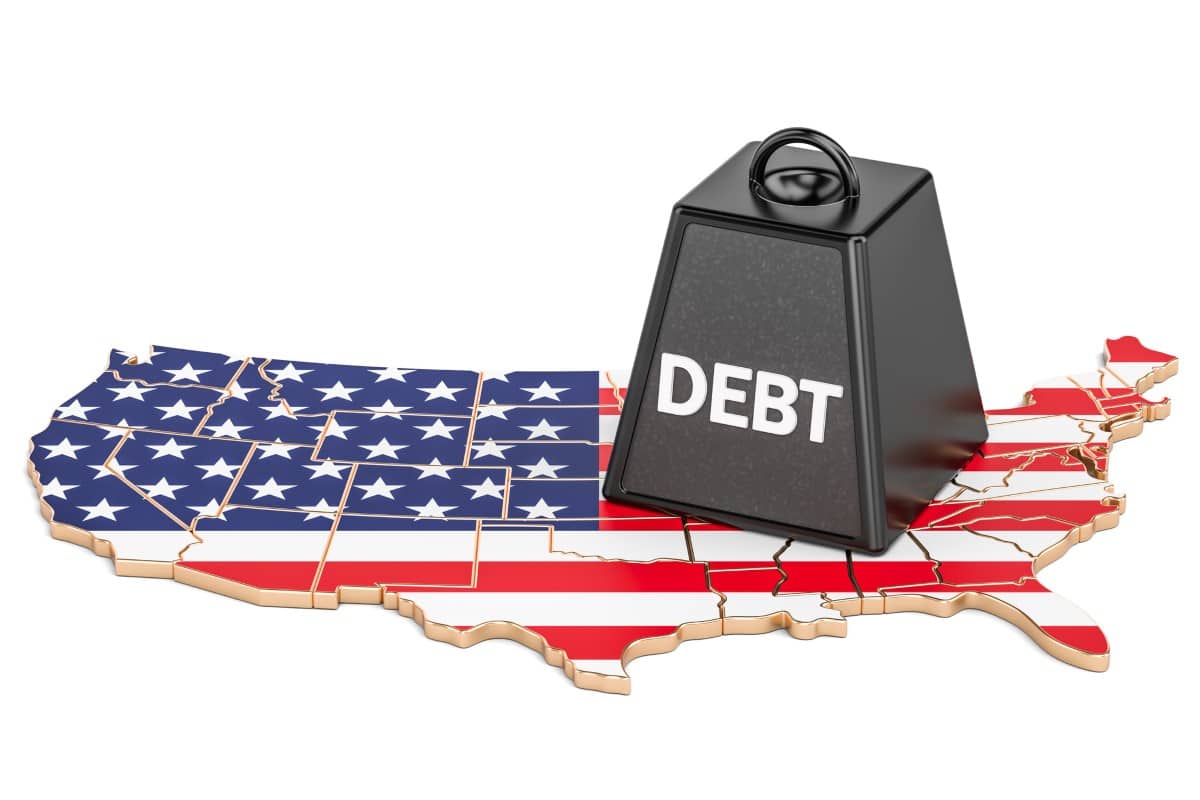
Ultimately, Musk frames the debt crisis as a race between compounding interest and exponential innovation. Without rapid technological deployment at scale, he believes the math becomes inescapable.
His conclusion is blunt: “We are 1,000% going to go bankrupt as a country and fail as a country, without AI and robots.”
Like Financial Freedom Countdown content? Be sure to follow us!
Zillow Identifies 7 U.S. Cities Where Buyers Now Hold the Most Leverage

The real estate landscape is shifting as we enter 2026, offering new opportunities for those who have been waiting on the sidelines. According to Zillow’s latest analysis, Indianapolis has emerged as the most buyer-friendly housing market in the United States. This ranking highlights a significant trend: while coastal hubs remain financially out of reach for many, “opportunity metros” are providing home shoppers with the breathing room and affordability they need to secure long-term value.
Zillow Identifies 7 U.S. Cities Where Buyers Now Hold the Most Leverage
Ray Dalio Warns World Is ‘On the Brink’ of a Capital War; Says Gold Is the Safest Money

Billionaire hedge fund manager Ray Dalio is warning that global tensions are shifting beyond traditional geopolitical conflicts and entering a new era where money itself becomes a weapon. The Bridgewater Associates founder said the world is not just facing a cold war or trade war, but a looming “capital war” in which nations could use financial leverage to pressure rivals. Dalio made the remarks during an interview at the World Governments Summit in Dubai, cautioning that escalating political and economic tensions could disrupt global markets and investment flows. Dalio described a scenario where countries could attack each other by controlling the flow of capital, particularly through debt ownership and financial sanctions. Such financial warfare, he warned, could create severe market instability and alter how investors and governments manage their money.
Ray Dalio Warns World Is ‘On the Brink’ of a Capital War; Says Gold Is the Safest Money
Did you find this article helpful? We’d love to hear your thoughts! Leave a comment with the box on the left-hand side of the screen and share your thoughts.
Also, do you want to stay up-to-date on our latest content?
1. Follow us by clicking the [+ Follow] button above,
2. Give the article a Thumbs Up on the top-left side of the screen.
3. And lastly, if you think this information would benefit your friends and family, don’t hesitate to share it with them!

John Dealbreuin came from a third world country to the US with only $1,000 not knowing anyone; guided by an immigrant dream. In 12 years, he achieved his retirement number.
He started Financial Freedom Countdown to help everyone think differently about their financial challenges and live their best lives. John resides in the San Francisco Bay Area enjoying nature trails and weight training.
Here are his recommended tools
Personal Capital: This is a free tool John uses to track his net worth on a regular basis and as a retirement planner. It also alerts him wrt hidden fees and has a budget tracker included.
Platforms like Yieldstreet provide investment options in art, legal, real estate, structured notes, venture capital, etc. They also have fixed-income portfolios spread across multiple asset classes with a single investment with low minimums of $10,000.