‘Everyone tax’: Chamath warns California billionaire tax could expand without voter approval and hit the middle class
Venture capitalist Chamath Palihapitiya sharply escalated the fight over California’s proposed billionaire tax, arguing the measure is misleadingly branded and could ultimately impact ordinary residents. In a series of posts on X this weekend, Palihapitiya wrote that “The Billionaire Tax is actually an Everyone Tax,” claiming the proposal contains language that would allow lawmakers to expand it beyond billionaires and convert it into an annual levy without another public vote.
Palihapitiya also attacked the authors of the proposal, saying it was written by professors who “don’t believe in the American dream.” He further questioned why a measure supposedly aimed only at billionaires would include provisions he says could later broaden its scope.
Palihapitiya also highlighted what he described as intrusive reporting requirements. He claimed voters would be authorizing the state to require detailed disclosure of everyone’s assets, allow state reviews of valuations, impose penalties if valuations are deemed too low, and subpoena financial records during audits.
Those criticisms shift the debate beyond tax rates and into questions of privacy, administrative power, and enforcement authority.
Chamath points to “shifty language describing how the government plans to take your assets”
In a post on X, Chamath wrote, “On page twenty-six of “The Billionaire Tax” proposal in California, it explains how the state legislature can convert from a Billionaire Tax to an Everyone Tax without voter approval. They can also adjust the tax to be a yearly tax, not just one time…again, without your approval.
Intelligence test for you: if this was meant to just target Billionaires, why did they write this in?”
Chamath further elaborated on the details tucked into the tax proposal. He wrote on X, “The Billionaire Tax is actually an Everyone Tax.
The Billionaire Tax is a new tax proposal written by four professors who don’t believe in the American dream. Some of them aren’t even American…go figure.
Despite its name, it applies to every California resident who currently has assets or ever will. The creators named it the Billionaire Tax so you would get into a froth and wouldn’t look closely at what it actually does to you.
On page twenty-six, it explains how the government can convert to an Everyone Tax without voter approval. They can also adjust the tax to be a yearly tax, not just one time…again, without your approval.
Here’s how the tax would work: As a voter, you’re being asked to approve a tax that would require you to:
1. list all your assets and the value of each, then submit them to the California Franchise Tax Board.
2. authorize the tax board to appraise your assets and confirm the value of each.
3. pay a penalty of up to forty percent of your tax bill if the board determines your reported value was too low in their opinion.
4. allow the tax board to subpoena your financial records from every one of your financial institutions for auditing.
This Everyone Tax runs 34 pages of shifty language describing how the government plans to take your assets.
Read the fine print and decide for yourself. If this were truly a billionaire tax, it would be 3 pages. It’s 34 pages so that it can create the mechanisms to steal from all of you.”
Chamath Palihapitiya warns “the California budget is hosed”
Venture capitalist Chamath Palihapitiya had already issued a blunt warning in January that the state’s budget troubles could ultimately land on the middle class.
In a sharply worded post on X, he wrote:
“The California budget is hosed.
Now, the only place to look is the middle class and what should worry an average Californian is that this idiotic ‘Billionaire Tax’ actually allows the legislature to apply it to the middle class as they see fit.
Buyer beware…”
His remarks added fresh fuel to an already heated clash between tech leaders and Rep. Ro Khanna over the proposed wealth levy.
San Jose Mayor Had Warned California’s Billionaire Tax Could Hit the Middle Class

Palihapitiya is not the only one warning about the billionaire tax impact on Californians.
San Jose Mayor Matt Mahan was forcefully warning several months ago that the policy could trigger unintended consequences for ordinary California residents.
In January, Mahan had said in a post on X that the “so-called wealth tax is going to backfire,” arguing that unless the state first closes federal tax loopholes and aggressively cuts waste and fraud, the burden will ultimately fall on middle-class taxpayers while California’s innovation economy is put at risk.
Mahan’s warning comes as some of California’s most prominent tech founders quietly restructure their financial ties to the state.
The Wealth Tax Driving Billionaire Anxiety

At the center of the reshuffling is a proposed ballot initiative backed by a healthcare workers’ union. The proponents say the measure would impose a one-time 5% tax on Californians worth more than $1 billion, applied retroactively to anyone living in the state as of January 1.
Supporters say the tax could raise roughly $100 billion from California’s wealthiest residents to offset healthcare cuts and fund public services. Critics say it invites capital flight, discourages long-term investment, and creates powerful incentives for the ultra-wealthy to restructure or leave.
Many Billionaires Already Left
Venture capitalist Vinod Khosla sharply criticized Khanna’s support for the measure, labeling it a “commie” tax and warning it could permanently damage California’s tax base. Khosla claimed that even before passage, roughly half of the state’s top $2 trillion in wealth has already left.
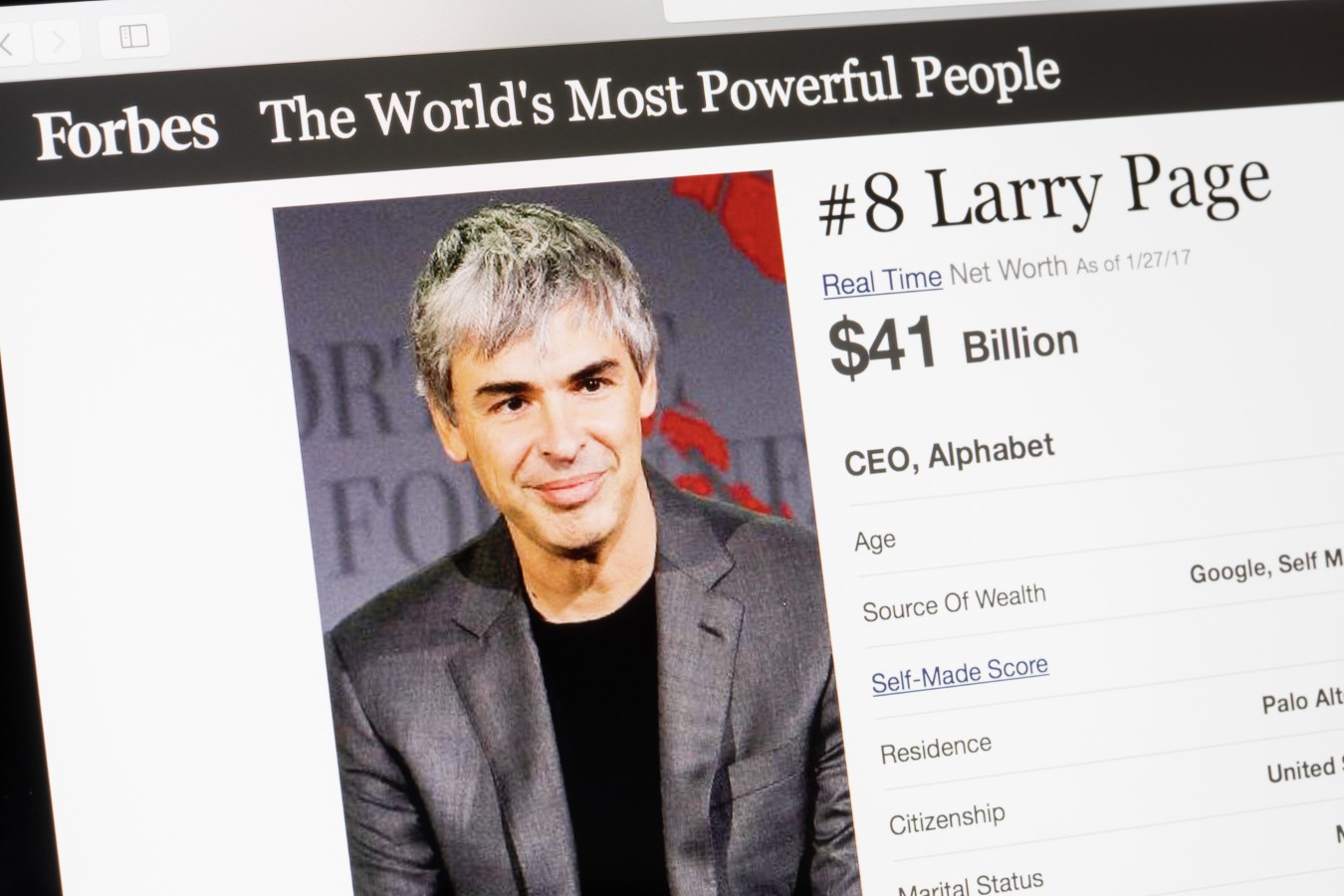
Silicon Valley is reeling following confirmation that Google cofounder Larry Page has officially traded the Bay Area for the tax-friendly shores of Florida, a move venture capital titan Paul Graham warns is a direct response to the state’s aggressive new wealth tax proposal.
Paul Graham posted on X, “Larry Page is gone. He wasn’t just pretending to move to Florida. He has moved. The proposed wealth tax hasn’t even passed, and already it has cost California both Larry’s presence and all the tax revenue it made from him.”
California tech billionaire Peter Thiel announced that he had “established a significant presence in Miami over the last several years, maintaining a personal residence in the city since 2020” and an office for his Founders Fund venture capital firm since 2021.
David Sacks, a billionaire venture capitalist and co-founder of Craft Ventures, announced on the final day of 2025 that his firm had opened an office in Austin, Texas.
Sacks, who previously lived in San Francisco, relocated earlier in December, timing the move just ahead of the proposed residency cutoff.
Uber co-founder Travis Kalanick also left California for Texas. Speaking on the TPBN podcast with hosts John Coogan and Jordi Hays, Kalanick said he settled in Austin on December 18 while discussing his robotics venture Atoms; adding that he felt “left out” watching wealthy Americans flock to Florida.
Tech investor Chamath Palihapitiya has publicly said he is giving “serious consideration” to moving to Texas, warning that the tax could drive entrepreneurs and capital out of California.
Y Combinator CEO Garry Tan cautioned that the uncertainty surrounding the proposal could crush California’s startup ecosystem. He warned that founders might relocate before their companies succeed; or avoid launching new ventures in the state altogether.
Billionaire tax “math doesn’t add up”

In a post on X, Chamath Palihapitiya said “California is disguising a proposed asset seizure tax as a “Billionaire Tax,” but the math doesn’t add up. They wanted $100B from 200 Californian billionaires but $500B in wealth has already fled the state, leaving a $25B hole in their plan. And it’s still only a proposal. Imagine how much more wealth will leave if this actually makes the ballot?? Why should you care? The fine print in the bill allows the California legislature to apply this asset tax to non-billionaires as well whenever they want. Your car, home and jewelry would all count. California isn’t coming just for the rich. This bill, while disguised as a tax on the wealthy, is actually the infrastructure to tax everyone in California even more – but now on everything you own. Instead, why not fund our budget by first stopping the waste??”
San Jose Mayor Highlights Waste and Fraud in California
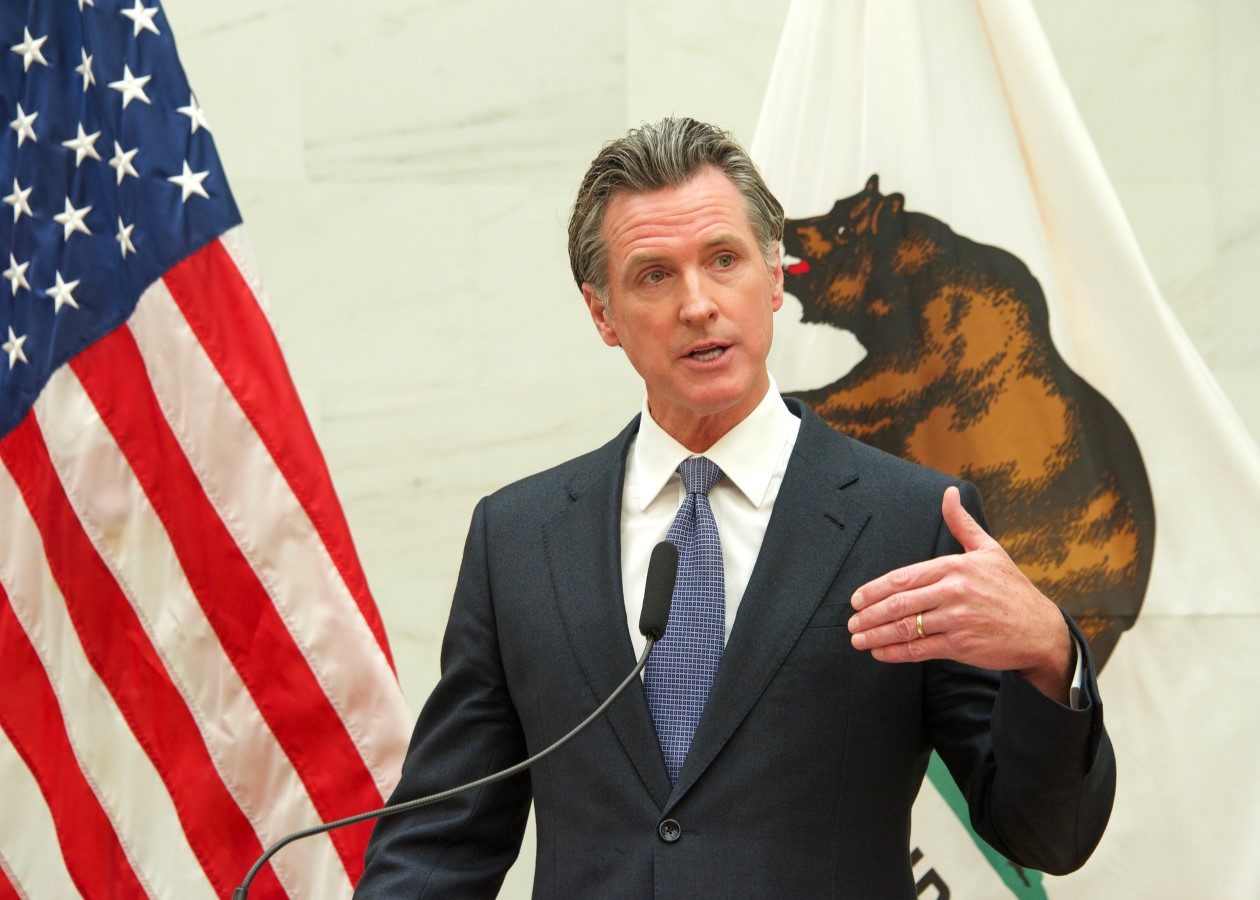
San Jose Mayor Matt Mahan argues that the wealth tax isn’t just misguided; it ignores California’s real fiscal failures.
“Just in the last few years in California alone, credible sources estimate that we’ve had $20 to $30 billion in fraudulent unemployment claims and huge amounts of waste in our health care system,” Mahan said. “So I think we ought to ask government to do better before we ask taxpayers to pay more.”
Mahan points out that California is already a high-tax state with one of the most progressive tax structures in the country. The top 1% of earners already generate about 40% of the state’s income tax revenue.
“So let’s close loopholes,” he said, “but also realize that there’s a lot of waste and fraud in government that we ought to be going after first, before we put our innovation economy at risk.”
In a sharply argued opinion piece, Mahan says both Gov. Gavin Newsom and Rep. Ro Khanna are partly right; and partly wrong.
Khanna has argued California needs the billionaire tax to offset federal healthcare cuts. Newsom has opposed it, warning it would drive out innovators, reduce middle-class jobs, and shrink the tax base over time.
Mahan agrees economic inequality is real and that federal cuts to the social safety net are dangerous. But he says taxing wealth at the state level is the wrong solution; especially without first addressing waste, fraud, and abuse.
“Making all Californians poorer is not the answer,” Mahan wrote. “Driving out the entrepreneurs and innovators who have enriched California is not the solution to a growing concentration of wealth.”
The Waste Problem California Won’t Confront

Mahan points to uncomfortable facts state leaders rarely emphasize: more than $20 billion lost to unemployment fraud during the pandemic, up to 30% of community college financial aid applications flagged as fraudulent, massive cost overruns on state construction projects, and billions spent on homelessness programs that failed to reduce the number of people living on the streets statewide.
Rooting out waste and inefficiency, Mahan argues, would make government more effective; and reduce the perceived need for economically risky taxes.
A Defining Choice for California
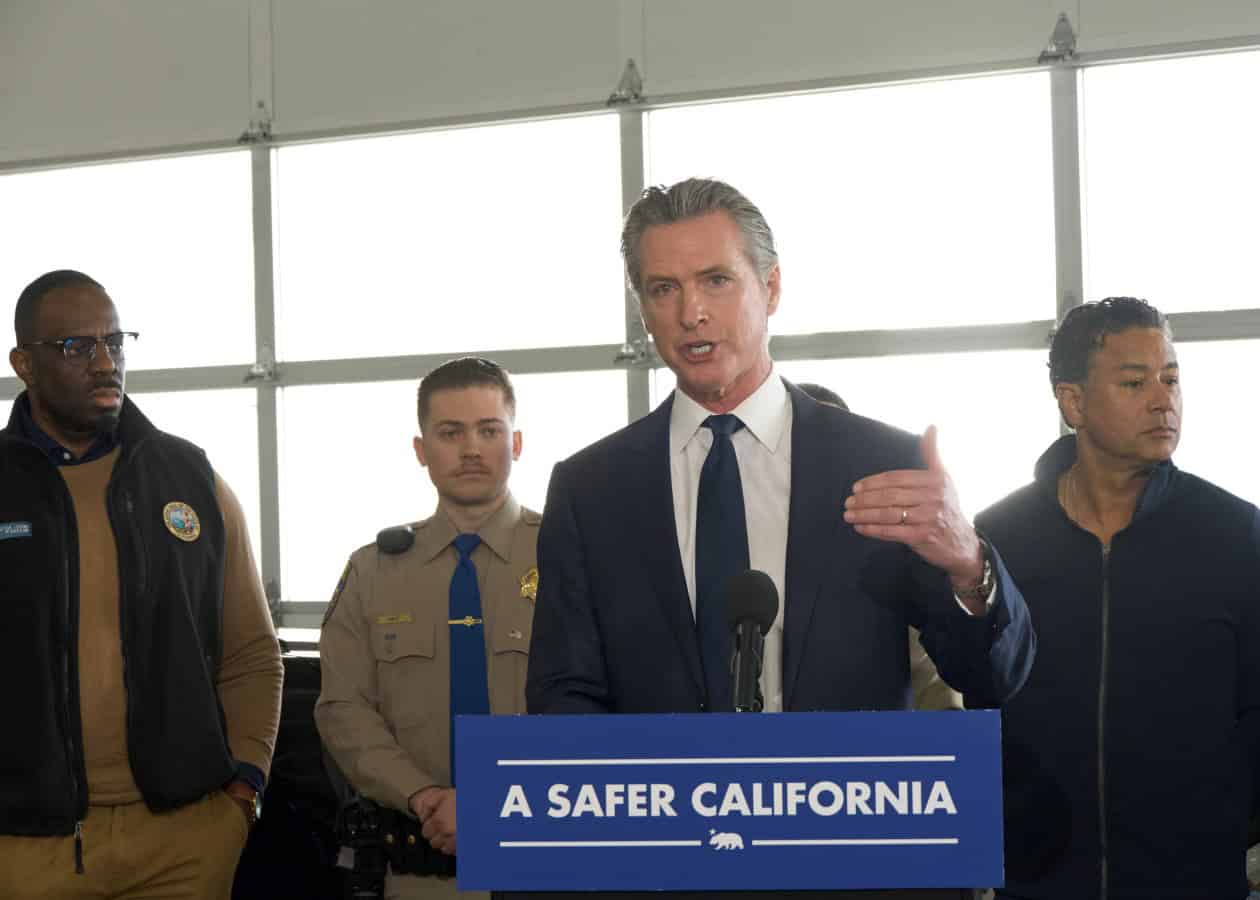
Mahan’s warning lands at a pivotal moment. California can choose to double down on symbolic wealth taxes on assets; or confront the harder work of reforming how government spends trillions of dollars already entrusted to it.
“If California wants to ‘stick it to the rich,’” Mahan warns, “the rich have a simple response: they can just leave.”
Palihapitiya’s “buyer beware” warning also underscores a widening divide within California. As the billionaire tax debate deepens, the battle lines are no longer just between lawmakers and billionaires; but within the middle class itself, with broader questions emerging about who ultimately bears the cost.
The fight is no longer just about billionaires or California
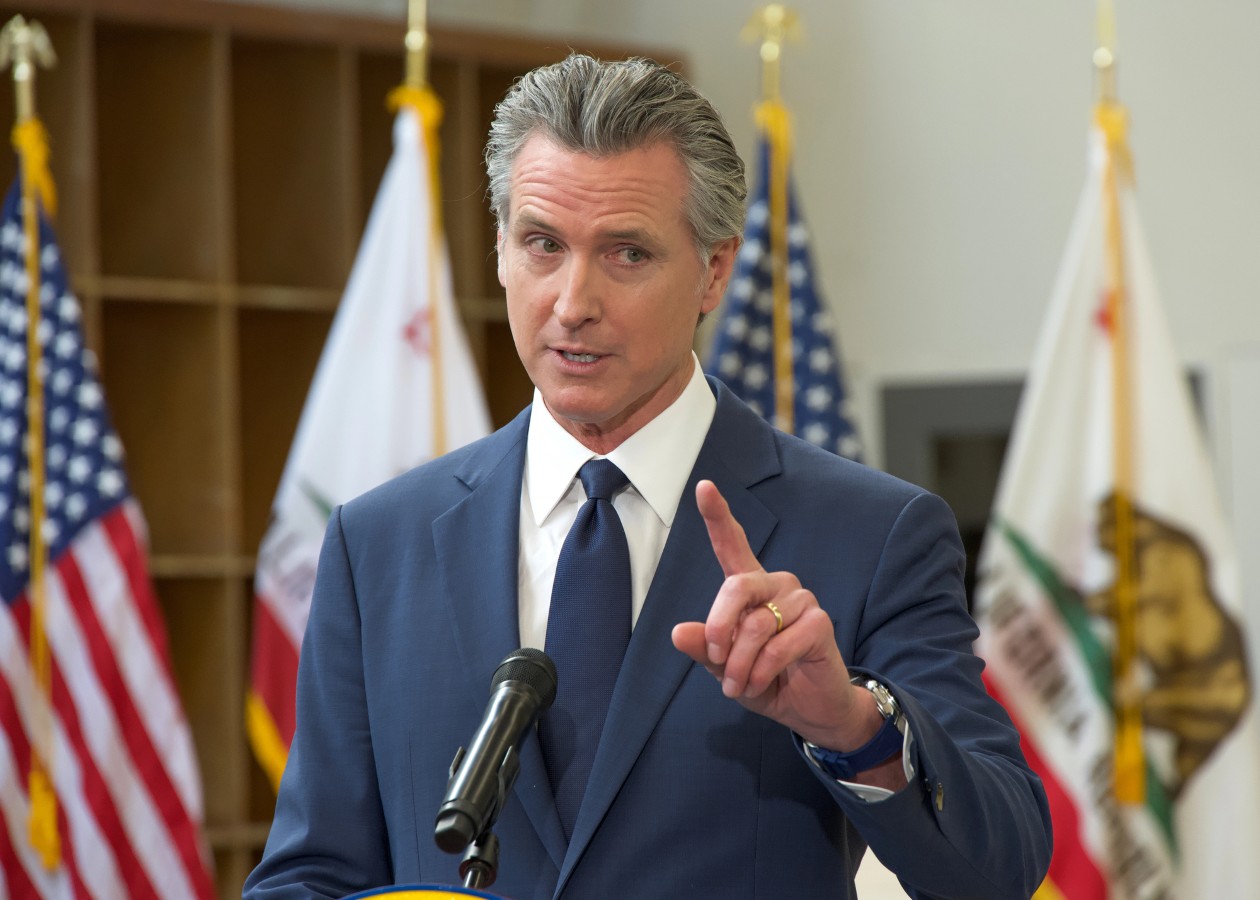
Chamath Palihapitiya’s latest posts may have reframed the debate from a tax on the ultra-rich to a broader question about government reach and future burdens on ordinary Californians.
With billionaire departures mounting and critics warning the proposal could evolve over time, the battle now centers on whether voters see a targeted levy; or the first step toward an “Everyone Tax.”
Bernie Sanders has supported the California tax and has introduced similar legislation in Congress at the federal level with Ro Khanna.
Khanna has been exploring a presidential run, while Newsom is widely seen as a leading contender in the Democratic Party.
Besides Sanders, Warren, Markey, Booker, Wyden and other Democrats have launched competing wealth tax plans as Democrats eye the 2026 midterms.
Like Financial Freedom Countdown content? Be sure to follow us!

Did you find this article helpful? We’d love to hear your thoughts! Leave a comment with the box on the left-hand side of the screen and share your thoughts.
Also, do you want to stay up-to-date on our latest content?
1. Follow us by clicking the [+ Follow] button above,
2. Give the article a Thumbs Up on the top-left side of the screen.
3. And lastly, if you think this information would benefit your friends and family, don’t hesitate to share it with them!

John Dealbreuin came from a third world country to the US with only $1,000 not knowing anyone; guided by an immigrant dream. In 12 years, he achieved his retirement number.
He started Financial Freedom Countdown to help everyone think differently about their financial challenges and live their best lives. John resides in the San Francisco Bay Area enjoying nature trails and weight training.
Here are his recommended tools
Personal Capital: This is a free tool John uses to track his net worth on a regular basis and as a retirement planner. It also alerts him wrt hidden fees and has a budget tracker included.
Platforms like Yieldstreet provide investment options in art, legal, real estate, structured notes, venture capital, etc. They also have fixed-income portfolios spread across multiple asset classes with a single investment with low minimums of $10,000.