
Inflation Cools, Markets Cheer; But the Numbers Come With a Major Catch

Inflation eased more than expected in November, delivering a rare dose of relief to consumers and policymakers alike. But the long government shutdown that delayed the report has left economists arguing over whether the slowdown is real; or just a statistical mirage.
Inflation Slows to 2.7%, Beating Forecasts

Consumer prices rose 2.7% in November from a year earlier, down from a recent peak of 3% in September, according to a Labor Department report released Dec. 18.
Forecasters had expected inflation to keep climbing, with consensus estimates closer to 3.1%. Instead, the reading surprised markets and briefly lifted stocks.
Core Inflation Hits Lowest Level Since 2021

Even more striking was the core inflation figure, which strips out volatile food and energy prices. Core CPI rose just 2.6% in November; the lowest level since 2021; suggesting that underlying price pressures may be easing despite months of concern over tariffs and supply-chain costs.
Gas and Cars Gave Consumers a Break

The November slowdown reflected smaller price increases for gasoline and new vehicles, categories that had pushed inflation higher earlier in the year. Cooling rent growth also helped, though economists caution that housing data may be distorted by missing information from the shutdown period.
Where’s the Tariff Inflation Everyone Feared?

Many economists had expected President Donald Trump’s import tariffs to keep pushing prices higher into late 2025. A recent National Bureau of Economic Research paper estimated tariffs added roughly 0.7 percentage points to inflation earlier this year. That made November’s softer reading especially puzzling.
“The market can hardly believe their eyes,” said several economists. “Where is the tariff inflation?”
The October Data Gap Is a Big Problem

One reason for skepticism: there will never be an official inflation report for October. The historic government shutdown, which ran from Oct. 1 to Nov. 12, created a permanent hole in the data. As a result, the November report lacks the usual month-to-month comparisons economists rely on to spot trends.
Why Economists Are Urging Caution
With limited time to collect prices; and Thanksgiving discounts skewing late-November data; analysts warn the November figures could understate inflation. Missing October rent data may have artificially pushed down housing inflation estimates, a key component of the CPI.
“It’s just one month of data, and distortions can’t be ruled out,” said an economist.
Markets Cheer, But Don’t Fully Trust It

Stocks jumped after the report, but the bond market reaction was muted. Treasury yields held relatively steady, signaling that investors are not fully convinced inflation has turned a corner. As a prominent economist put it, “The vast, vast majority of this is just noise and should be ignored.”
What This Means for the Federal Reserve

If inflation is genuinely cooling, it could make the Federal Reserve’s job easier as it weighs further interest-rate cuts in early 2026. But Fed Chair Jerome Powell has warned that tariffs could still add “a couple tenths” to inflation next year; and officials will place far more weight on upcoming reports that aren’t distorted by shutdown-related data gaps.
Relief, Not a Victory Lap

A 2.7% inflation rate is far from a crisis, but it remains a source of frustration for Americans who have endured years of elevated prices. With unemployment rising to 4.6% and tariff effects still filtering through the economy, November’s report offers cautious optimism; just not the all-clear signal many consumers are hoping for.
Like Financial Freedom Countdown content? Be sure to follow us!
New Social Security CBO Proposal Would Cut Benefits for Top 50% of Retirees
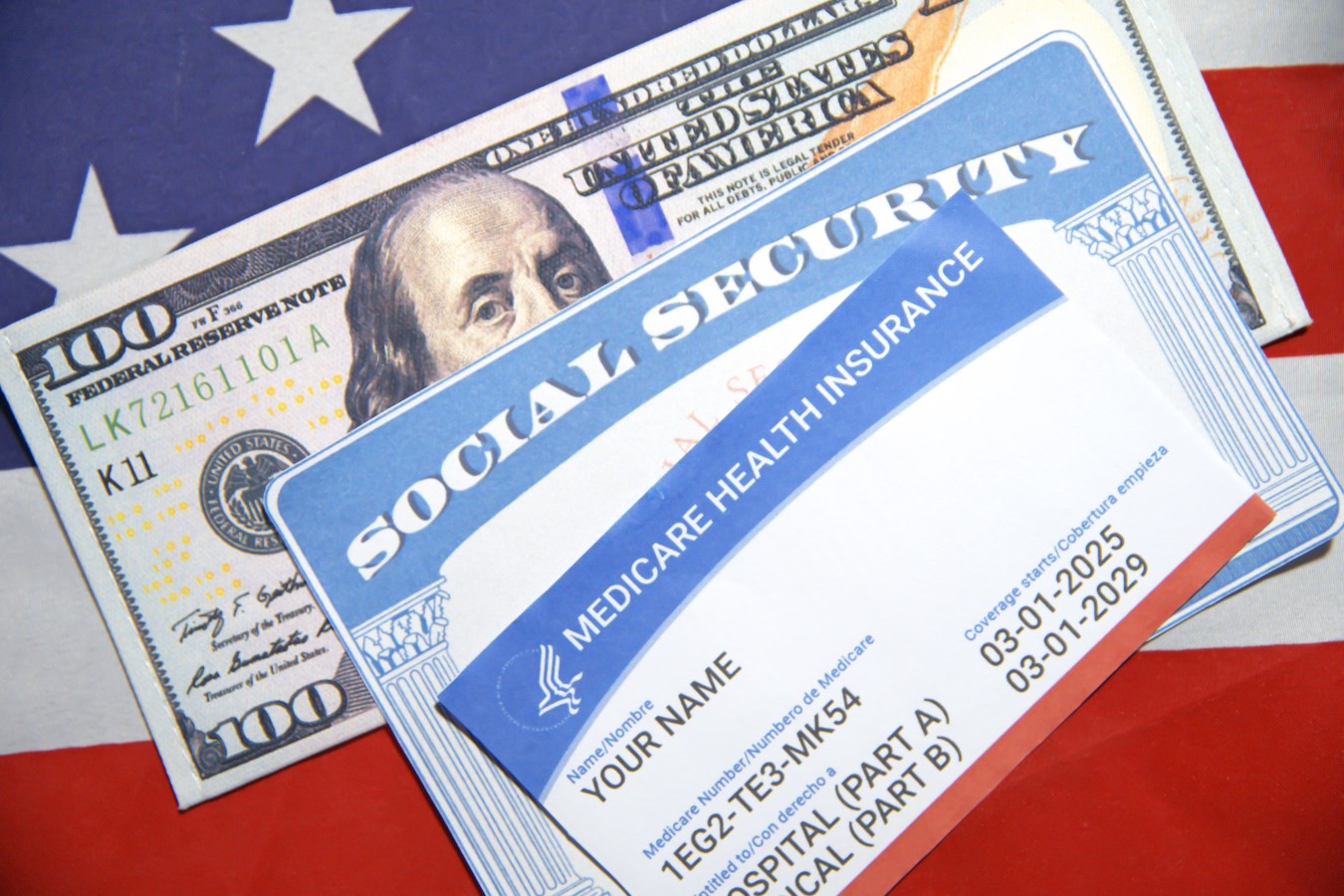
The Congressional Budget Office (CBO) has released a controversial new budget option that aims to shore up the federal government’s finances by targeting the retirement checks of high-income Americans. With the federal deficit hitting a staggering $1.8 trillion in Fiscal Year 2025 and the Social Security insolvency clock ticking down to 2033, this proposal offers a stark look at one potential “fix”: changing the math to pay the wealthy less.
New Social Security CBO Proposal Would Cut Benefits for Top 50% of Retirees
The $270,000 Retirement Trap: Vanguard Says You’re Planning for Health Care Costs All Wrong

Health care costs in retirement are consistently cited as the single greatest financial worry for pre-retirees and retirees. Experts, like those at the Employee Benefit Research Institute (EBRI), have quantified the savings needed for a 65-year-old couple at a daunting $270,000 to cover total health care premiums and out-of-pocket costs throughout retirement (excluding long-term care). However, new research from Vanguard, in partnership with Mercer Health & Benefits, suggests that focusing on this large, lifetime lump sum is not only overwhelming but also the wrong way to plan.
The $270,000 Retirement Trap: Vanguard Says You’re Planning for Health Care Costs All Wrong
Social Security Crisis: New Plan Could Tax High Earners to Prevent 21% Benefit Cut

The United States is facing a fiscal double-whammy: a ballooning federal budget deficit and a Social Security trust fund racing toward depletion. With the Congressional Budget Office (CBO) releasing new numbers on potential fixes, one option is gaining significant attention: uncapping the Social Security payroll tax.
Social Security Crisis: New Plan Could Tax High Earners to Prevent 21% Benefit Cut
Trump Signals Interest in Australia’s ‘Super’ Retirement System; A Mandatory 12% Employer Contribution Could Upend U.S. Savings

President Donald Trump sparked a national debate after saying the Australian retirement system is a “good plan” that has “worked out very well,” adding that the administration is “looking at it very seriously.” His comments raised the question: Could the U.S. pivot away from its aging retirement model and adopt components of Australia’s mandatory “superannuation” program?

Did you find this article helpful? We’d love to hear your thoughts! Leave a comment with the box on the left-hand side of the screen and share your thoughts.
Also, do you want to stay up-to-date on our latest content?
1. Follow us by clicking the [+ Follow] button above,
2. Give the article a Thumbs Up on the top-left side of the screen.
3. And lastly, if you think this information would benefit your friends and family, don’t hesitate to share it with them!

John Dealbreuin came from a third world country to the US with only $1,000 not knowing anyone; guided by an immigrant dream. In 12 years, he achieved his retirement number.
He started Financial Freedom Countdown to help everyone think differently about their financial challenges and live their best lives. John resides in the San Francisco Bay Area enjoying nature trails and weight training.
Here are his recommended tools
Personal Capital: This is a free tool John uses to track his net worth on a regular basis and as a retirement planner. It also alerts him wrt hidden fees and has a budget tracker included.
Platforms like Yieldstreet provide investment options in art, legal, real estate, structured notes, venture capital, etc. They also have fixed-income portfolios spread across multiple asset classes with a single investment with low minimums of $10,000.