
Inflation stays hot across food, shelter and energy as Fed governor warns 50-basis-point rate hike may be needed

Inflation continues to challenge the U.S. economy, with October data showing persistent price increases across food, shelter, energy and other consumer expenses. The latest figures have renewed concerns that the Federal Reserve may need to raise interest rates again, even as Americans continue struggling with the cost of living.
Federal Reserve officials are increasingly concerned that inflation is becoming broad-based rather than remaining concentrated in energy prices. Dallas Fed President Lorie Logan has called for at least two additional rate increases, while Fed Governor Christopher Waller has indicated that a larger increase may be necessary depending on incoming inflation data.
The possibility of higher borrowing costs comes at a difficult time for American households. A Gallup study reveals that financial confidence remains limited across generations, with younger Americans reporting particularly high levels of financial stress and Generation X expressing concerns about whether retirement savings will last.
Inflation continues to rise across the U.S. economy

The October Consumer Price Index showed that inflationary pressures remain persistent, even after the sharp increase recorded in September.
According to the Bureau of Labor Statistics, the Consumer Price Index for All Urban Consumers increased 0.4% on a seasonally adjusted basis in October, following a 0.6% increase in September.
Core inflation, which excludes food and energy, also increased 0.3% in October. That marked the third consecutive month in which core CPI rose by 0.3%.
The figures suggest that inflation remains a concern beyond the volatility associated with energy prices. For the Federal Reserve, the persistence of core inflation is particularly important because it can indicate whether price pressures are becoming embedded across the broader economy.
Food, shelter and other expenses continue to pressure households

October’s inflation figures show that Americans are still paying more for several essential goods and services.
The food index increased 0.5% during the month. Grocery prices rose 0.4%, while food purchased away from home increased 0.5%.
Shelter costs also continued climbing, increasing 0.3% and accounting for more than 30% of the monthly increase in the overall CPI.
Other categories experiencing monthly price increases included recreation, medical care, motor vehicle insurance, household furnishings and operations, and education.
These increases are important because they demonstrate that inflation is affecting multiple areas of household spending. Even when consumers find temporary relief in one category, higher expenses elsewhere can continue putting pressure on monthly budgets.
Energy prices remain a concern despite changes at the gas pump

Energy prices increased 0.7% in October, following a much larger 5.2% increase in September.
The gasoline index increased 1.0% on a seasonally adjusted basis during October, following a 9.1% increase in September. However, actual gasoline prices before seasonal adjustment declined 0.7% during the month.
The distinction matters because seasonal adjustments are designed to account for recurring price patterns. The unadjusted figure more directly reflects the actual movement in prices consumers encountered during the month.
Electricity prices increased 0.9%, while natural gas prices declined 0.8%.
The Federal Reserve is also concerned about the possibility that elevated energy costs could eventually affect other consumer prices. Higher fuel and transportation expenses can increase operating costs for businesses, potentially creating additional pressure on goods and services.
Fed officials worry inflation is becoming more widespread
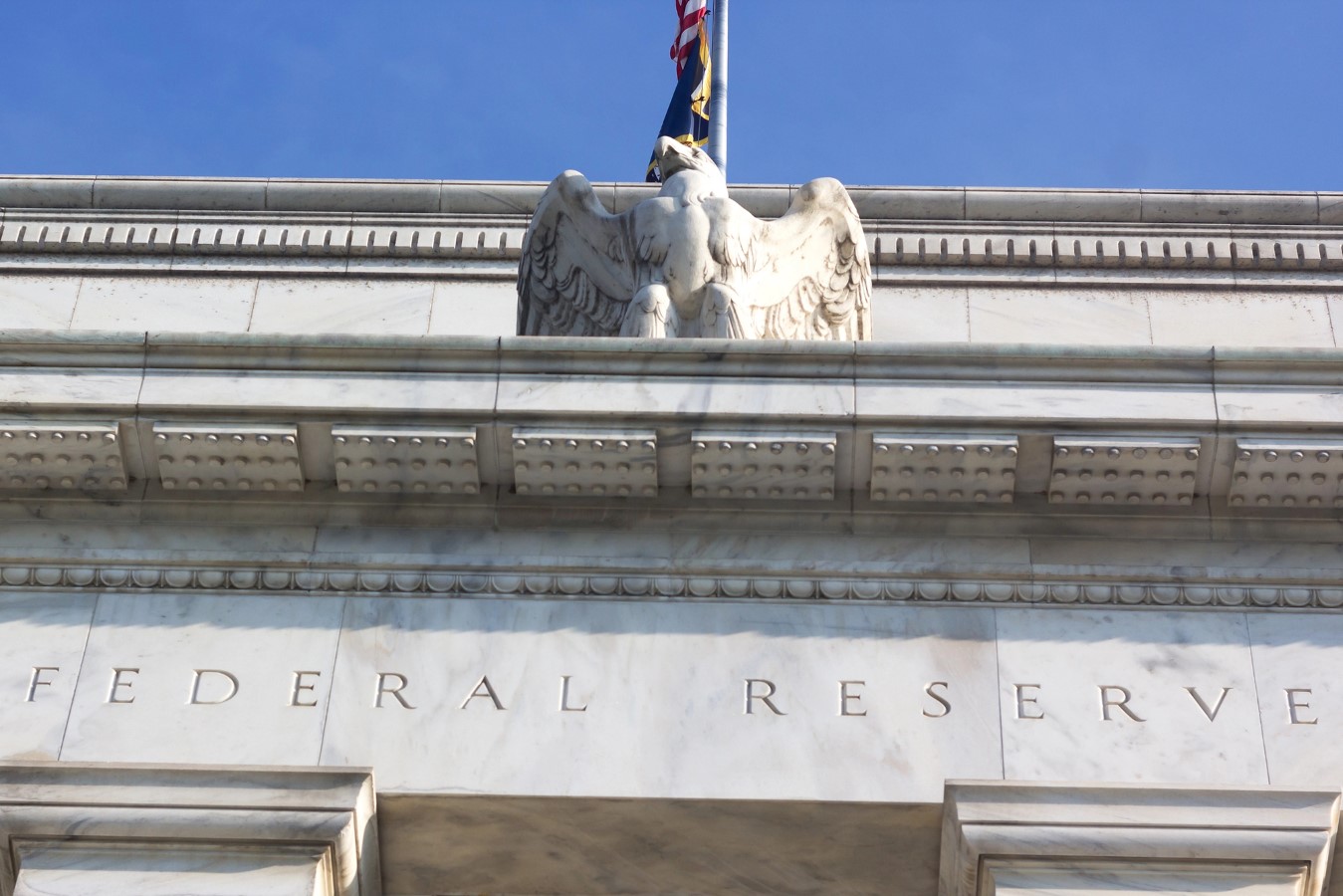
Federal Reserve Governor Christopher Waller has expressed concern that inflation is increasingly affecting categories that policymakers consider important when evaluating underlying price pressures.
In his November 10 speech, Waller said inflation remained too high and argued that additional monetary tightening would be needed sooner rather than later.
He specifically highlighted increases in core goods prices and core market-based services excluding housing.
Waller also pointed to the artificial intelligence investment boom as a potential contributor to higher prices for technology-related goods. Increased demand for high-tech equipment, including products associated with the AI infrastructure buildout, could create additional price pressures.
He also discussed research suggesting that higher energy prices could pass through to other goods and services more persistently than policymakers previously expected.
One particularly concerning finding was that more than 70% of core personal consumption expenditures service-price components experienced increases above 3% over the 12 months through September.
That breadth of inflation suggests policymakers cannot necessarily rely on lower gasoline prices to resolve the broader problem.
Waller and Logan raise the possibility of additional rate increases
The latest inflation concerns have produced increasingly hawkish comments from Federal Reserve officials.
Waller said he would support a quarter-percentage-point interest-rate increase at the Fed’s December meeting even if October inflation improved.
He also said a larger half-percentage-point increase should be considered if October core CPI inflation remained around 0.3% or higher. The October core CPI reading ultimately came in at 0.3%.
Dallas Fed President Lorie Logan has also called for additional monetary tightening. In her November 10 remarks, she said the Federal Open Market Committee needed to implement at least two more quarter-percentage-point increases.
Logan added that the Fed could potentially move more rapidly this winter than it had during the fall.
These comments do not represent a formal decision by the entire Federal Reserve. However, they illustrate the growing concern among some policymakers that inflation could remain above the central bank’s 2% target for longer than anticipated.
Wall Street watches the Fed’s next move after October’s inflation report

The possibility of additional rate increases has become an important consideration for financial markets.
The Federal Reserve maintained its benchmark federal funds rate in a target range of 3.75% to 4% at its October 28 meeting. However, the decision followed a September quarter-percentage-point increase, and policymakers have continued signaling that further tightening may be necessary.
Investors can monitor changing expectations through the CME FedWatch Tool, which calculates the implied probabilities of future Federal Reserve decisions using federal funds futures prices.
The tool is particularly relevant because it provides a direct view of how interest-rate traders are positioning ahead of upcoming policy meetings.
The Fed’s October decision and its assessment of inflation are available in the official Federal Reserve meeting statement.
The latest comments from Waller and Logan are also available directly from the Federal Reserve and the Federal Reserve Bank of Dallas.
Higher interest rates could make borrowing more expensive

Another Federal Reserve rate increase could create additional challenges for Americans who are already dealing with elevated living expenses.
Mortgage rates are particularly important because they influence home affordability and the cost of refinancing. Higher interest rates can also increase borrowing costs for auto loans, credit cards and other consumer debt.
Credit-card borrowers could be especially vulnerable because many cards carry variable interest rates that move with benchmark rates.
Businesses could also face higher financing costs, potentially affecting investment, expansion and hiring decisions.
However, the impact is not entirely negative for savers. Higher interest rates can improve returns on certain savings accounts and fixed-income products, depending on how financial institutions respond.
The broader concern is that households could experience the difficult combination of persistently high prices and more expensive borrowing.
Gallup finds Americans lack confidence in managing their financial futures

The inflation concerns come as a Gallup study reveals that financial confidence remains limited across generations.
The September 15 report, conducted in partnership with Edward Jones, found that older Americans generally feel more confident managing their current financial needs than younger adults.
Among U.S. respondents, 25% of Gen Z adults expressed a great deal of confidence in managing their current financial needs. The figure increased to 31% for millennials, 38% for Generation X and 54% for baby boomers.
However, confidence in managing future financial needs was considerably lower.
Only 26% of Gen X respondents expressed a great deal of confidence in managing their future finances, compared with 25% of millennials and 26% of Gen Z respondents. Baby boomers were somewhat more confident, at 37%.
The findings suggest that financial uncertainty extends beyond younger generations. Even Americans who have had more time to accumulate savings and assets remain concerned about their financial security in the years ahead.
The complete findings are available in Gallup’s Money and Meaning financial confidence study.
Younger Americans experience more financial stress as they build wealth

Gallup’s research also highlights the financial challenges facing younger generations as they attempt to increase their income, reduce debt and accumulate assets.
In the United States, 53% of Gen Z adults said they always or often experience stress when thinking about their finances. Millennials also reported similarly high levels of financial stress, while the figure was 35% among Generation X.
Increasing household income was a particularly important priority for younger respondents. More than six in 10 Gen Z and millennial adults identified it as a high or very high priority, compared with less than half of Gen X adults and fewer than one in four baby boomers.
The differences reflect the financial pressures associated with different stages of life. Younger adults are trying to establish financial security while managing housing expenses, debt and everyday costs.
When inflation remains elevated, these challenges can become more difficult because younger households often have less accumulated wealth to absorb unexpected expenses.
Generation X worries about whether retirement savings will last

Gallup’s findings also highlight concerns among Generation X, many of whose members are approaching retirement age.
Although 59% of U.S. Gen X adults reported having a financial plan for retirement, 39% said they worry about whether their current and future savings will last.
The concern was particularly pronounced among those without a retirement plan. Fifty-nine percent of Gen X adults without a plan worried about whether their savings would last, compared with 25% of those who had a plan.
Only about one-fifth of Gen X respondents said they had a great deal of control over their financial future.
Persistent inflation can make retirement planning more difficult because people approaching retirement must account for the future cost of groceries, healthcare, housing, insurance and other expenses.
For households relying on fixed retirement income, higher prices can gradually reduce purchasing power. Meanwhile, higher interest rates can create a mixed financial picture: savers may benefit from better yields on certain deposits and investments, but borrowers face more expensive debt.
The broader takeaway is that having a retirement plan does not necessarily translate into financial confidence.
Ultimately, the latest inflation figures present a difficult challenge for the Federal Reserve and American households. Policymakers must bring inflation closer to their 2% target without unnecessarily weakening economic activity, while consumers must contend with elevated prices and the possibility of higher borrowing costs.
Gallup’s findings reinforce how widespread the financial uncertainty has become. Younger Americans are struggling to build wealth, while Generation X is increasingly concerned about whether accumulated savings will last through retirement.
If inflation remains persistent, the combination of higher living expenses and tighter monetary policy could make achieving long-term financial security increasingly difficult across generations.
Like Financial Freedom Countdown content? Be sure to follow us!
Did you find this article helpful? We’d love to hear your thoughts! Leave a comment with the box on the left-hand side of the screen and share your thoughts.
Also, do you want to stay up-to-date on our latest content?
1. Follow us by clicking the [+ Follow] button above,
2. Give the article a Thumbs Up on the top-left side of the screen.
3. And lastly, if you think this information would benefit your friends and family, don’t hesitate to share it with them!

John Dealbreuin came from a third world country to the US with only $1,000 not knowing anyone; guided by an immigrant dream. In 12 years, he achieved his retirement number.
He started Financial Freedom Countdown to help everyone think differently about their financial challenges and live their best lives. John resides in the San Francisco Bay Area enjoying nature trails and weight training.
Here are his recommended tools
Personal Capital: This is a free tool John uses to track his net worth on a regular basis and as a retirement planner. It also alerts him wrt hidden fees and has a budget tracker included.
Platforms like Yieldstreet provide investment options in art, legal, real estate, structured notes, venture capital, etc. They also have fixed-income portfolios spread across multiple asset classes with a single investment with low minimums of $10,000.