
Mamdani drops NYC property tax hike as luxury second-home tax moves ahead
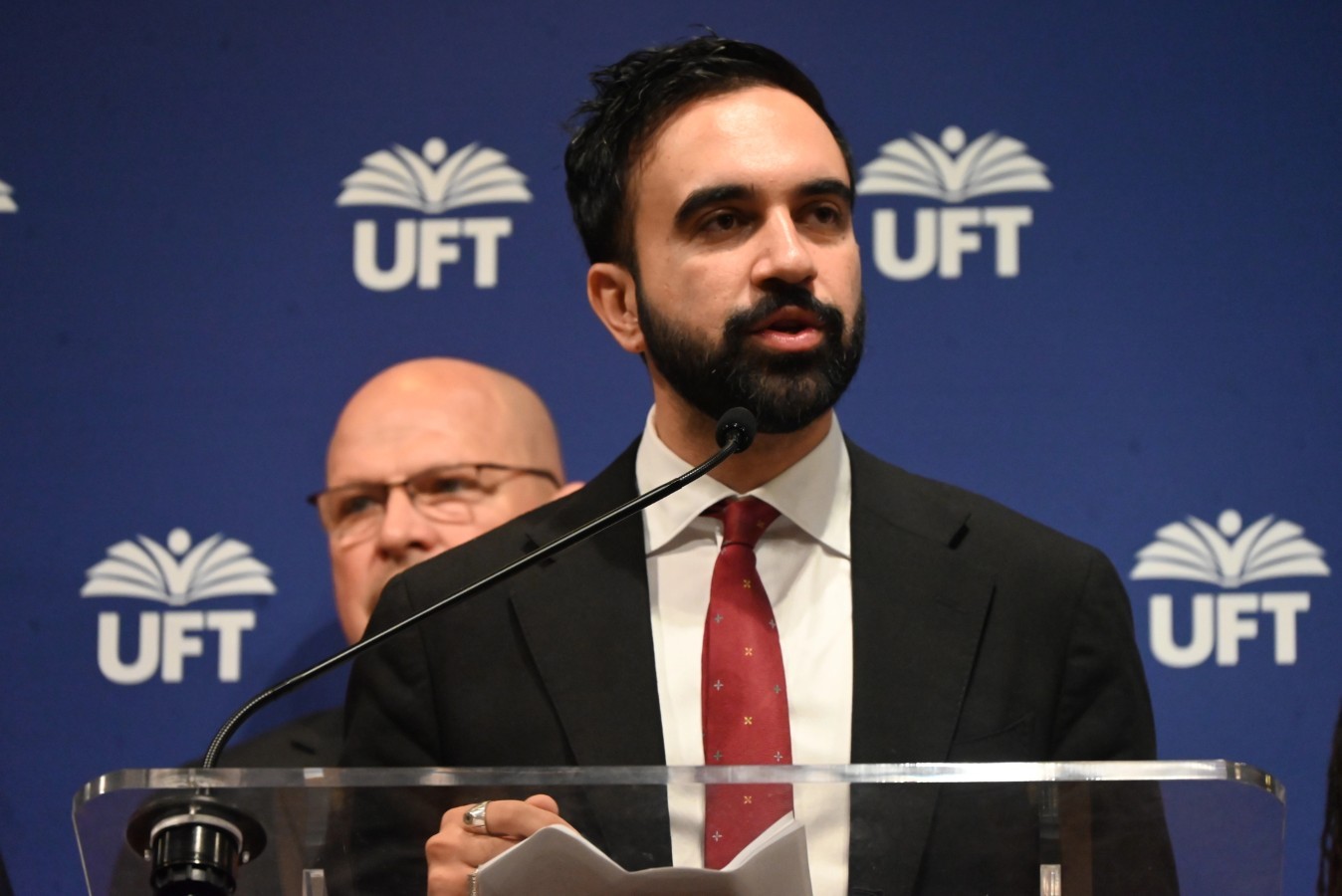
New York City Mayor Zohran Mamdani has dropped his controversial proposal to raise property taxes across the city, marking a major shift in how his administration plans to address New York’s growing budget deficit.
The mayor had previously floated a nearly 10% increase in property taxes as leverage to secure more support from Albany. The proposal quickly drew backlash from City Council members, housing advocates and property owners concerned about the economic impact on renters and businesses.
The reversal is expected to be formally reflected in the mayor’s executive budget, released Tuesday, according to Bloomberg.
Mamdani’s decision came alongside a major concession from New York Governor Kathy Hochul and state lawmakers.
In a joint statement, Mamdani and Hochul said the state would provide roughly $4 billion in new support to help the city close a widening budget gap. The agreement gives City Hall additional fiscal breathing room without imposing a broad-based property tax increase that many feared would ripple through the housing market.
The state assistance represents one of the largest recent interventions by Albany into New York City’s finances and underscores the seriousness of the city’s long-term budget pressures.
A first property tax hike in decades was narrowly avoided

Had the proposal moved forward, it would have marked the first citywide property tax increase in more than 20 years.
Critics warned the measure would likely raise rents as landlords passed along higher costs to tenants. Business groups also argued that increasing taxes during a period of economic uncertainty could push employers and investors away from New York City.
The proposal faced notable opposition from City Council Speaker Julie Menin and other council members whose approval would have been required for any increase to take effect.
Mamdani has repeatedly described New York City’s fiscal problems as “a generational fiscal crisis” comparable to the Great Recession.
The mayor has consistently advocated for higher taxes on wealthy residents and corporations, though many of those proposals have met resistance from Hochul and state lawmakers. Because many tax changes require Albany’s approval, the city’s property tax system represented one of the few revenue tools directly available to City Hall.
Even after dropping the broader property tax proposal, Mamdani signaled he remains committed to targeting wealthier property owners through more narrowly tailored taxes.
The pied-à-terre tax survives budget negotiations

While most homeowners avoided a tax increase, Mamdani and Hochul are still backing a new pied-à-terre tax aimed at luxury second homes in the city.
The proposal would impose an annual surcharge on non-resident second homes valued at $5 million or more. City officials estimate the measure could raise around $500 million annually to help support the city budget.
“We have balanced the budget, and we have done so without placing the burden on the backs of working New Yorkers,” Mamdani said at a City Hall news conference. “This budget does not raise property taxes and it refuses to slash services.”
Mamdani added that negotiations with Albany over the structure of the tax remain ongoing.
“These are still active discussions that we’re having,” Mamdani said. “We will have a final product soon that does generate the $500 million per year.”
New York is far from alone in considering taxes on underused luxury properties.
Cities including Vancouver, Toronto, London and Paris have implemented various forms of vacancy taxes, second-home levies or surcharges on underused residential properties. Singapore has also adopted aggressive taxes targeting foreign buyers and luxury real estate investors.
Supporters argue these taxes help address housing inequality by discouraging wealthy owners from leaving expensive properties vacant while contributing additional tax revenue that can be redirected into affordable housing programs.
Vancouver officials, for example, said their Empty Homes Tax was designed to “return empty or under-utilized properties to use as long-term rental homes for people who live and work in Vancouver.”
Experts question whether the tax will deliver major revenue
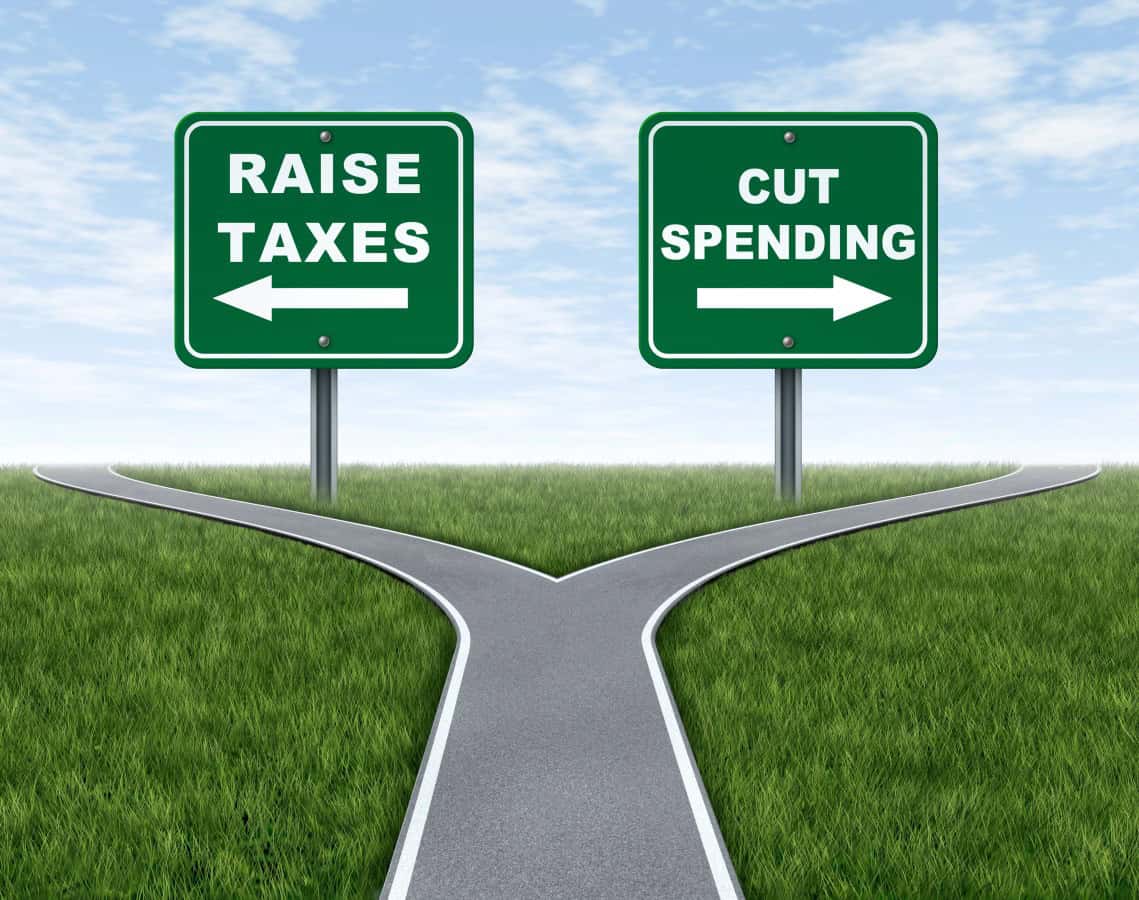
Despite growing political popularity, tax experts caution that pied-à-terre taxes often generate less revenue than governments initially forecast.
According to some tax policy experts , such taxes can reduce vacancy rates and raise some revenue, but they typically have limited effects on overall housing affordability.
New York City’s own comptroller has also warned that the city’s projected $500 million annual estimate may prove optimistic. A more realistic range, according to the comptroller’s report, could fall between $340 million and $380 million once behavioral changes and legal challenges are considered.
Some housing economists argue that second-home taxes misdiagnose the root cause of affordability problems in major global cities.
Paul Cheshire, professor of economic geography at the London School of Economics, said so-called “anti–second home policies” are already common internationally, but their effects remain limited.
“The biggest misconception is that these taxes will improve housing affordability in large ‘super cities.’ The problem is mainly constrained housing supply via policy,” Cheshire said.
He also noted that second homes generally represent a relatively small percentage of total housing stock, limiting the potential impact of such taxes on the broader market.
Ken Griffin feud highlights political tensions

The pied-à-terre debate has already intensified tensions between City Hall and some wealthy investors.
Mamdani recently posted a video outside a luxury building where billionaire hedge fund manager Ken Griffin owns an apartment, triggering public criticism from Griffin and raising concerns about whether wealthy investors may reduce their presence in New York.
Griffin warned that businesses could increasingly shift jobs and investment to places like Miami if New York adopts more aggressive tax policies targeting wealth and luxury real estate.
Still, experts note that evidence from other global cities suggests single tax policies rarely trigger mass departures among ultra-wealthy residents. Instead, migration decisions are usually shaped by the cumulative effect of taxes, regulation and overall cost of living.
Real estate investors are watching closely

The evolving tax debate is also drawing attention across the real estate industry, especially among companies with major New York exposure.
New York-focused REITs include SL Green Realty, Vornado Realty Trust, Equity Residential, Empire State Realty Trust and LXP Industrial Trust.
Investors are closely monitoring whether the proposed tax could weaken demand in the luxury property market or influence broader commercial real estate activity across Manhattan.
So far, however, luxury real estate sales in the city have remained relatively resilient despite the political controversy.
Critics say symbolism may outweigh fiscal impact
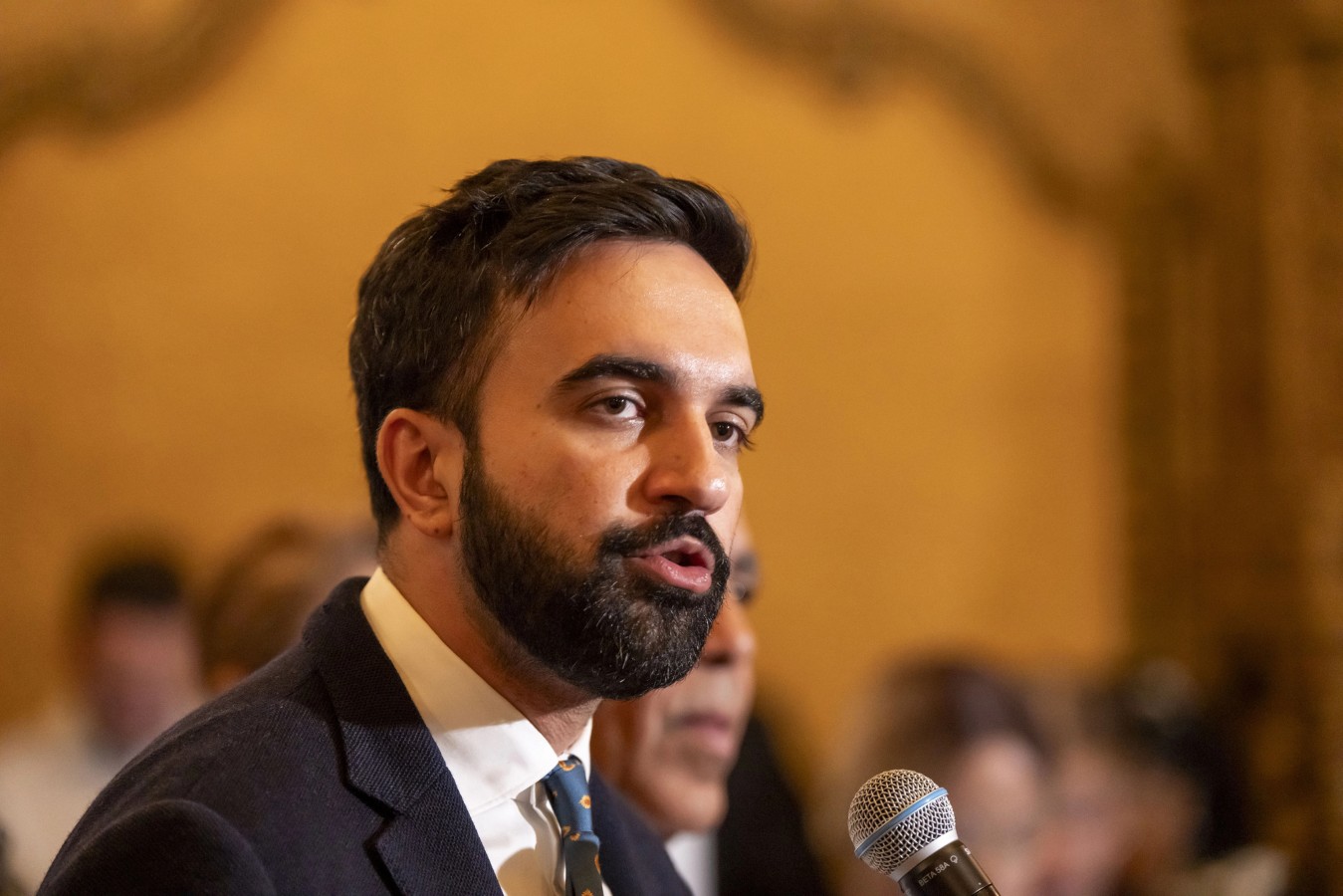
For many policymakers, the appeal of pied-à-terre taxes extends beyond pure revenue generation.
Because the taxes target a relatively narrow and affluent group of property owners, they are politically easier to support than broad increases affecting middle-class homeowners and renters.
Analysts say the taxes allow elected officials to demonstrate action on housing inequality and budget pressures without directly imposing higher costs on the broader electorate.
“The City deserves credit for starting to rein in spending, but its sights pale in comparison to the opportunity and need,” said Andrew Rein, president of the Citizens Budget Commission.
Whether New York’s proposed second-home tax ultimately produces substantial fiscal benefits remains uncertain, but politically, the measure appears likely to remain a centerpiece of Mamdani’s broader push to shift more of the city’s financial burden onto wealthy property owners.
Like Financial Freedom Countdown content? Be sure to follow us!
Medicare Advantage changes could cut extra benefits but speed up care approvals for millions under new bill

Medicare Advantage could be headed for one of its biggest shakeups in years as lawmakers push a bipartisan reform bill while insurers warn that popular extra benefits may be reduced next year. The combination of stricter oversight in Washington and tighter insurer budgets could affect tens of millions of older Americans who rely on private Medicare plans. The proposed Medicare Advantage Improvement Act of 2026 would increase consumer protections, shorten prior authorization timelines, and limit plan practices that critics say delay care. At the same time, insurers including Humana have signaled that lower-than-expected government payment increases may force cuts to supplemental benefits in 2027.
7 states cutting income taxes in 2026: how much you could save under new flat tax rules

A sweeping wave of tax reform is hitting the United States as several states move to simplify their tax codes and lower the financial burden on residents. For the 2026 tax year, seven specific states are implementing notable reductions, many of which involve a shift toward a flat tax system where one rate applies to everyone regardless of income. Supporters of these changes argue that “flat taxes are easier to understand and plan for and could make some states more competitive.” As families look for ways to combat inflation and rising living costs, these cuts could provide much-needed breathing room in household budgets.
7 states cutting income taxes in 2026: how much you could save under new flat tax rules

Did you find this article helpful? We’d love to hear your thoughts! Leave a comment with the box on the left-hand side of the screen and share your thoughts.
Also, do you want to stay up-to-date on our latest content?
1. Follow us by clicking the [+ Follow] button above,
2. Give the article a Thumbs Up on the top-left side of the screen.
3. And lastly, if you think this information would benefit your friends and family, don’t hesitate to share it with them!

John Dealbreuin came from a third world country to the US with only $1,000 not knowing anyone; guided by an immigrant dream. In 12 years, he achieved his retirement number.
He started Financial Freedom Countdown to help everyone think differently about their financial challenges and live their best lives. John resides in the San Francisco Bay Area enjoying nature trails and weight training.
Here are his recommended tools
Personal Capital: This is a free tool John uses to track his net worth on a regular basis and as a retirement planner. It also alerts him wrt hidden fees and has a budget tracker included.
Platforms like Yieldstreet provide investment options in art, legal, real estate, structured notes, venture capital, etc. They also have fixed-income portfolios spread across multiple asset classes with a single investment with low minimums of $10,000.



The idea that a “first property tax hike in decades was narrowly avoided” is quite striking, as it highlights the sensitivity of New York’s budget deficit. I’ve been thinking about how different cities approach taxation, and it’s interesting to see how this decision might impact the local economy. As someone who’s spent time in various European cities, I’ve noticed that tax structures can greatly influence the affordability of housing. The parallel between the luxury second-home tax and some European countries’ approaches to taxing non-primary residences is something I’ve been thinking about because it raises questions about fairness and revenue generation. For instance, some cities impose a higher tax rate on secondary homes, which can help reduce speculation and increase affordability for locals. I wonder if New York’s approach will have a similar effect, and whether this decision will have broader implications for the city’s housing market in the long run.