
Millions of student loan borrowers see credit scores plummet as delinquency rate hits record 25%

A new report from The Century Foundation (TCF), a progressive-leaning think tank that advocates for student debt relief, reveals a sharp increase in federal student loan delinquencies, with nearly one-quarter of all borrowers now behind on their payments.
According to the analysis, the delinquency rate has surged to levels nearly three times higher than those seen before the lockdown, a trend that critics attribute to the current administration’s management of the $1.6 trillion federal loan portfolio.
The scale of the student loan delinquency spike in 2025

Federal data analyzed by TCF indicates that the student loan system is entering a period of unprecedented distress. The report finds that “One in four student loan borrowers with a payment due is now delinquent, nearly tripling the pre-pandemic delinquency rate in 2019.” Roughly 7.9 million borrowers entered delinquency during the first three quarters of 2025 alone, representing a dramatic shift after years of payment pauses and transition programs.
Expiration of the “on-ramp” and the return to standard collections

The spike follows the expiration of the federal “on-ramp” period, which was designed to protect borrowers from negative credit reporting as they transitioned back into repayment. With those protections gone, borrowers are now facing the full weight of missed payments. The TCF analysis argues that the current administration “has needlessly added harmful roadblocks and barred access to programs that borrowers are entitled to under federal law,” contributing to the rapid rise in delinquency.
Record-breaking credit score declines for millions of Americans

The financial consequences of these delinquencies have been swift. According to the study, delinquent borrowers saw their credit scores drop by an average of 57 points in 2025. The impact was even more severe for those who previously held solid credit; the report notes that “2 million borrowers with credit scores near-prime or better in 2024 saw a credit score decrease of 100 points on average, from 680 to 580.” This shift has pushed a significant portion of the borrowing population into subprime territory.
Administrative roadblocks and the backlog of repayment applications

A major point of contention in the report is the handling of income-driven repayment (IDR) applications. Researchers found that administrative delays and “mass-denying 328,000 applications in August 2025” left many borrowers unable to secure affordable monthly payments. By late 2025, over 700,000 applications reportedly sat unprocessed, leaving borrowers in a state of financial limbo as interest continued to accrue.
Legal battles over the SAVE plan and subsequent confusion

The collapse of the Saving on a Valuable Education (SAVE) plan created by Biden has added another layer of complexity. Following Republican-led legal challenges, the administration moved to phase out the program. The report suggests these legal battles “sowed widespread confusion,” as millions of borrowers who were promised $0 or low-cost monthly payments suddenly found themselves required to pay significantly higher amounts under standard plans they could not afford.
Disproportionate financial impact on lower-income Pell Grant recipients

The data shows a clear economic divide in who is most affected by the current crisis. Borrowers from lower-income backgrounds are struggling at significantly higher rates than their peers. “A borrower is much more likely to be delinquent or in default if they ever received the Pell Grant (27 percent) than if they didn’t (15 percent),” the report highlights, suggesting that the current system is failing the most vulnerable students.
The threat of wage garnishment for nine million borrowers in default

Beyond delinquency, the number of borrowers in total default has reached a record 9 million. This status allows the government to utilize aggressive collection tactics. As the TCF report warns, being in default “puts them at risk of eventually having their wages and tax refunds garnished.” Approximately 75% of those entering default in 2025 had never defaulted on a student loan before, marking a new wave of financial instability for American families.
White House defends policy shift as return to fiscal responsibility

In response to the rising delinquency figures, the Trump administration has defended its actions as a necessary return to the rule of law and fiscal sanity. Under Secretary of Education Nicholas Kent stated, “American taxpayers can now rest assured they will no longer be forced to serve as collateral for illegal and irresponsible student loan policies.” The administration argues that the previous system was a “confusing limbo” and that borrowers have a legal and moral obligation to fulfill the terms of their loans.
Implications for the broader housing and auto loan markets

Economists warn that the student debt crisis could have a “domino effect” on the broader economy. With millions of credit scores damaged, access to other forms of financing is becoming restricted. The analysis notes, “Borrowers can rapidly lose access to all kinds of credit or loans, and with them, access to housing, transportation, and the ability to cover basic necessities like groceries, rent, or medical bills.” This reduction in purchasing power could potentially slow growth in the housing and automotive sectors.
Congressional critics warn of a looming “default cliff” for families

The administration’s approach has drawn sharp criticism from some members of Congress. Lawmakers have urged the Department of Education to address what they call a “default cliff” that threatens to push millions of Americans into financial ruin. “If the administration fails to act, millions of Americans will be pushed to financial ruin, and Trump and Republicans will own this economic catastrophe,” said Senator Elizabeth Warren in a recent statement calling for a pause on forced collections.
The road ahead for federal student loan management

The current divide between administrative policy and borrower advocacy suggests that the student loan crisis will remain a central political and economic issue throughout the midterms. While the administration remains focused on “cleaning up” the portfolio and enforcing repayment, advocates continue to warn that without more flexible options, the delinquency rate may continue its upward trajectory. As both sides dig in, millions of borrowers remain caught between high monthly obligations and a rapidly deteriorating credit landscape.
Like Financial Freedom Countdown content? Be sure to follow us!
14 essential strategies to maximize your Social Security and avoid costly mistakes
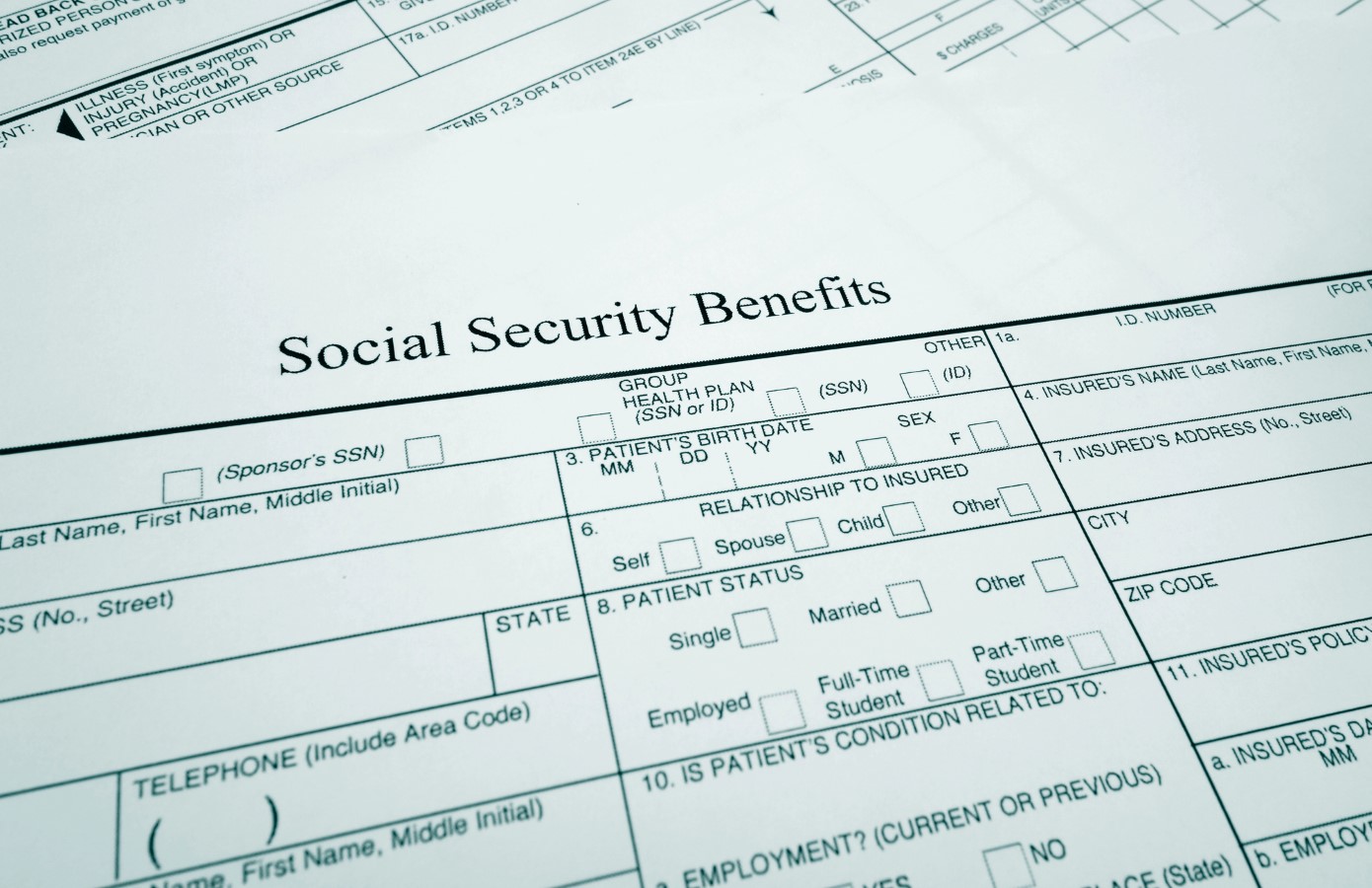
Social Security is a vital lifeline for many seniors, providing crucial income support during retirement. With inflation at its highest in four decades, Social Security’s inflation-adjusted benefits offer protection against rising costs.
Rising interest rates have disrupted many retirement portfolios, causing bond fund values to plummet. In this volatile financial landscape, Social Security can stabilize a typical stock-bond retirement portfolio. By implementing smart strategies, retirees can maximize their Social Security benefits and ensure a more secure financial future.
14 Essential Strategies to Maximize Your Social Security and Avoid Costly Mistakes
11 reasons you should claim Social Security early

Deciding when to claim Social Security is often about maximizing your benefit. Financial planners usually advise delaying your claim for as long as possible to secure the highest monthly payment. Your benefit is based on your lifetime earnings, with a full payout available at your full retirement age (FRA), which is currently between 66 and 67 depending on your birth year. Claiming before FRA results in a permanent reduction in your monthly benefit, while waiting beyond FRA leads to a permanent increase. However, the decision isn’t solely about maximizing the monthly check. Personal factors such as health, family circumstances, and financial needs can play a significant role in determining the right time to claim.
11 Reasons You Should Claim Social Security Early

Did you find this article helpful? We’d love to hear your thoughts! Leave a comment with the box on the left-hand side of the screen and share your thoughts.
Also, do you want to stay up-to-date on our latest content?
1. Follow us by clicking the [+ Follow] button above,
2. Give the article a Thumbs Up on the top-left side of the screen.
3. And lastly, if you think this information would benefit your friends and family, don’t hesitate to share it with them!

John Dealbreuin came from a third world country to the US with only $1,000 not knowing anyone; guided by an immigrant dream. In 12 years, he achieved his retirement number.
He started Financial Freedom Countdown to help everyone think differently about their financial challenges and live their best lives. John resides in the San Francisco Bay Area enjoying nature trails and weight training.
Here are his recommended tools
Personal Capital: This is a free tool John uses to track his net worth on a regular basis and as a retirement planner. It also alerts him wrt hidden fees and has a budget tracker included.
Platforms like Yieldstreet provide investment options in art, legal, real estate, structured notes, venture capital, etc. They also have fixed-income portfolios spread across multiple asset classes with a single investment with low minimums of $10,000.