
Newsom Sees a $3B Budget Shortfall. California’s Independent Analysts See an $18B Problem
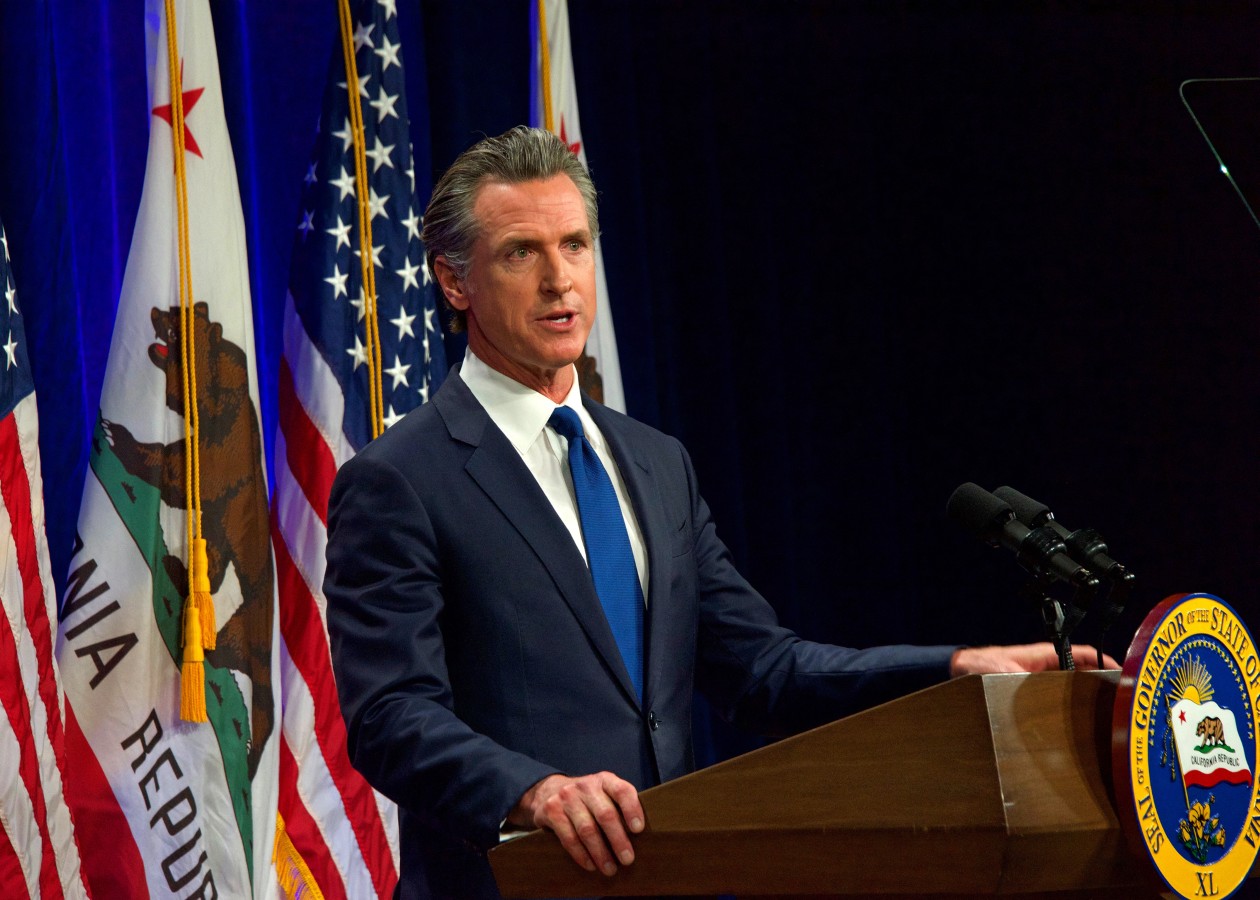
California Gov. Gavin Newsom is heading into his final budget negotiations with a warning light flashing: even with strong tax collections and an AI-fueled stock market, the state is staring at a projected $3 billion deficit; and much bigger trouble ahead.
A $3 Billion Deficit; and a Much Bigger One Looming

The Newsom administration estimates California will face a $3 billion budget shortfall in the fiscal year starting July 1. That figure is far smaller than the nearly $18 billion deficit projected by the nonpartisan Legislative Analyst’s Office (LAO), largely because the governor’s office assumes stronger future stock market performance.
But both sides agree on one thing: the gap is expected to balloon. By the following budget year, Newsom’s own Department of Finance projects a deficit of roughly $22 billion if current trends continue.
Why the Governor and Legislature See Different Numbers
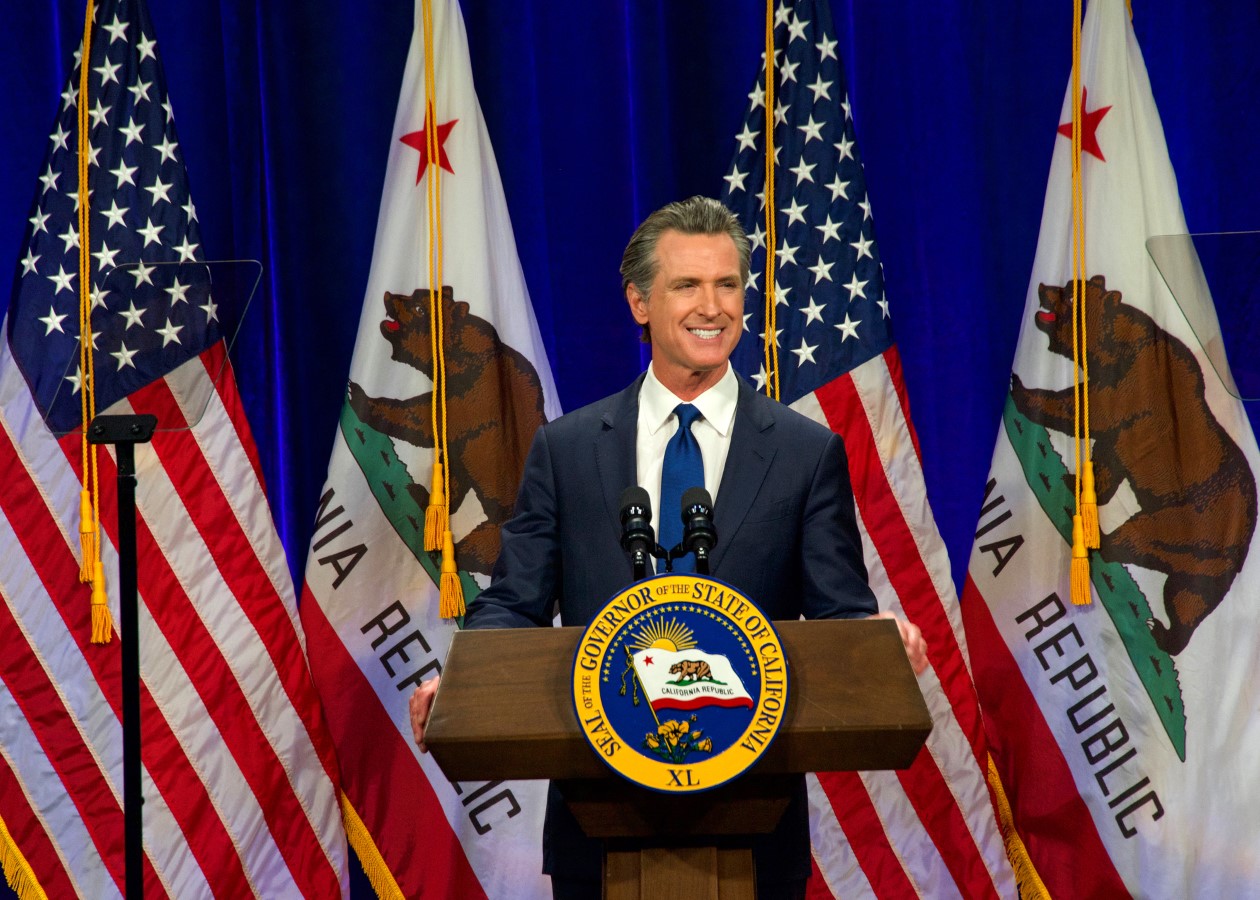
The discrepancy between Newsom’s estimate and the LAO’s comes down to risk tolerance. The LAO built its forecast around the possibility that the stock market cools as enthusiasm around artificial intelligence fades. The governor’s budget team did not.
“We do not do that,” Finance Director Joe Stephenshaw said, signaling the administration’s confidence that markets; and tax revenues will remain strong.
AI Boom Fuels Revenue, but Volatility Remains

California’s revenue system is unusually dependent on high-income earners and capital gains. When the stock market surges, tax collections spike. When it falls, the budget quickly deteriorates.
Right now, optimism surrounding artificial intelligence is propping up markets; and California’s tax base. But the LAO warned that history shows markets often overreact to major technological breakthroughs, increasing the risk of a sharp correction.
Federal Cuts Add Pressure to State Programs

Compounding the problem are federal spending cuts enacted under President Trump’s signature budget law. Those changes reduced federal contributions to Medicaid and food assistance programs, forcing states to cover more of the cost.
California officials say the state cannot fully replace that lost funding. Senate leader Monique Limón bluntly warned: “California will not be able to fill the holes that have been left by the federal government.”
Medi-Cal Costs Surge as Coverage Shrinks

Healthcare is the single largest driver of rising costs. Newsom’s proposed budget allocates $222.4 billion to Medi-Cal; a $25 billion increase over the current year, largely due to higher enrollment and reduced federal support.
At the same time, the proposal scales back Medi-Cal coverage for certain immigrants, drawing fierce criticism from health advocates who say the state is balancing its books on the backs of vulnerable populations.
Education Spending Stays High, but Growth Slows

K-12 education funding remains largely protected by state law, with roughly $90 billion allocated for schools. That includes a 2.41% cost-of-living adjustment and $1 billion in ongoing funding for community schools that provide wraparound social services.
Still, school leaders warn the increase may not be enough to offset inflation and rising operating costs.
Higher Education Gets a Reprieve

After years of uncertainty, California’s public universities fared better in Newsom’s proposal. The University of California would receive an additional $350 million, while California State University would get $365 million.
Community colleges also see a boost, with funding rising about 9% as the state continues backing its Vision 2030 initiative to expand access for underserved students.
Wildfire Funding Rises After Deadly Fire Seasons

With wildfire risks intensifying, the budget includes $314 million to continue forest resilience and fire-prevention efforts. Cal Fire’s budget has more than doubled since Newsom took office, reaching roughly $5 billion.
New funding targets defensible space around homes, fuel reduction near power lines, and grants for fire-prone communities; a response to last year’s devastating fires that killed dozens and destroyed thousands of structures.
Child Care Expansion Hits a Wall

One of the biggest disappointments for advocates is child care. The budget does not expand the number of subsidized child-care slots, falling short of earlier promises to add 200,000 spaces statewide.
While workers would receive modest cost-of-living adjustments and fire-damaged facilities get one-time aid, industry leaders say the state is retreating from long-term commitments.
Housing and Homelessness Funding Sparks Debate

Newsom’s proposal includes another $500 million for homelessness prevention grants, but critics argue it’s insufficient given the scale of the crisis. Nearly a quarter of the nation’s homeless population lives in California, and housing shortages remain the primary driver.
Lawmakers from both parties signaled the issue will be a major flashpoint in negotiations, especially as federal cuts threaten local housing and social service programs.
Newsom’s Final Budget: Confidence Meets Caution
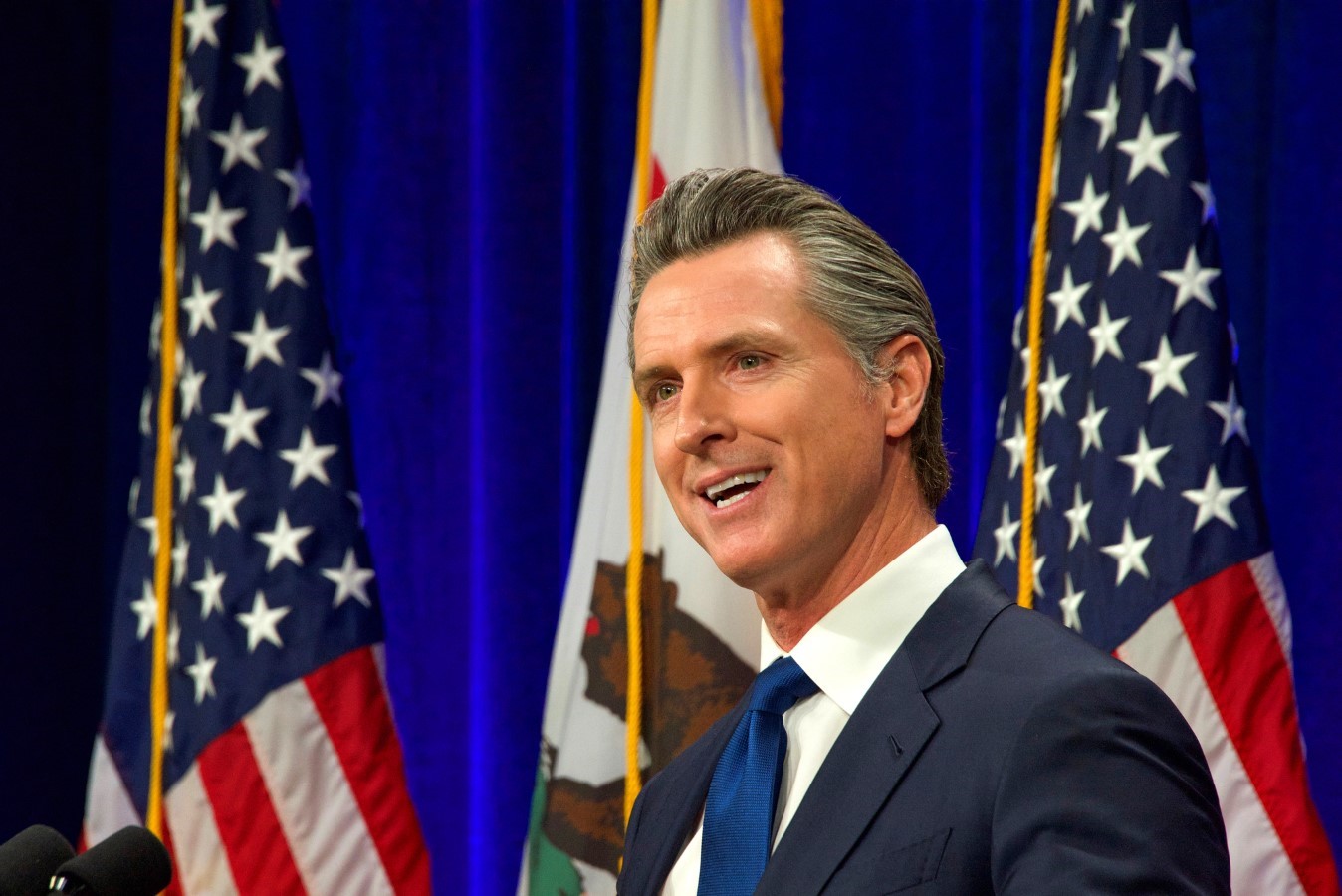
The proposed $349 billion budget; including a $248 billion general fund reflects what Newsom called “confidence and caution.” There are no sweeping new spending initiatives, but no massive program cuts either. That balance may be hard to sustain.
California has an unusually volatile revenue system; one that relies heavily on personal income taxes from high-earning residents whose capital gains rise and fall sharply with the stock market. Many billionaires have announced departure last month before the proposed “Billionaire Tax” goes on ballot in November.
With volatile markets, federal retrenchment, and rising long-term costs, California is entering a period of fiscal uncertainty; and Newsom’s final budget may set the tone for years to come.
Like Financial Freedom Countdown content? Be sure to follow us!
Major Student Loan Changes Coming in 2026; From Parent PLUS Caps to the End of SAVE

Federal student loans are about to change in some of the biggest ways in decades. Beginning in 2026, new laws will reshape how much students and parents can borrow, eliminate long-standing loan programs, and overhaul repayment for future borrowers. For families planning for college, graduate students weighing advanced degrees, and borrowers already navigating repayment, these shifts could significantly alter education and financial decisions.
Major Student Loan Changes Coming in 2026; From Parent PLUS Caps to the End of SAVE
Trump’s ‘Big Beautiful Bill’ Just Changed Health Savings Accounts; What Millions Can Now Claim
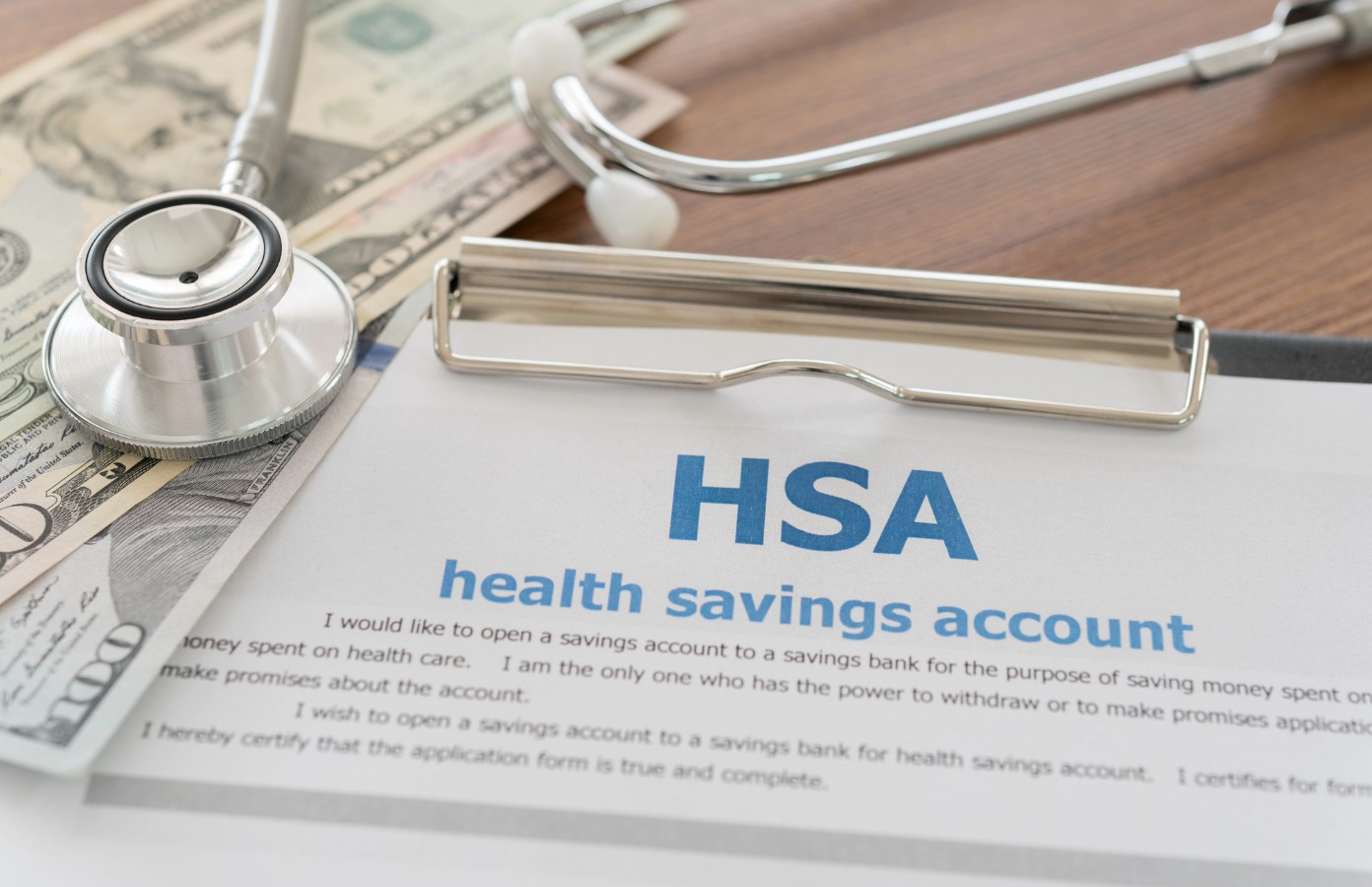
The Trump administration has rolled out new details on Health Savings Accounts (HSAs) following the passage of the so-called “Big Beautiful Bill,” expanding who can use these powerful tax-advantaged savings tools. The changes could allow millions more Americans to lower their taxable income, earn interest on medical savings, and keep unused funds year after year.
Trump’s ‘Big Beautiful Bill’ Just Changed Health Savings Accounts; What Millions Can Now Claim

Did you find this article helpful? We’d love to hear your thoughts! Leave a comment with the box on the left-hand side of the screen and share your thoughts.
Also, do you want to stay up-to-date on our latest content?
1. Follow us by clicking the [+ Follow] button above,
2. Give the article a Thumbs Up on the top-left side of the screen.
3. And lastly, if you think this information would benefit your friends and family, don’t hesitate to share it with them!

John Dealbreuin came from a third world country to the US with only $1,000 not knowing anyone; guided by an immigrant dream. In 12 years, he achieved his retirement number.
He started Financial Freedom Countdown to help everyone think differently about their financial challenges and live their best lives. John resides in the San Francisco Bay Area enjoying nature trails and weight training.
Here are his recommended tools
Personal Capital: This is a free tool John uses to track his net worth on a regular basis and as a retirement planner. It also alerts him wrt hidden fees and has a budget tracker included.
Platforms like Yieldstreet provide investment options in art, legal, real estate, structured notes, venture capital, etc. They also have fixed-income portfolios spread across multiple asset classes with a single investment with low minimums of $10,000.