Trump Unveils 10% Credit-Card Rate Cap in Sweeping Affordability Push

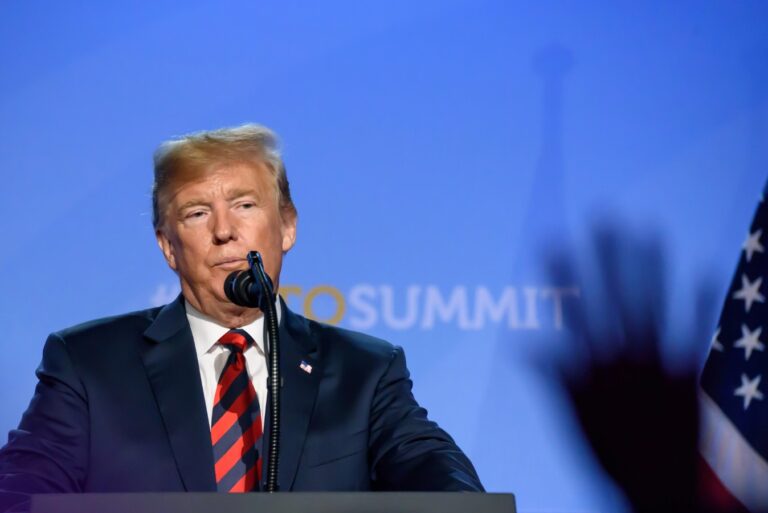
President Donald Trump is calling for a temporary 10% cap on credit-card interest rates, arguing that Americans are being “ripped off” as borrowing costs remain stubbornly high. The proposal is the latest in a flurry of affordability-focused moves aimed squarely at voter frustration over everyday expenses, from housing to consumer debt.
Trump Proposes One-Year Cap Starting Jan. 20

In a social-media post Friday, Trump said he wants credit-card interest rates capped at 10% for one year beginning Jan. 20. He accused card issuers of charging “20 to 30%, and even more,” framing the move as immediate relief for households squeezed by inflation and high interest rates.
“Please be informed that we will no longer let the American Public be ‘ripped off’ by Credit Card Companies that are charging Interest Rates of 20 to 30 percent,” Trump said in a social media post.
Credit-Card Rates Hover Near Record Highs

Credit-card interest rates average around 23%, according to the Federal Reserve, and have not dipped below 10% in Fed data going back to 1994. As rates climbed over the past two years, card balances surged, leaving millions of Americans paying hundreds; or thousands of dollars a year in interest.
Who Would Benefit Most From a Cap

Lower- and middle-income households that carry revolving balances would see the biggest savings from a rate cap. For borrowers already stretched thin, a lower APR could slow the growth of debt and free up cash for essentials like rent, groceries, and utilities.
Banks Warn of Credit Pullbacks and New Fees

The banking industry is pushing back hard. The American Bankers Association and other groups argue that a strict cap would prompt lenders to cut off higher-risk borrowers or impose new fees to offset lost revenue. “If enacted, this cap would only drive consumers toward less regulated, more costly alternatives,” the groups said in a joint statement.
Legal Authority Remains Unclear

It is not clear what authority the president could use to impose a nationwide interest-rate cap without Congress. Credit-card practices are primarily regulated by the Consumer Financial Protection Bureau (CFPB), an agency Trump has criticized and sought to weaken, raising questions about how a temporary cap could be enforced.
Congress Has Already Floated Similar Ideas
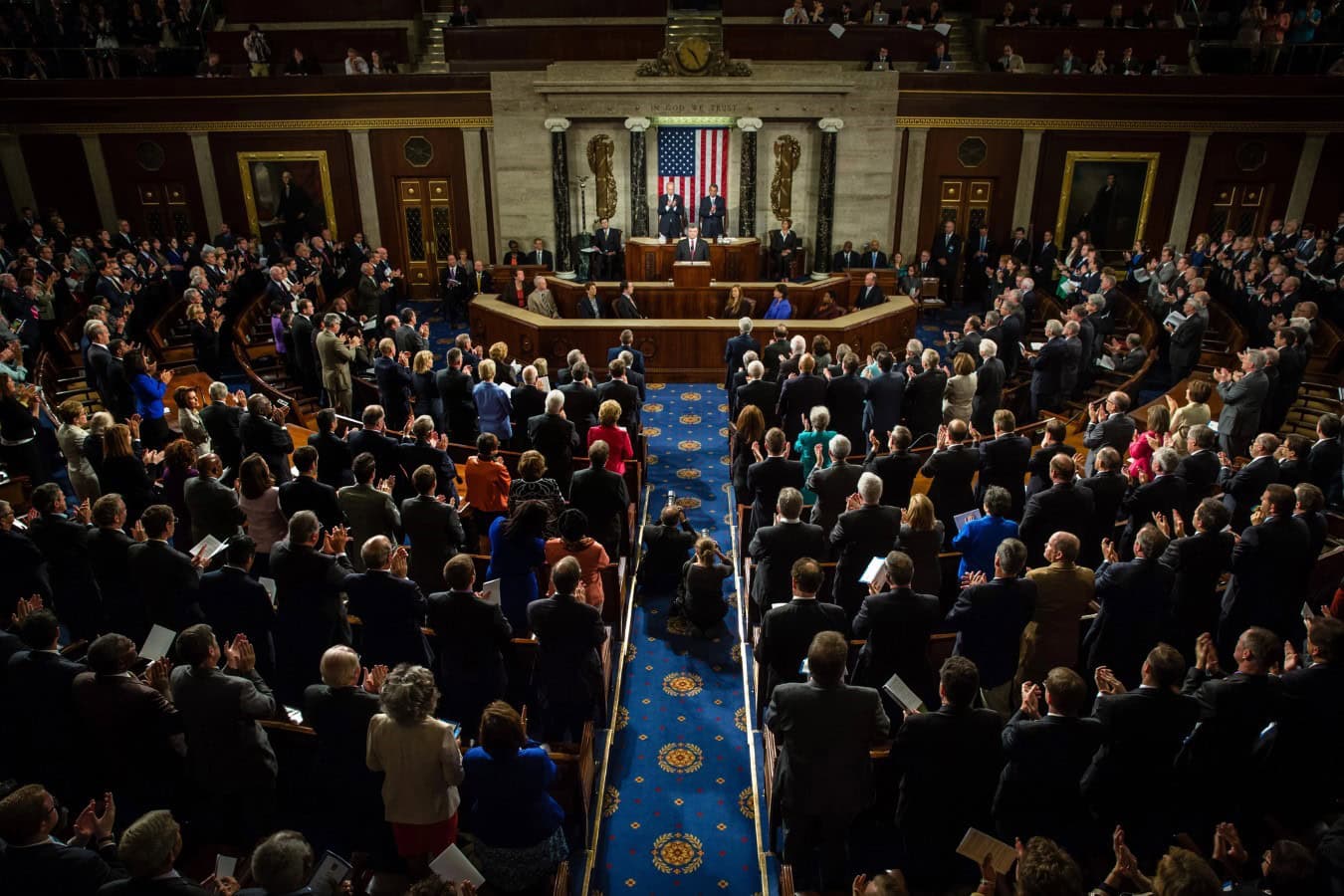
Bipartisan legislation introduced last year in both the House and Senate would cap credit-card interest rates. A bill sponsored by Sen. Bernie Sanders (I-Vt.) and co-sponsored by Sen. Josh Hawley (R-Mo.) proposes a 10% cap for five years, signaling unusual left-right alignment on the issue.
Bernie Sanders Backs the Cap, Calls It Long Overdue
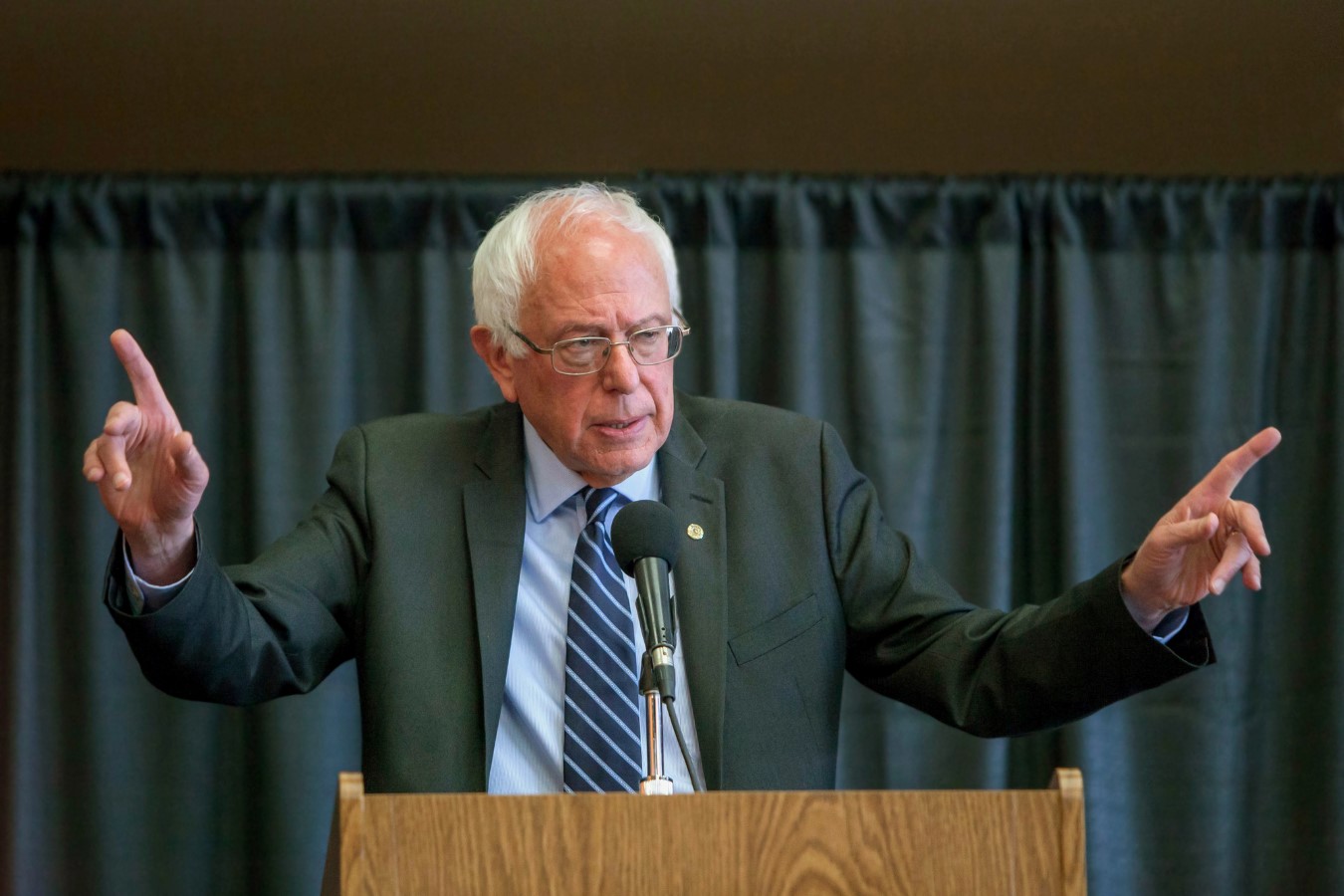
Sen. Bernie Sanders (I-Vt.) said he supports Trump’s proposal to cap credit-card interest rates at 10%, arguing that charging 20% to 30% interest on consumer debt amounts to legalized exploitation. Sanders has long pushed for federal limits on credit-card rates and is sponsoring bipartisan legislation with Sen. Josh Hawley (R-Mo.) that would impose a 10% cap for five years.
While welcoming Trump’s renewed focus on the issue, Sanders has questioned why similar action was not taken earlier, saying Wall Street has been allowed to profit for too long at the expense of working families.
Elizabeth Warren Questions Trump’s Commitment to Enforcement
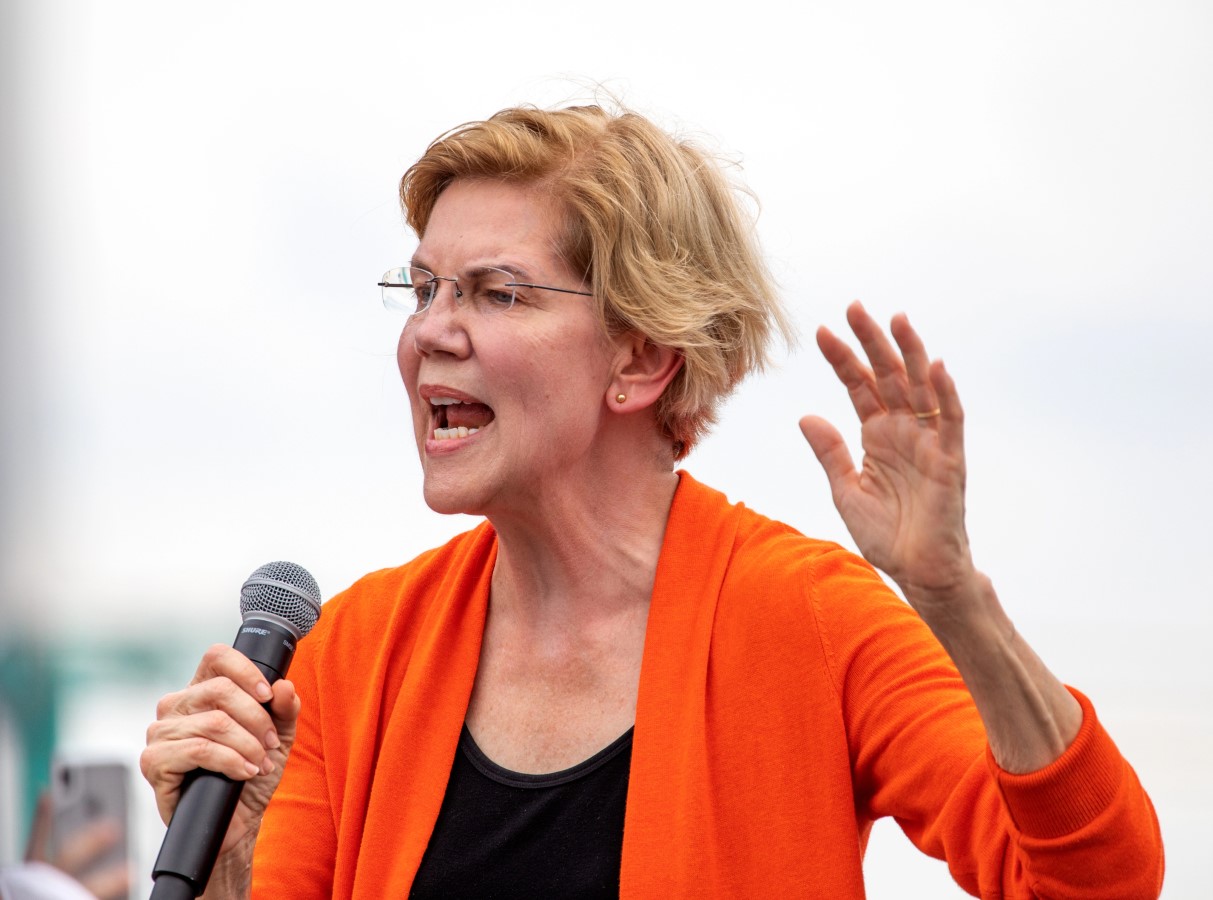
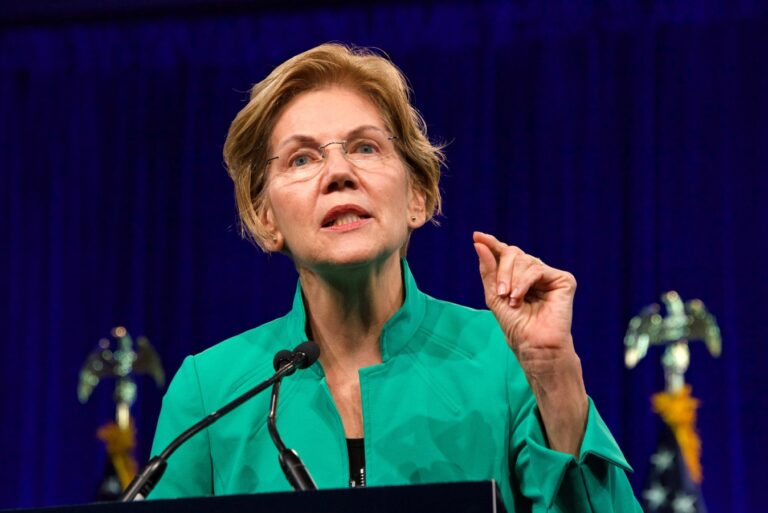
Sen. Elizabeth Warren (D-Mass.) expressed skepticism about whether Trump’s proposal would translate into lasting policy, noting that she previously offered to work with him on legislation to cap credit-card interest rates. Warren accused Trump of undermining consumer protections by attempting to weaken or dismantle the Consumer Financial Protection Bureau, the primary regulator overseeing credit-card practices. Without a strong enforcement mechanism, she warned, a temporary cap could amount to little more than a political gesture rather than meaningful relief for borrowers.
Sen. Elizabeth Warren (D., Mass.) said in a statement, “I said a year ago if Trump was serious I’d work to pass a bill to cap rates. Since then, he’s done nothing but try to shut down the CFPB.”
A Broader Populist Affordability Push

The credit-card proposal follows several headline-grabbing announcements this week. Trump said his administration would ban institutional investors from buying single-family homes and suggested Fannie Mae and Freddie Mac could purchase $200 billion in mortgage bonds to help bring down borrowing costs. Mortgage rates dipped below 6% on Friday; for the first time in 3 years based on the announcement, offering relief to home buyers.
Biden-Era Efforts Faced Legal Roadblocks
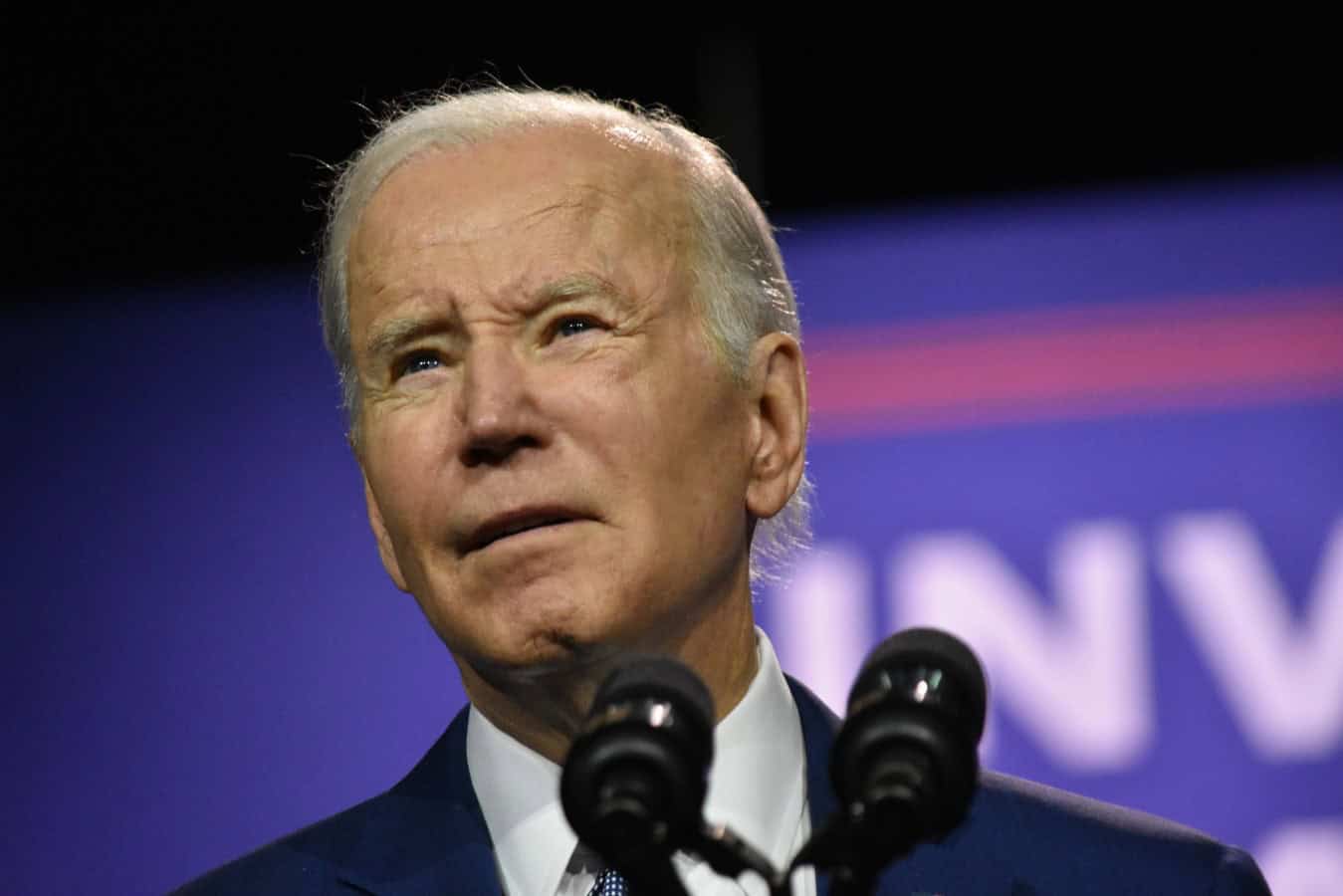
The Biden administration previously attempted to cap credit-card late fees at $8, but a federal judge in Texas blocked the rule from taking effect. Trump’s plan goes further by targeting interest rates themselves, rather than fees.
Industry Resistance Has a Long History

While the Military Lending Act caps many loans to active-duty service members at 36%, financial institutions have long resisted a broader, nationwide interest-rate ceiling. Extending a cap to all consumers would mark a major shift in U.S. credit markets.
Davos Speech Expected to Spotlight the Plan

Trump is expected to lay out his broader affordability and housing agenda later this month at the World Economic Forum in Davos, Switzerland. The credit-card cap is likely to feature prominently as he leans into populist economic themes ahead of the next phase of his agenda.
Whether Trump’s 10% cap becomes policy or remains a campaign-style pressure tactic, it has already reignited a debate over how far the federal government should go to rein in consumer credit costs; and who ultimately pays the price.
Like Financial Freedom Countdown content? Be sure to follow us!
Trump’s ‘Big Beautiful Bill’ Just Changed Health Savings Accounts; What Millions Can Now Claim
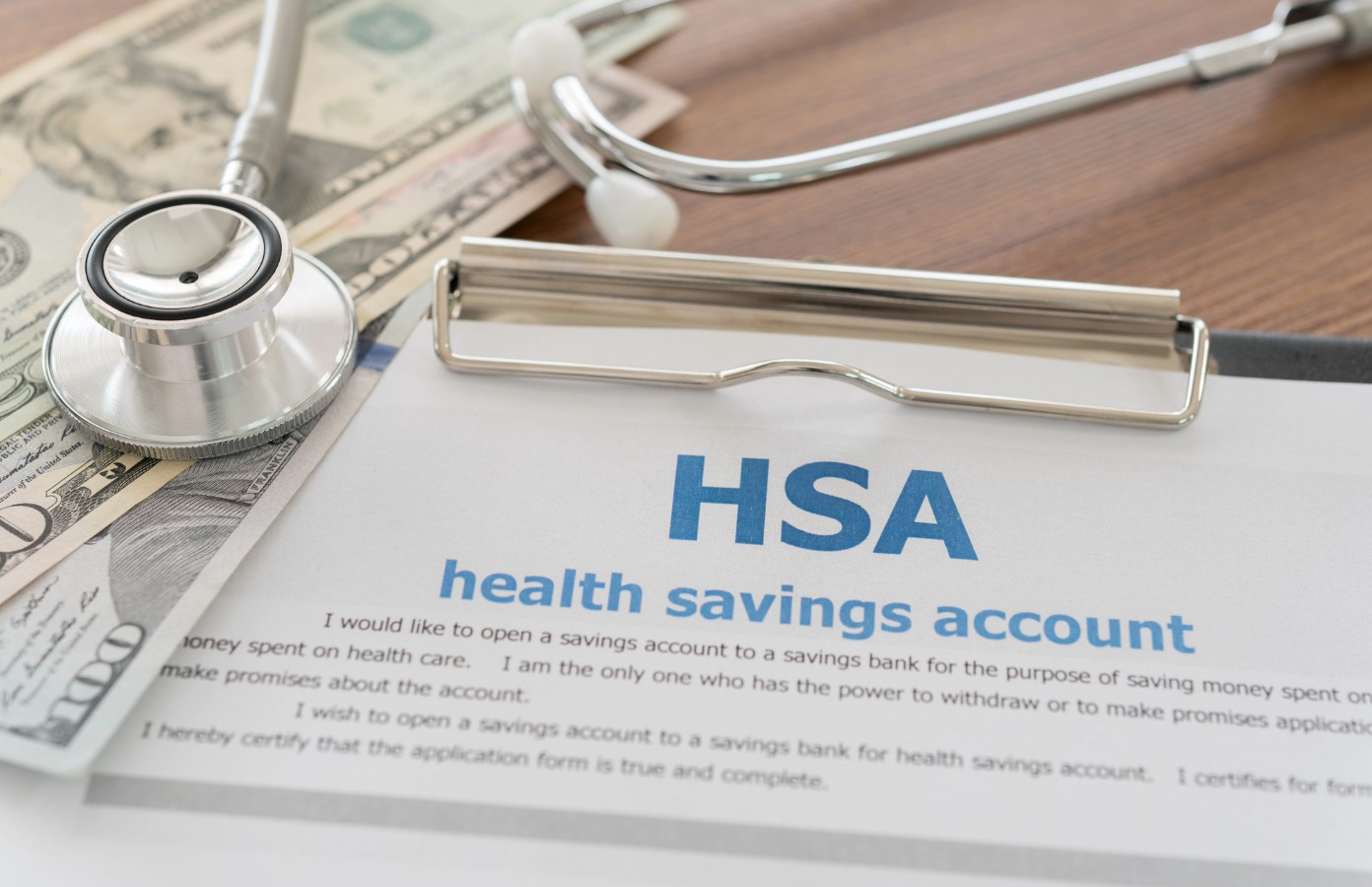
The Trump administration has rolled out new details on Health Savings Accounts (HSAs) following the passage of the so-called “Big Beautiful Bill,” expanding who can use these powerful tax-advantaged savings tools. The changes could allow millions more Americans to lower their taxable income, earn interest on medical savings, and keep unused funds year after year.
Trump’s ‘Big Beautiful Bill’ Just Changed Health Savings Accounts; What Millions Can Now Claim
Major Student Loan Changes Coming in 2026; From Parent PLUS Caps to the End of SAVE

Federal student loans are about to change in some of the biggest ways in decades. Beginning in 2026, new laws will reshape how much students and parents can borrow, eliminate long-standing loan programs, and overhaul repayment for future borrowers. For families planning for college, graduate students weighing advanced degrees, and borrowers already navigating repayment, these shifts could significantly alter education and financial decisions.
Major Student Loan Changes Coming in 2026; From Parent PLUS Caps to the End of SAVE
Did you find this article helpful? We’d love to hear your thoughts! Leave a comment with the box on the left-hand side of the screen and share your thoughts.
Also, do you want to stay up-to-date on our latest content?
1. Follow us by clicking the [+ Follow] button above,
2. Give the article a Thumbs Up on the top-left side of the screen.
3. And lastly, if you think this information would benefit your friends and family, don’t hesitate to share it with them!

John Dealbreuin came from a third world country to the US with only $1,000 not knowing anyone; guided by an immigrant dream. In 12 years, he achieved his retirement number.
He started Financial Freedom Countdown to help everyone think differently about their financial challenges and live their best lives. John resides in the San Francisco Bay Area enjoying nature trails and weight training.
Here are his recommended tools
Personal Capital: This is a free tool John uses to track his net worth on a regular basis and as a retirement planner. It also alerts him wrt hidden fees and has a budget tracker included.
Platforms like Yieldstreet provide investment options in art, legal, real estate, structured notes, venture capital, etc. They also have fixed-income portfolios spread across multiple asset classes with a single investment with low minimums of $10,000.