NYC Mayor Mamdani Pushes 2% Income Tax Hike on Millionaires as City Faces $7 Billion Shortfall
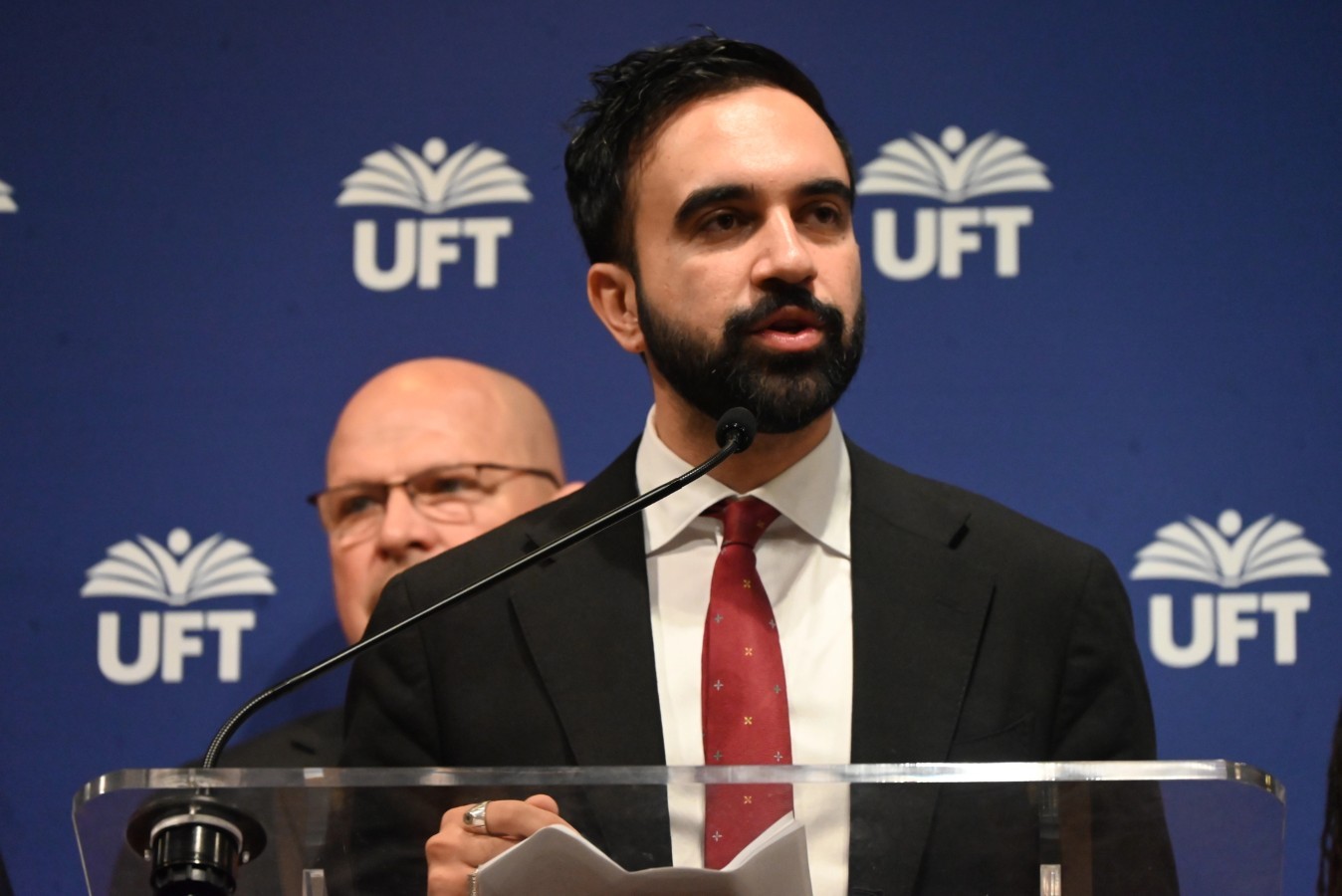
New York City Mayor Zohran Mamdani is asking state lawmakers to approve a tax increase on the city’s wealthiest residents as he works to close a multibillion-dollar budget gap. Appearing before legislators in Albany for the annual “Tin Cup Day” hearings, Mamdani said higher taxes on affluent residents and profitable corporations are necessary to stabilize the city’s finances.
“I believe the wealthiest individuals and most profitable corporations should contribute a little more so that everyone can live lives of dignity,” Mamdani said, according to a transcript of his prepared remarks. “That’s why—along with raising the corporate tax—I’m asking for a 2 percent personal income tax increase on the most affluent New Yorkers.”
A Smaller But Still Significant Budget Deficit
Mamdani initially warned of a $12.6 billion budget deficit spanning the current and upcoming fiscal years. That projection has since improved, with his administration now estimating a $7 billion shortfall.
“By assuming an aggressive posture on savings without compromising city services, incorporating updated revenue and bonus estimates and using in-year reserves, we have lowered that $12 billion gap to $7 billion over two fiscal years,” Mamdani said.
The mayor attributed roughly $3 billion of the improvement to higher-than-expected revenues, $1 billion to savings, and another $1 billion to reserve funding. Still, he cautioned lawmakers that the city remains “on a ledge.”
Why the Tax Hike Requires Albany’s Approval
Unlike many municipalities, New York City cannot unilaterally raise its income tax rates. Any change requires approval from the state Legislature and the governor.
That presents a political hurdle for Mamdani, as Kathy Hochul has consistently opposed raising state income taxes, particularly during an election cycle. While the two Democrats have worked together on affordability initiatives such as expanding child care, they remain divided over tax policy.
Mamdani: Wealthy Residents Can Afford More

There are roughly 380,000 millionaires living in New York City, according to a 2025 estimate from Henley & Partners, making the city the wealthiest in the world by that measure.
Mamdani argued that this group represents a viable revenue source. “Someone earning a million dollars a year can afford to contribute $20,000 more,” he told lawmakers.
He also cited a report from the Fiscal Policy Institute indicating that provisions in President Donald Trump’s One Big Beautiful Bill Act will save New York millionaires more than $12 billion in federal taxes annually; about $129,600 per taxpayer on average; suggesting that a local increase would be manageable.
Blame for the Fiscal Crisis
Mamdani has placed responsibility for the budget gap on his predecessor, Eric Adams, and former Gov. Andrew Cuomo.
“I will be blunt: New York City is facing a serious fiscal crisis,” Mamdani said at a prior press conference. “Former Mayor Eric Adams handed the next administration a poisoned chalice.”
He also accused Cuomo of treating the city “as a resource to be drained,” arguing that structural imbalances between the city and state have worsened over time.
‘No One Gives More and Gets Less’
Mamdani contends that New York City contributes far more to state coffers than it receives in return.
“No one gives more and gets less in return than New York City,” he told lawmakers. “New York City contributes 54.5 percent of state revenue but only receives 40.5 percent back.”
He framed the tax proposal as part of a broader effort to reset the fiscal relationship between Albany and the five boroughs.
Support and Skepticism in Albany

Reaction from lawmakers has been mixed. New York City Comptroller Mark Levine signaled a willingness to collaborate.
“In February, Mayor Mamdani and his administration will have the difficult responsibility of producing a balanced preliminary budget. I’m committed to working alongside Mayor Mamdani and leadership in Albany to ensure the City can make good on its financial obligations and deliver a balanced budget this year and next,” Levine said in mid-January.
But others voiced concerns about potential economic fallout.
Fears of a Wealth Exodus

State Sen. Monica Martinez, a Democrat from Suffolk County, warned that higher taxes could accelerate outmigration.
“For you to say that someone may not leave when we are seeing some exodus — to me it’s a little disingenuous,” Martinez said to Mamdani.
Between 2020 and 2024, roughly 800,000 more people left New York City for other U.S. counties than moved in, according to city planning data. Critics argue that further tax hikes could push high-income residents; who contribute a disproportionate share of tax revenue; to lower-tax states.
Republican state Sen. Andrew Lanza echoed that sentiment, noting that New York City’s top earners already face some of the highest combined income tax rates in the nation.
“ New York City has been unaffordable for a very long time and I am so happy to hear you talk about it and we need to address it,” he said. “It seems to me that the biggest culprit is government; taxes, fees. If we really want to immediately, quickly and effectively make New York City more affordable, we need to cut taxes and fees.”
A Push for Dedicated, Recurring Revenue

Despite the improved fiscal outlook, Mamdani has not retreated from his tax proposal. He argues that one-time savings and reserve funds are insufficient to ensure long-term stability.
“We’ve made some meaningful progress towards shrinking the gap,” he told lawmakers. “However, New York City is still placed on a ledge. The most responsible way off is with dedicated, recurring revenue that can provide the services New Yorkers deserve.”
His First Deputy Mayor, Dean Fuleihan, reinforced that tapping reserves is not sustainable and that the city needs a permanent revenue stream.
What Happens Next

Mamdani is expected to release further details on the proposed tax hike and the city’s fiscal outlook when he unveils his preliminary budget on February 17. The state budget deadline is March 31, setting the stage for negotiations between City Hall, Albany lawmakers and Hochul’s office.
“I will continue to advocate for these policies not only because they offer the most direct route out of this budget crisis, but because they will transform what is possible in our state,” Mamdani said at the 2026 Joint Legislative Budget Hearing.
Whether Albany signs off on the proposal could shape not only New York City’s finances, but also the political future of its mayor and governor in the months ahead.
Like Financial Freedom Countdown content? Be sure to follow us!
Zillow Identifies 7 U.S. Cities Where Buyers Now Hold the Most Leverage

The real estate landscape is shifting as we enter 2026, offering new opportunities for those who have been waiting on the sidelines. According to Zillow’s latest analysis, Indianapolis has emerged as the most buyer-friendly housing market in the United States. This ranking highlights a significant trend: while coastal hubs remain financially out of reach for many, “opportunity metros” are providing home shoppers with the breathing room and affordability they need to secure long-term value.
Zillow Identifies 7 U.S. Cities Where Buyers Now Hold the Most Leverage
Ray Dalio Warns World Is ‘On the Brink’ of a Capital War; Says Gold Is the Safest Money

Billionaire hedge fund manager Ray Dalio is warning that global tensions are shifting beyond traditional geopolitical conflicts and entering a new era where money itself becomes a weapon. The Bridgewater Associates founder said the world is not just facing a cold war or trade war, but a looming “capital war” in which nations could use financial leverage to pressure rivals. Dalio made the remarks during an interview at the World Governments Summit in Dubai, cautioning that escalating political and economic tensions could disrupt global markets and investment flows. Dalio described a scenario where countries could attack each other by controlling the flow of capital, particularly through debt ownership and financial sanctions. Such financial warfare, he warned, could create severe market instability and alter how investors and governments manage their money.
Ray Dalio Warns World Is ‘On the Brink’ of a Capital War; Says Gold Is the Safest Money
Did you find this article helpful? We’d love to hear your thoughts! Leave a comment with the box on the left-hand side of the screen and share your thoughts.
Also, do you want to stay up-to-date on our latest content?
1. Follow us by clicking the [+ Follow] button above,
2. Give the article a Thumbs Up on the top-left side of the screen.
3. And lastly, if you think this information would benefit your friends and family, don’t hesitate to share it with them!

John Dealbreuin came from a third world country to the US with only $1,000 not knowing anyone; guided by an immigrant dream. In 12 years, he achieved his retirement number.
He started Financial Freedom Countdown to help everyone think differently about their financial challenges and live their best lives. John resides in the San Francisco Bay Area enjoying nature trails and weight training.
Here are his recommended tools
Personal Capital: This is a free tool John uses to track his net worth on a regular basis and as a retirement planner. It also alerts him wrt hidden fees and has a budget tracker included.
Platforms like Yieldstreet provide investment options in art, legal, real estate, structured notes, venture capital, etc. They also have fixed-income portfolios spread across multiple asset classes with a single investment with low minimums of $10,000.