Sanders blasts Bezos-owned Washington Post as he unveils federal 5% wealth tax bill
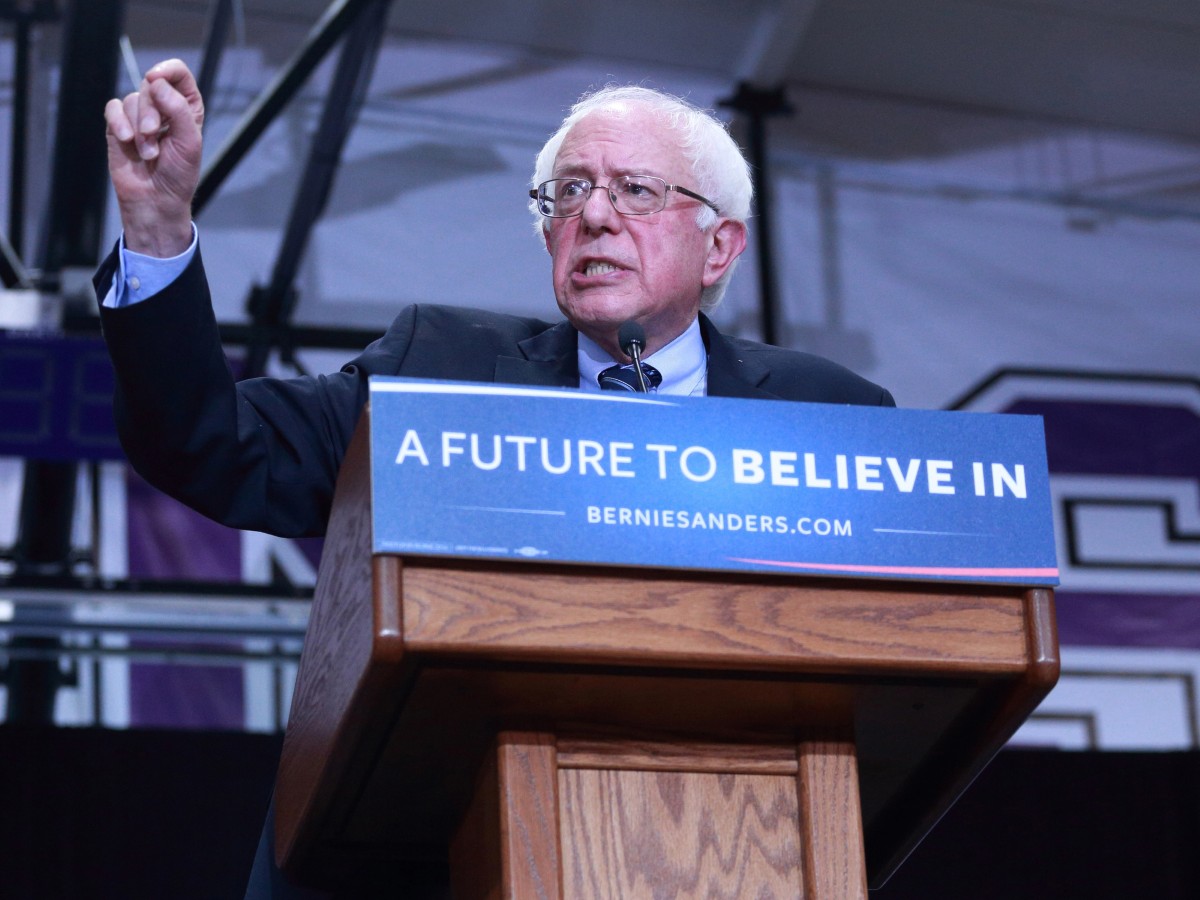
Bernie Sanders is escalating his push for a federal 5% wealth tax on America’s billionaires, pairing the policy rollout with sharp criticism of billionaire influence in media and politics.
The legislation, introduced with Ro Khanna, is projected to raise roughly $4.4 trillion over a decade and would not increase taxes on Americans with a net worth below $1 billion.
Sanders targets Bezos and media opposition
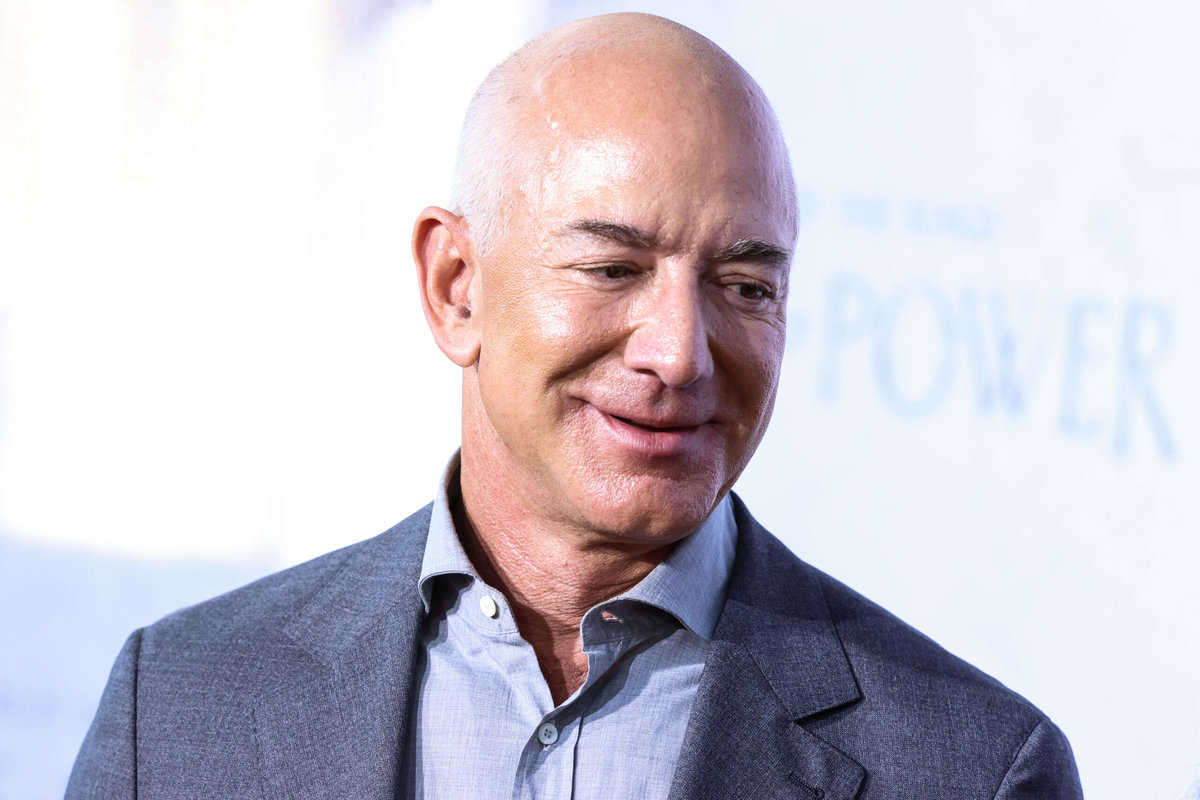
In a post on X, Sanders took direct aim at Jeff Bezos and his ownership of The Washington Post.
“Surprise! The Jeff Bezos-owned Washington Post is against my 5% billionaire wealth tax. I wonder why?” Sanders wrote.
“If enacted, Bezos would owe $12 billion in taxes, and an average family of 4 would receive a $12,000 direct payment. Poor Jeff would be left with just $224 billion to survive.”
$3,000 direct payments per person proposed

A central feature of the proposal is a $3,000 payment to every individual in households earning $150,000 or less annually. That would translate into $12,000 for a family of four in the first year alone.
Lawmakers say the payments are designed to provide immediate relief as affordability concerns dominate the political landscape.
Revenue from the billionaire tax would be used to reverse more than $1 trillion in cuts to Medicaid and related safety-net programs and expand Medicare coverage to include dental, vision and hearing benefits.
The plan would also establish a $60,000 minimum salary for public school teachers, cap child care costs at 7% of family income, and fund affordable housing construction and rehabilitation.
California wealth tax debate shapes national push
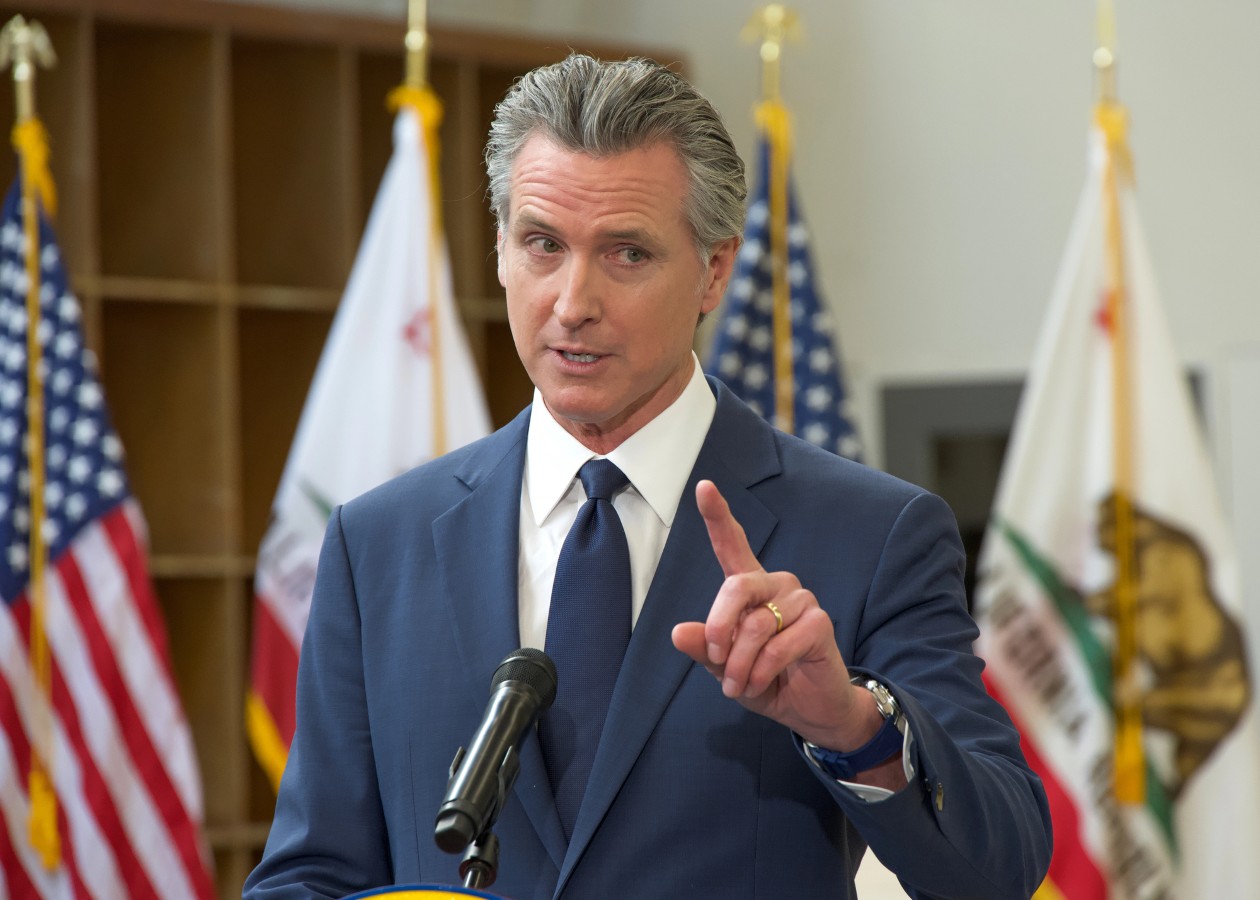
The federal proposal echoes efforts in Democratic-led states such as California, where a ballot measure to tax billionaire wealth has sparked intense debate.
Gavin Newsom has warned the state proposal could drive companies and wealthy residents to relocate, while Khanna has backed the measure despite pushback from some Silicon Valley supporters.
Sanders recently campaigned in Los Angeles alongside Khanna to promote the California initiative.
Billionaires already leaving high tax states
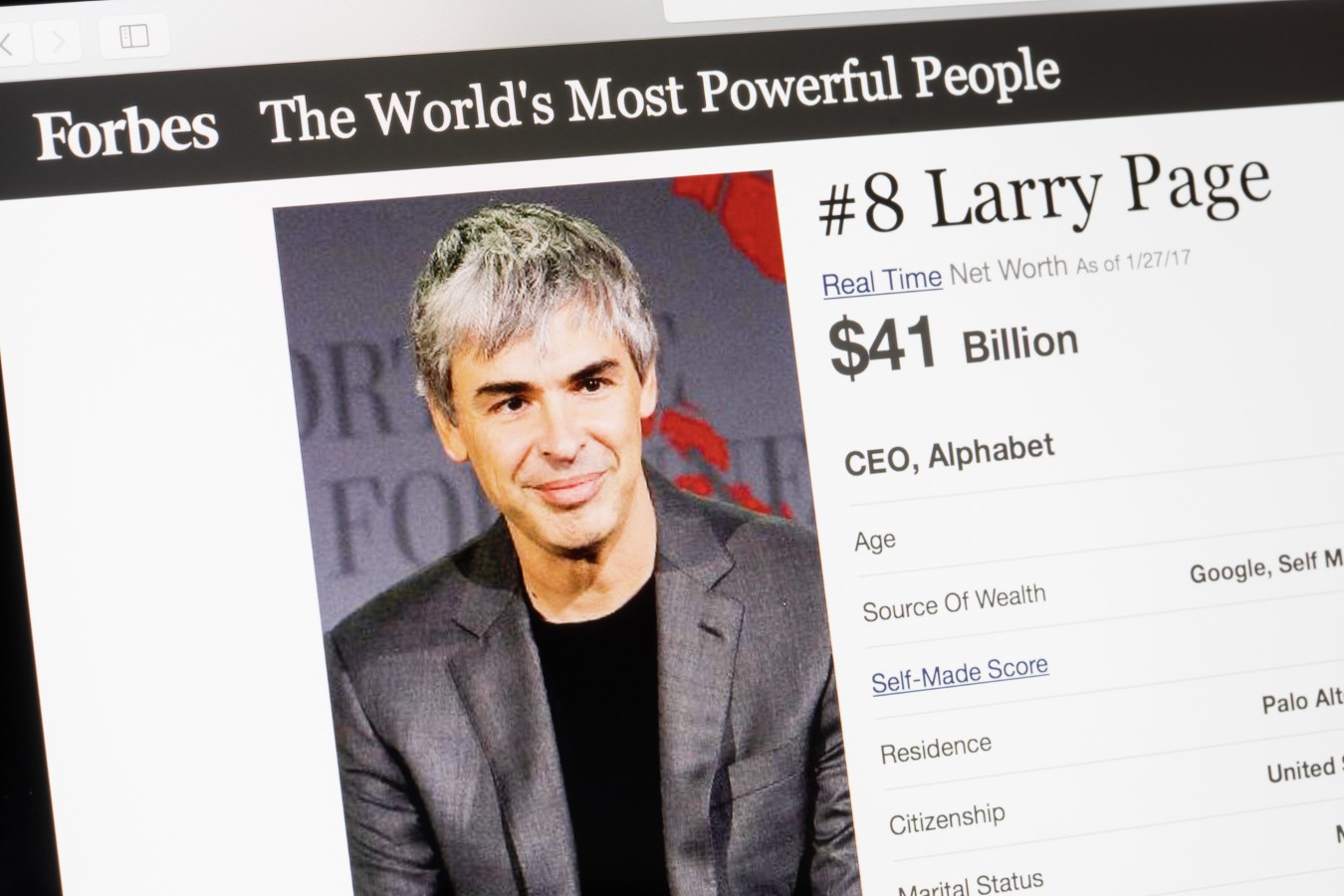
Since the California billionaire tax was announced, several founders have moved out of state.
Uber co-founder Travis Kalanick was the latest billionaire to announce his departure from California as lawmakers push a potential wealth tax targeting the ultra-rich.
Venture capitalist Vinod Khosla sharply criticized Khanna’s support for the measure, labeling it a “commie” tax and warning it could permanently damage California’s tax base. Khosla claimed that even before passage, roughly half of the state’s top $2 trillion in wealth has already left.
Silicon Valley is reeling following confirmation that Google cofounder Larry Page has officially traded the Bay Area for the tax-friendly shores of Florida, a move venture capital titan Paul Graham warns is a direct response to the state’s aggressive new wealth tax proposal.
Paul Graham posted on X, “Larry Page is gone. He wasn’t just pretending to move to Florida. He has moved. The proposed wealth tax hasn’t even passed, and already it has cost California both Larry’s presence and all the tax revenue it made from him.”
California tech billionaire Peter Thiel announced that he had “established a significant presence in Miami over the last several years, maintaining a personal residence in the city since 2020” and an office for his Founders Fund venture capital firm since 2021.
David Sacks, a billionaire venture capitalist and co-founder of Craft Ventures, announced on the final day of 2025 that his firm had opened an office in Austin, Texas.
Sacks, who previously lived in San Francisco, relocated earlier in December, timing the move just ahead of the proposed residency cutoff.
Tech investor Chamath Palihapitiya has publicly said he is giving “serious consideration” to moving to Texas, warning that the tax could drive entrepreneurs and capital out of California.
Y Combinator CEO Garry Tan cautioned that the uncertainty surrounding the proposal could crush California’s startup ecosystem. He warned that founders might relocate before their companies succeed; or avoid launching new ventures in the state altogether.
IRS migration data reveals migration from Blue to Red states
Newly released 2022–2023 migration figures from the Internal Revenue Service highlight a sweeping reshuffle of residents and income across the U.S., with significant implications for state budgets, housing demand, and long-term economic competitiveness.
Lower-tax states are emerging as clear beneficiaries of the trend. Florida gained a net 113,494 residents, including 50,485 high earners, translating into an eye-catching $20.7 billion influx in income; more than $17 billion of which came from top-earning households alone. Texas followed closely, adding 111,079 net new residents and $5.3 billion in additional income.
At the same time, high-tax coastal states experienced steep outflows. California recorded the nation’s largest population loss, with 205,788 net departures; including 37,777 high earners; who collectively took $13 billion in income with them, $7.6 billion from top earners alone. New York also posted heavy losses, shedding 161,963 residents and $10.6 billion in income. Combined, the two states saw nearly 368,000 people and $23.6 billion in annual income relocate elsewhere in just one year; a shift that underscores growing concerns about shrinking tax bases.
Sanders and Khanna hope the national tax would prevent people from leaving blue states.
Estimated tax bills for America’s richest

According to figures cited by Sanders’s office, several high-profile billionaires would face substantial tax obligations under the plan:
Elon Musk could owe roughly $42 billion.
Bezos would owe about $12 billion.
Mark Zuckerberg would also owe roughly $11 billion.
Supporters argue the tax would still leave billionaire fortunes largely intact while generating significant public revenue.
A long shot in Congress but a 2028 election flashpoint
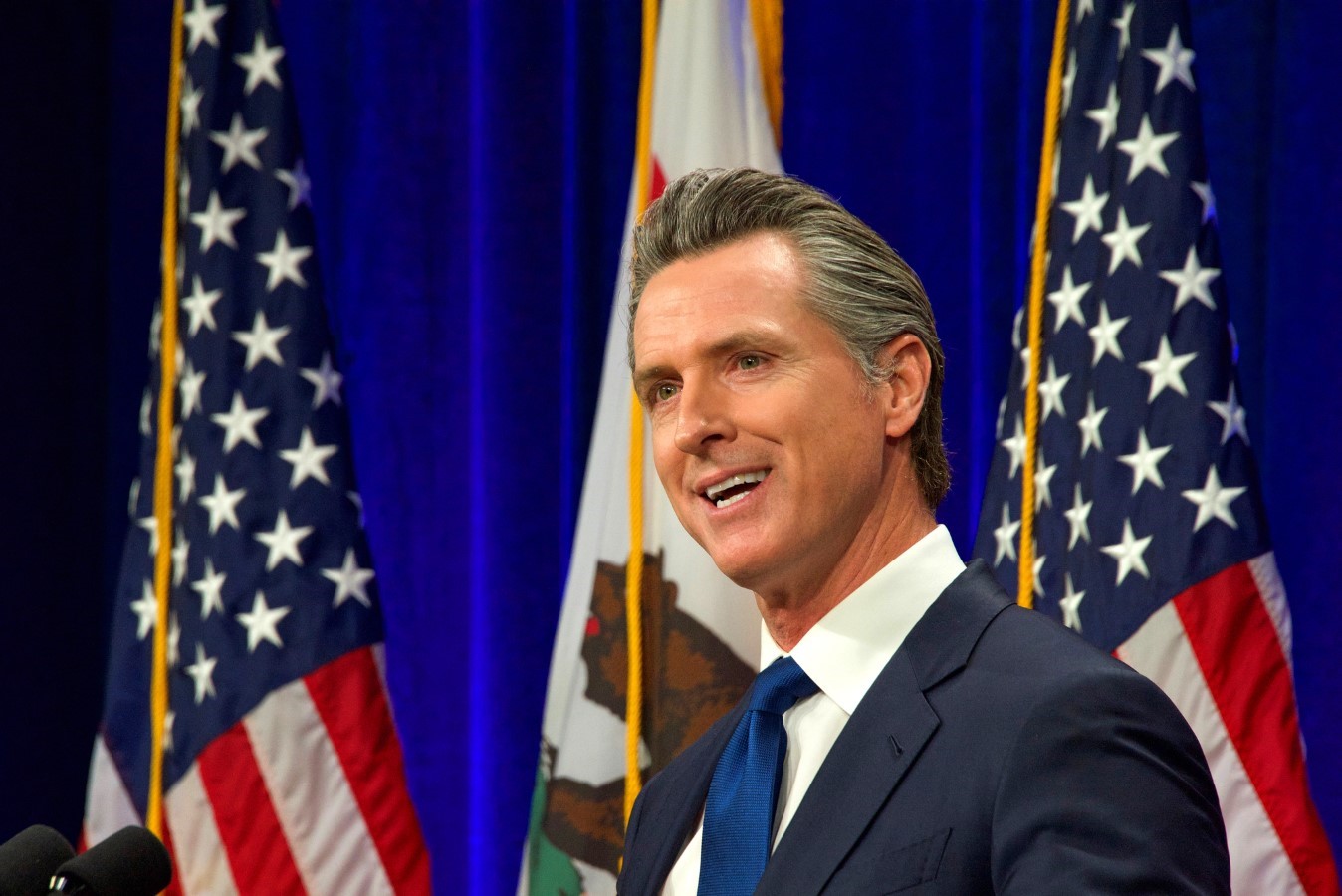
The proposal faces steep odds in a Republican-controlled Congress, but it is already shaping the policy debate ahead of the 2028 Democratic presidential primary.
Khanna has been testing the waters for a presidential run, while Newsom; widely viewed as a potential contender; has taken the opposite position on California’s wealth tax. Sanders, who is not expected to run again, has framed the proposal as a blueprint for the party’s economic agenda.
Like Financial Freedom Countdown content? Be sure to follow us!
Federal appeals court ends Biden’s SAVE student loan plan, leaving more than 7 million borrowers scrambling for new payments
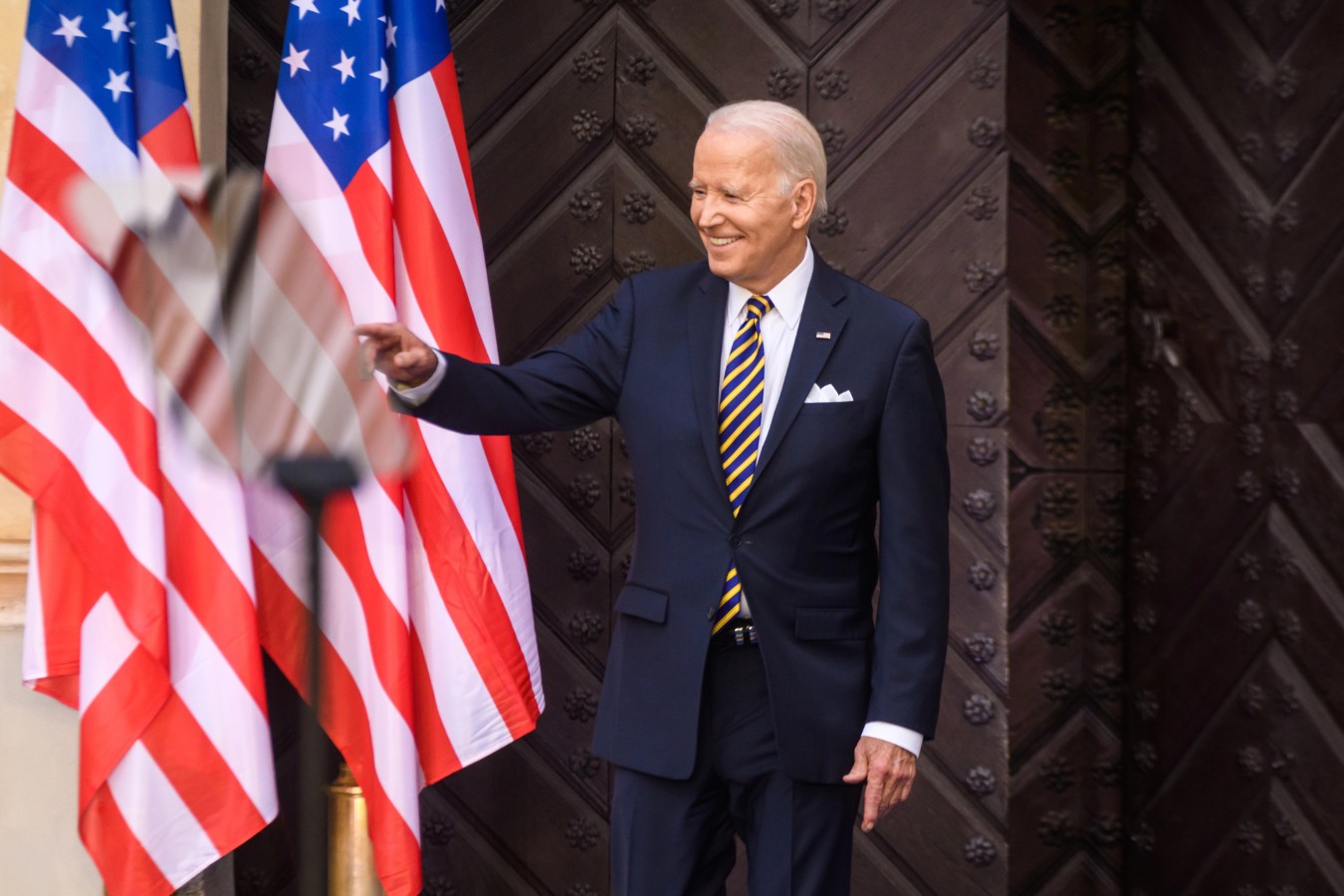
A federal appeals court has officially ordered the end of the Saving on a Valuable Education (SAVE) plan, the Biden administration-era student loan repayment program that significantly lowered monthly bills for millions of borrowers. In a judgment issued Monday, the U.S. Court of Appeals for the 8th Circuit reversed a lower court decision that had dismissed a Republican-led legal challenge against the plan. The ruling effectively terminates the program and forces millions of borrowers currently enrolled in SAVE to transition to other repayment options in the coming months.
Cory Booker’s ‘Keep Your Pay Act’ would wipe out taxes on first $75,000 and expand child tax credits
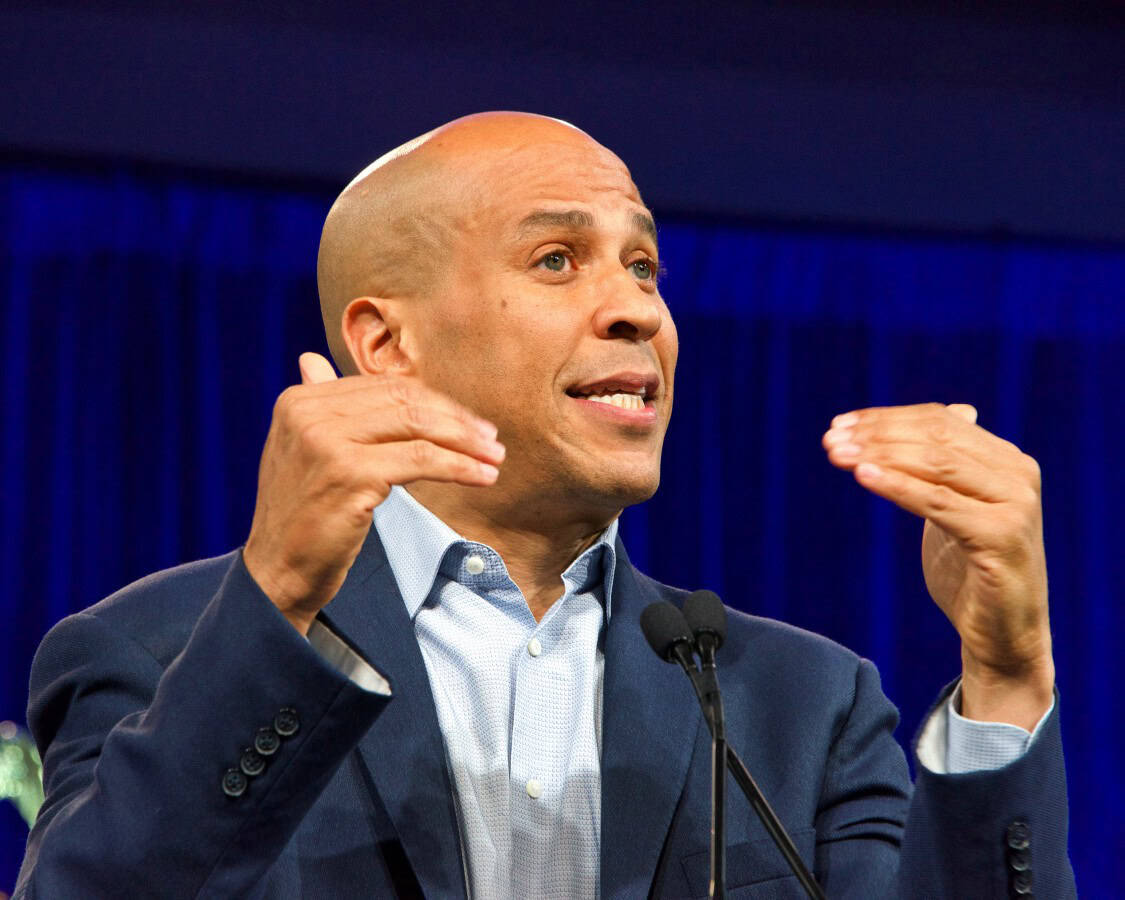
Cory Booker on Monday announced a sweeping proposal to eliminate federal income taxes on the first $75,000 of income for most households, arguing the plan would significantly boost take-home pay for working- and middle-class Americans. The New Jersey Democrat said the idea would reshape the tax code by dramatically increasing the standard deduction while expanding several tax credits aimed at families and low-income workers. Booker plans to introduce the legislation, called the “Keep Your Pay Act,” in the Senate this week. The proposal comes as he faces a 2026 re-election campaign and is widely viewed as a potential candidate in the 2028 presidential race.
Cory Booker’s ‘Keep Your Pay Act’ would wipe out taxes on first $75,000 and expand child tax credits

Did you find this article helpful? We’d love to hear your thoughts! Leave a comment with the box on the left-hand side of the screen and share your thoughts.
Also, do you want to stay up-to-date on our latest content?
1. Follow us by clicking the [+ Follow] button above,
2. Give the article a Thumbs Up on the top-left side of the screen.
3. And lastly, if you think this information would benefit your friends and family, don’t hesitate to share it with them!

John Dealbreuin came from a third world country to the US with only $1,000 not knowing anyone; guided by an immigrant dream. In 12 years, he achieved his retirement number.
He started Financial Freedom Countdown to help everyone think differently about their financial challenges and live their best lives. John resides in the San Francisco Bay Area enjoying nature trails and weight training.
Here are his recommended tools
Personal Capital: This is a free tool John uses to track his net worth on a regular basis and as a retirement planner. It also alerts him wrt hidden fees and has a budget tracker included.
Platforms like Yieldstreet provide investment options in art, legal, real estate, structured notes, venture capital, etc. They also have fixed-income portfolios spread across multiple asset classes with a single investment with low minimums of $10,000.