
Social Security insolvency timeline moves closer again, now forecast for 2032

A new projection from the Congressional Budget Office (CBO) suggests that Social Security’s primary retirement fund may be depleted earlier than previously forecast. The agency now estimates that the Old-Age and Survivors Insurance Trust Fund will be exhausted in 2032, moving up its earlier projection of 2033 by one year. The revised timeline underscores mounting financial pressure on one of the nation’s most critical safety net programs.
What happens if the trust fund is depleted

Even if the trust fund runs dry, the Social Security Administration would continue distributing benefits. However, without sufficient reserves, the agency may be forced to reduce payments to align with incoming revenue. Experts warn that this could result in significant cuts for retirees and other beneficiaries who rely on Social Security income.
Why the CBO revised its forecast

The CBO updated its projections after revising its broader economic outlook, particularly expectations around inflation. Higher inflation can drive larger cost-of-living adjustments (COLA), increasing the amount paid out in benefits and accelerating the depletion of trust fund reserves.
Inflation and COLA increases add pressure

The agency forecasts a 3.1% COLA for 2027, which is on the higher end of expectations. For comparison, the COLA for 2026 is set at 2.8%. While these adjustments help beneficiaries maintain purchasing power, they also increase the program’s overall costs, placing additional strain on already limited reserves.
Lower tax revenue also impacts projections
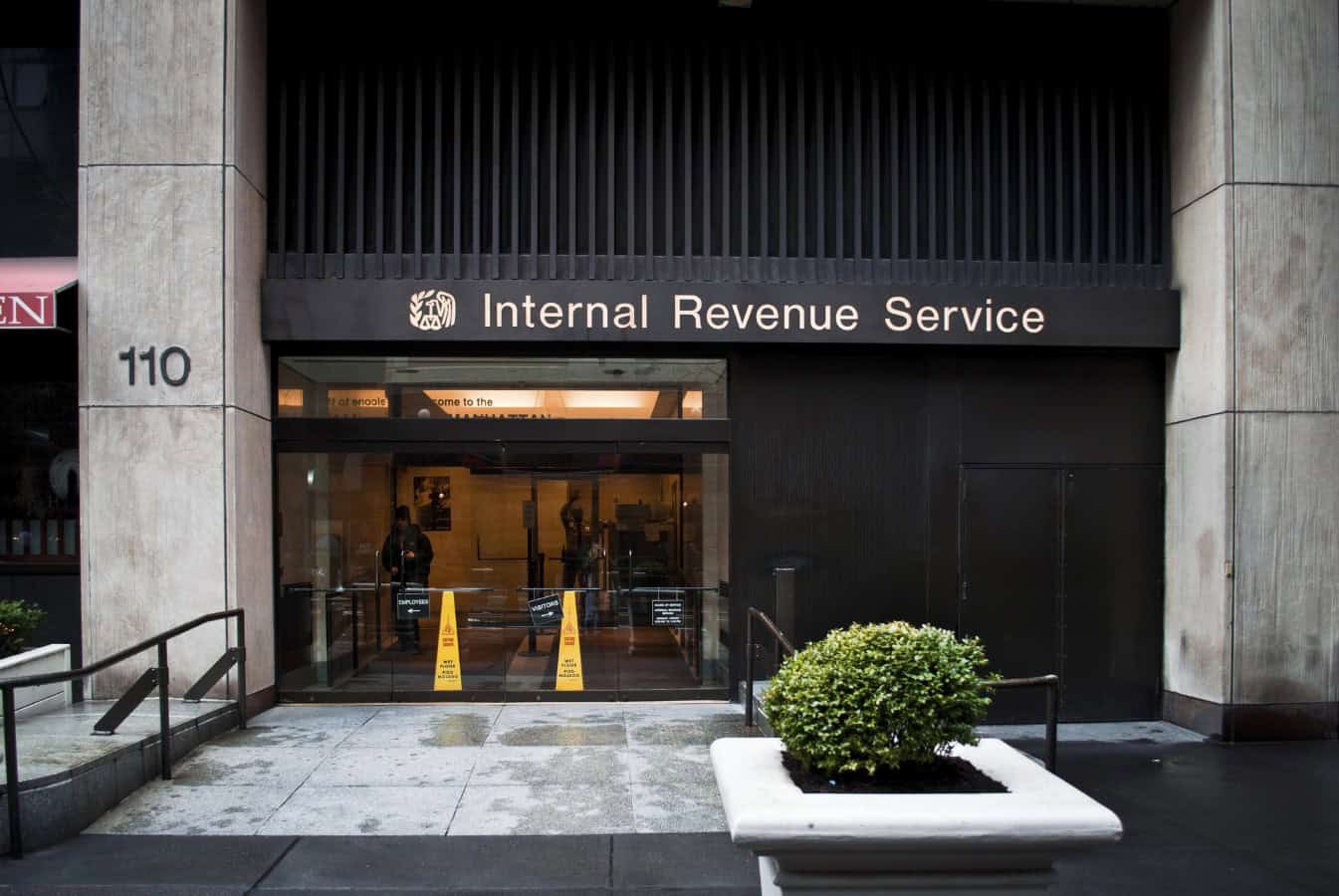
In addition to inflation, the CBO expects lower income from payroll and individual income taxes. Since Social Security is primarily funded through payroll taxes paid by workers and employers, any decline in tax revenue directly affects the program’s financial stability.
Trust fund reserves have already been tapped

The Social Security system began drawing on its trust fund reserves in 2021, marking a significant shift.
The rapid inflation increased the COLA payments substantially during the last few years.
Since then, annual benefit payments have exceeded incoming revenue, requiring the program to rely on its accumulated reserves to make up the difference.
Aging population drives long-term imbalance

Demographic trends are a key factor behind the funding gap. As the U.S. population ages, more individuals are claiming retirement benefits while fewer workers are contributing payroll taxes. This imbalance is expected to persist, further stressing the system over time.
Experts say benefits may fall short of promises

According to the Center on Budget and Policy Priorities, once the trust fund reserves are depleted, Social Security would only be able to pay about 81% of scheduled benefits. This would effectively translate into across-the-board cuts unless Congress intervenes.
The most recent Social Security Trustees Report echoes similar concerns, warning that the program’s long-term funding gap continues to widen. The report emphasizes that earlier action would allow for more gradual and less disruptive policy changes, while delays could force more abrupt benefit reductions or tax increases.
Social Security Fairness Act adds new financial considerations

The Social Security Fairness Act, signed by President Biden in the last few days of his presidency; repealed provisions like the Windfall Elimination Provision (WEP) and Government Pension Offset (GPO). While proponents argue the changes would improve payouts for public sector workers, the trustees report notes that such reforms could further strain the system’s finances by increasing benefit obligations.
Lawmakers face difficult choices ahead

With the projected depletion date drawing closer, policymakers are under increasing pressure to act. Potential solutions include raising payroll taxes, adjusting benefits, increasing the retirement age, or a combination of reforms. Each option carries political and economic trade-offs, making consensus difficult but increasingly necessary.
The clock is ticking on reform

The advancing timeline for trust fund depletion reinforces a central message from experts: delay will only make the problem harder to solve. Without legislative action, millions of Americans could face reduced benefits within the next decade, making Social Security reform one of the most pressing fiscal challenges in Washington.
Like Financial Freedom Countdown content? Be sure to follow us!
14 essential strategies to maximize your Social Security and avoid costly mistakes

Social Security is a vital lifeline for many seniors, providing crucial income support during retirement. With inflation at its highest in four decades, Social Security’s inflation-adjusted benefits offer protection against rising costs.
Rising interest rates have disrupted many retirement portfolios, causing bond fund values to plummet. In this volatile financial landscape, Social Security can stabilize a typical stock-bond retirement portfolio. By implementing smart strategies, retirees can maximize their Social Security benefits and ensure a more secure financial future.
14 Essential Strategies to Maximize Your Social Security and Avoid Costly Mistakes
11 reasons you should claim Social Security early

Deciding when to claim Social Security is often about maximizing your benefit. Financial planners usually advise delaying your claim for as long as possible to secure the highest monthly payment. Your benefit is based on your lifetime earnings, with a full payout available at your full retirement age (FRA), which is currently between 66 and 67 depending on your birth year. Claiming before FRA results in a permanent reduction in your monthly benefit, while waiting beyond FRA leads to a permanent increase. However, the decision isn’t solely about maximizing the monthly check. Personal factors such as health, family circumstances, and financial needs can play a significant role in determining the right time to claim.
11 Reasons You Should Claim Social Security Early

Did you find this article helpful? We’d love to hear your thoughts! Leave a comment with the box on the left-hand side of the screen and share your thoughts.
Also, do you want to stay up-to-date on our latest content?
1. Follow us by clicking the [+ Follow] button above,
2. Give the article a Thumbs Up on the top-left side of the screen.
3. And lastly, if you think this information would benefit your friends and family, don’t hesitate to share it with them!

John Dealbreuin came from a third world country to the US with only $1,000 not knowing anyone; guided by an immigrant dream. In 12 years, he achieved his retirement number.
He started Financial Freedom Countdown to help everyone think differently about their financial challenges and live their best lives. John resides in the San Francisco Bay Area enjoying nature trails and weight training.
Here are his recommended tools
Personal Capital: This is a free tool John uses to track his net worth on a regular basis and as a retirement planner. It also alerts him wrt hidden fees and has a budget tracker included.
Platforms like Yieldstreet provide investment options in art, legal, real estate, structured notes, venture capital, etc. They also have fixed-income portfolios spread across multiple asset classes with a single investment with low minimums of $10,000.