Student Loan Forgiveness at the End of 2025: Millions Approved for Relief; While Others Are Still Waiting

As 2025 came to a close, millions of federal student loan borrowers are still navigating a confusing forgiveness landscape shaped by court rulings, administrative pauses, and shifting federal policy.
While some borrowers finally saw long-promised relief approved, others remain stuck in backlogs or face new restrictions ahead. Here’s where the major student loan forgiveness programs stand as the year ends; and what borrowers should expect next.
A Year of Delays, Lawsuits, and Restarted Forgiveness
Student loan forgiveness in 2025 was anything but smooth.
Ongoing court cases, especially those targeting the SAVE repayment plan, forced the Department of Education to pause or slow several discharge programs. As a result, many borrowers who had already met forgiveness requirements were left waiting for months. Toward the end of the year, however, the department resumed several key forgiveness pathways.
Billions Approved Before the Biden Administration Exit
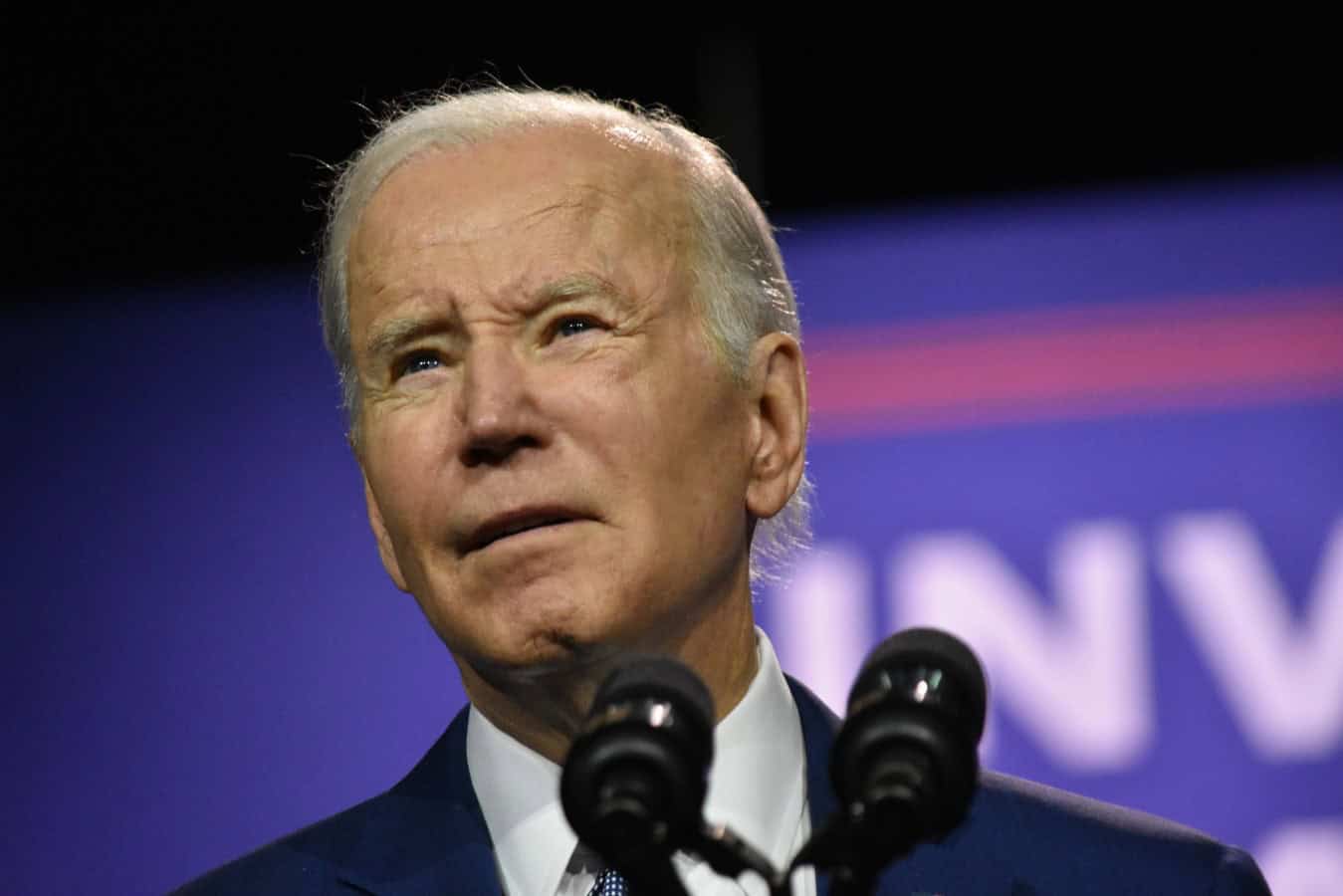
Before former President Joe Biden left office in January 2025, his administration approved billions of dollars in student loan forgiveness across multiple programs.
These included relief through income-driven repayment plans, Public Service Loan Forgiveness (PSLF), borrower defense claims involving school misconduct, and discharges for borrowers with total and permanent disabilities. Much of that approved relief continued to be processed throughout the year.
Income-Driven Repayment Forgiveness Is Back on Track

One of the most significant forgiveness routes; income-driven repayment (IDR); was partially blocked in mid-2025 after a court ruling against the SAVE plan. Under IDR, borrowers are eligible for forgiveness after making 20 or 25 years of qualifying payments. The pause left many long-term borrowers in limbo despite having already met their payment requirements.
Which IDR Plans Are Granting Forgiveness Again

In October, the Department of Education announced it would resume forgiveness under older income-driven plans, including Income-Based Repayment (IBR), Income-Contingent Repayment (ICR), and Pay As You Earn (PAYE).
While SAVE is being phased out, borrowers enrolled in these plans are once again seeing their loans discharged if they qualify.
Tax-Free Forgiveness Extends Into 2026

Borrowers who qualify for forgiveness before the end of 2025 will receive that relief tax-free at the federal level; even if the actual discharge is processed in 2026. This provision is critical for borrowers who feared large tax bills due to administrative delays. Loan servicers are expected to continue approving 2025 applications well into early 2026.
A Growing Backlog; but Signs of Progress

Between November 1 and November 30, the Department of Education approved 170 loan discharges through the Income-Based Repayment plan alone.
According to the Student Loan Servicing Alliance, thousands more IDR forgiveness applications were approved between October and early December. Servicers expect the backlog to be largely cleared by March or April of 2026.
Public Service Loan Forgiveness Buyback Gains Momentum

PSLF borrowers also saw movement in 2025, particularly through the “buy-back” option. This program allows public service workers to purchase credit for months spent in deferment or forbearance to reach the required 10 years of payments. Applications surged after millions of SAVE borrowers were placed into administrative forbearance earlier in the year.
PSLF Approvals Rise; but Tens of Thousands Still Pending

Between November 1 and November 30, the Department of Education granted 280 loan discharges through PSLF. However, demand far outpaced approvals, with more than 80,000 PSLF buy-back applications still pending at the end of November. Many borrowers may not receive final decisions until well into 2026.
New PSLF Restrictions Are Coming in 2026

While forgiveness resumed in 2025, new limits are on the horizon. The Trump administration finalized a rule that could restrict PSLF eligibility for borrowers whose employers are deemed to engage in “illegal” activities by the Department of Education. That rule is scheduled to take effect in July 2026 and could narrow access to PSLF for some public service workers.
Why Borrowers Should Pay Close Attention Now

Since the loan payment pause, student loan repayment and forgiveness rules have changed repeatedly, often without clear timelines. Understanding which forgiveness programs are active; and which remain delayed; can help borrowers plan, submit applications on time, and avoid costly mistakes.
As 2026 begins, relief is finally moving again, but for many borrowers, the wait isn’t over yet.
Like Financial Freedom Countdown content? Be sure to follow us!
Forgotten IRS Retirement Rule Is Costing Americans $1.7 Billion a Year and It’s Still Catching Retirees Off Guard

Missing a required minimum distribution (RMD) might sound like a minor paperwork error. But new research from Vanguard shows it’s anything but small: investors who failed to take required withdrawals in 2024 triggered an estimated $1.7 billion in IRS penalties, with the biggest mistakes concentrated among people with the smallest retirement accounts. Here’s what the data reveals; and what retirees can do to avoid an expensive oversight.
Gen Z Would Cut Current Retirees’ Social Security Before Raising Taxes; A Generational Reckoning Is Here
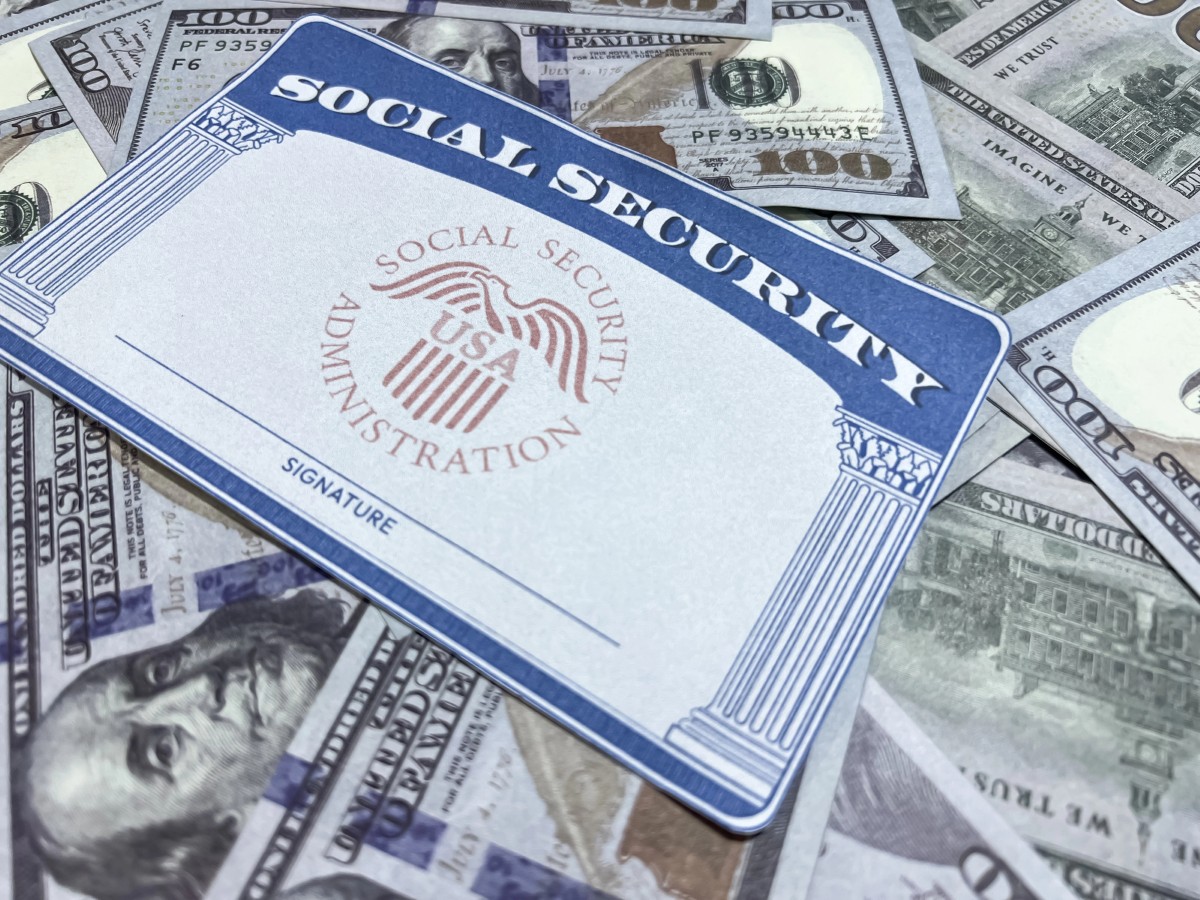
Social Security supports the majority of American workers, retirees, and families. Yet as the program barrels toward a funding shortfall, a stark generational divide is emerging. Younger Americans; especially Gen Z, are increasingly unwilling to pay higher taxes to preserve benefits they’re not confident they’ll ever receive.
Did you find this article helpful? We’d love to hear your thoughts! Leave a comment with the box on the left-hand side of the screen and share your thoughts.
Also, do you want to stay up-to-date on our latest content?
1. Follow us by clicking the [+ Follow] button above,
2. Give the article a Thumbs Up on the top-left side of the screen.
3. And lastly, if you think this information would benefit your friends and family, don’t hesitate to share it with them!

John Dealbreuin came from a third world country to the US with only $1,000 not knowing anyone; guided by an immigrant dream. In 12 years, he achieved his retirement number.
He started Financial Freedom Countdown to help everyone think differently about their financial challenges and live their best lives. John resides in the San Francisco Bay Area enjoying nature trails and weight training.
Here are his recommended tools
Personal Capital: This is a free tool John uses to track his net worth on a regular basis and as a retirement planner. It also alerts him wrt hidden fees and has a budget tracker included.
Platforms like Yieldstreet provide investment options in art, legal, real estate, structured notes, venture capital, etc. They also have fixed-income portfolios spread across multiple asset classes with a single investment with low minimums of $10,000.