
Student loan wage garnishments still on hold as millions face default and repayment backlog

The U.S. Department of Education has yet to provide a clear timeline for when wage garnishments will resume for federal student loan borrowers in default. While officials previously signaled collections would restart, shifting plans and delays have left millions of borrowers uncertain about when involuntary collections could begin.
Treasury Department takes over loan collection responsibilities

Responsibility for federal student loan collections has been transferred to the Department of the Treasury, marking a significant operational shift. The Treasury Department is expected to lead the next phase of collections, beginning with outreach efforts aimed at borrowers currently in default.
Industry experts say voluntary collections will likely begin within four to five months. During this phase, borrowers may be contacted and offered options such as loan rehabilitation or consolidation to bring their loans back into good standing before harsher measures take effect.
Student loan transfer to Treasury slammed as ‘illegal’ by Democratic lawmakers

A group of Democratic lawmakers is intensifying its push to halt a sweeping plan to transfer federal student-loan management from the Department of Education to the Treasury Department.
In a detailed letter sent April 1, senators; including Elizabeth Warren and Bernie Sanders argued the move could disrupt the system and harm millions of borrowers.
The letter significantly expands on earlier concerns, framing the proposal not just as risky, but potentially unlawful and costly for taxpayers.
The senators sharply criticized the interagency agreement (IAA), writing that it represents “the latest attempts of the Trump Administration to illegally dismantle the Department of Education (ED).”
They added that the administration “has not even tried to explain how this will improve the administration of federal student aid programs nor provided any information to Congress or the American public about how much this scheme will cost.”
Involuntary collections, including garnishments, remain on hold
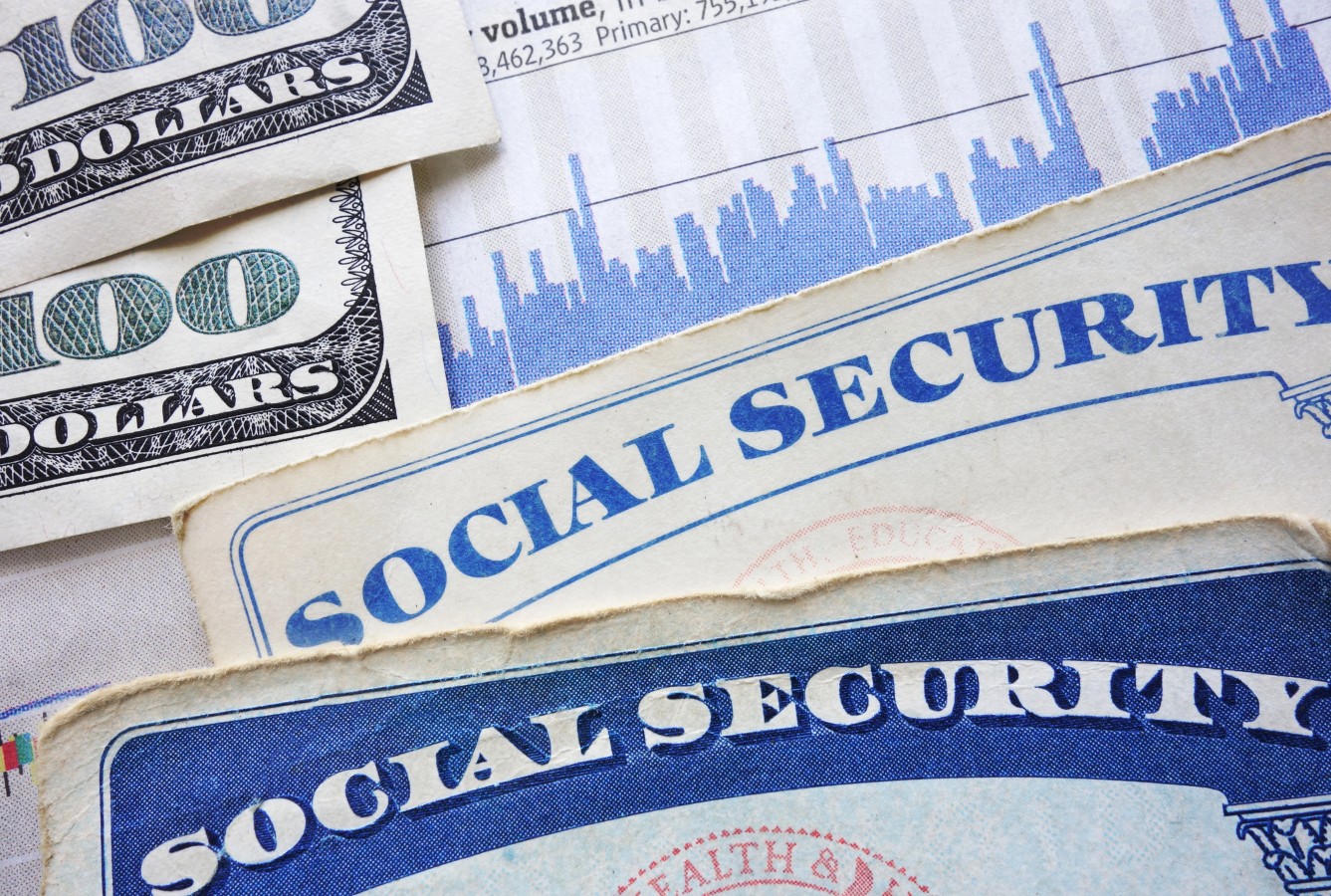
While voluntary collections are expected soon, there is still no confirmed timeline for involuntary collections such as wage garnishment or tax refund offsets. These measures typically apply to borrowers who have been in default for more than 270 days and have not taken steps to resolve their debt.
It is also unclear whether Social Security benefits will be subject to garnishment when collections resume. The Education Department previously paused such garnishments and has not provided updated guidance, leaving retirees and disabled borrowers in limbo.
Millions of borrowers remain in default or delinquency

Currently, roughly 8.8 million federal student loan borrowers are in default, with millions more behind on payments. These borrowers still have an opportunity to resolve their debt before collections resume, though delays have complicated planning and financial decision-making.
Repayment Assistance Plan set to launch in July 2026

A new income-driven repayment option, known as the Repayment Assistance Plan, is scheduled to launch on July 1, 2026. Officials say the delay in collections is partly intended to give borrowers time to transition into this new program.
“These are new tools that won’t become available to borrowers until at least July 1 of this year,” said Nicholas Kent, undersecretary of Education. “We’ve been very clear, [this is] a temporary pause, but we want to work with borrowers to get them into that new repayment plan… and put them on track.”
Application backlog slows access to relief programs

A major challenge facing borrowers is a growing backlog of applications for income-driven repayment (IDR) plans. As of the end of February, 576,609 applications were still pending with the Education Department, delaying access to more affordable monthly payments.
Delays also extend to the Public Service Loan Forgiveness (PSLF) program, created under George W. Bush in 2007. Currently, 88,170 borrowers are waiting for decisions on PSLF buyback applications, which allow borrowers to retroactively qualify for forgiveness after missed payments.
Experts warned that, at the current pace, it could take nearly three years to process the existing backlog; even if no new applications were submitted. This raises concerns about whether borrowers can access relief before collections fully resume.
Policy changes and legal challenges reshape repayment landscape

Recent policy changes have added further complexity. Legal challenges halted the Biden-era SAVE plan, leaving more than 7 million borrowers in forbearance. Meanwhile, President Donald Trump’s “One Big Beautiful Bill” is expected to eliminate several existing repayment options while introducing new ones.
With more than 42 million Americans holding over $1.6 trillion in student debt, the stakes remain high. Surveys show about 42% of borrowers struggle to cover basic needs due to monthly payments, underscoring the urgency of clear guidance and accessible relief options as collections inch closer to resuming.
Like Financial Freedom Countdown content? Be sure to follow us!
14 essential strategies to maximize your Social Security and avoid costly mistakes
Social Security is a vital lifeline for many seniors, providing crucial income support during retirement. With inflation at its highest in four decades, Social Security’s inflation-adjusted benefits offer protection against rising costs.
Rising interest rates have disrupted many retirement portfolios, causing bond fund values to plummet. In this volatile financial landscape, Social Security can stabilize a typical stock-bond retirement portfolio. By implementing smart strategies, retirees can maximize their Social Security benefits and ensure a more secure financial future.
14 Essential Strategies to Maximize Your Social Security and Avoid Costly Mistakes
11 reasons you should claim Social Security early

Deciding when to claim Social Security is often about maximizing your benefit. Financial planners usually advise delaying your claim for as long as possible to secure the highest monthly payment. Your benefit is based on your lifetime earnings, with a full payout available at your full retirement age (FRA), which is currently between 66 and 67 depending on your birth year. Claiming before FRA results in a permanent reduction in your monthly benefit, while waiting beyond FRA leads to a permanent increase. However, the decision isn’t solely about maximizing the monthly check. Personal factors such as health, family circumstances, and financial needs can play a significant role in determining the right time to claim.
11 Reasons You Should Claim Social Security Early

Did you find this article helpful? We’d love to hear your thoughts! Leave a comment with the box on the left-hand side of the screen and share your thoughts.
Also, do you want to stay up-to-date on our latest content?
1. Follow us by clicking the [+ Follow] button above,
2. Give the article a Thumbs Up on the top-left side of the screen.
3. And lastly, if you think this information would benefit your friends and family, don’t hesitate to share it with them!

John Dealbreuin came from a third world country to the US with only $1,000 not knowing anyone; guided by an immigrant dream. In 12 years, he achieved his retirement number.
He started Financial Freedom Countdown to help everyone think differently about their financial challenges and live their best lives. John resides in the San Francisco Bay Area enjoying nature trails and weight training.
Here are his recommended tools
Personal Capital: This is a free tool John uses to track his net worth on a regular basis and as a retirement planner. It also alerts him wrt hidden fees and has a budget tracker included.
Platforms like Yieldstreet provide investment options in art, legal, real estate, structured notes, venture capital, etc. They also have fixed-income portfolios spread across multiple asset classes with a single investment with low minimums of $10,000.