‘Too Big to Save’: Big Short Investor Michael Burry Issues Dire Warning on AI Mania

Michael Burry, the investor made famous by The Big Short, is sounding one of his starkest alarms yet; this time on artificial intelligence. Burry says the AI boom has all the hallmarks of a historic bubble and warns that when it bursts, the damage could ripple through markets and the broader economy in ways policymakers won’t be able to stop.
Burry Says the AI Bubble Is Inevitable; and Unstoppable
In a late-night post on X, Burry argued that the federal government would likely intervene to try to stabilize the AI sector if it falters. But he added a grim caveat: “The problem is too big to save.” According to Burry, the scale of investment, debt, and market reliance on AI makes a clean rescue nearly impossible once the bubble pops.
OpenAI Becomes the Latest Flashpoint

Burry’s warning came in response to a post criticizing OpenAI, the company behind ChatGPT. Former hedge fund manager George Noble claimed the company was “falling apart in real time,” pointing to intensifying competition, ballooning costs, widening losses, and Elon Musk’s ongoing lawsuit. Burry replied that OpenAI’s troubles are just the beginning, not the end, of what’s coming.
‘Mania’ Spending and a $1.4 Trillion Dream

The investor zeroed in on what he sees as reckless spending across the AI industry. Burry previously mocked OpenAI’s “dreamy” plan to spend roughly $1.4 trillion over eight years, arguing that no amount of capital can buy enough time once investor psychology turns. “By definition,” he said, this kind of spending frenzy signals mania.
From Dot-Com Parallels to a ‘Next Netscape’ Moment

Burry has repeatedly compared today’s AI boom to the dot-com bubble. In December, he labeled OpenAI “the next Netscape,” invoking the once-dominant internet pioneer that collapsed after the bubble burst. He has even said he would short OpenAI if it were a public company, underscoring how bearish he is on the sector’s long-term sustainability.
Big Tech’s $22 Trillion AI Bet Raises the Stakes
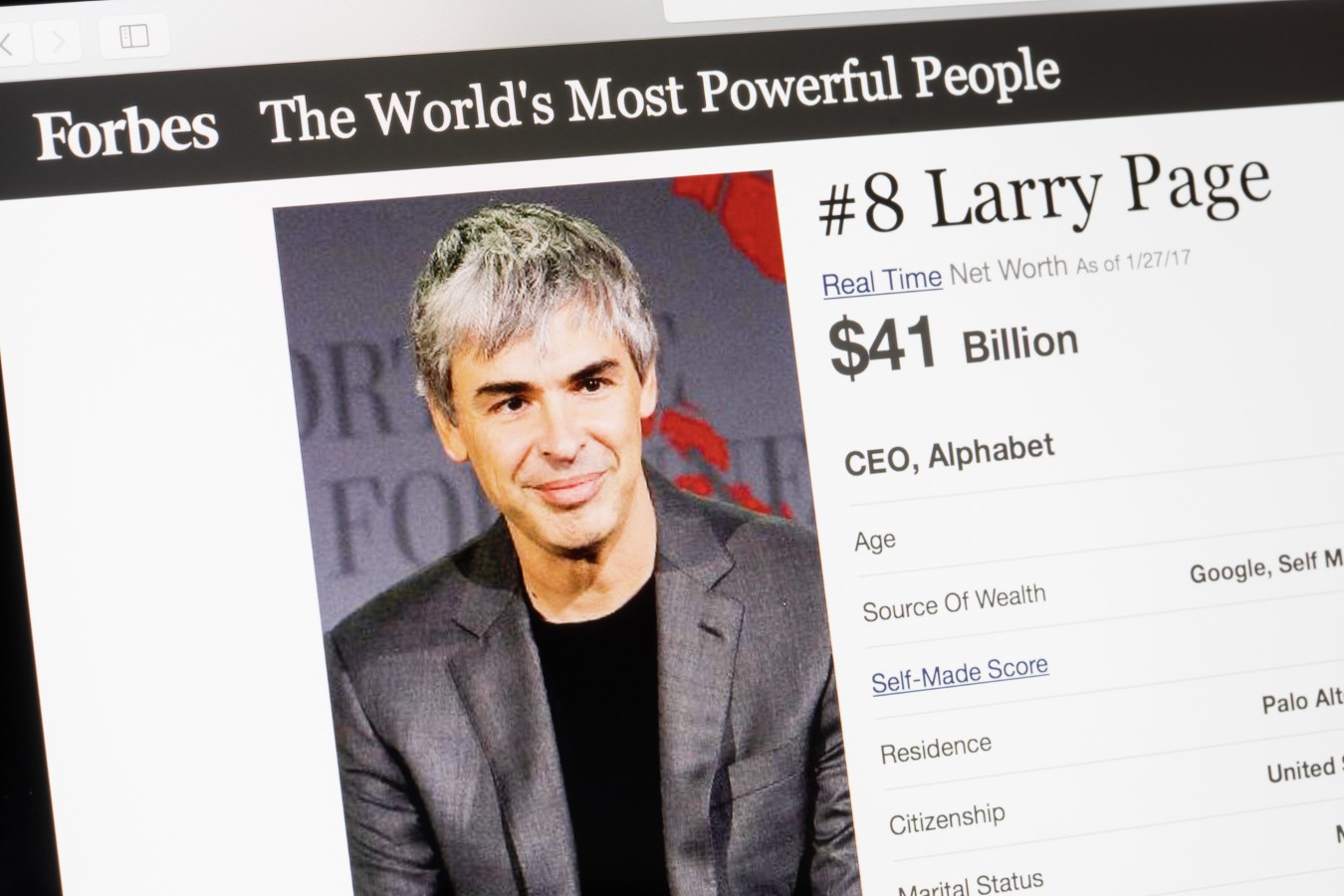
America’s eight most valuable public companies; Nvidia, Alphabet, Apple, Microsoft, Amazon, Broadcom, Meta, and Tesla; are all heavily invested in AI. Each carries a market capitalization above $1 trillion, and together they’re worth more than $22 trillion.
Burry’s concern isn’t just about startups like OpenAI, but about how deeply AI enthusiasm is embedded in the entire market.
Too Big to Fail… or Too Big to Save?

During the 2008 financial crisis, the government stepped in to rescue banks deemed “too big to fail,” a move that drew lasting public backlash. Burry suggests AI may soon face a similar moment; but with an even harder choice. If the sector collapses under its own weight, the scale may overwhelm any bailout effort, leaving markets exposed.
Investors Split on Whether AI Is a Revolution or a Bubble

Not everyone agrees with Burry. Veteran bubble historian Jeremy Grantham recently said the odds of AI avoiding a bust are “slim to none.” On the other hand, investors like Kevin O’Leary and Ross Gerber argue AI is boosting productivity and driving real economic growth. For now, markets remain optimistic; but Burry’s warning suggests that optimism could be the very thing fueling the risk.
As the AI arms race accelerates, Burry’s message is clear: history shows that manias don’t end gently; and this one, he believes, may be too large for anyone to contain once reality sets in.
Like Financial Freedom Countdown content? Be sure to follow us!
Major Student Loan Changes Coming in 2026; From Parent PLUS Caps to the End of SAVE

Federal student loans are about to change in some of the biggest ways in decades. Beginning in 2026, new laws will reshape how much students and parents can borrow, eliminate long-standing loan programs, and overhaul repayment for future borrowers. For families planning for college, graduate students weighing advanced degrees, and borrowers already navigating repayment, these shifts could significantly alter education and financial decisions.
Major Student Loan Changes Coming in 2026; From Parent PLUS Caps to the End of SAVE
Did you find this article helpful? We’d love to hear your thoughts! Leave a comment with the box on the left-hand side of the screen and share your thoughts.
Also, do you want to stay up-to-date on our latest content?
1. Follow us by clicking the [+ Follow] button above,
2. Give the article a Thumbs Up on the top-left side of the screen.
3. And lastly, if you think this information would benefit your friends and family, don’t hesitate to share it with them!

John Dealbreuin came from a third world country to the US with only $1,000 not knowing anyone; guided by an immigrant dream. In 12 years, he achieved his retirement number.
He started Financial Freedom Countdown to help everyone think differently about their financial challenges and live their best lives. John resides in the San Francisco Bay Area enjoying nature trails and weight training.
Here are his recommended tools
Personal Capital: This is a free tool John uses to track his net worth on a regular basis and as a retirement planner. It also alerts him wrt hidden fees and has a budget tracker included.
Platforms like Yieldstreet provide investment options in art, legal, structured notes, venture capital, etc. They also have fixed-income portfolios spread across multiple asset classes with a single investment with low minimums of $10,000.