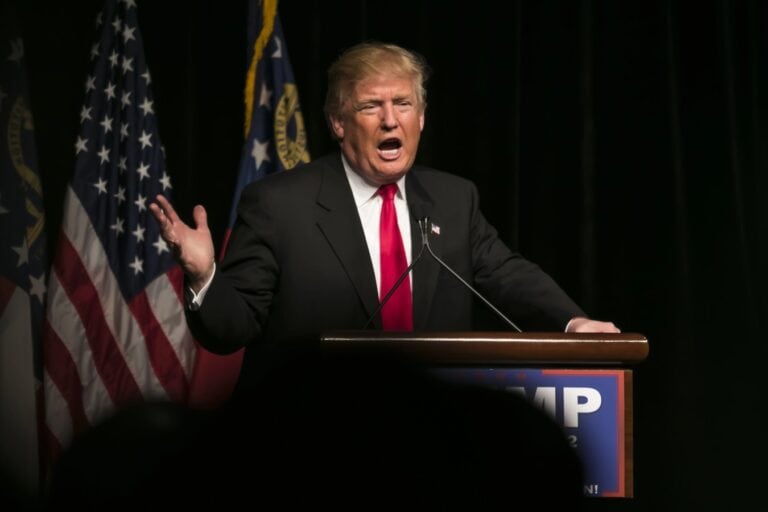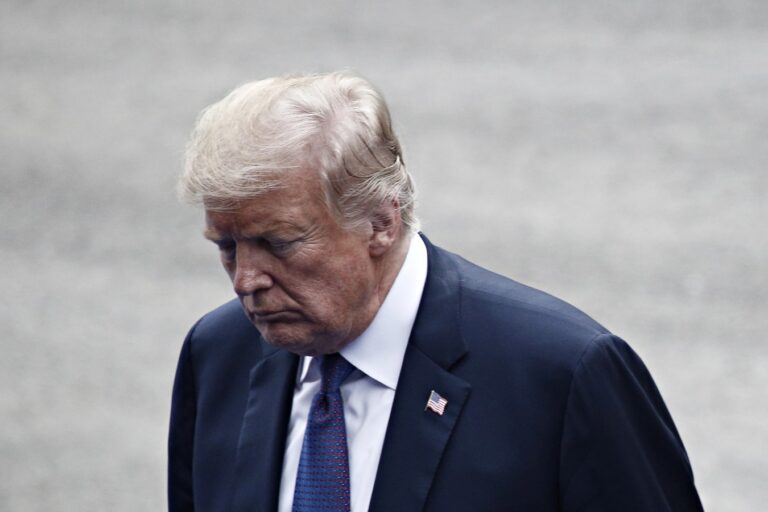
Trump promotes new ‘Freedom Fuel’ gas stations selling $3.47 gasoline. Here’s what we know
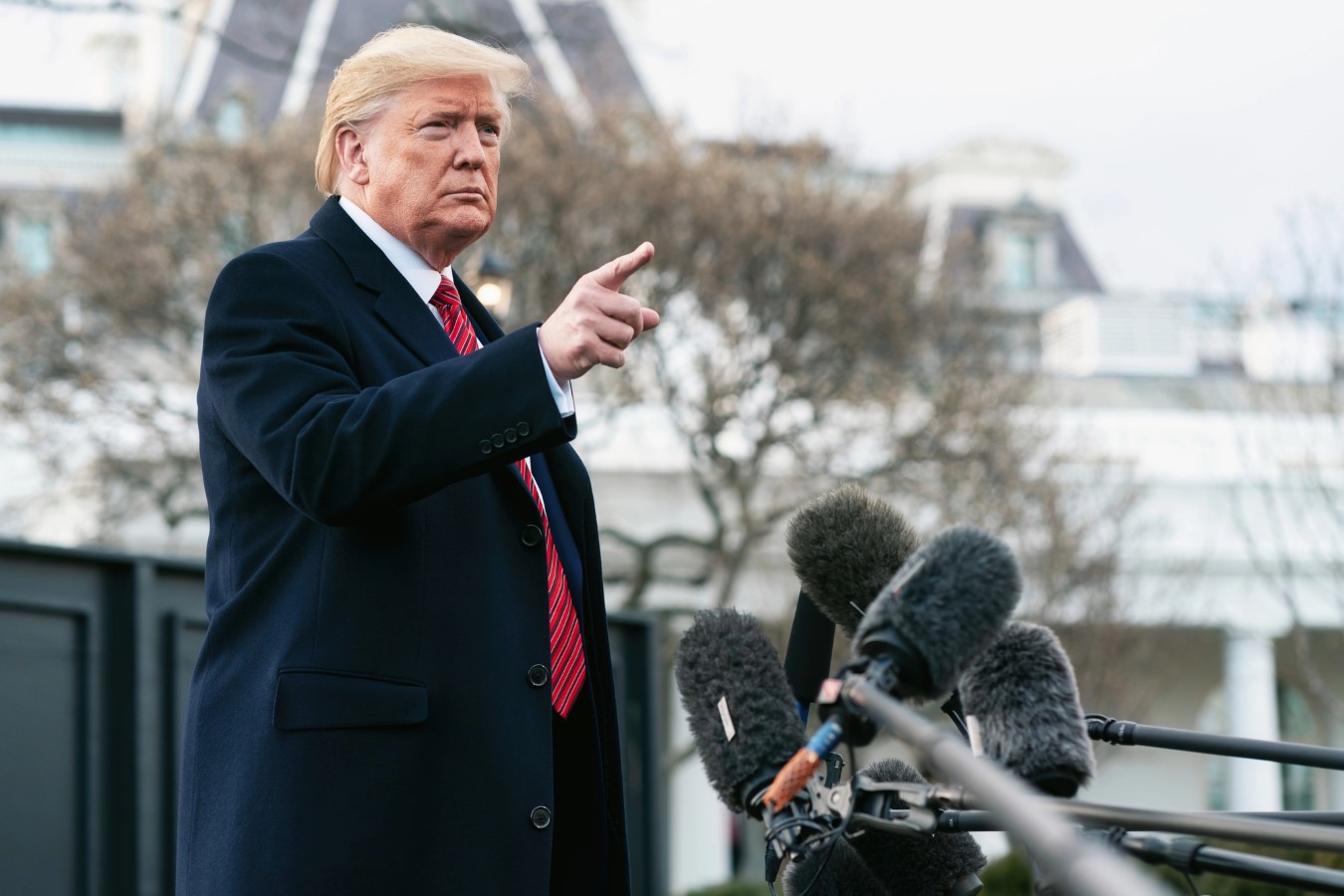
The White House is promoting a new network of 25 privately owned “Freedom Fuel” gas stations selling gasoline for $3.47 per gallon in the greater Philadelphia area, a price well below the national average and, according to industry experts, even below wholesale costs.
The initiative was unveiled by the White House on July 7 through a post on X, where officials said the discounted fuel is part of President Donald Trump’s effort to lower gasoline prices for drivers. While the administration says the stations receive no government funding or subsidies, questions remain about how the company can sustain prices that many experts say are below cost.
The White House announced on X that the first Freedom Fuel station had “LANDED in Philadelphia,” promoting the network as part of President Donald Trump’s push to lower fuel costs for American drivers.
The administration noted that the $3.47 per gallon price is a nod to Trump serving as the nation’s 47th president.
“President Trump is leading the charge to lower gas prices this summer — putting more money in your pocket,” the White House wrote.
The White House also shared a video featuring motorists thanking the president after filling up at the discounted price. Officials said that the participating stations are located throughout the greater Philadelphia area.
Trump urges other gas stations to follow
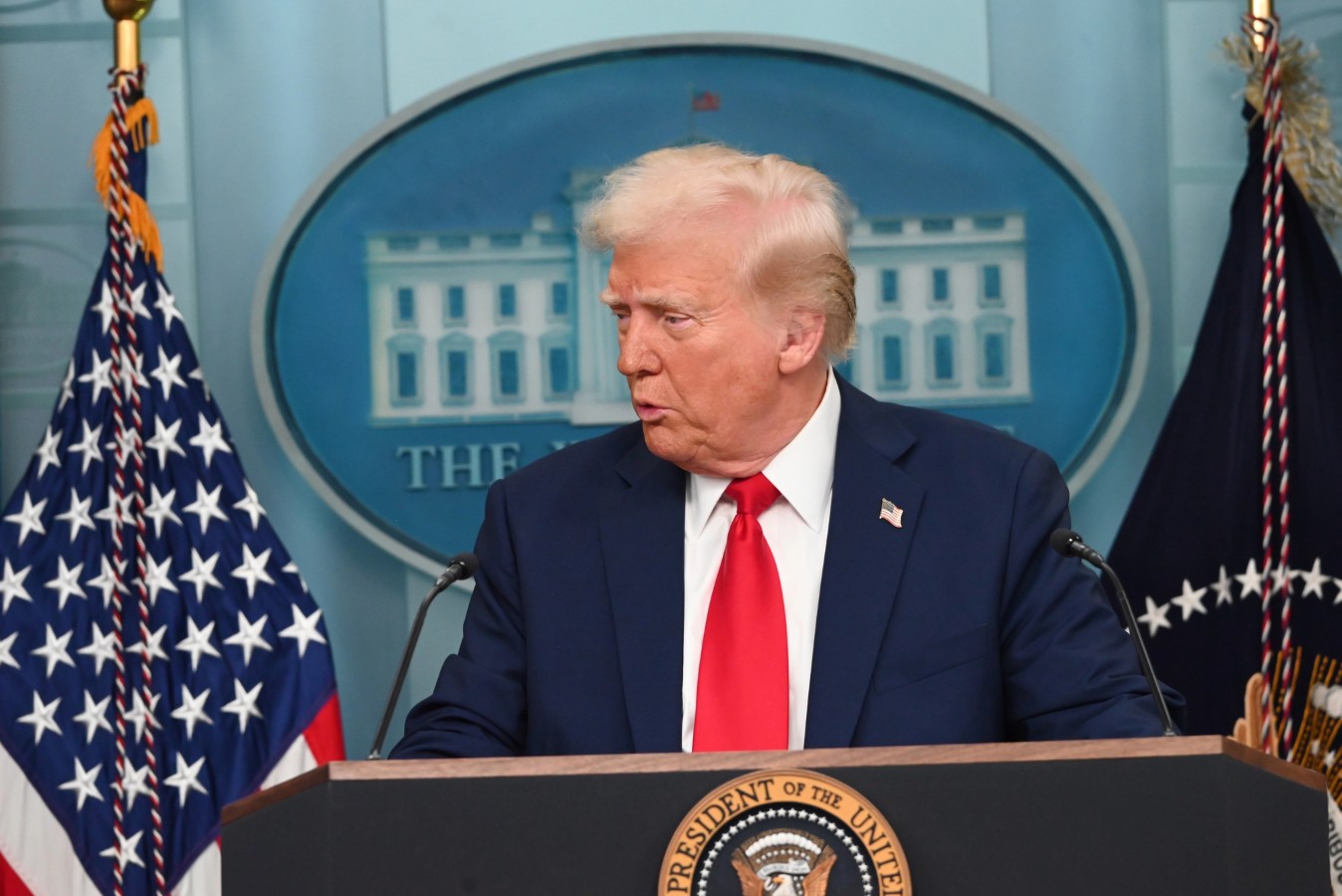
Trump has also personally promoted the new stations.
In a Truth Social post, he praised the retailer for offering gasoline at $3.479 per gallon and encouraged other stations to follow its example.
“This retailer is taking the lead, and others should follow.”
Trump argued that gasoline prices have been falling but should decline more quickly. “Gas prices at the pump are dropping …but not as fast as they should be.”
The Freedom Fuel network officially launched on July 3 and currently operates 25 locations across southeastern Pennsylvania and southern New Jersey.
Customers welcome the lower prices.
The White House’s promotional video featured customers thanking Trump for helping lower their fuel costs.
One customer from Philadelphia said: “Thanks, Trump, for saving me some money.”
Another customer added: “I thought gas was more expensive, but it’s not. Thanks, Trump, for saving me some money.”
Many drivers interviewed independently also said they were primarily interested in saving money rather than making a political statement.
Who owns the Freedom Fuel Network?
Questions quickly emerged about who owns the Freedom Fuel Network and how it is able to sell gasoline at such steep discounts.
A White House spokesperson said that the company is privately owned, operates 25 stations across Pennsylvania and New Jersey, and receives no government funding or subsidies.
“The administration is not involved in the company, nor has the administration given the company any funding. There is no other entity or person subsidizing the lower gasoline costs.”
According to the White House, the stations are simply accepting lower profit margins to make fuel more affordable.
“They are simply reducing their margin to make prices at the pump more affordable for drivers in Philadelphia and New Jersey.”
Public records reveal little about the company. Public records show the Freedom Fuel Network was registered as a Delaware limited liability company on June 23.
Its website domain was registered on June 13, according to the Internet Corporation for Assigned Names and Numbers (ICANN), while the company filed a trademark application for its logo on July 1.
Public records from the U.S. Patent and Trademark Office list attorney Anna Vishev of Staten Island, New York, as the attorney handling the trademark filing.
The Delaware incorporation filing does not identify the company’s owner.
Experts question whether the prices are sustainable
Although the White House says the company is simply accepting lower profits, fuel industry experts question whether the business model can be sustained.
Jeff Lenard, spokesperson for the National Association of Convenience Stores, which represents retailers selling about 80% of the fuel purchased nationwide, said most gas stations already operate on extremely thin margins.
“There’s no way those stations could operate the way a traditional retailer would, without at least breaking even on fuel.”
Most independently owned gas stations make much of their profit from convenience store sales, including beverages, snacks and other merchandise, rather than from gasoline itself.
Nearby competitors say they cannot match the discounts. Independent station owners say Freedom Fuel’s prices are difficult to compete with.
Muhammad Irfan, owner of Red Lion Fuel in Bristol, Pennsylvania, said his station has already experienced a drop in business since Freedom Fuel opened nearby.
Although he normally prices his gasoline below competing stations, he said selling fuel for $3.47 per gallon would mean losing money.
“We cannot even compete.”
He added: “We are hardly breaking when we pay off things like credit card charges. There’s no way I can go down to $3.47 unless I’m losing money.”
Irfan also questioned whether the company is receiving outside financial support, although the White House maintains there are no government subsidies. “It’s very unfair.”
Large retailers can sometimes offer lower fuel prices
Industry experts note that warehouse retailers such as Costco can sometimes offer gasoline below prevailing market prices because they purchase enormous volumes of fuel nationwide.
A Costco location near the Freedom Fuel station in Bristol was also selling gasoline for $3.479 per gallon.
According to Lenard, retailers buying fuel at that scale negotiate significantly lower wholesale prices than independently owned stations receiving only a handful of fuel deliveries each week.
“When you buy fuel in that type of volume, you have a different price (for wholesale gas) than somebody that’s getting one or two tanker truck deliveries a week.”
Why gasoline prices increased this year
Gasoline prices rose sharply earlier this year after the Middle East conflict disrupted global oil markets.
Brent crude oil climbed more than 55% at its peak, briefly approaching $120 per barrel as concerns grew over shipping through the Strait of Hormuz, one of the world’s most important energy routes.
According to the International Energy Agency, nearly 34% of the world’s crude oil moved through the Strait of Hormuz in 2025. After the United States and Iran reached a tentative agreement in June that eased concerns about shipping through the waterway, oil prices began retreating, helping gasoline prices gradually decline.
Even so, fuel prices remain above where they stood before the conflict.
According to AAA, the national average price for regular gasoline was about $3.80 this week, down from a peak of roughly $4.56 in mid-May. Before the conflict, the national average was approximately $2.98 per gallon.
Diesel prices also remain elevated. The national average stood at about $4.77 per gallon this week, compared with roughly $3.76 before the conflict.
What determines the price of gasoline?
According to the U.S. Energy Information Administration, four major factors determine the price consumers pay at the pump: crude oil prices, refining costs, distribution and marketing expenses, and federal and state taxes.
Crude oil is typically the largest component of the retail price, meaning disruptions in global oil markets can quickly push gasoline prices higher. As crude oil prices fall, gasoline prices generally follow, although the decline may take time to reach consumers.
Gas station owners ultimately decide what to charge customers and often adjust prices based on local competition. Some retailers may temporarily accept lower profit margins to attract drivers, while others rely on convenience store sales to offset lower fuel profits.
While the national average gasoline price remains around $3.80 per gallon, prices continue to vary widely by state. According to AAA, Hawaii, California and Washington have statewide averages above $5 per gallon, while Indiana, Oklahoma and Texas are among the states with the lowest average gasoline prices.
Where drivers can find Freedom Fuel stations
Freedom Fuel currently operates 25 locations across Pennsylvania and New Jersey.
Pennsylvania locations include Philadelphia, Bristol, Bensalem, Boothwyn, Brookhaven, Camp Hill, Dresher, Eagleville, Lansdowne, Millbourne, Pottstown, Southampton, Springfield and Warminster Township.
New Jersey locations include Egg Harbor Township, Little Egg Township, Marlton and West Berlin.
For now, Freedom Fuel’s discounted gasoline remains available only at its participating stations in Pennsylvania and New Jersey, making the program a regional offering rather than a nationwide initiative.
Like Financial Freedom Countdown content? Be sure to follow us!
14 essential strategies to maximize your Social Security and avoid costly mistakes
Social Security is a vital lifeline for many seniors, providing crucial income support during retirement. With inflation at its highest in four decades, Social Security’s inflation-adjusted benefits offer protection against rising costs.
Rising interest rates have disrupted many retirement portfolios, causing bond fund values to plummet. In this volatile financial landscape, Social Security can stabilize a typical stock-bond retirement portfolio. By implementing smart strategies, retirees can maximize their Social Security benefits and ensure a more secure financial future.
14 Essential Strategies to Maximize Your Social Security and Avoid Costly Mistakes
Did you find this article helpful? We’d love to hear your thoughts! Leave a comment with the box on the left-hand side of the screen and share your thoughts.
Also, do you want to stay up-to-date on our latest content?
1. Follow us by clicking the [+ Follow] button above,
2. Give the article a Thumbs Up on the top-left side of the screen.
3. And lastly, if you think this information would benefit your friends and family, don’t hesitate to share it with them!

John Dealbreuin came from a third world country to the US with only $1,000 not knowing anyone; guided by an immigrant dream. In 12 years, he achieved his retirement number.
He started Financial Freedom Countdown to help everyone think differently about their financial challenges and live their best lives. John resides in the San Francisco Bay Area enjoying nature trails and weight training.
Here are his recommended tools
Personal Capital: This is a free tool John uses to track his net worth on a regular basis and as a retirement planner. It also alerts him wrt hidden fees and has a budget tracker included.
Platforms like Yieldstreet provide investment options in art, legal, real estate, structured notes, venture capital, etc. They also have fixed-income portfolios spread across multiple asset classes with a single investment with low minimums of $10,000.