
Trump Rejects 401(k) Housing Plan, Says Retirement Accounts Are “Doing Too Well”

President Donald Trump on Thursday publicly distanced himself from a proposal floated by his chief economic adviser, Kevin Hassett, that would allow Americans to tap their 401(k) retirement accounts to buy homes. Speaking to reporters aboard Air Force One, Trump made clear the idea does not have his full support, despite growing pressure to address housing affordability.
“Not a Huge Fan”: Trump Voices Reservations

“I’m not a huge fan. Other people like it,” Trump said when asked about the proposal. He added that one of his main concerns is that retirement accounts are currently performing well, suggesting that pulling money out now could hurt long-term savings for millions of Americans.
Hassett’s Plan Aimed at First-Time Buyers

Hassett said last week on Fox Business Network that the administration planned to allow penalty-free withdrawals from 401(k) plans to fund home purchases. The idea was pitched as a way to help first-time buyers overcome the biggest hurdle in today’s housing market: coming up with a down payment.
Strong Stock Market Undercuts the Case

Trump pointed to robust stock market gains as a reason for his skepticism. The S&P 500 rose 16.39% last year, while the Nasdaq Composite climbed more than 20%, bolstering retirement balances and reinforcing Trump’s view that 401(k)s are currently outperforming housing investments.
Housing Market Still Struggling

By contrast, Trump said the housing market has lagged, weighed down by high mortgage rates and elevated home prices. Those conditions have sidelined many would-be buyers, slowed home sales, and kept affordability out of reach for large segments of the population.
Homeownership a Political Priority

With congressional elections looming and frustration over the cost of living growing, Trump has made boosting homeownership and lowering borrowing costs a central theme of his economic agenda. Housing affordability has emerged as a key political issue, especially for younger voters and middle-income families.
Executive Order Targets Wall Street Buyers

Earlier this week, Trump signed an executive order aimed at limiting large institutional investors from purchasing single-family homes. The move is intended to reduce competition for individual buyers and increase the supply of homes available to families rather than Wall Street firms.
Administration Pressures Mortgage Markets

Trump has also instructed the Federal Housing Finance Agency to purchase $200 billion in bonds issued by Fannie Mae and Freddie Mac, a move designed to bring down mortgage rates. He has repeatedly urged the Federal Reserve to cut benchmark interest rates as well.
Inflation Data Complicates the Outlook

Recent inflation reports show housing inflation remains stubbornly strong, complicating efforts to cool costs. Even as other inflation measures have eased, rent and shelter prices continue to put pressure on household budgets.
Supply Seen as the Real Bottleneck

Some economists warn that demand-side measures alone may not solve the problem. Without a meaningful increase in housing supply, lower mortgage rates could simply push prices higher. Analysts argue that zoning reform, faster permitting, and increased construction could ultimately have a bigger impact than allowing retirement withdrawals.
A Housing Fix Still in the Making

For now, Trump appears focused on reshaping the housing market through interest-rate pressure, limits on institutional investors, and federal intervention in mortgage markets rather than asking Americans to dip into 401(k) savings. Whether those efforts are enough to restore affordability without risking higher prices or weaker long-term financial security remains an open question; and one that could shape both the housing market and the political debate in the months ahead.
Like Financial Freedom Countdown content? Be sure to follow us!
2026 State Tax Shake-Up: See How Your Income, Property, and Sales Taxes Will Change
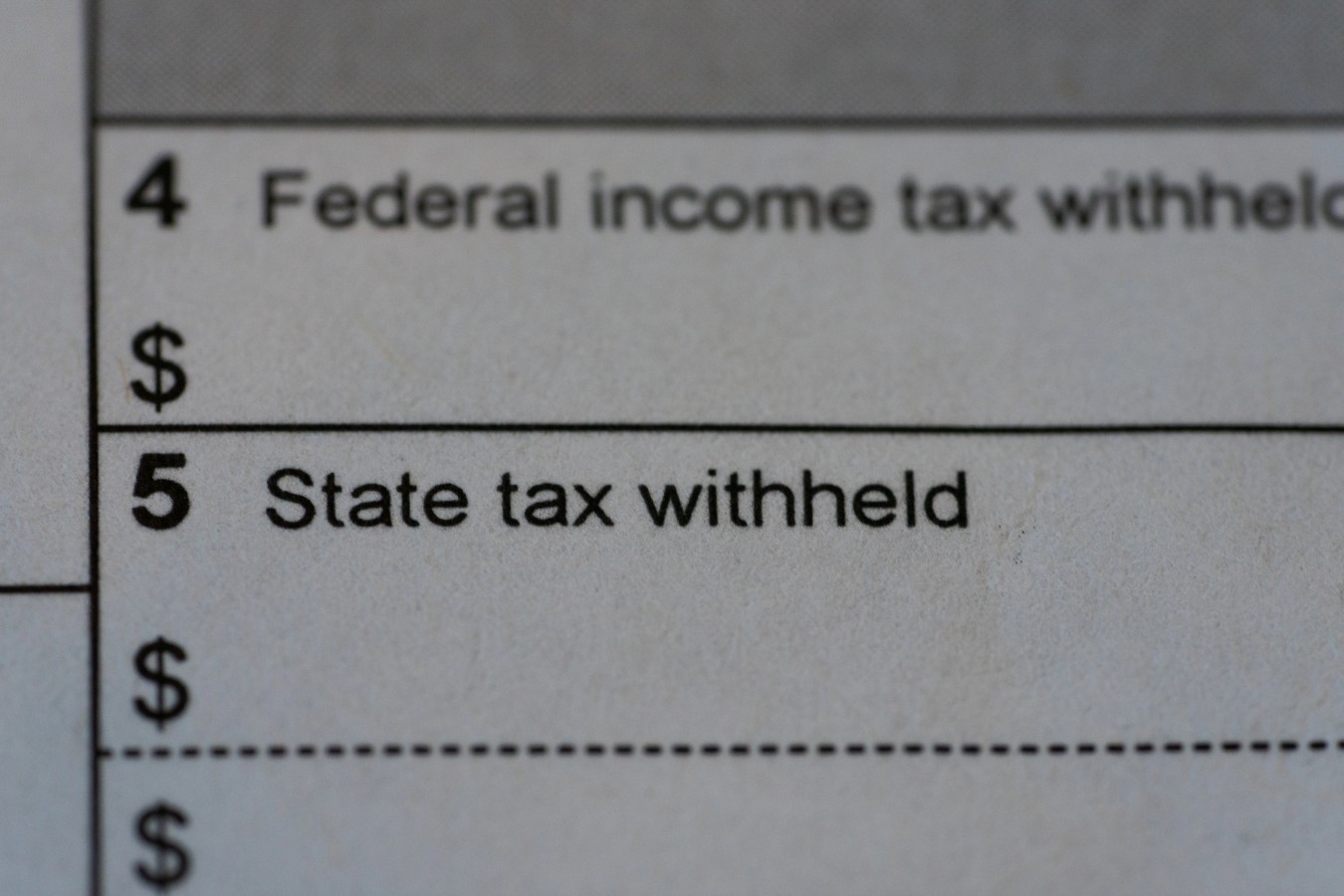
As the calendar flips to 2026, taxpayers across the country will feel the impact of sweeping state tax changes. From income tax cuts and flat-tax expansions to corporate reforms, sales tax overhauls, and property tax relief, 43 states are implementing notable tax changes, most taking effect January 1, 2026. Together, they reveal a clear trend: states are competing harder than ever to attract workers, families, retirees, and businesses. Below are some of the significant changes.
2026 State Tax Shake-Up: See How Your Income, Property, and Sales Taxes Will Change
Democrats Push $8 Credit Card Late Fee Cap After Court Blocks CFPB Rule
Senate Democrats are reviving a consumer protection fight that pits Washington against Wall Street, unveiling legislation to sharply cap credit card late fees as households continue to feel squeezed by high prices and borrowing costs.
Democrats Push $8 Credit Card Late Fee Cap After Court Blocks CFPB Rule

Did you find this article helpful? We’d love to hear your thoughts! Leave a comment with the box on the left-hand side of the screen and share your thoughts.
Also, do you want to stay up-to-date on our latest content?
1. Follow us by clicking the [+ Follow] button above,
2. Give the article a Thumbs Up on the top-left side of the screen.
3. And lastly, if you think this information would benefit your friends and family, don’t hesitate to share it with them!

John Dealbreuin came from a third world country to the US with only $1,000 not knowing anyone; guided by an immigrant dream. In 12 years, he achieved his retirement number.
He started Financial Freedom Countdown to help everyone think differently about their financial challenges and live their best lives. John resides in the San Francisco Bay Area enjoying nature trails and weight training.
Here are his recommended tools
Personal Capital: This is a free tool John uses to track his net worth on a regular basis and as a retirement planner. It also alerts him wrt hidden fees and has a budget tracker included.
Platforms like Yieldstreet provide investment options in art, legal, real estate, structured notes, venture capital, etc. They also have fixed-income portfolios spread across multiple asset classes with a single investment with low minimums of $10,000.