Bernie Sanders backs San Francisco CEO tax as city faces $1 billion budget gap

A proposal to raise taxes on San Francisco’s largest businesses has gained the backing of U.S. Sen. Bernie Sanders, adding national attention to a local ballot fight that reflects a broader push to tax wealthy individuals and major corporations more aggressively. The June ballot measure, known as Proposition D or the “Overpaid CEO Act,” would increase taxes on certain companies with large pay gaps between top executives and workers.
Sanders’ endorsement also comes as parallel tax-the-rich efforts continue at the state and federal levels, including a California billionaire tax initiative and past federal wealth tax proposals championed by progressive lawmakers.
Sanders announced his support for the San Francisco measure in a Thursday statement, tying the proposal to his long-running campaign against income inequality.
“Never before in American history have we seen the level of wealth and income inequality that we see today,” Sanders said in a Thursday statement announcing his support for the measure.
He argued that companies with outsized executive compensation should contribute more in taxes to support public needs.
“San Francisco’s Overpaid CEO Act will make these corporations pay their fair share,” said Sanders.
What the Overpaid CEO Act would do

If approved by voters, Proposition D would raise city taxes on companies with more than 1,000 employees whose CEOs earn salaries more than 100 times higher than their companies’ median worker pay.
Supporters say the structure is designed to target firms with the largest compensation disparities rather than smaller employers or businesses with narrower pay gaps.
The proposal would apply to some of San Francisco’s biggest employers, many of which operate in the technology, finance, and professional services sectors.
Organizers behind the initiative say the measure could generate more than $200 million annually.
They say those funds could help support health care services and stabilize city finances at a time when San Francisco faces rising fiscal pressure.
Backers also frame the proposal as a fairness issue, arguing that corporations benefiting from the local economy should help fund essential public programs.
Budget shortfalls add urgency to the debate

San Francisco currently faces a budget deficit that could reach $1 billion in coming years, according to city leaders.
Officials have said the situation has become more severe because of federal funding cuts affecting Medicaid and food stamps, increasing pressure on local governments to fill gaps.
That backdrop has made new revenue proposals a central issue in city politics.
The initiative is backed by labor unions and progressive organizations that say new revenue is needed to protect services families rely on.
“Senator Sanders understands what’s at stake,” said Scott Mann, spokesperson for Proposition D. “Washington handed billion-dollar corporations a massive tax break while gutting the services San Francisco families depend on.”
Supporters have also highlighted the measure as a local response to national economic policy.
Pelosi and local leaders have endorsed Prop D

The measure has earned support from several San Francisco political figures, including Speaker Emerita Nancy Pelosi and a majority of the Board of Supervisors.
Those endorsements suggest the proposal has significant support among Democratic leaders in a city where progressive fiscal policies often gain traction.
Still, the business community remains strongly opposed.
Business groups warn of economic fallout
A coalition of business interests, including the San Francisco Chamber of Commerce, has organized against Proposition D.
Opponents argue the measure could undermine San Francisco’s economic recovery and encourage companies to reduce their presence or relocate jobs elsewhere.
David Harrison, a spokesperson for the Chamber, warned in a statement Thursday that the overpaid CEO act could “kneecap our city’s largest employers.”
Business groups also argue the tax would not solve the city’s longer-term financial challenges.
“Proposition D does not … solve the long-term structural imbalance of San Francisco’s budget,” he said.
Critics contend city officials should focus more on spending reform, efficiency, and policies that attract employers back to downtown San Francisco.
Competing Proposition C is also on the ballot

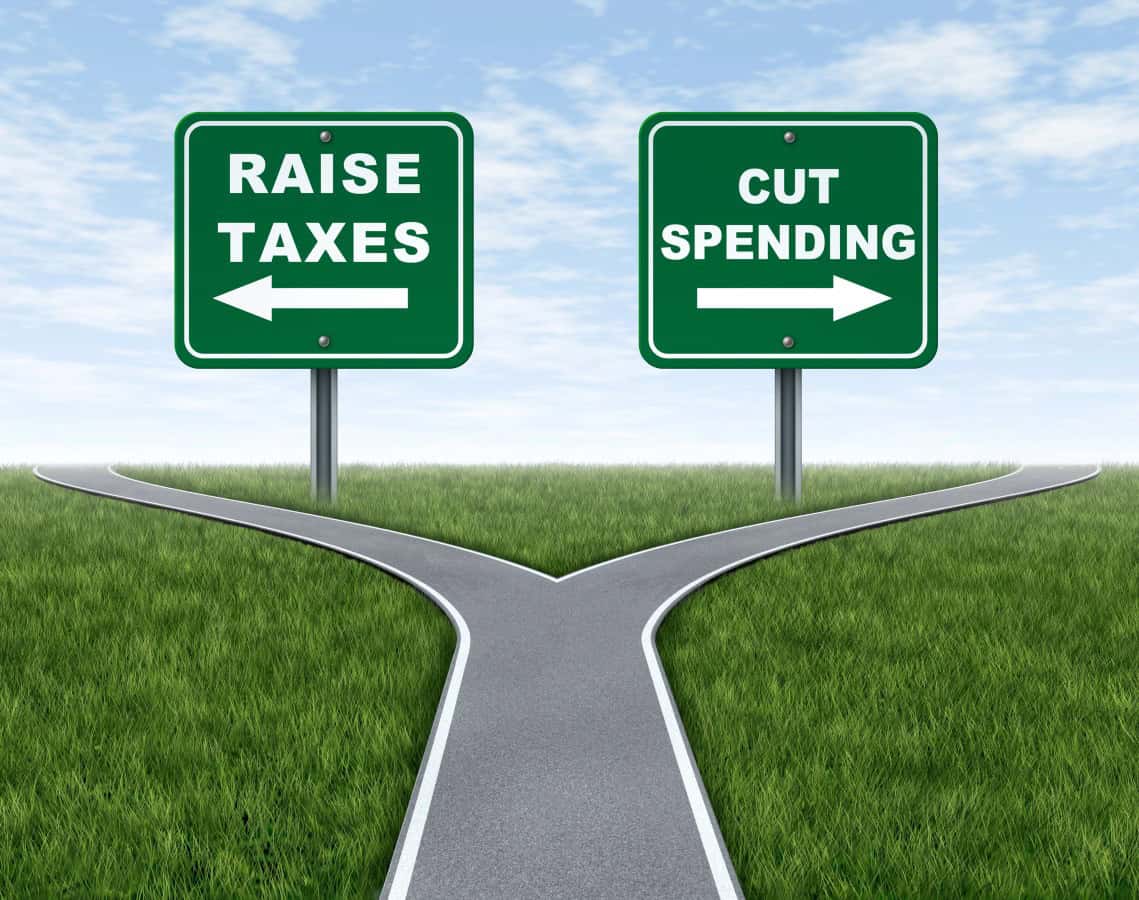
The battle over executive-pay taxes has become more complicated because voters will also decide Proposition C, a rival measure backed by business interests.
That proposal would make more limited changes to the same tax structure that Proposition D supporters want to expand.
The competing measures give voters two sharply different approaches to raising revenue from large companies.
Only one measure can take effect.
If voters approve both propositions on June 2, only the one receiving the higher vote total would become law.
That creates a direct contest between the progressive-backed tax increase and the more modest alternative favored by business groups.
As a result, turnout and ballot strategy may be just as important as public opinion on taxation itself.
Mayor Daniel Lurie opposes both measures

Mayor Daniel Lurie has opposed both Proposition D and Proposition C, placing him between progressive advocates and business-backed groups.
His position reflects the political difficulty of balancing budget needs with concerns about competitiveness and business confidence.
The mayor’s opposition could become an important factor as voters weigh the measures.
Part of a wider billionaire and wealth tax movement

The San Francisco proposal arrives amid broader efforts to increase taxes on the ultra-wealthy.
In California, advocates have pushed a statewide billionaire tax initiative aimed at taxing extreme concentrations of wealth.
At the federal level, Sanders and other progressive lawmakers have also advanced wealth-tax concepts, including proposals for annual taxes on fortunes above certain thresholds, as well as calls for higher taxes on top incomes and estates.
While those efforts face political and legal hurdles, Proposition D shows how local governments are increasingly becoming testing grounds for tax-the-rich policies when federal action stalls.
Sanders in a post on X, “According to a recent poll, 77% of voters support raising taxes on billionaires. Maybe, just maybe, at a time of unprecedented income and wealth inequality, it’s time for Congress to listen to the American people and pass a wealth tax on billionaires.”
Like Financial Freedom Countdown content? Be sure to follow us!
14 essential strategies to maximize your Social Security and avoid costly mistakes

Social Security is a vital lifeline for many seniors, providing crucial income support during retirement. With inflation at its highest in four decades, Social Security’s inflation-adjusted benefits offer protection against rising costs.
Rising interest rates have disrupted many retirement portfolios, causing bond fund values to plummet. In this volatile financial landscape, Social Security can stabilize a typical stock-bond retirement portfolio. By implementing smart strategies, retirees can maximize their Social Security benefits and ensure a more secure financial future.
14 Essential Strategies to Maximize Your Social Security and Avoid Costly Mistakes
11 reasons you should claim Social Security early

Deciding when to claim Social Security is often about maximizing your benefit. Financial planners usually advise delaying your claim for as long as possible to secure the highest monthly payment. Your benefit is based on your lifetime earnings, with a full payout available at your full retirement age (FRA), which is currently between 66 and 67 depending on your birth year. Claiming before FRA results in a permanent reduction in your monthly benefit, while waiting beyond FRA leads to a permanent increase. However, the decision isn’t solely about maximizing the monthly check. Personal factors such as health, family circumstances, and financial needs can play a significant role in determining the right time to claim.
11 Reasons You Should Claim Social Security Early

Did you find this article helpful? We’d love to hear your thoughts! Leave a comment with the box on the left-hand side of the screen and share your thoughts.
Also, do you want to stay up-to-date on our latest content?
1. Follow us by clicking the [+ Follow] button above,
2. Give the article a Thumbs Up on the top-left side of the screen.
3. And lastly, if you think this information would benefit your friends and family, don’t hesitate to share it with them!

John Dealbreuin came from a third world country to the US with only $1,000 not knowing anyone; guided by an immigrant dream. In 12 years, he achieved his retirement number.
He started Financial Freedom Countdown to help everyone think differently about their financial challenges and live their best lives. John resides in the San Francisco Bay Area enjoying nature trails and weight training.
Here are his recommended tools
Personal Capital: This is a free tool John uses to track his net worth on a regular basis and as a retirement planner. It also alerts him wrt hidden fees and has a budget tracker included.
Platforms like Yieldstreet provide investment options in art, legal, real estate, structured notes, venture capital, etc. They also have fixed-income portfolios spread across multiple asset classes with a single investment with low minimums of $10,000.