Trump says he’ll “remember” companies skipping tariff refunds as he blasts Supreme Court justices
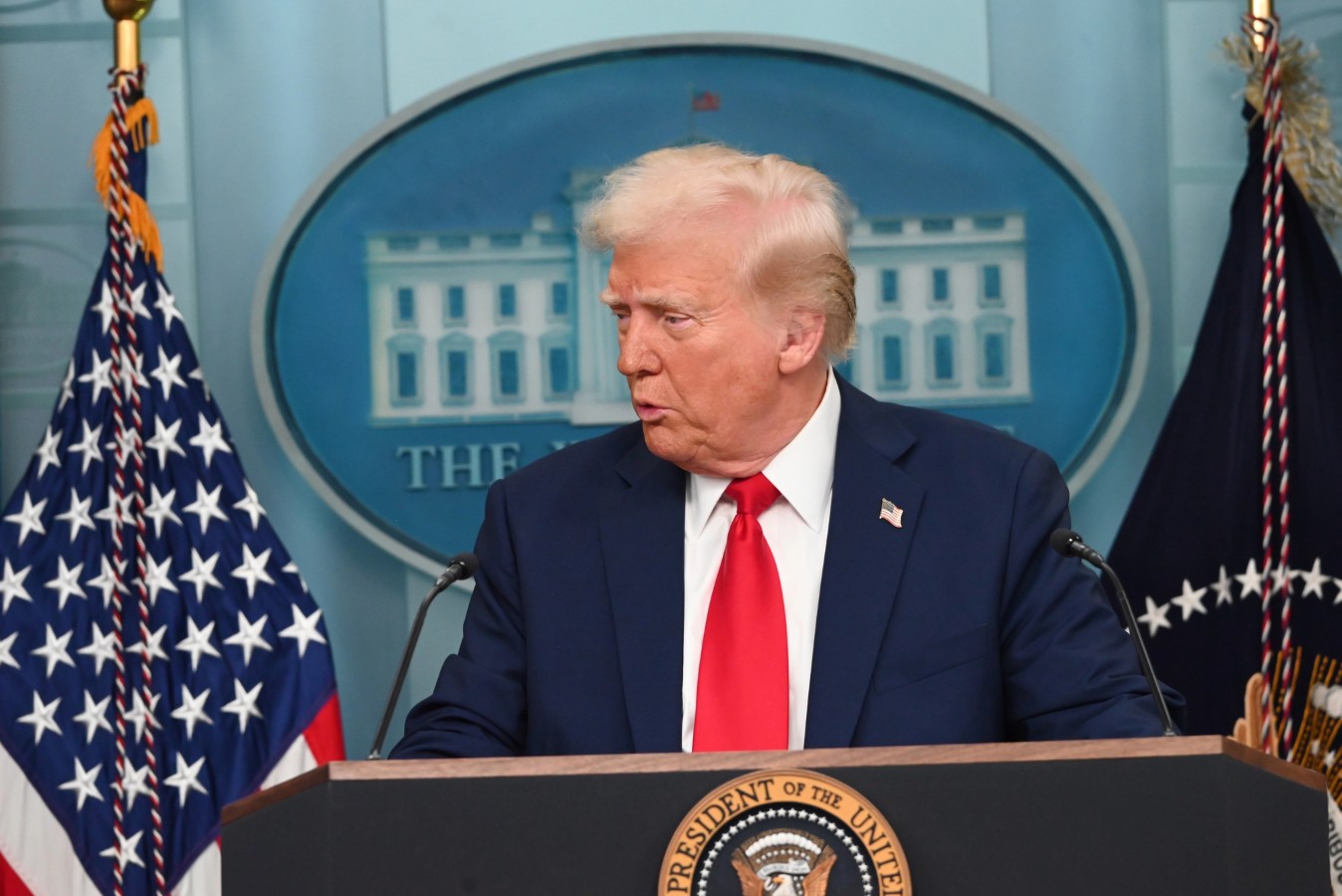
Businesses began claiming billions of dollars in refunds for tariffs the U.S. Supreme Court ruled were imposed unlawfully by President Donald Trump, but the legal fallout is escalating into a broader political fight. Over the weekend, Trump sharply criticized the Supreme Court’s ruling and the conservative justices he appointed, while also warning that he would “remember” companies that choose not to seek refunds from the estimated $127 billion reimbursement program.
Supreme Court ruling struck down Trump tariffs
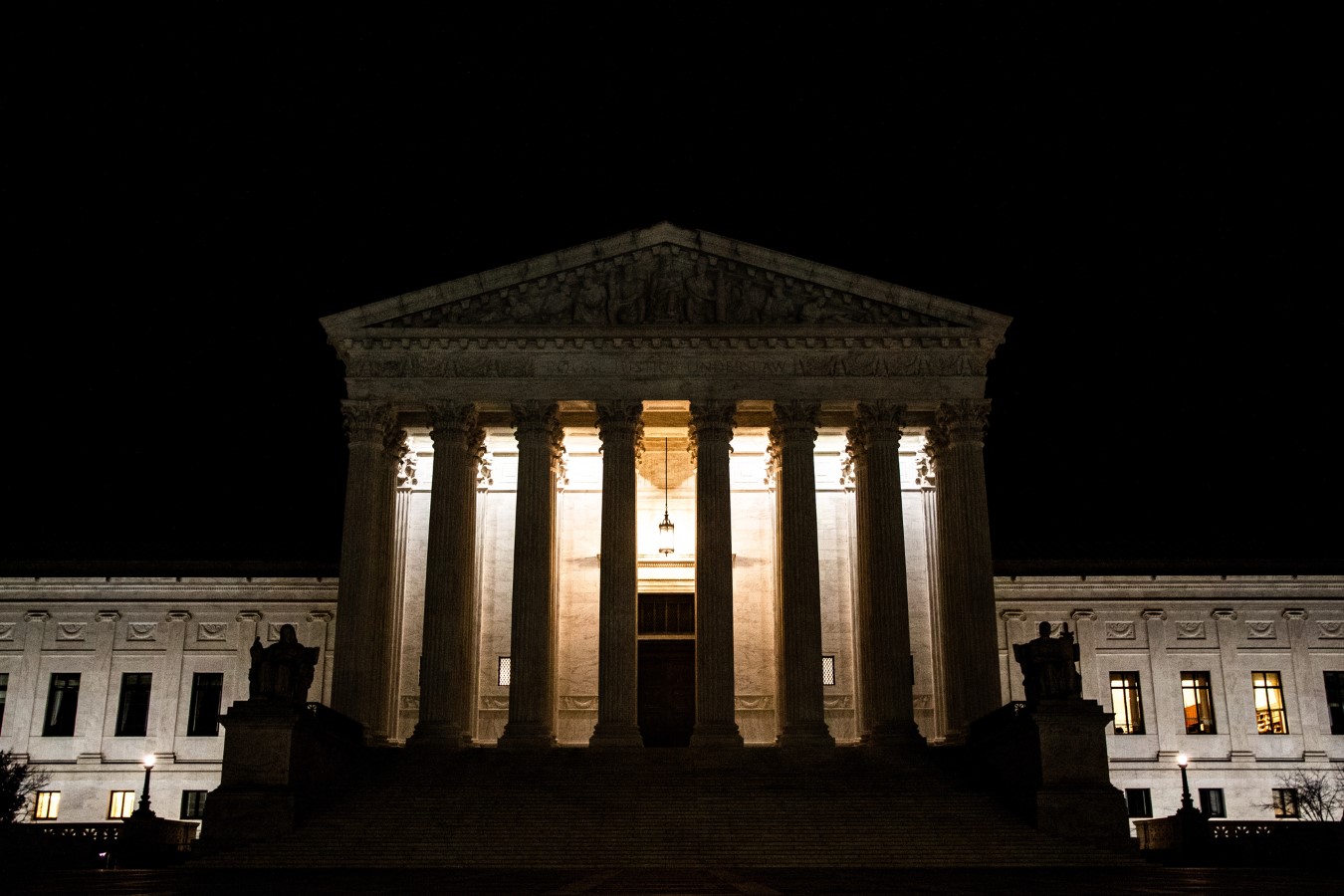
The Supreme Court ruled 6-3 on February 20 that Trump exceeded his authority when he imposed tariffs under the International Emergency Economic Powers Act (IEEPA). The court found the tariffs improperly bypassed Congress’ constitutional role in setting taxes after Trump declared the U.S. trade deficit a national emergency.
A judge at the U.S. Court of International Trade later determined that companies subjected to the tariffs were entitled to refunds.
Over the weekend, Trump lashed out at the ruling in a series of posts on Truth Social, arguing the decision would cost the government billions.
“Any money paid to the United States of America does not have to be paid back” — That sentence, if added by the Supreme Court to its highly disputed Tariff decision, would have saved America 159 Billion Dollars!“ Trump wrote.
Trump also criticized conservative justices Neil Gorsuch and Amy Coney Barrett, both of whom he appointed.
“I ‘Love’ Justice Neil Gorsuch! He’s a really smart and good man, but he voted against me, and our Country, on Tariffs, a devastating move. How do I reconcile this? So bad, and hurtful to our Country,” Trump posted.
“I have, likewise, always liked and respected Amy Coney Barrett, but the same thing with her. They were appointed by me, and yet have hurt our Country so badly.”
Trump added, “Well, maybe Neil, and Amy, just had a really bad day, but our Country can only handle so many decisions of that magnitude before it breaks down, and cracks!!!”
He also linked the tariff decision to the broader national debate over birthright citizenship, writing, “Sometimes decisions have to be allowed to use Good, Strong, Common Sense as a guide. A negative ruling on Birthright Citizenship, on top of the recent Supreme Court Tariff catastrophe, is not Economically sustainable for the United States of America!”
Trump says he will “remember” companies that skip refunds
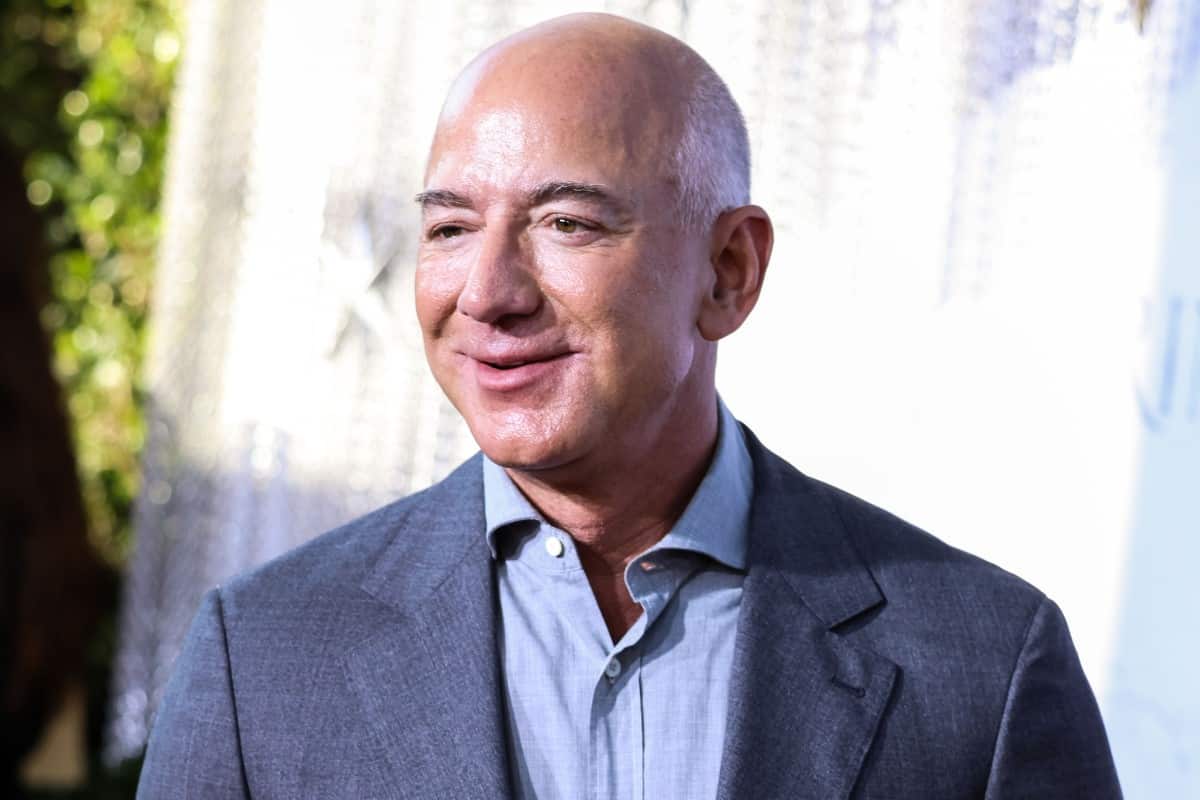
Trump also suggested during a CNBC interview that major corporations may be avoiding refund claims out of concern about offending him politically.
“Brilliant if they don’t do that [claim a tariff refund],” Trump said. “Actually, if they don’t do that, they’ve got to know me very well. I’m very honored by what you just said. If they don’t do that, I’ll remember them.”
The comments came after Trump was asked about large companies such as Amazon and Apple that had not publicly announced plans to pursue refunds.
Some companies are already seeking refunds

Several companies have confirmed they intend to recover tariff payments despite the political attention surrounding the process.
Levi Strauss & Co. said it expects to recover approximately $80 million after paying tariffs on imported denim and other goods.
Gap Inc., which owns Banana Republic, Old Navy and Athleta, also plans to file claims.
“We’ve been clear that the tariff impact has been significant to our performance,” Gap CFO Katrina O’Connell said. “As an importer of record, we’re definitely working on gaining clarity on whether we can recognize a refund.”
Court filings show more than 330,000 importers paid roughly $166 billion in tariffs across 53 million shipments.
However, only 56,497 importers had completed registration in CBP’s electronic payment system as of April 14, making them eligible for refunds in the first wave totaling about $127 billion, including interest.
Future phases are expected to cover additional claims and more complicated refund scenarios.
Importers must submit CAPE declarations through the ACE Secure Data Portal using CSV uploads listing all qualifying shipment entries.
CBP will validate claims, remove tariff charges and recalculate duties before issuing refunds electronically through ACH payments.
The agency estimates approved claims could take 60 to 90 days to process.
Smaller companies that absorbed tariff costs rather than fully passing them on to customers say the timing of refunds matters.
Brad Jackson, co-founder of After Action Cigars in Minnesota, said his company paid roughly $34,000 in tariffs last year.
“My main concern is the turnaround time,” Jackson said. “A refund process that takes several months to complete doesn’t solve the cash flow problem that it is supposed to fix.”
Consumers may not receive much direct relief
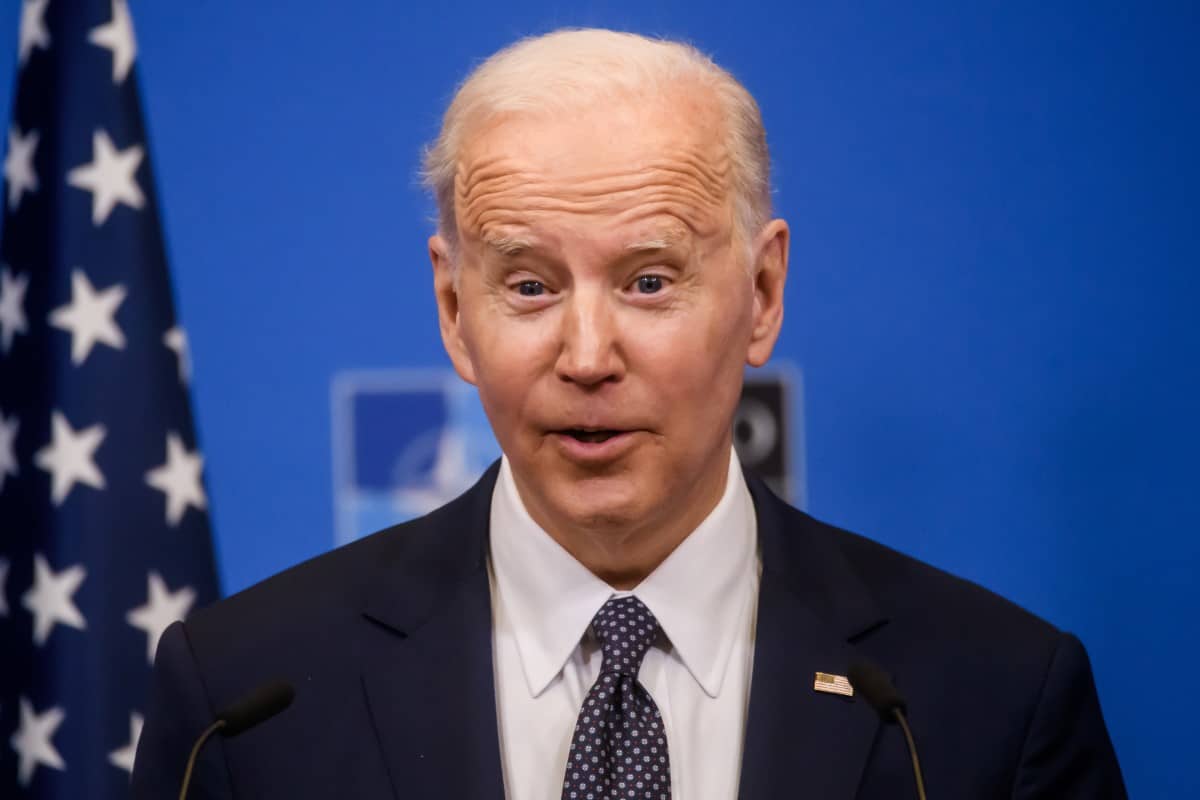
Even though businesses may recover billions of dollars, consumers who paid higher prices during the tariff period are unlikely to receive direct government refunds.
Former Biden-era Council of Economic Advisers Chair Jared Bernstein said households absorbed roughly 90% of the tariff burden through higher prices.
“Maybe some will lower some prices relative to what they’d otherwise be,” Bernstein wrote on Substack in April. “But no one should hold their breath.”
A February report from the Tax Foundation estimated the tariffs amounted to about a $1,000 tax increase per household in 2025.
Delivery companies say they will pass refunds to customers

Some logistics companies that collected tariff payments directly from consumers say they intend to return refunded money.
FedEx said it plans to reimburse customers if it receives tariff refunds from CBP. UPS and DHL have also indicated they would pass refunds back to customers when possible.
What happens next

The refund portal launch marks only the first phase of a refund process that could stretch for months as CBP works through billions of dollars in claims and millions of shipments.
The agency says additional phases will expand eligibility and handle approximately $2.9 billion in deposits that require manual processing.
Meanwhile, lawsuits involving Costco, EssilorLuxotticam, Lululemon, Nike and other companies continue moving through the courts as consumers seek additional compensation.
These lawsuits could form the basis for consumers to seek refund from other companies.
Like Financial Freedom Countdown content? Be sure to follow us!
7 states cutting income taxes in 2026: how much you could save under new flat tax rules
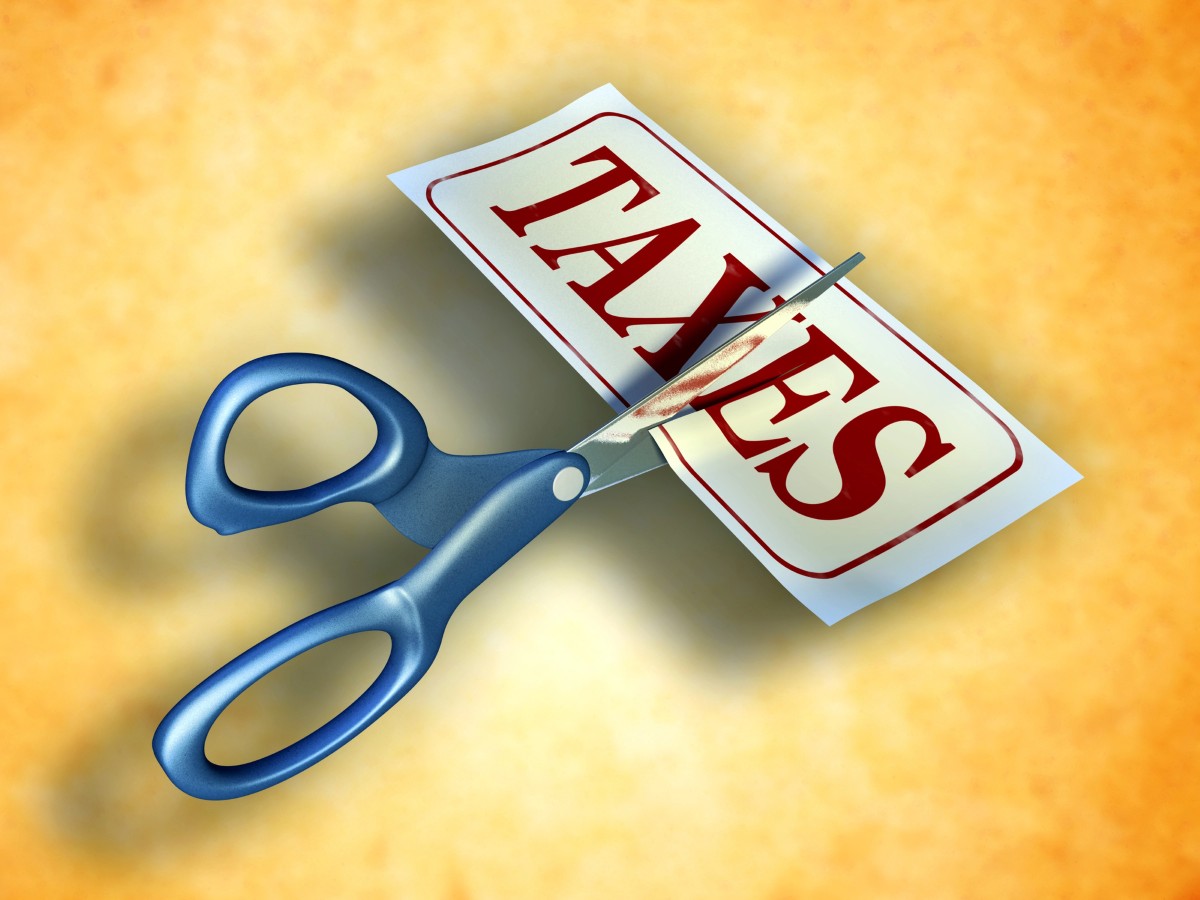
A sweeping wave of tax reform is hitting the United States as several states move to simplify their tax codes and lower the financial burden on residents. For the 2026 tax year, seven specific states are implementing notable reductions, many of which involve a shift toward a flat tax system where one rate applies to everyone regardless of income. Supporters of these changes argue that “flat taxes are easier to understand and plan for and could make some states more competitive.” As families look for ways to combat inflation and rising living costs, these cuts could provide much-needed breathing room in household budgets.
7 states cutting income taxes in 2026: how much you could save under new flat tax rules
Treasury hikes I Bond Rate to 4.26%, fixed portion stays same. What it means for savers

The U.S. Treasury has announced a new 4.26% rate for Series I savings bonds, slightly higher than the previous 4.03%. But beneath the bump lies a subtle setback: the fixed-rate portion has stayed constant at 0.9%. That quiet change could reduce long-term returns for investors hoping to lock in inflation-protected income, even as I bonds remain one of the safest options for conservative savers.
Treasury hikes I Bond Rate to 4.26%, fixed portion stays same. What it means for savers

Did you find this article helpful? We’d love to hear your thoughts! Leave a comment with the box on the left-hand side of the screen and share your thoughts.
Also, do you want to stay up-to-date on our latest content?
1. Follow us by clicking the [+ Follow] button above,
2. Give the article a Thumbs Up on the top-left side of the screen.
3. And lastly, if you think this information would benefit your friends and family, don’t hesitate to share it with them!

John Dealbreuin came from a third world country to the US with only $1,000 not knowing anyone; guided by an immigrant dream. In 12 years, he achieved his retirement number.
He started Financial Freedom Countdown to help everyone think differently about their financial challenges and live their best lives. John resides in the San Francisco Bay Area enjoying nature trails and weight training.
Here are his recommended tools
Personal Capital: This is a free tool John uses to track his net worth on a regular basis and as a retirement planner. It also alerts him wrt hidden fees and has a budget tracker included.
Platforms like Yieldstreet provide investment options in art, legal, real estate, structured notes, venture capital, etc. They also have fixed-income portfolios spread across multiple asset classes with a single investment with low minimums of $10,000.