Trump to begin sending $500 ACA refund checks to 1 million Americans in 30 states

Nearly 1 million Americans across 30 states are slated to receive $500 refund checks from the federal government in an official distribution announced by the White House. Financed by approximately $500 million in accumulated exchange user fees collected under the Affordable Care Act (ACA), the payouts aim to offset rising health coverage costs for specific policyholders who did not receive federal premium assistance.
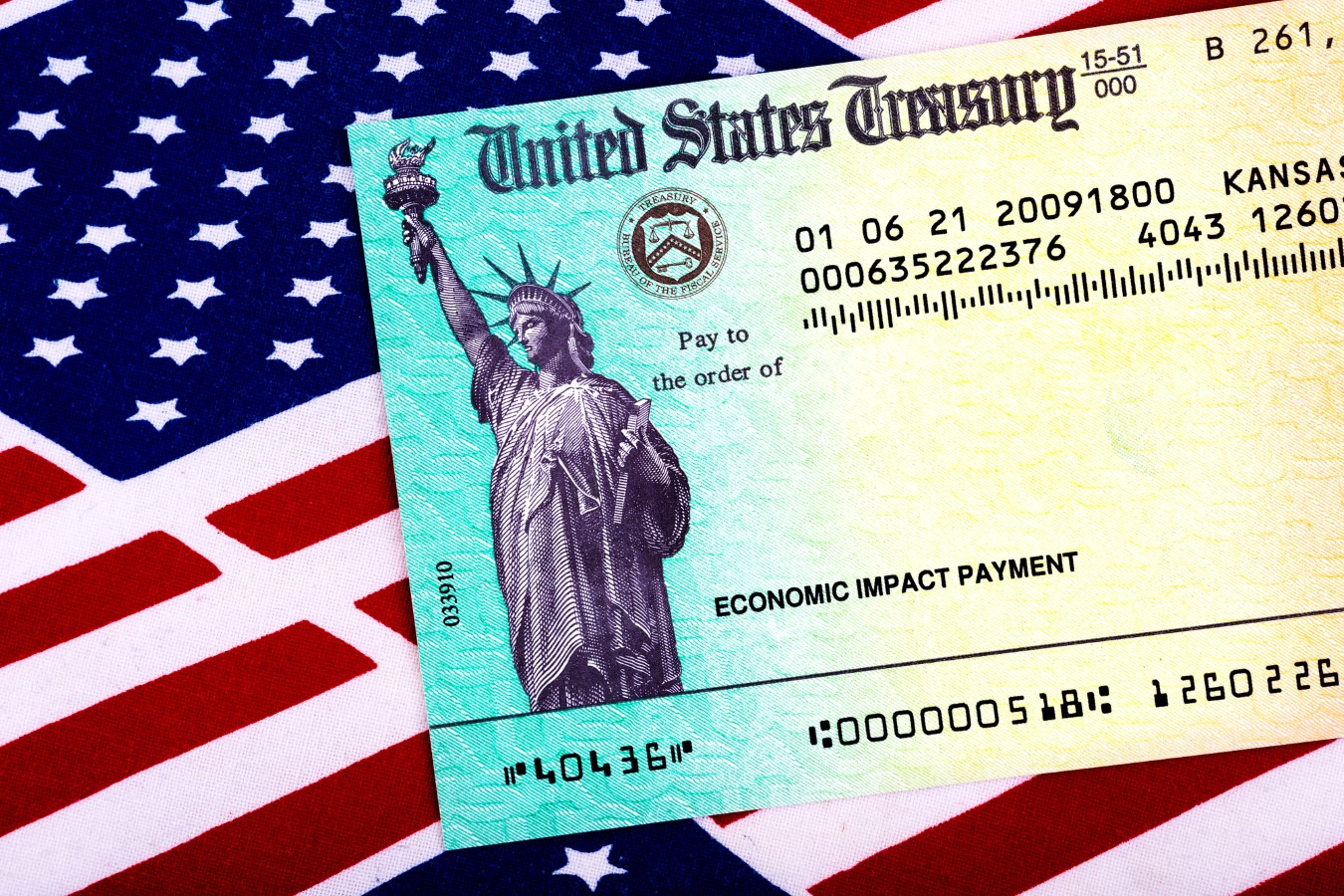
The Treasury Department has begun dispatching the $500 checks directly to qualified individuals via physical mail and direct deposit. The disbursements target individual enrollees in 30 states that rely on the federal health insurance exchange, HealthCare.gov, operated by the Centers for Medicare and Medicaid Services (CMS).
Millions of policyholders receive official White House letter
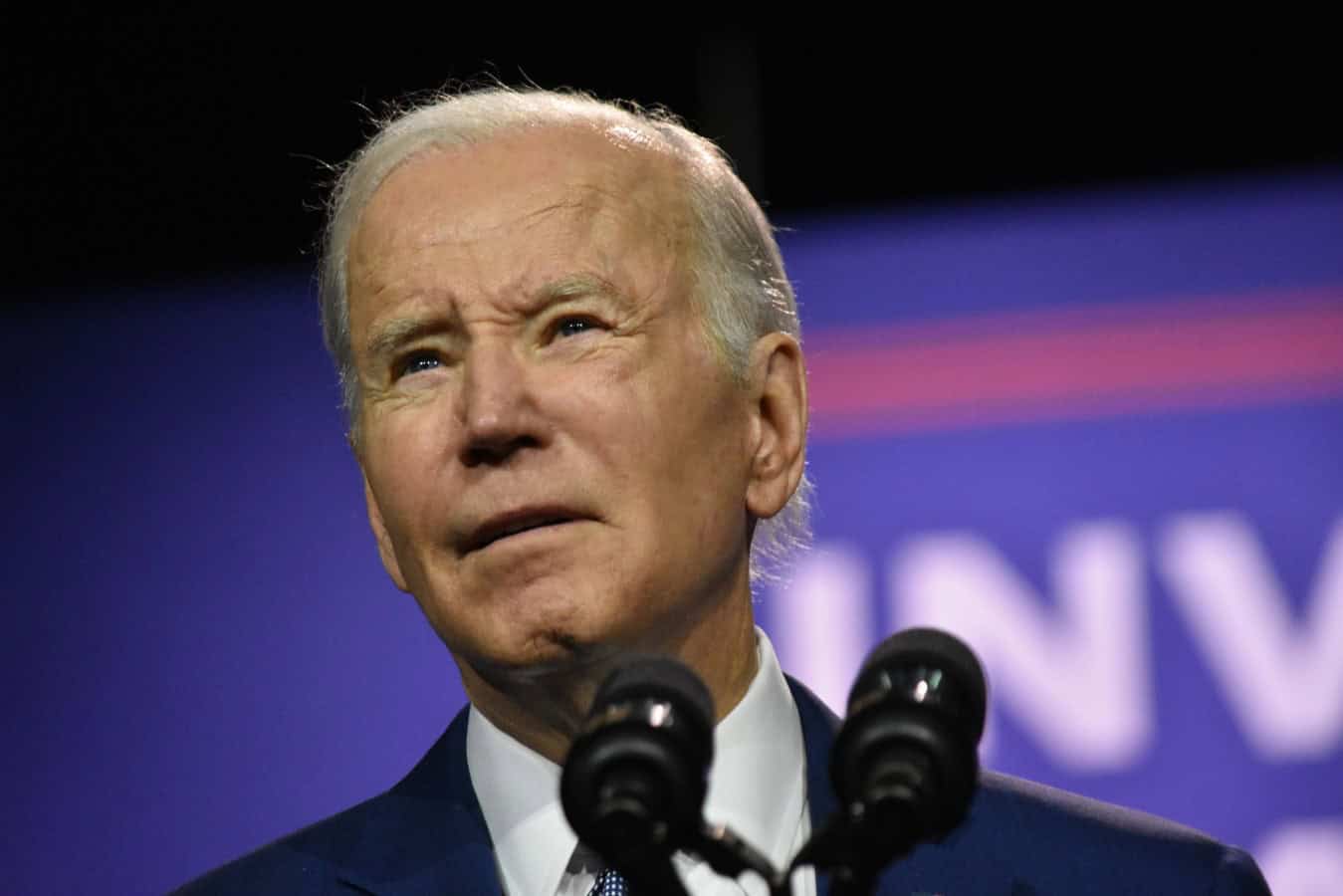
Along with the financial distribution, recipients will receive an official letter signed by President Donald Trump explaining the rationale behind the rebates. In the letter, Trump criticizes the previous administration’s management of federal exchange user fees.
“For years, the Biden Administration overcharged you to fund the operation of HealthCare.gov,” Mr. Trump says in the letter “That money belongs to hard-working Americans, not the Government, and now, I am returning it to you!”
According to White House officials, the primary recipients of the checks are individuals who earn above 400% of the federal poverty line; roughly $64,000 for an individual or $132,000 for a family of four. These policyholders bought coverage through the federal marketplace without receiving baseline federal premium subsidies.
Some individuals earning between 100% and 400% of the federal poverty line who did not receive subsidies are also eligible for the payments. The administration noted that households containing more than one affected person may receive multiple checks or deposits.
Distribution restricted to 30 federal exchange states

As detailed in the official White House Fact Sheet, the refund program applies strictly to residents in the 30 states that rely on the federal platform instead of operating independent state exchanges:
Alabama
Alaska
Arizona
Arkansas
Delaware
Florida
Hawaii
Indiana
Iowa
Kansas
Louisiana
Michigan
Mississippi
Missouri
Montana
Nebraska
New Hampshire
North Carolina
North Dakota
Ohio
Oklahoma
Oregon
South Carolina
South Dakota
Tennessee
Texas
Utah
West Virginia
Wisconsin
Wyoming
Because CMS directly manages the infrastructure of HealthCare.gov for these 30 jurisdictions, federal user fees were collected directly from insurers selling plans on the platform, building up the reserve funds that finance this payout.
State-based exchanges left out of federal refund plan

The remaining 20 states; plus Washington, D.C.; operate independent, state-based marketplaces (SBMs) such as Covered California, NY State of Health, and Pennie in Pennsylvania. Because these states assess their own regulatory fees to fund local platforms rather than contributing to the central CMS HealthCare.gov fee pool, residents in these 20 jurisdictions are entirely ineligible for the $500 federal payments.
While the $500 checks offer immediate liquidity to specific plan holders, health policy analysts caution that one-time rebates do not address structural drivers of health insurance inflation. Critics also point out the geographic inequality created by the policy, as millions of unsubsidized policyholders facing identical premium hikes in state-run exchange states like California or New York receive no financial offset.
Administration points to exchange fee mismanagement

The White House stated that the $500 checks stem from excess user fees charged to health insurance issuers operating on HealthCare.gov. Administration officials allege that these federal fees were passed along to consumers in the form of higher monthly premiums, characterizing the previous policy as “gross mismanagement of Obamacare.”
However, healthcare policy experts and critics have challenged those assertions, noting that user fee reserves were accumulated across multiple presidential administrations, including Trump’s first term in office.
The rebate initiative comes following significant fluctuations in national health insurance premiums. Premium costs rose sharply for millions of ACA policyholders after federal lockdown-era tax subsidies expired. Without those subsidies offsetting monthly costs, many unsubsidized middle-income buyers faced substantial rate hikes, prompting some enrollees to downgrade or cancel their coverage.
Distinction drawn between administrative action and proposals
Unlike broader political proposals; such as a separate $5,000 dividend concept floated earlier in the campaign season; this $500 refund represents an immediate administrative action executed through existing executive agency accounts. The Treasury Department is drawing directly from a $500 million fund of accumulated CMS user fee reserves to cover the costs of the mailing, requiring no new congressional appropriations.
Timing aligns with key midterm election period
With roughly 19 million Americans obtaining health coverage through Affordable Care Act exchanges nationwide, the $500 rebate checks offer targeted financial relief to approximately 5% of all marketplace participants. For those eligible middle-income policyholders in federal exchange states who bore the brunt of recent premium increases, the direct payouts provide a modest offset against their yearly healthcare expenses.
The distribution of the checks comes just weeks before the upcoming midterm elections, where healthcare affordability, inflation, and general living expenses remain primary focal points for voters. Political analysts note that direct financial relief measures serve as a central messaging point on the economy heading into November.
Like Financial Freedom Countdown content? Be sure to follow us!
14 essential strategies to maximize your Social Security and avoid costly mistakes
Social Security is a vital lifeline for many seniors, providing crucial income support during retirement. With inflation at its highest in four decades, Social Security’s inflation-adjusted benefits offer protection against rising costs.
Rising interest rates have disrupted many retirement portfolios, causing bond fund values to plummet. In this volatile financial landscape, Social Security can stabilize a typical stock-bond retirement portfolio. By implementing smart strategies, retirees can maximize their Social Security benefits and ensure a more secure financial future.
14 Essential Strategies to Maximize Your Social Security and Avoid Costly Mistakes

Did you find this article helpful? We’d love to hear your thoughts! Leave a comment with the box on the left-hand side of the screen and share your thoughts.
Also, do you want to stay up-to-date on our latest content?
1. Follow us by clicking the [+ Follow] button above,
2. Give the article a Thumbs Up on the top-left side of the screen.
3. And lastly, if you think this information would benefit your friends and family, don’t hesitate to share it with them!

John Dealbreuin came from a third world country to the US with only $1,000 not knowing anyone; guided by an immigrant dream. In 12 years, he achieved his retirement number.
He started Financial Freedom Countdown to help everyone think differently about their financial challenges and live their best lives. John resides in the San Francisco Bay Area enjoying nature trails and weight training.
Here are his recommended tools
Personal Capital: This is a free tool John uses to track his net worth on a regular basis and as a retirement planner. It also alerts him wrt hidden fees and has a budget tracker included.
Platforms like Yieldstreet provide investment options in art, legal, real estate, structured notes, venture capital, etc. They also have fixed-income portfolios spread across multiple asset classes with a single investment with low minimums of $10,000.