Vinod Khosla Slams Ro Khanna’s ‘Commie’ Billionaire Tax, Warns It Could Permanently Cripple California’s Economy

Renowned venture capitalist Vinod Khosla has ignited a firestorm by accusing Rep. Ro Khanna of pushing what he called a “commie” tax that could hollow out California’s economy. In a blunt post on X, Khosla warned the proposal risks driving away the state’s wealthiest residents and inflicting permanent damage on its tax base.
Khosla Claims Half of California’s Top Wealth Has Already Fled

Khosla alleged that even before the tax is approved, California has already lost roughly half of the state’s top $2 trillion in wealth. He argued that once billionaires leave, the tax revenue tied to them is gone for good; a loss he says the state will never fully recover from.
A Former Ally Turns Harsh Critic of Ro Khanna

The criticism carries extra weight because Khosla was once a major Silicon Valley supporter and donor to Khanna’s early congressional campaigns. Now, Khosla says Khanna’s support for the tax is “dumb,” driven by personal ambition, and dangerously out of touch with the realities of capital flight.
Khosla warned the fallout wouldn’t stop with billionaires. According to him, non-billionaires are also preparing exit plans, worried that today’s billionaire tax could become tomorrow’s broader wealth tax, accelerating an exodus of talent, founders, and investors.
Y Combinator’s Garry Tan Warns Startups Could Be ‘Killed’

Khosla was responding to a post from Y Combinator CEO Garry Tan, who said the proposed tax could crush California’s startup ecosystem. Tan warned that the uncertainty alone could push entrepreneurs to leave the state before their companies succeed; or stop them from launching startups there at all.
Inside the Proposed Billionaire Tax

The proposal would levy up to a 5% tax on California residents with a net worth over $1 billion and impose a one-time $1 billion tax on individuals holding at least $20 billion in assets as of January 1. Critics argue the structure all but guarantees preemptive departures by the ultra-wealthy.
Billionaire Tax Could Apply to Everyone

In a post on X, Chamath Palihapitiya said “California is disguising a proposed asset seizure tax as a “Billionaire Tax,” but the math doesn’t add up. They wanted $100B from 200 Californian billionaires but $500B in wealth has already fled the state, leaving a $25B hole in their plan. And it’s still only a proposal. Imagine how much more wealth will leave if this actually makes the ballot?? Why should you care? The fine print in the bill allows the California legislature to apply this asset tax to non-billionaires as well whenever they want. Your car, home and jewelry would all count. California isn’t coming just for the rich. This bill, while disguised as a tax on the wealthy, is actually the infrastructure to tax everyone in California even more – but now on everything you own. Instead, why not fund our budget by first stopping the waste??”
David Sacks Takes a Swipe at Democratic Politics
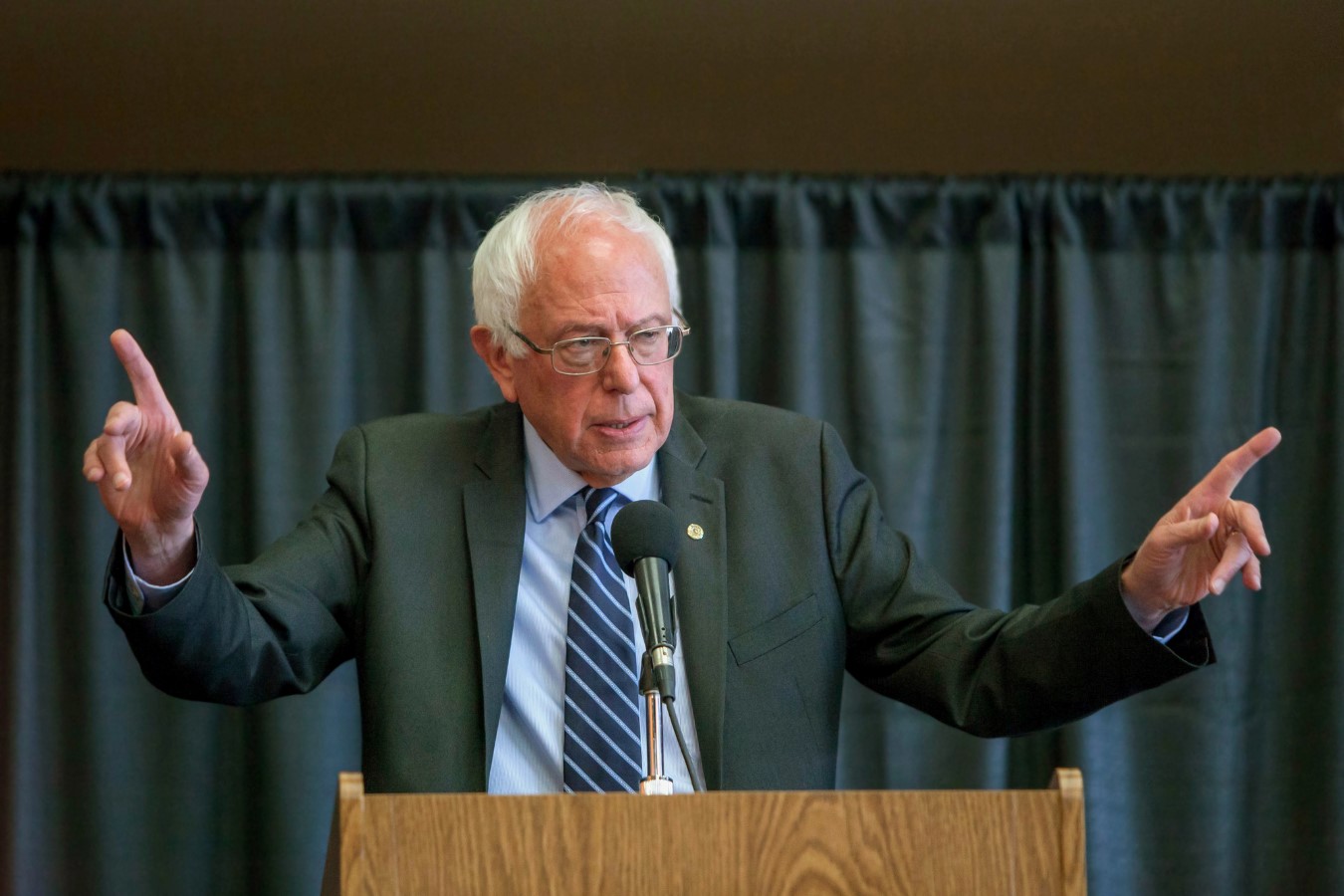
White House AI and crypto czar David Sacks jumped into the debate, pushing back on the idea that Khanna is simply naïve. Sacks suggested Khanna is ambitious, not foolish, and questioned why backing what he described as asset seizures would be politically advantageous; unless the Democratic Party is shifting in that direction.
San Jose Mayor Highlights Waste and Fraud in California
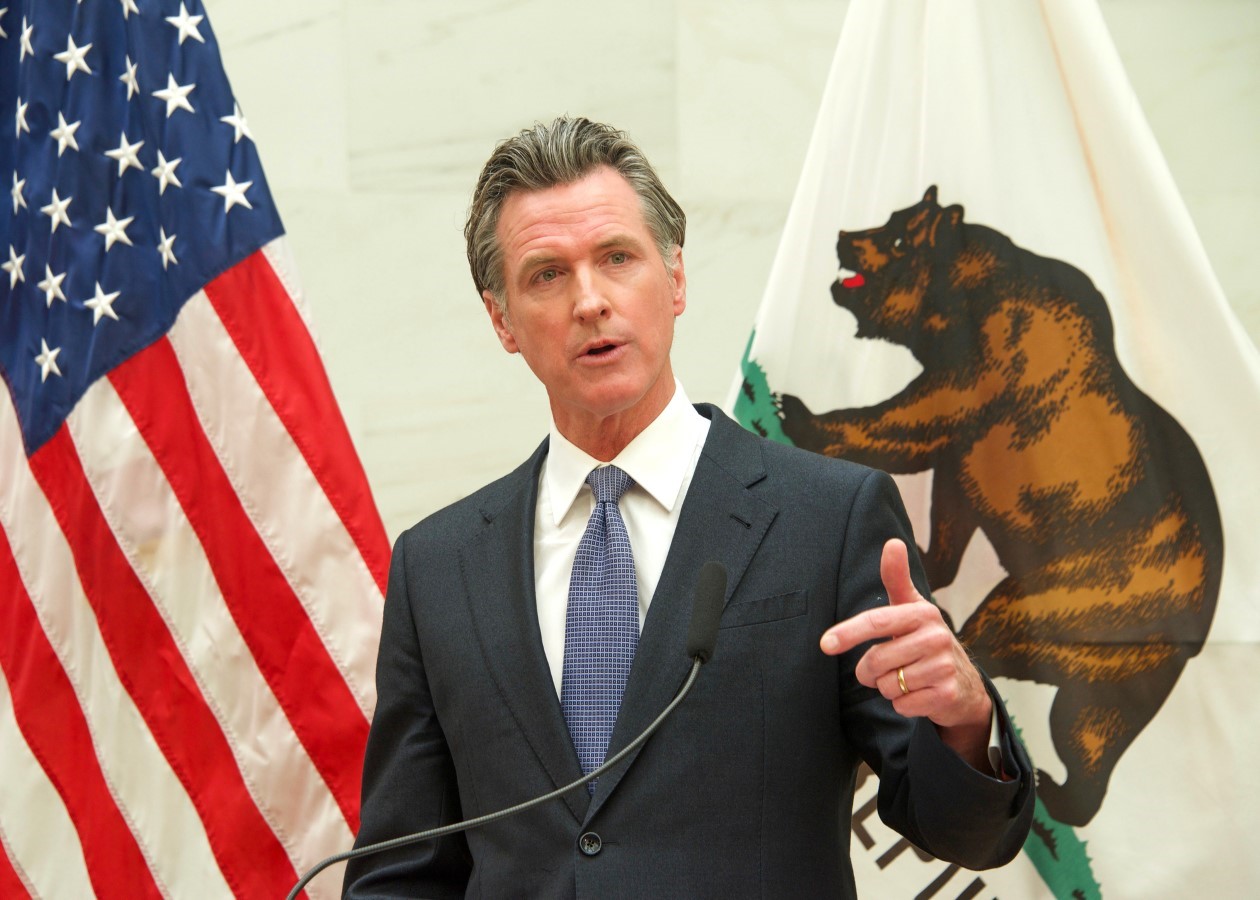
One of Silicon Valley’s most prominent local leaders is reframing the debate entirely.
San Jose Mayor Matt Mahan argues that the wealth tax isn’t just misguided; it ignores California’s real fiscal failures.
“Just in the last few years in California alone, credible sources estimate that we’ve had $20 to $30 billion in fraudulent unemployment claims and huge amounts of waste in our health care system,” Mahan said. “So I think we ought to ask government to do better before we ask taxpayers to pay more.”
Mahan points out that California is already a high-tax state with one of the most progressive tax structures in the country. The top 1% of earners already generate about 40% of the state’s income tax revenue.
“So let’s close loopholes,” he said, “but also realize that there’s a lot of waste and fraud in government that we ought to be going after first, before we put our innovation economy at risk.”
The Waste Problem California Won’t Confront
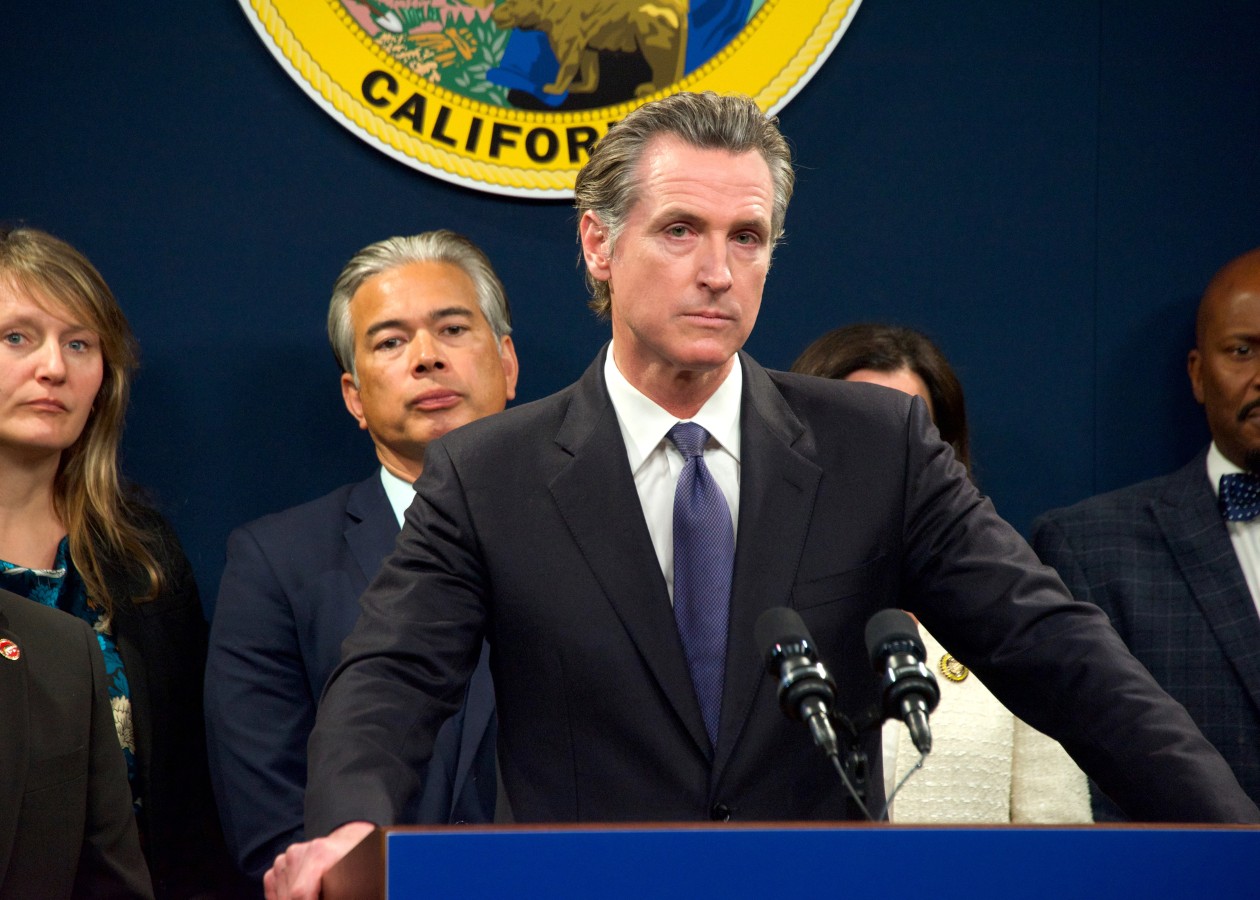
Mahan points to uncomfortable facts state leaders rarely emphasize: more than $20 billion lost to unemployment fraud during the pandemic, up to 30% of community college financial aid applications flagged as fraudulent, massive cost overruns on state construction projects, and billions spent on homelessness programs that failed to reduce the number of people living on the streets statewide.
Rooting out waste and inefficiency, Mahan argues, would make government more effective; and reduce the perceived need for economically risky taxes.
“MAGA Talking Points?” Newsom’s Camp Fires Back
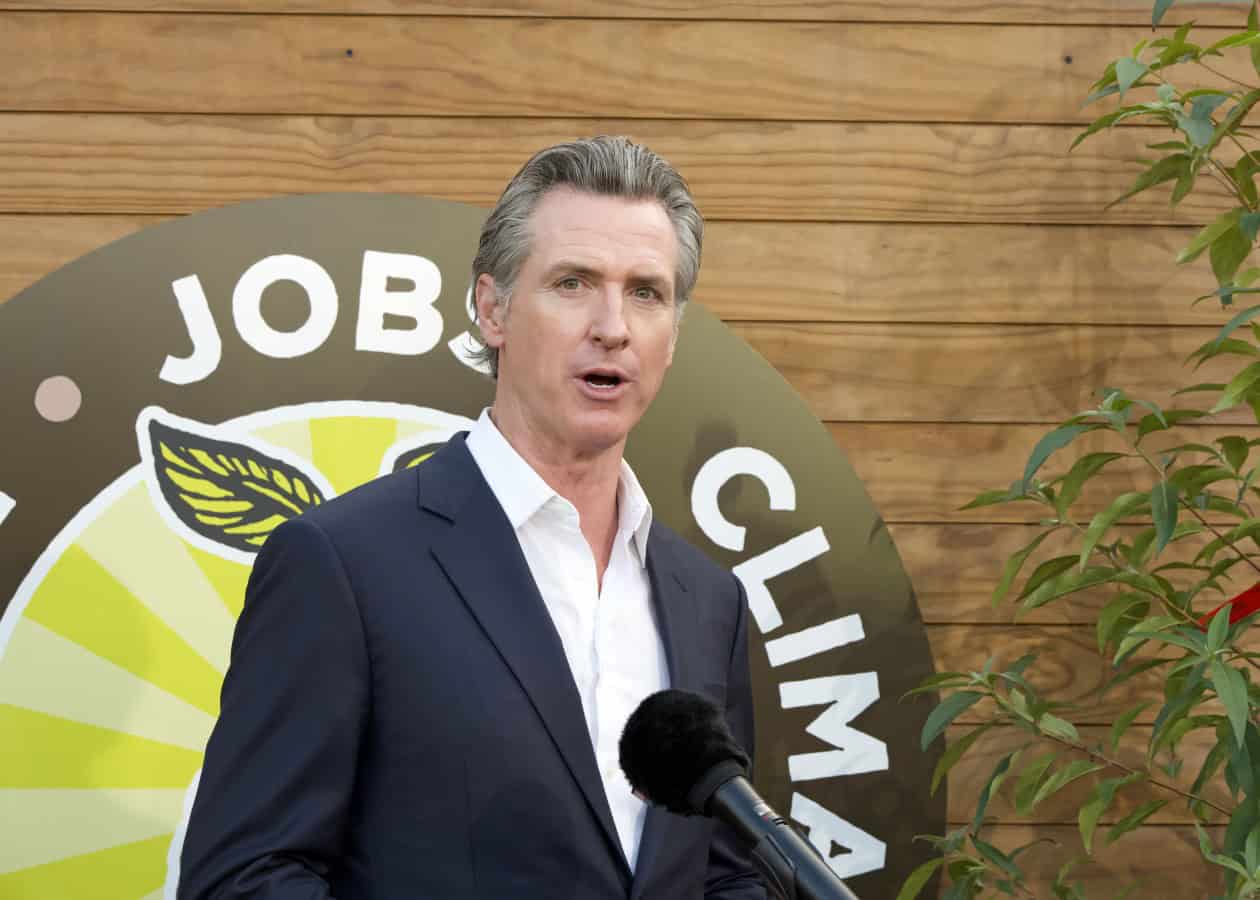
The response from Governor Newsom’s administration was swift and stinging. Communications Director Izzy Gordon accused Khanna of carrying water for the Republican party, specifically targeting the $72 billion figure cited by the Congressman. Gordon argued that much of that “fraud” actually refers to the state’s embattled high-speed rail project.
“Interesting to see a Dem repeat the MAGA-made-up $72B number,” Izzy Gordon, communications director for Newsom, wrote on X in response to Newsom’s initial tweet. “That ‘fraud’ supposedly includes the $17B spent on high-speed rail; which has created 16,000 union jobs and built 50+ COMPLETED projects. Calling union work ‘fraud’ is certainly a choice.”
Auditing the Golden State: Khanna’s Bipartisan Oversight Push
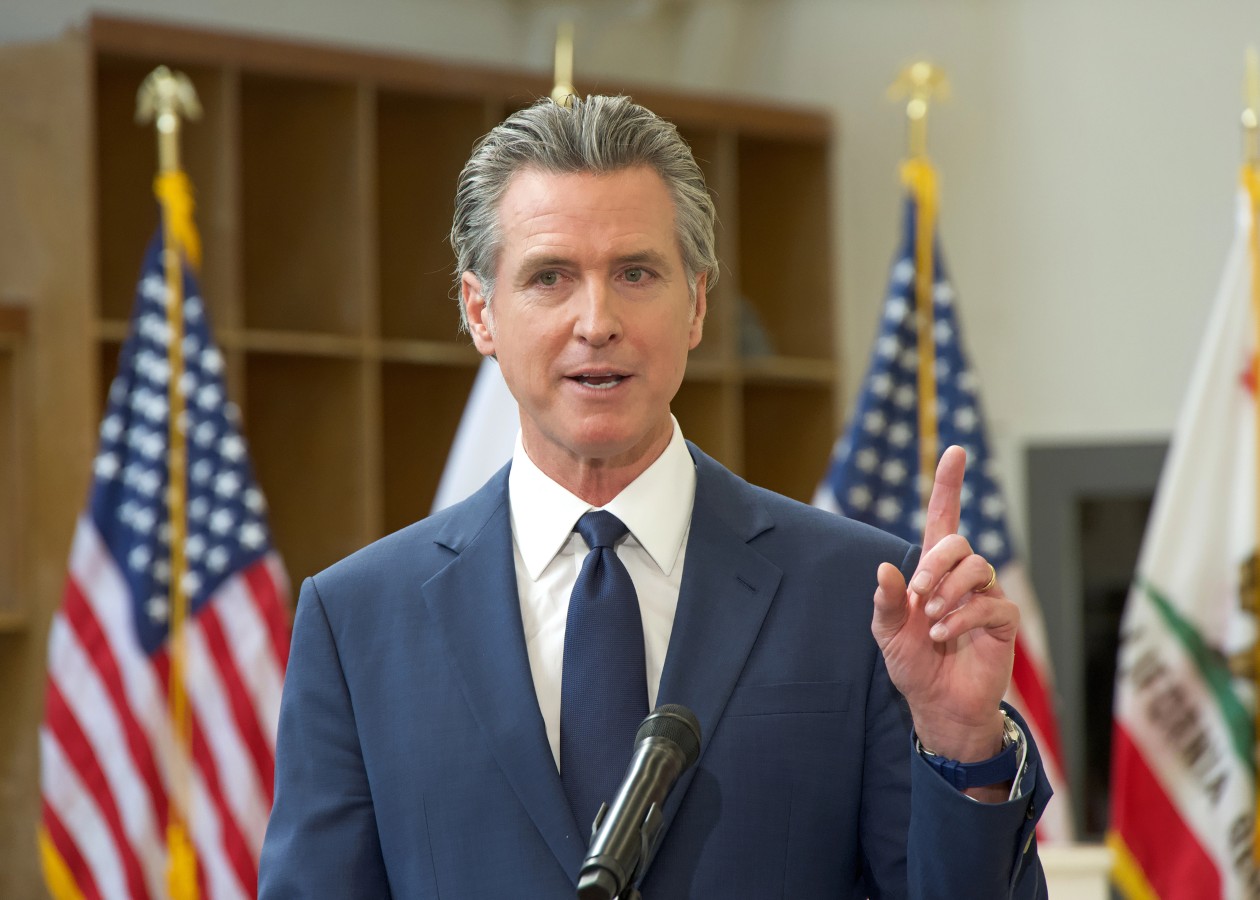
Khanna isn’t just tweeting; he’s taking legislative action. Leveraging his position on the House Oversight Committee, Khanna announced a bipartisan effort to investigate state-level fraud. He is currently drafting legislation to mandate an independent audit of California’s budget, a move that would bring unprecedented federal scrutiny to Sacramento’s accounting.
For Khanna, this isn’t about partisanship; it’s about optics. He argues that the Democratic Party cannot successfully ask for more revenue if it cannot prove it is a “good steward” of the money it already has.
The 2028 Horizon: A Rivalry for the White House?
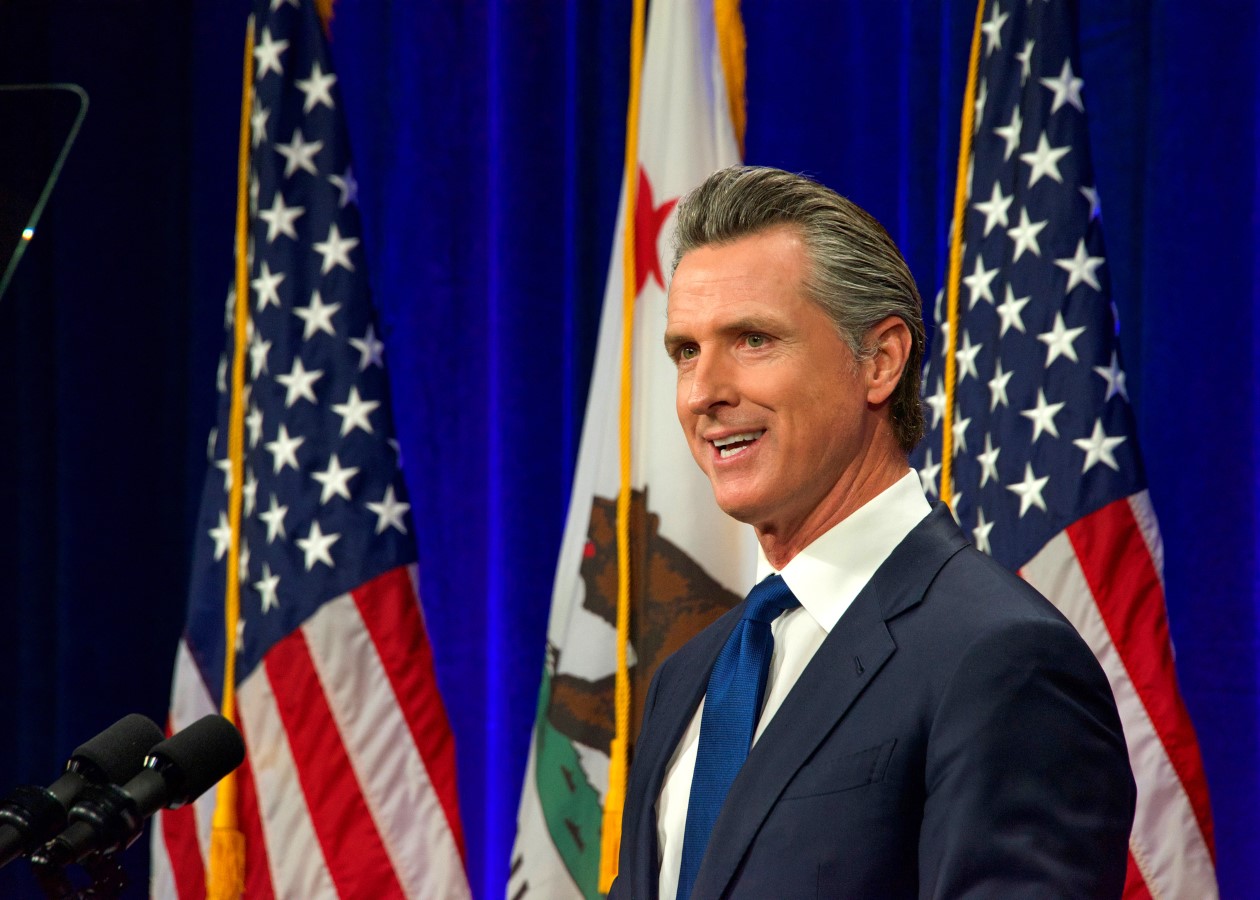
While both Newsom and Khanna are focused on California today, political analysts see this as the opening salvo of the 2028 Democratic presidential primary.
Newsom, who has been building a national profile as a defender of liberal values against the Trump administration, currently leads in early polls. However, Khanna’s populist “anti-corruption” brand is designed to appeal to the same Rust Belt voters that Democrats struggled to hold in 2024.
As the audit moves forward and the wealth tax heads toward the 2026 ballot, the rift between the “Sacramento Establishment” and the “Silicon Valley Populist” is only expected to widen.
For California taxpayers, the result of this clash may determine exactly where their “missing” billions ended up.
Like Financial Freedom Countdown content? Be sure to follow us!
‘Too Big to Save’: Big Short Investor Michael Burry Issues Dire Warning on AI Mania

Michael Burry, the investor made famous by The Big Short, is sounding one of his starkest alarms yet; this time on artificial intelligence. Burry says the AI boom has all the hallmarks of a historic bubble and warns that when it bursts, the damage could ripple through markets and the broader economy in ways policymakers won’t be able to stop.
‘Too Big to Save’: Big Short Investor Michael Burry Issues Dire Warning on AI Mania
Trump Halts Wage Garnishment and Tax Refund Seizures for Defaulted Student Loans, Offering Millions Immediate Relief

The Trump administration has reversed course on a controversial student loan policy, announcing it will immediately suspend wage garnishments and tax refund seizures for borrowers in default. The shocking Friday announcement comes as the Education Department had announced that starting the week of Jan. 7, it would notify defaulted borrowers of plans to withhold a portion of their wages. The news is a welcome relief for millions of Americans who were bracing for involuntary collections to restart after a nearly six-year pause. But it does cast doubts if borrowers will ever be made to pay back their defaulted loans.

Did you find this article helpful? We’d love to hear your thoughts! Leave a comment with the box on the left-hand side of the screen and share your thoughts.
Also, do you want to stay up-to-date on our latest content?
1. Follow us by clicking the [+ Follow] button above,
2. Give the article a Thumbs Up on the top-left side of the screen.
3. And lastly, if you think this information would benefit your friends and family, don’t hesitate to share it with them!

John Dealbreuin came from a third world country to the US with only $1,000 not knowing anyone; guided by an immigrant dream. In 12 years, he achieved his retirement number.
He started Financial Freedom Countdown to help everyone think differently about their financial challenges and live their best lives. John resides in the San Francisco Bay Area enjoying nature trails and weight training.
Here are his recommended tools
Personal Capital: This is a free tool John uses to track his net worth on a regular basis and as a retirement planner. It also alerts him wrt hidden fees and has a budget tracker included.
Platforms like Yieldstreet provide investment options in art, legal, real estate, structured notes, venture capital, etc. They also have fixed-income portfolios spread across multiple asset classes with a single investment with low minimums of $10,000.