
Warren Accuses CFPB Chief of Undermining Trump’s Credit Card Rate Crackdown
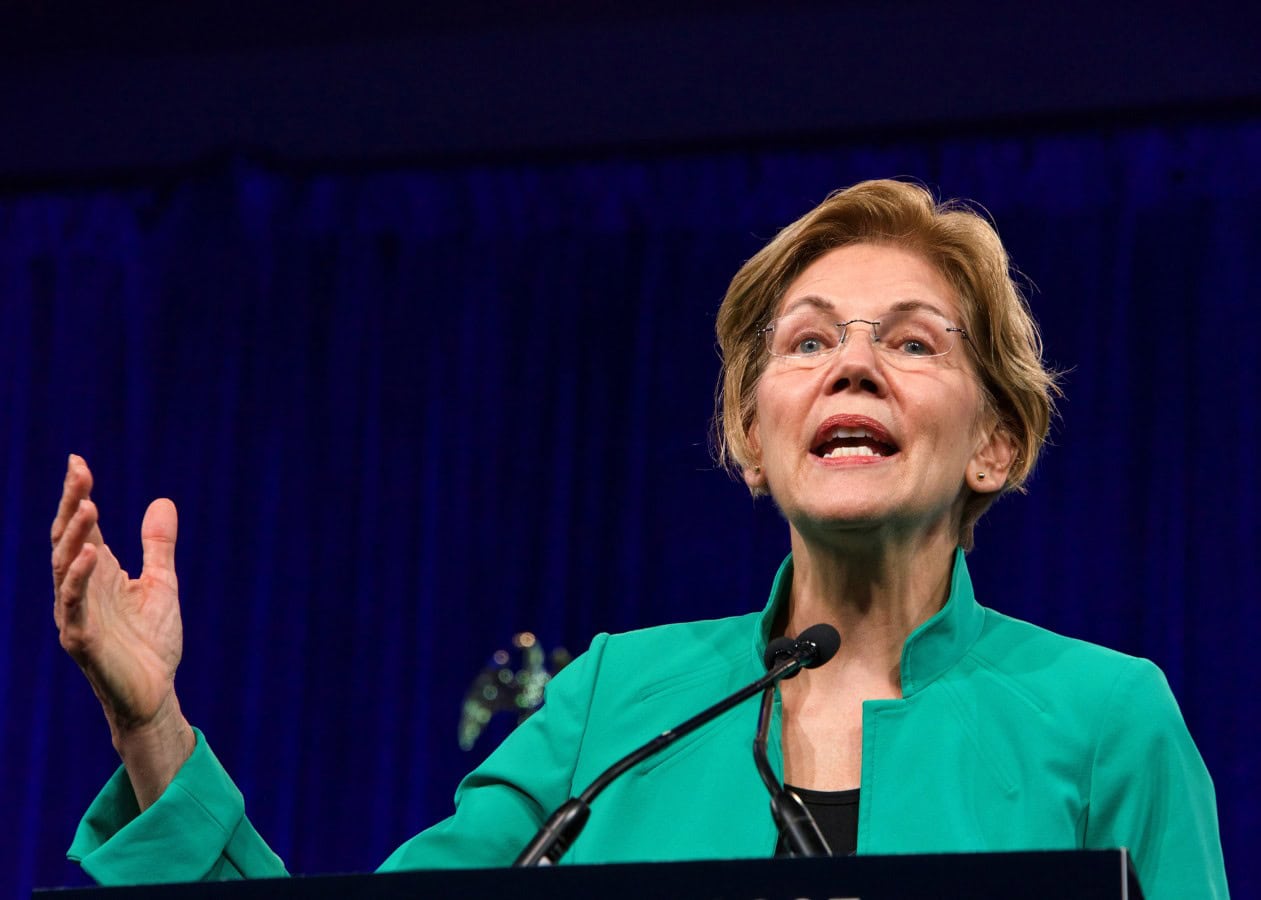
Sen. Elizabeth Warren is escalating pressure on the Trump administration by accusing the acting head of the Consumer Financial Protection Bureau of actively undermining President Donald Trump’s stated push to make credit cards more affordable. In a sharply worded letter obtained exclusively by CNBC, Warren argues that CFPB Acting Director Russell Vought’s actions directly contradict Trump’s public demands to rein in credit card costs.
Trump Calls for a 10% Credit Card Interest Rate Cap

Earlier this month, Trump urged major U.S. banks to voluntarily cap credit card interest rates at 10% for one year, framing the move as a necessary step to help consumers struggling with high borrowing costs. When banks declined to comply, Trump doubled down, calling on Congress to pass legislation imposing the cap instead.
Warren Says CFPB Actions Undercut Trump’s Goal
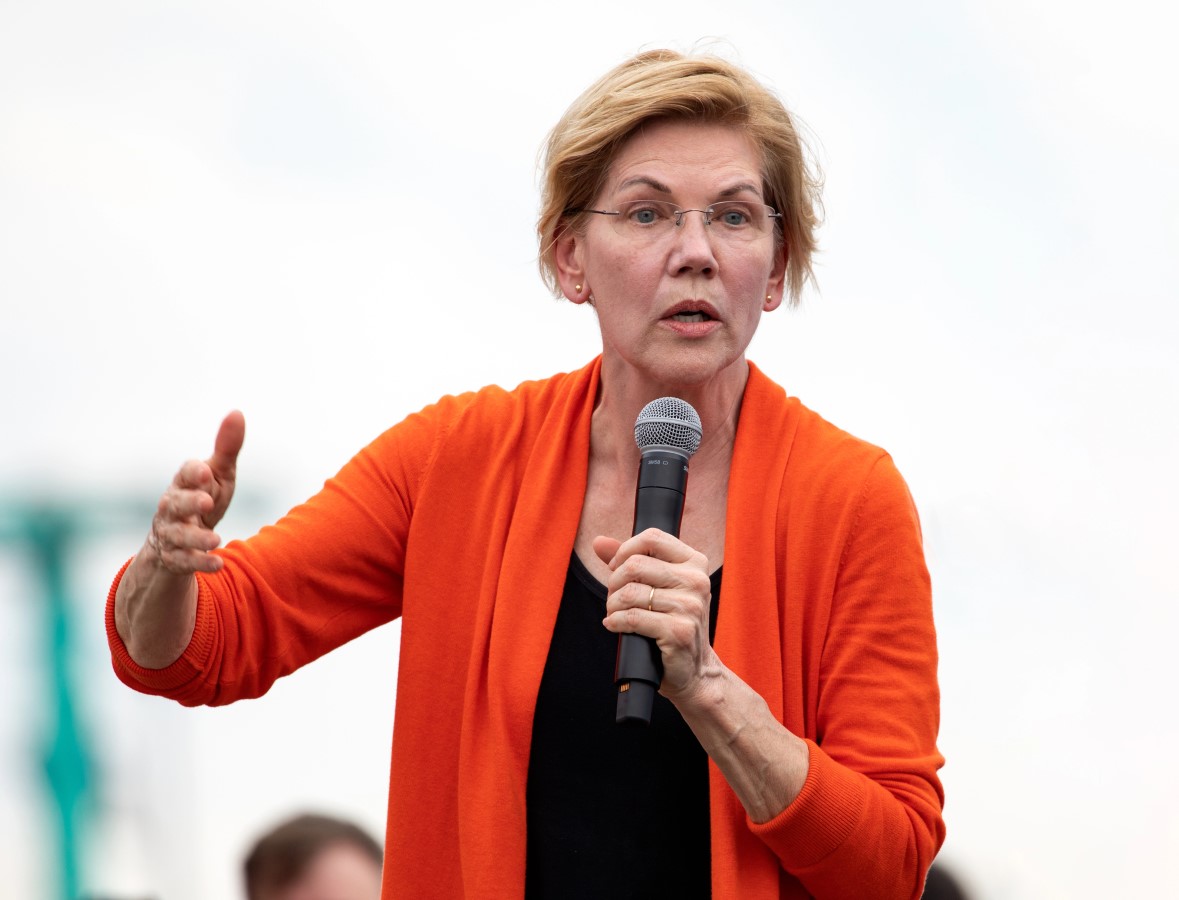
In her letter, Warren told Vought that while Congress debates legislation, the CFPB itself has taken steps that make credit cards more expensive for consumers. She accused the agency of “directly undermining the President’s stated goals” by easing pressure on banks and credit card companies rather than holding them accountable.
“I spoke with President Trump last week and told him that Congress could pass legislation to cap credit card rates, if he would fight for it,” Warren wrote in her letter to Vought.
“While Congress considers legislation to address the issue, your own actions are directly undermining the President’s stated goals,” she wrote. “Under your leadership, the CPFB has taken steps to make it easier—not harder—for big banks and credit card companies to rip off Americans.”
CFPB Rolled Back Late-Fee Limits Under Vought

Warren highlighted that under Vought’s leadership, the CFPB dropped a rule that would have capped credit card late fees at $8. That rule, finalized during the Biden administration, was estimated to save Americans more than $10 billion annually. Warren urged Vought to immediately reinstate it.
Agency Accused of Siding With Lenders

The senator also accused the CFPB of siding with lenders in lawsuits involving deceptive practices and pausing enforcement actions against the credit card industry. According to Warren, these moves signal to banks that aggressive and costly practices will face little resistance from regulators.
A Political Flashpoint for the CFPB’s Future

The clash comes as members of the Trump administration push to shutter or significantly weaken the CFPB as part of a broader pro-business deregulatory agenda. Warren, who helped create the agency under President Barack Obama, has become one of its fiercest defenders as its authority and staffing face mounting threats.
Current and former CFPB employees have warned that the agency is effectively on “life support” under Vought. He has fought in court to enact mass layoffs and halt the bureau’s funding, moves critics say would cripple its ability to police the financial industry.
Administration Pushes Back on Rate Authority Claims

A CFPB spokesperson responded that the agency is barred by the Dodd-Frank Act from directly capping credit card interest rates. While that may be legally true, Warren argues the bureau still has broad authority to reduce costs by cracking down on abusive fees, deceptive promotions, and unfair interest rate hikes.
Warren Demands Action on Deceptive Practices
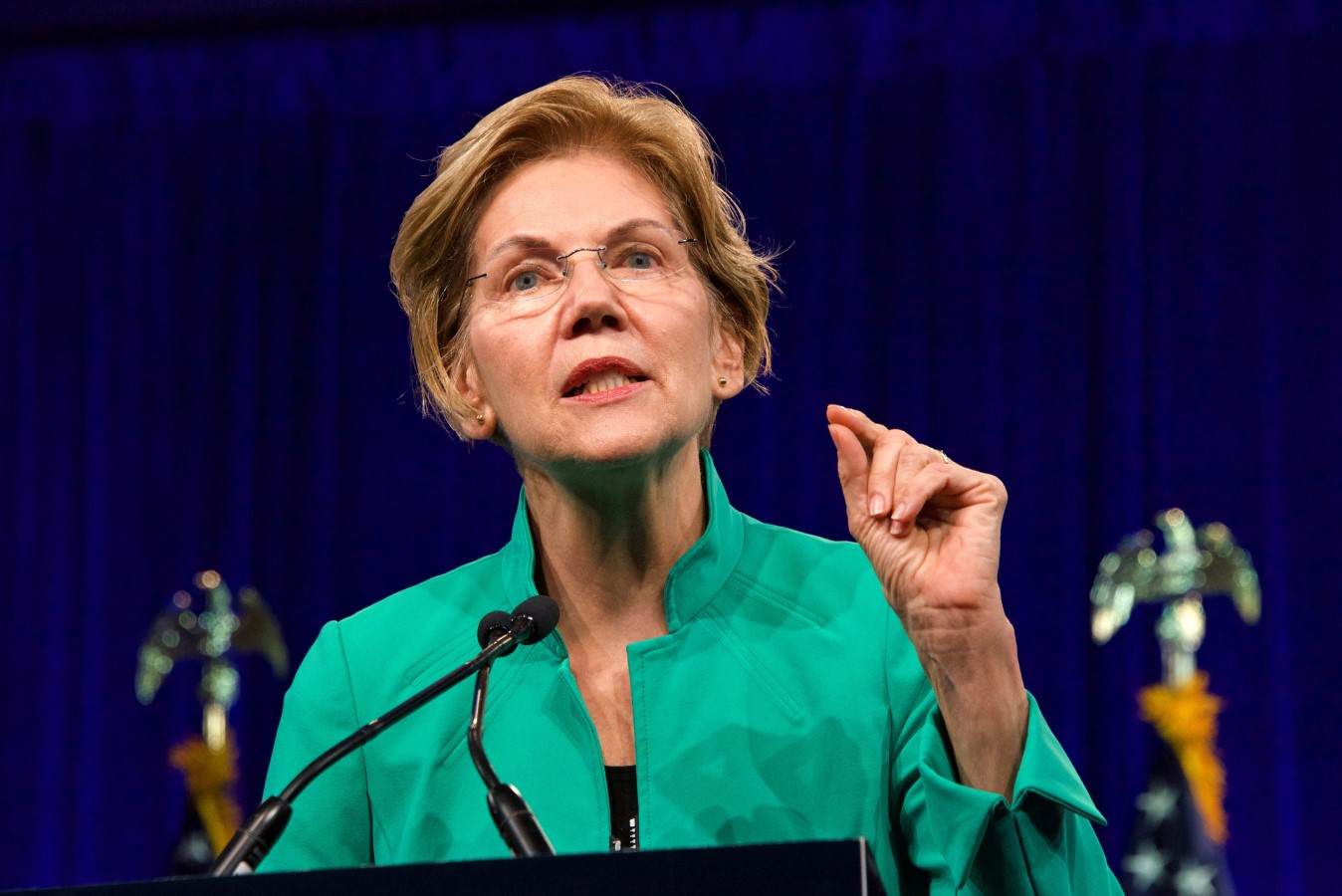
Beyond late fees, Warren called on the CFPB to rein in deferred-interest promotions, resume enforcement around interest rate increases, respond to a growing backlog of consumer complaints, and halt bait-and-switch tactics in credit card rewards programs.
Warren Issues a Blunt Challenge to Vought

Warren closed her letter with a stark ultimatum, writing that either President Trump is not serious about making credit cards more affordable or Vought is “insubordinately disregarding” the president’s direction. The accusation sharpens tensions inside the administration and sets the stage for a high-stakes battle over consumer finance policy in an election-year economy.
Like Financial Freedom Countdown content? Be sure to follow us!
‘Too Big to Save’: Big Short Investor Michael Burry Issues Dire Warning on AI Mania

Michael Burry, the investor made famous by The Big Short, is sounding one of his starkest alarms yet; this time on artificial intelligence. Burry says the AI boom has all the hallmarks of a historic bubble and warns that when it bursts, the damage could ripple through markets and the broader economy in ways policymakers won’t be able to stop.
‘Too Big to Save’: Big Short Investor Michael Burry Issues Dire Warning on AI Mania
Forgotten IRS Retirement Rule Is Costing Americans $1.7 Billion a Year and It’s Still Catching Retirees Off Guard

Missing a required minimum distribution (RMD) might sound like a minor paperwork error. But new research from Vanguard shows it’s anything but small: investors who failed to take required withdrawals in 2024 triggered an estimated $1.7 billion in IRS penalties, with the biggest mistakes concentrated among people with the smallest retirement accounts. Here’s what the data reveals; and what retirees can do to avoid an expensive oversight.
Did you find this article helpful? We’d love to hear your thoughts! Leave a comment with the box on the left-hand side of the screen and share your thoughts.
Also, do you want to stay up-to-date on our latest content?
1. Follow us by clicking the [+ Follow] button above,
2. Give the article a Thumbs Up on the top-left side of the screen.
3. And lastly, if you think this information would benefit your friends and family, don’t hesitate to share it with them!

John Dealbreuin came from a third world country to the US with only $1,000 not knowing anyone; guided by an immigrant dream. In 12 years, he achieved his retirement number.
He started Financial Freedom Countdown to help everyone think differently about their financial challenges and live their best lives. John resides in the San Francisco Bay Area enjoying nature trails and weight training.
Here are his recommended tools
Personal Capital: This is a free tool John uses to track his net worth on a regular basis and as a retirement planner. It also alerts him wrt hidden fees and has a budget tracker included.
Platforms like Yieldstreet provide investment options in art, legal, real estate, structured notes, venture capital, etc. They also have fixed-income portfolios spread across multiple asset classes with a single investment with low minimums of $10,000.