Warren Calls for McMahon’s Ouster After Shutdown Op-Ed: Accuses Trump Team of ‘Dismantling’ Education Department

The recent Democrat-led shutdown provided fodder for Republicans to increase the efficiency of the Federal government.
McMahon’s Shutdown Op-Ed Sparks National Backlash

Education Secretary Linda McMahon sparked a national debate with her USA Today op-ed arguing that the recent 43-day government shutdown revealed how little the Department of Education is needed.
According to McMahon, schools operated without disruption and states proved more than capable of managing education responsibilities without federal “micromanagement.”
Her arguments energized Republicans who have long called for reducing or eliminating the agency; but they also triggered a swift political counteroffensive from Democrats.
McMahon: The DOE Is a “Pass-Through” States Can Handle

In her op-ed, McMahon said the shutdown underscored a “45-year conservative argument” that the Department of Education mostly distributes funds that states are better equipped to oversee. She emphasized that protections for low-income students, those with disabilities, and civil rights enforcement would continue “regardless of what the sign on the building says.” To McMahon, the closure of the department would not remove crucial services; it would simply modernize who manages them.
Trump and McMahon Move to Restructure the Department

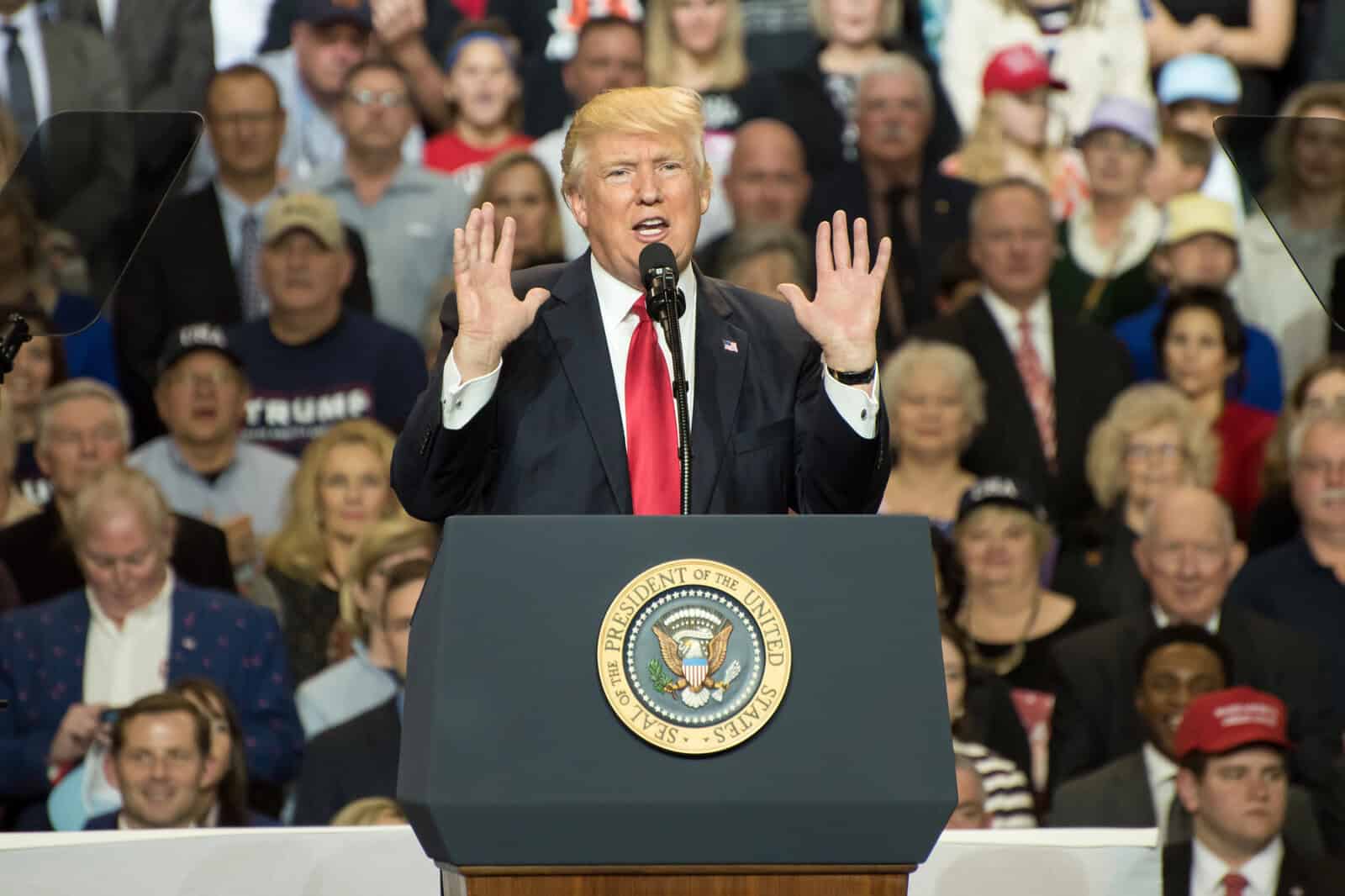
The administration has been pushing forward with a sweeping internal overhaul. On March 20, President Donald Trump signed an executive order initiating a reorganization that McMahon later described as the DOE’s “final mission.” Supporters frame the move as restoring state leadership. Critics say it’s a calculated strategy to reduce the department to a shell.
Four Federal Agencies Take Over Key Education Programs

On November 18, McMahon announced that major departmental functions would be transferred to four other agencies. The Department of Labor; historically unrelated to K–12 education will now manage literacy programs, civics support, and Title I funding.
Other programs have been scattered across agencies with no background in childhood education or student services, marking one of the most sweeping redistributions of federal education duties in decades.
School Districts Brace for Funding Delays

Local school officials warn that shifting Title I; the largest federal fund for disadvantaged schools; could lead to administrative delays and operational confusion. Districts worry about larger class sizes, reductions in tutoring and afterschool services, and slower delivery of updated textbooks if federal money gets delayed in transition. The complexity of moving programs across multiple agencies could disrupt a system that previously operated under one roof.
Services for Students With Disabilities Could Shrink
One of the most controversial aspects of the restructuring involves plans to reduce staffing in the DOE’s special education division. Advocates say cuts could reduce access to speech therapy, aides, and specialized equipment used by millions of children with disabilities. Without dedicated federal oversight, parents might face more barriers when defending their children’s rights under disability law.
Student Loan Oversight Takes a Major Hit

McMahon’s restructuring also includes firing roughly half the department’s staff, with large reductions in the student loan office. With fewer regulators monitoring loan servicers and fewer specialists helping borrowers navigate repayment, critics warn that the 43 million Americans holding student debt may face an environment ripe for predatory practices. Consumer protections could weaken precisely when higher education costs continue rising.
Warren Responds With Blistering Call for Resignation

Sen. Elizabeth Warren responded days later with a sharply worded op-ed demanding McMahon’s resignation; a rare move even in the polarized environment of Washington.
Warren recounts meeting McMahon shortly after her confirmation and asking directly whether she intended to shut down the department. At the time, Warren says, McMahon insisted she lacked the authority.
Today, Warren argues, McMahon is pursuing the same end through “backdoor sabotage” rather than an overt closure.
Warren: Chaos Is the Strategy, Not a Side Effect

Warren argues the administration’s rhetoric about efficiency masks a coordinated dismantling operation. By splitting programs among agencies with no expertise, cutting staff, and undermining enforcement divisions, she says McMahon is intentionally creating dysfunction. The more chaotic the system becomes, Warren warns, the easier it will be for lawmakers to argue the DOE is ineffective and should be abolished entirely.
Families Now Face a Bureaucratic Labyrinth

Before these changes, schools and families relied on the Department of Education as a single point of contact. Now, they must navigate four separate federal agencies; each with different staff, systems, and procedures. Warren warns that these layers of complexity will mean delayed funding, unanswered questions, and inconsistent implementation of federal laws.
This Fight Isn’t About Curriculum

Warren also pushes back on McMahon’s argument that returning power to the states is about letting local communities control what students learn. Warren notes that federal law already leaves curriculum decisions to the states. The real issue, she says, is whether the U.S. maintains national protections ensuring students; regardless of geography, get equal access to resources and rights.
Republicans Push Ahead With Plans to Eliminate the DOE

Senate Republicans have introduced legislation to formally abolish the Department of Education, though Congress must approve any closure. McMahon’s internal reshuffling, staff cuts, and public messaging campaign have accelerated momentum behind those efforts. The department’s reduced footprint could make the political case for its elimination easier to sell to voters.
Warren: McMahon “Has No Business Leading This Department”

Warren ends her op-ed with a direct appeal for new leadership, arguing that a secretary who undermines her own department cannot be trusted to protect students. She says public education depends on a functioning federal agency capable of enforcing laws, supporting families, and ensuring equal opportunity nationwide.
The Showdown Moves to Congress
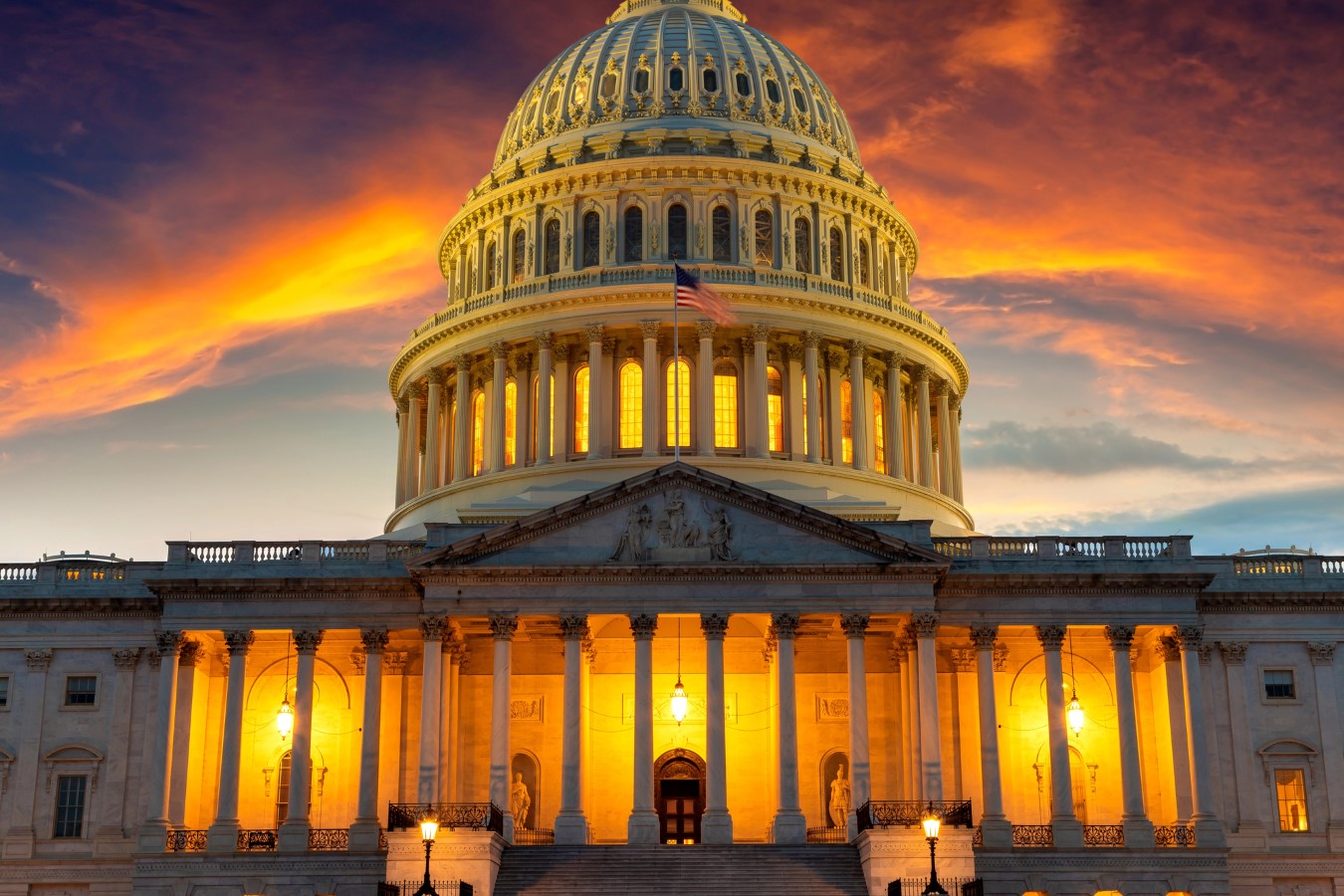
With McMahon defending her reforms and Warren escalating her opposition, the future of the Department of Education now hinges on Congress.
The central question: Is the DOE an outdated bureaucracy holding states back, or a vital safeguard ensuring fairness and accountability in American education? Both sides are digging in, and the stakes couldn’t be higher.
Like Financial Freedom Countdown content? Be sure to follow us!
Trump Still Plans to Use Tariffs for Dividend Checks and to Eliminate Income Tax; Even as Revenues Hit $215B and the Supreme Court Weighs In

At the start of Tuesday’s public cabinet meeting, President Trump made clear once again that he wants to fund the elimination of federal income taxes; and new “dividend” checks, using money raised through tariffs. Tariff collections are surging at a pace not seen in modern U.S. history, hitting $34.2 billion in October and $215.2 billion so far in fiscal 2025. But the windfall comes at a politically volatile moment: the Supreme Court is now weighing whether President Donald Trump can continue imposing broad tariffs without fresh approval from Congress. A ruling against the administration could force the White House to justify or even unwind the cornerstone of its economic strategy.
Trump Accounts Just Got a $6.25 Billion Boost And Here’s How Kids Could Become Millionaires

President Trump’s signature “One Big Beautiful Bill” created tax-advantaged “Trump Accounts” to give American children an investment-powered jumpstart in life. The program just expanded dramatically after Michael and Susan Dell announced a $6.25 billion donation; a contribution large enough to fund $250 deposits for 25 million children across the country.
Trump Accounts Just Got a $6.25 Billion Boost And Here’s How Kids Could Become Millionaires
Democrats Push Major Social Security Boost for Widows; Even as Insolvency Deadline Nears

A new proposal in Congress aims to substantially increase Social Security survivor benefits for widowed individuals and surviving divorced spouses. The plan arrives as roughly 5.8 million Americans rely on survivor benefits nationwide; nearly 4 million of them widowed and many struggle under rules that reduce payouts for younger survivors or those with disabilities.
Democrats Push Major Social Security Boost for Widows; Even as Insolvency Deadline Nears

Did you find this article helpful? We’d love to hear your thoughts! Leave a comment with the box on the left-hand side of the screen and share your thoughts.
Also, do you want to stay up-to-date on our latest content?
1. Follow us by clicking the [+ Follow] button above,
2. Give the article a Thumbs Up on the top-left side of the screen.
3. And lastly, if you think this information would benefit your friends and family, don’t hesitate to share it with them!

John Dealbreuin came from a third world country to the US with only $1,000 not knowing anyone; guided by an immigrant dream. In 12 years, he achieved his retirement number.
He started Financial Freedom Countdown to help everyone think differently about their financial challenges and live their best lives. John resides in the San Francisco Bay Area enjoying nature trails and weight training.
Here are his recommended tools
Personal Capital: This is a free tool John uses to track his net worth on a regular basis and as a retirement planner. It also alerts him wrt hidden fees and has a budget tracker included.
Platforms like Yieldstreet provide investment options in art, legal, real estate, structured notes, venture capital, etc. They also have fixed-income portfolios spread across multiple asset classes with a single investment with low minimums of $10,000.