Wealth tax battle in California pits Bernie Sanders against Gavin Newsom ahead of midterms

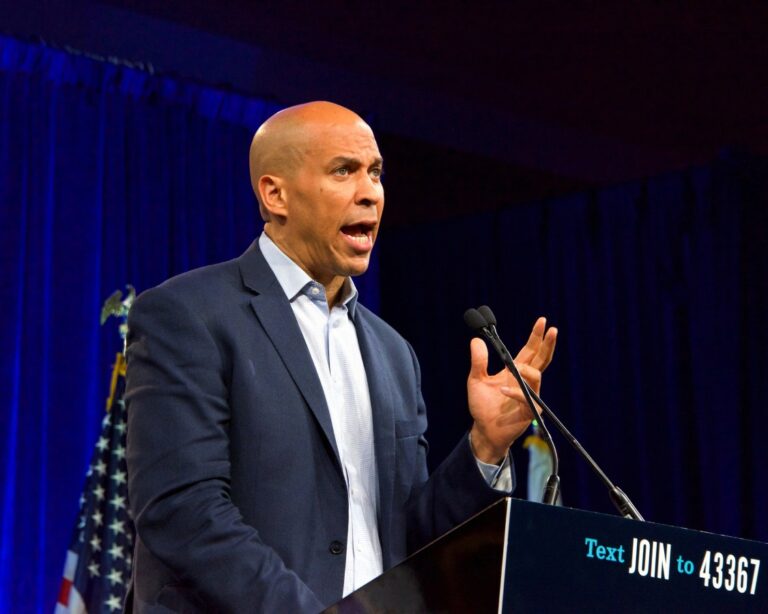
Sen. Bernie Sanders, who has faced scrutiny over his own millionaire status and multiple homes, rallied support in California for a proposed 5% tax on billionaires.
At a packed theater in Los Angeles, Bernie Sanders delivered a blistering critique of extreme wealth, framing inequality as a moral crisis. “Do you know what the most significant addiction crisis in America is today? It is the greed of the billionaire class,” he told a cheering crowd. The senator argued that unchecked accumulation of wealth threatens working families and democratic institutions alike, drawing some of the loudest applause of the night.
Wealth tax proposal targets California billionaires

The proposal at the center of the debate would impose a one-time 5% tax on the assets of billionaires, including stocks, businesses, and other holdings. Backed by the healthcare union SEIU-UHW, the measure aims to fund public services such as healthcare, education, and food assistance. Supporters say it would apply to roughly 200 ultra-wealthy Californians controlling an estimated $2 trillion in wealth.
Gavin Newsom emerges as a leading opponent
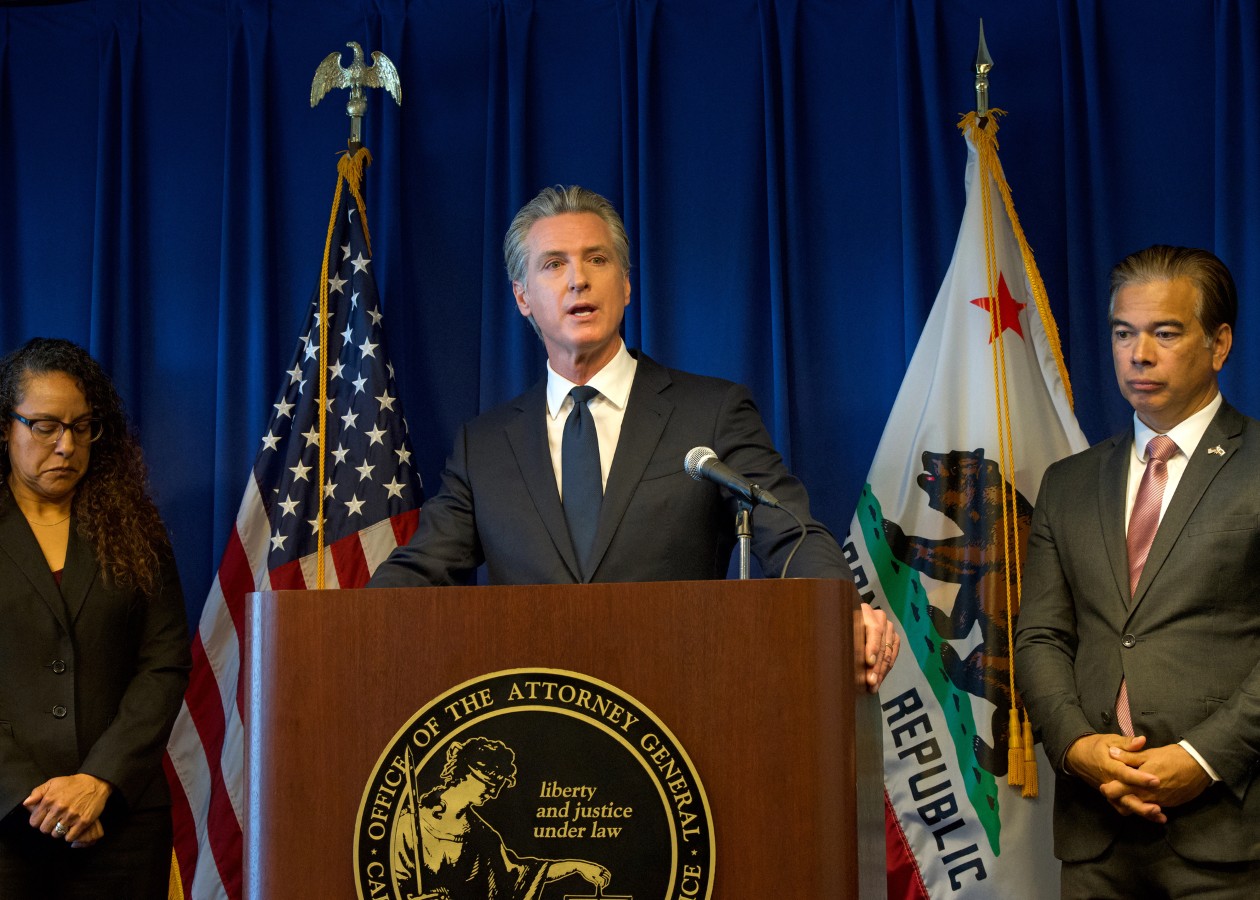
California Gov. Gavin Newsom has forcefully opposed the initiative, warning it could push billionaires to leave the state. He argues such an exodus would shrink tax revenues and weaken California’s economic position. Calling the proposal “really damaging to the state,” Newsom has positioned himself as a central figure in the opposition.
As a front runner for the Presidential nomination, Newsom wants to appeal to the moderate factions.
A growing divide within the Democratic Party

The debate has exposed a widening rift among Democrats at a politically sensitive time. As the party looks toward midterm elections, disagreements between high-profile figures like Sanders and Newsom risk undercutting a unified message. Analysts note that internal divisions could complicate efforts to regain control of Congress.
Silicon Valley and business groups push back
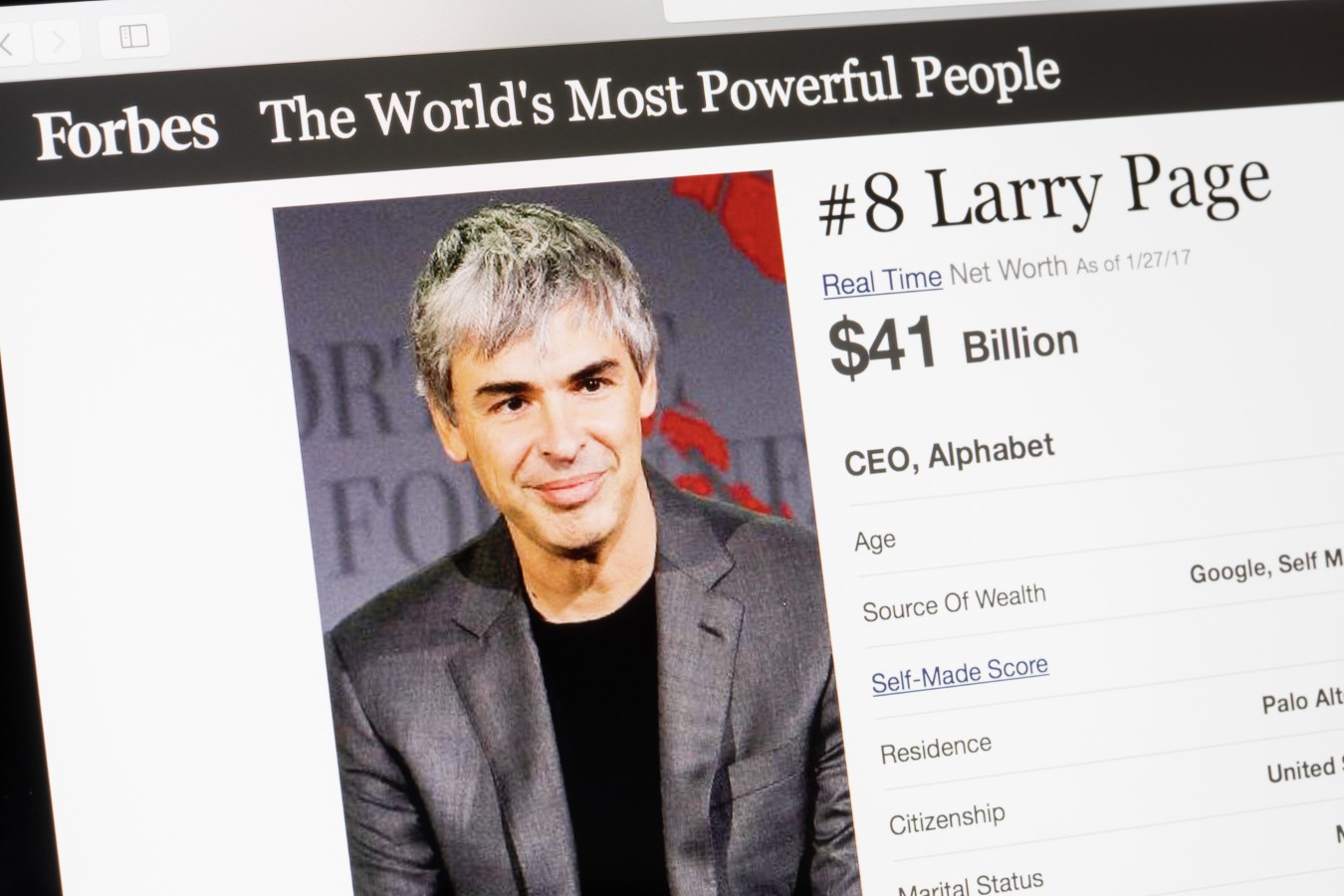
Opposition has been especially strong in Silicon Valley, where tech leaders fear the tax could drive investment elsewhere. The California Business Roundtable warned the measure would “weaken the entire economic ecosystem” that supports jobs and wages. Critics argue the policy could have ripple effects beyond billionaires, impacting everyday Californians.
Supporters say tax is needed to prevent service cuts

Proponents counter that the tax is essential to offset federal funding reductions. They argue it would stabilize healthcare systems and protect public education. Union leaders and activists have framed the proposal as an emergency measure to prevent what they describe as a looming collapse in critical services.
According to the California Department of Finance, the State of California will spend more than $8.4 billion on taxpayer-funded Medicaid health benefits for illegal aliens this fiscal year, over $5 billion more than initially estimated.
Sanders ties inequality to democracy and power

Sanders framed the issue as more than economics, arguing that wealth concentration undermines democracy itself. “At a time when the wealth and power of the billionaire class has never been greater, we are here today to send a very clear and profound message to them, and that is: enough is enough,” he said. He added that passing the tax would demonstrate that ordinary people still hold political power.
During his remarks, Sanders singled out figures such as Mark Zuckerberg, Larry Ellison, and Elon Musk as symbols of concentrated wealth and influence. Critics of the tax warn that targeting such individuals could accelerate capital flight, while supporters say their immense fortunes make them best positioned to contribute more.
Broader political implications for 2028

The clash comes as Democrats seek a cohesive message on affordability and economic fairness. Figures like Ro Khanna have called for compromise, attempting to bridge concerns between innovation and inequality. Meanwhile, the debate is already influencing races up and down the ballot, including California’s next gubernatorial contest.
Sanders’ personal wealth draws renewed scrutiny

As he advocates for taxing billionaires, Sanders’ own finances have come under discussion. The senator, worth an estimated $5 million as per OpenSecrets, has defended his earnings, noting they stem from book sales and his government salary.
“Do I own three residences? Yeah, I do. I live here in Burlington, Vermont. We live in a middle class neighborhood. Guess what, I’m a United States senator, and I own a home in Washington, D.C. And guess what—like many thousands of people in the state of Vermont, I have a summer camp. It’s a nice one on Lake Champlain. That’s it,” he said in a 2024 interview on The Lex Friedman Podcast.
He continued, “Now how did I get the money? I wrote two best-selling books, including this book on capitalism, and I make, I don’t know $175,000 a year, and that’s more or less how I became the zillionaire that I am.”
A high-stakes fight over California’s economic future
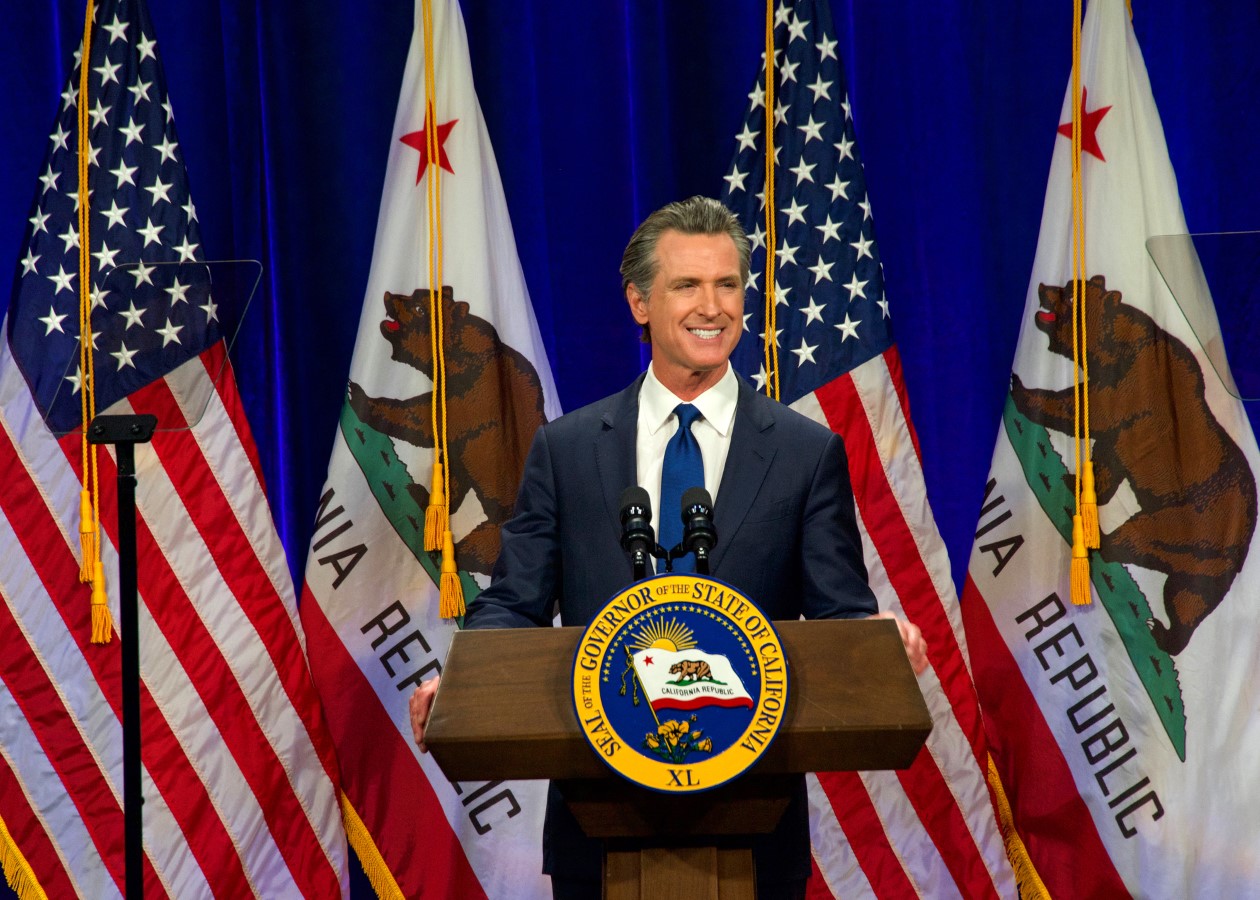
The billionaire tax initiative has not yet qualified for the November ballot, with supporters needing more than 870,000 signatures. Even if it qualifies, the campaign is expected to draw millions in spending from both supporters and opponents, setting up a high-stakes political battle.
With strong opinions on both sides, the billionaire tax debate is shaping up to be one of California’s most consequential political battles. Supporters see it as a necessary step toward economic fairness, while opponents warn of unintended consequences of taxing assets.
Senator Sanders urged supporters at the rally, “Let’s go forward together. Let’s win this thing.”
Like Financial Freedom Countdown content? Be sure to follow us!
14 Essential Strategies to Maximize Your Social Security and Avoid Costly Mistakes

Social Security is a vital lifeline for many seniors, providing crucial income support during retirement. With inflation at its highest in four decades, Social Security’s inflation-adjusted benefits offer protection against rising costs.
Rising interest rates have disrupted many retirement portfolios, causing bond fund values to plummet. In this volatile financial landscape, Social Security can stabilize a typical stock-bond retirement portfolio. By implementing smart strategies, retirees can maximize their Social Security benefits and ensure a more secure financial future.
14 Essential Strategies to Maximize Your Social Security and Avoid Costly Mistakes
11 Reasons You Should Claim Social Security Early

Deciding when to claim Social Security is often about maximizing your benefit. Financial planners usually advise delaying your claim for as long as possible to secure the highest monthly payment. Your benefit is based on your lifetime earnings, with a full payout available at your full retirement age (FRA), which is currently between 66 and 67 depending on your birth year. Claiming before FRA results in a permanent reduction in your monthly benefit, while waiting beyond FRA leads to a permanent increase. However, the decision isn’t solely about maximizing the monthly check. Personal factors such as health, family circumstances, and financial needs can play a significant role in determining the right time to claim.
11 Reasons You Should Claim Social Security Early

Did you find this article helpful? We’d love to hear your thoughts! Leave a comment with the box on the left-hand side of the screen and share your thoughts.
Also, do you want to stay up-to-date on our latest content?
1. Follow us by clicking the [+ Follow] button above,
2. Give the article a Thumbs Up on the top-left side of the screen.
3. And lastly, if you think this information would benefit your friends and family, don’t hesitate to share it with them!

John Dealbreuin came from a third world country to the US with only $1,000 not knowing anyone; guided by an immigrant dream. In 12 years, he achieved his retirement number.
He started Financial Freedom Countdown to help everyone think differently about their financial challenges and live their best lives. John resides in the San Francisco Bay Area enjoying nature trails and weight training.
Here are his recommended tools
Personal Capital: This is a free tool John uses to track his net worth on a regular basis and as a retirement planner. It also alerts him wrt hidden fees and has a budget tracker included.
Platforms like Yieldstreet provide investment options in art, legal, real estate, structured notes, venture capital, etc. They also have fixed-income portfolios spread across multiple asset classes with a single investment with low minimums of $10,000.