
Why Democrats Are Fighting the GOP’s Stock-Trading Bill Despite Their Own Track Record

As the House moves toward a vote on a GOP-backed bill to curb stock trading by members of Congress, Representative Alexandria Ocasio-Cortez has emerged as one of its sharpest critics, warning that the proposal falls far short of a true ban.
Democrats say the legislation preserves major loopholes that protect wealthy lawmakers, even as Republicans counter that it represents the most realistic ethics reform likely to pass; reviving uncomfortable questions about why Democrats themselves failed to enact similar restrictions when they previously held power.
The GOP Bill Headed to the House Floor
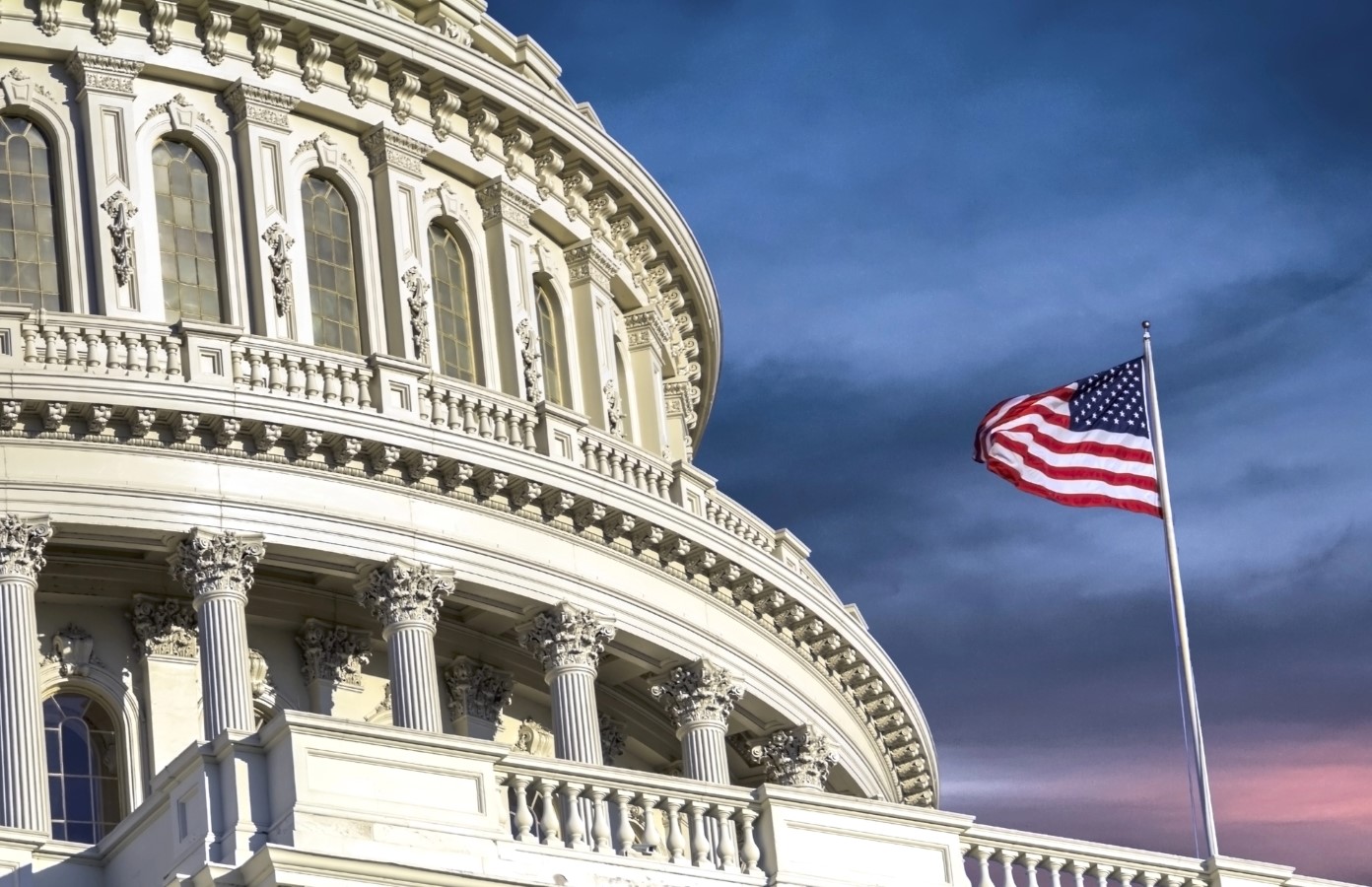
The Stop Insider Trading Act, advanced by House Republicans and backed by Speaker Mike Johnson, would bar lawmakers, their spouses, and dependent children from buying new individual stocks.
Supporters say it’s the strongest reform with a realistic path to passage this Congress. Opponents argue it weakens momentum for a true ban.
Why Democrats Call It a “Fake Ban”
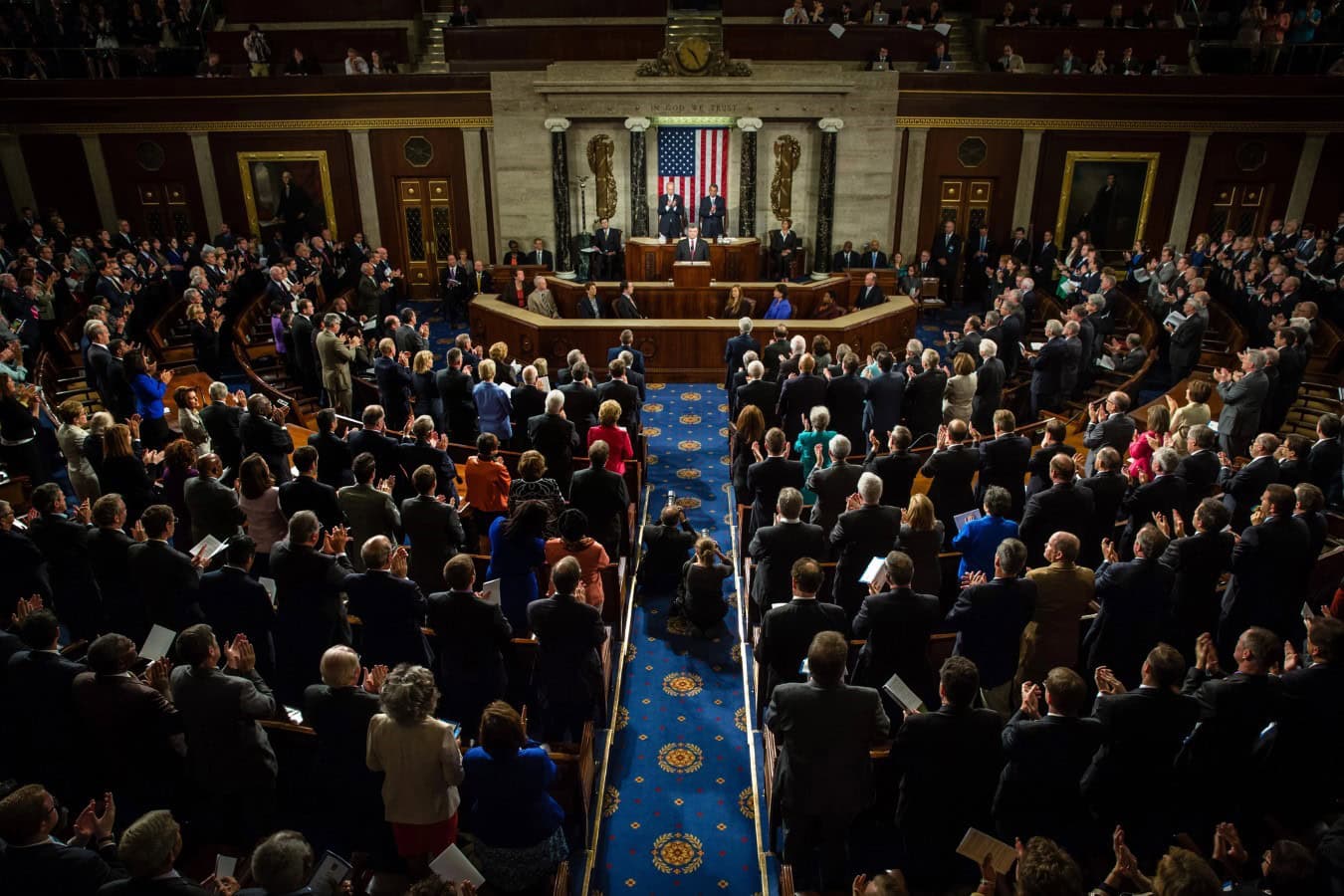
Democrats argue the bill fails the central test of reform: it allows members of Congress to keep existing stock holdings indefinitely. Lawmakers could continue owning shares in companies directly affected by legislation they vote on.
To Democrats, that alone disqualifies the bill from being called a ban at all.
AOC: ‘Written for the Wealthiest Members of Congress’
Representative Alexandria Ocasio-Cortez labeled the legislation a “scam,” arguing it was crafted to protect lawmakers with large portfolios rather than eliminate conflicts of interest.
Democratic Rep. Alexandria Ocasio-Cortez of New York said, “This bill is a scam. It is not a congressional stock trading ban. It is written precisely for the wealthiest members of Congress.”
The Divestment Line Republicans Won’t Cross
Republicans defend the decision to allow lawmakers to keep existing stocks, saying mandatory divestment would discourage successful professionals from serving in Congress.
Chairman Bryan Steil has framed the bill as preventing insider trading; not “making elected officials poor.”
The ‘Grandma Loophole’ and Family Trading Concerns

Democrats have also zeroed in on provisions allowing family members to trade stocks on behalf of others. While Republicans say it protects relatives whose jobs involve trading, Democrats warn it creates an obvious workaround.
Representative Joe Morelle memorably dubbed it a loophole “so big, you could fly a Qatari jet right through it.”
Selling Stocks With Advance Notice

The bill allows lawmakers to sell existing stocks as long as they provide seven to fourteen days’ notice. Democrats argue this does little to address conflicts driven by insider knowledge.
Supporters counter that disclosure requirements still add transparency and accountability.
Republicans Say Democrats Are Letting ‘Perfect’ Kill ‘Possible’
GOP backers argue Democrats are rejecting the bill because it doesn’t meet an idealized standard that can’t pass the House.
Steil has described Democratic opposition as a “Goldilocks argument”; too weak, too strong, never just right.
Democrats’ Vulnerability: They Didn’t Pass a Ban Either

Republicans and some centrists point out an uncomfortable fact for Democrats: when they controlled the House and Senate in recent years, they also failed to pass a stock-trading ban.
Despite public outrage and bipartisan interest, Democratic leadership never brought a comprehensive ban to the floor, fueling accusations of selective outrage now that Republicans control the chamber.
Nancy Pelosi’s Complicated Role
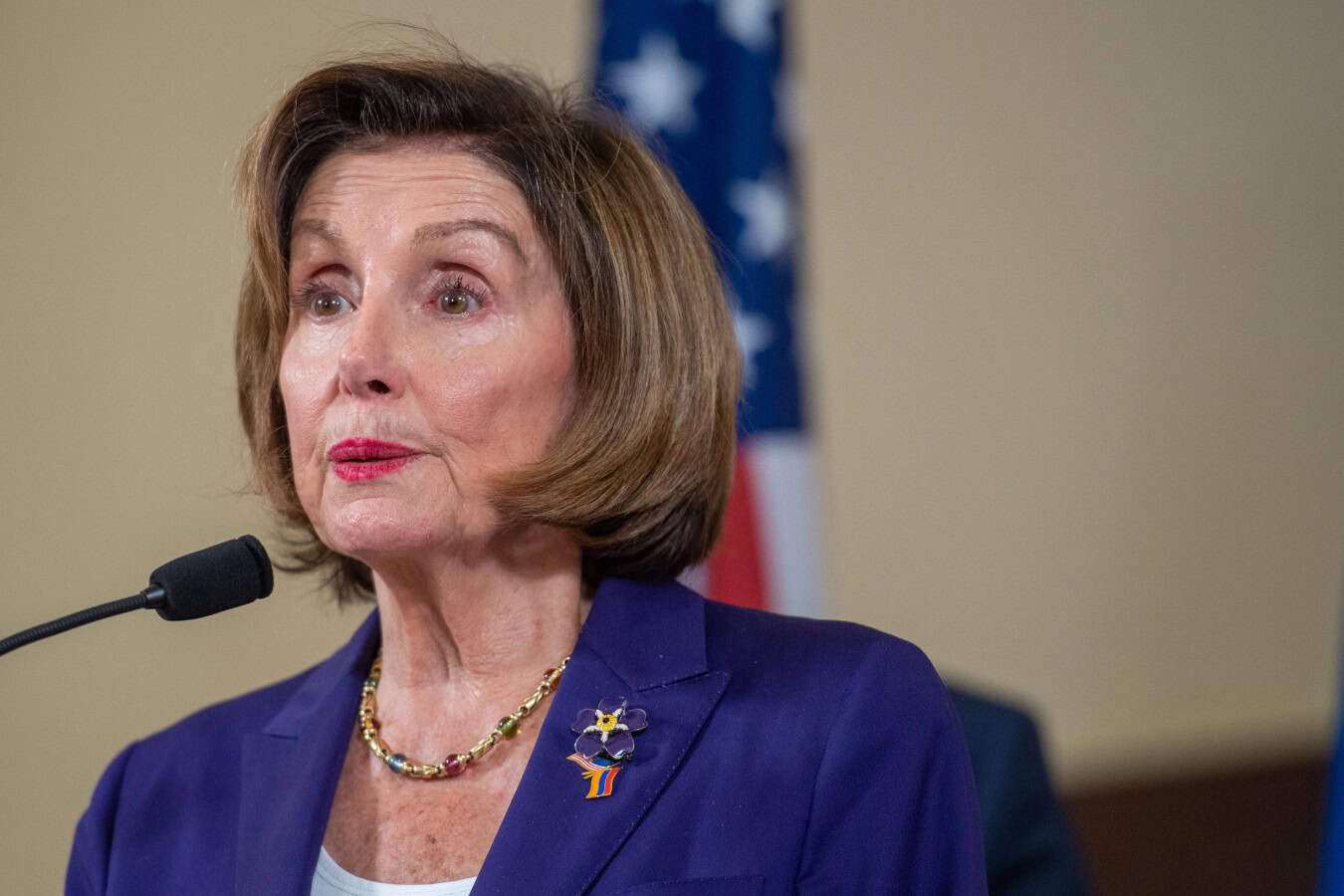
Former Speaker Nancy Pelosi became a symbol of the controversy after repeatedly defending lawmakers’ right to trade stocks, even as her husband made high-profile trades.
Pelosi later softened her position as public backlash grew, but critics argue her resistance helped stall reform when Democrats had the power to act; undercutting today’s claims of urgency.
A Bipartisan Idea Now Fracturing Along Party Lines
Banning congressional stock trading once united unlikely allies, from progressive Democrats to hard-right Republicans. Now, the issue is splintering, with competing bills, dueling discharge petitions, and growing mistrust on both sides.
Even some Democrats privately acknowledge frustration that years of bipartisan negotiations are unraveling.
What Happens Next; and Why Voters Are Still Angry

Democrats are preparing a discharge petition to force a vote on a tougher ban that could include the president and vice president. Republicans are betting their bill moves first.
For voters, the fight reinforces a familiar frustration: overwhelming public support for a stock-trading ban, endless debate in Washington, and no consensus on who’s really serious about ending the practice.
Whether the House passes a limited reform or nothing at all, the stock-trading debate is becoming less about ethics; and more about credibility.
Like Financial Freedom Countdown content? Be sure to follow us!
$774 Billion on Hand: Treasury Braces for Tariff Refunds as Supreme Court Weighs Trump’s Powers

U.S. Treasury Secretary Scott Bessent said the federal government has more than enough cash to cover any tariff refunds if the Supreme Court rules against President Donald Trump’s emergency tariffs. With roughly $774 billion on hand, Bessent stressed that refunds would not pose a liquidity problem, even if payouts stretch over months or more than a year.
$774 Billion on Hand: Treasury Braces for Tariff Refunds as Supreme Court Weighs Trump’s Powers
2026 State Tax Shake-Up: See How Your Income, Property, and Sales Taxes Will Change
As the calendar flips to 2026, taxpayers across the country will feel the impact of sweeping state tax changes. From income tax cuts and flat-tax expansions to corporate reforms, sales tax overhauls, and property tax relief, 43 states are implementing notable tax changes, most taking effect January 1, 2026. Together, they reveal a clear trend: states are competing harder than ever to attract workers, families, retirees, and businesses. Below are some of the significant changes.
2026 State Tax Shake-Up: See How Your Income, Property, and Sales Taxes Will Change

Did you find this article helpful? We’d love to hear your thoughts! Leave a comment with the box on the left-hand side of the screen and share your thoughts.
Also, do you want to stay up-to-date on our latest content?
1. Follow us by clicking the [+ Follow] button above,
2. Give the article a Thumbs Up on the top-left side of the screen.
3. And lastly, if you think this information would benefit your friends and family, don’t hesitate to share it with them!

John Dealbreuin came from a third world country to the US with only $1,000 not knowing anyone; guided by an immigrant dream. In 12 years, he achieved his retirement number.
He started Financial Freedom Countdown to help everyone think differently about their financial challenges and live their best lives. John resides in the San Francisco Bay Area enjoying nature trails and weight training.
Here are his recommended tools
Personal Capital: This is a free tool John uses to track his net worth on a regular basis and as a retirement planner. It also alerts him wrt hidden fees and has a budget tracker included.
Platforms like Yieldstreet provide investment options in art, legal, real estate, structured notes, venture capital, etc. They also have fixed-income portfolios spread across multiple asset classes with a single investment with low minimums of $10,000.