Bernie Sanders vows federal billionaire wealth tax after California rejects Prop. 40, exposing divide among Democrats
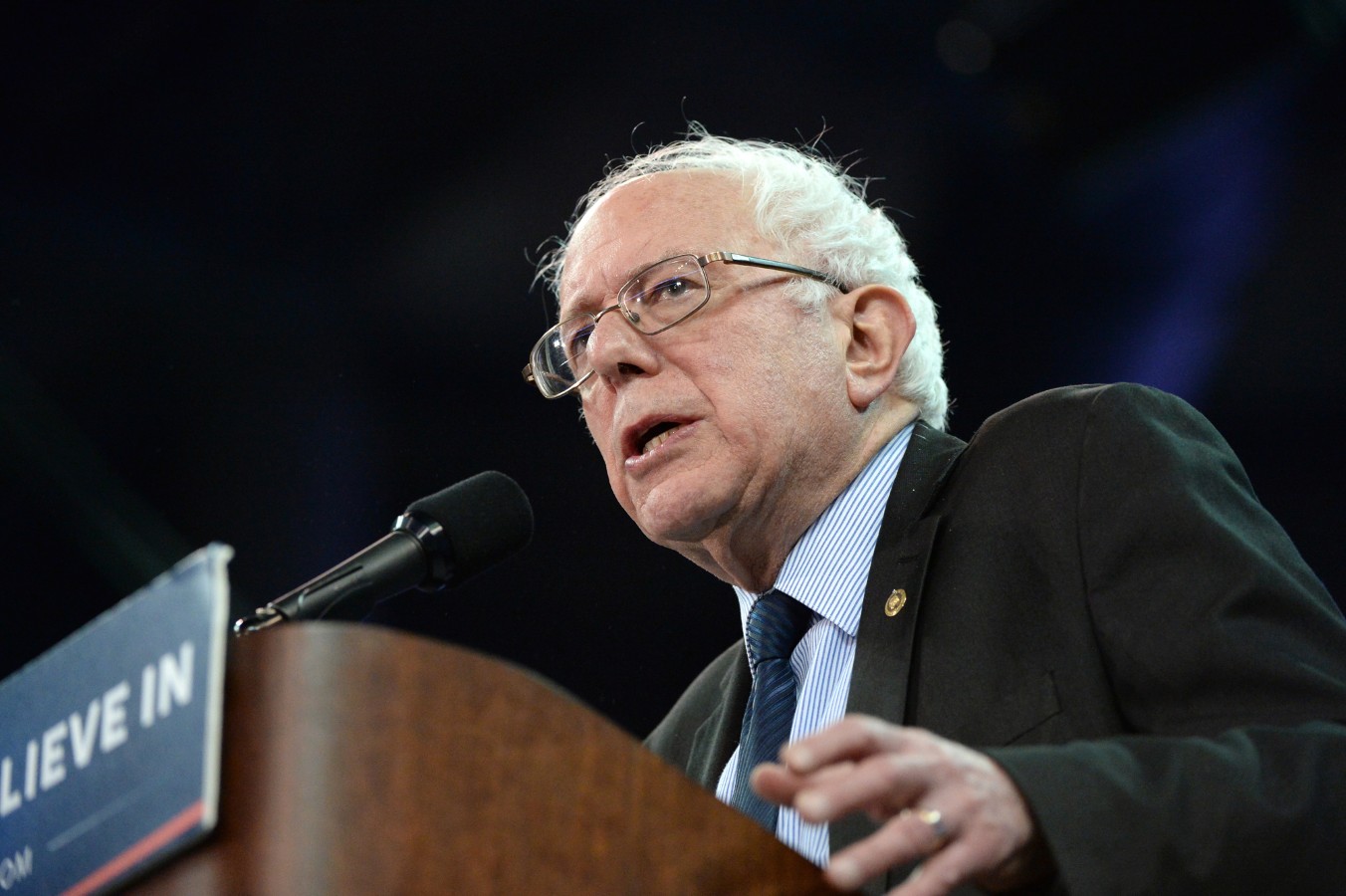
Bernie Sanders is taking California’s defeat of a proposed billionaire wealth tax as a reason to intensify his fight for a federal version, accusing wealthy opponents of using their financial power to defeat the ballot measure. After California voters rejected Proposition 40, which would have imposed a one-time 5% tax on the wealth of the state’s billionaires, the Vermont senator warned that opponents had won only a temporary victory.
“Oligarchs spent $425 million against California’s billionaire wealth tax—outraising supporters 250 to 1 on ads. The result: They got a “whopping” 52%.
I’ve got bad news for these Oligarchs. Your victory is fleeting. We will pass a federal billionaire wealth tax & end your greed.”
Sanders’ November 10 post on X comes after a contentious California campaign that exposed divisions within the Democratic Party. While Sanders, California Rep. Ro Khanna and the California Democratic Party supported the initiative, Gov. Gavin Newsom and Democratic gubernatorial candidate Xavier Becerra opposed it, warning that taxing billionaires at the state level could hurt California’s economy and drive wealthy residents elsewhere.
The defeat does not end the debate. Sanders and Khanna already have federal legislation proposing an annual 5% tax on billionaire wealth. With Democrats scoring sweeping victories in the 2026 midterms and gaining control of both chambers of Congress, the two progressives have an opportunity to push their economic agenda more aggressively. The disagreement over how to tax extreme wealth could also become an important issue in the party’s positioning ahead of the 2028 presidential election.
What California’s Proposition 40 would have done to billionaire wealth

Proposition 40 proposed a one-time 5% tax on the wealth of individuals who were California residents on January 1, 2026, and had covered assets valued above $1 billion. Unlike conventional income taxes, which apply to earnings, the proposal targeted accumulated wealth, including business interests, stocks, securities, artwork, collectibles and intellectual property.
Real estate, pensions and most retirement accounts generally would have been excluded. The tax would have been due in 2027, although qualifying taxpayers could spread payments over five years at an additional cost.
The measure was expected to affect roughly 200 California billionaires. Supporters estimated that it could generate approximately $100 billion, although the state’s nonpartisan Legislative Analyst’s Office offered a more cautious projection of tens of billions of dollars over several years.
Under the proposal, 90% of the proceeds would have been allocated to healthcare services. The remaining 10% would have supported education, food assistance and the administration of the tax. The initiative was designed in part to help California replace federal healthcare funding reductions that supporters feared would leave hospitals, clinics and low-income residents facing substantial financial pressure.
How Bernie Sanders became involved in a California ballot fight

Sanders is a U.S. senator from Vermont, not a California politician. He did not write Proposition 40 or organize the initiative’s campaign. The proposal was placed on the ballot through petition signatures, with SEIU-United Healthcare Workers West serving as its principal organizational backer.
Nevertheless, Sanders became one of the initiative’s most recognizable national supporters. California’s official voter information guide listed him among the supporters alongside SEIU-United Healthcare Workers West. Suzanne Jimenez, associated with the union’s campaign, was listed as the contact for the initiative.
Sanders’ involvement went beyond an endorsement. He traveled to California and participated in rallies in several cities during the campaign’s closing weeks, urging voters to approve the tax. He framed the measure as part of a larger effort to make billionaires contribute more toward public services rather than allowing their fortunes to grow while working families face rising healthcare costs.
His participation also gave the initiative a national political dimension. By bringing a prominent progressive senator into a California ballot campaign, supporters sought to demonstrate that taxing extreme wealth was not simply a state-level experiment but part of a broader economic agenda that could eventually reach Washington.
Why supporters believed the billionaire tax was necessary
The central argument behind Proposition 40 was that California’s wealthiest residents had accumulated enormous fortunes through investments and business ownership, while ordinary workers continued to pay taxes on their wages.
Supporters argued that conventional income taxation does not adequately capture the growing fortunes of billionaires whose wealth is concentrated in stocks, private companies and other assets. Those investments can appreciate substantially without generating taxable income until they are sold or otherwise realized.
The campaign maintained that approximately 200 California billionaires collectively held trillions of dollars in wealth. It argued that a one-time tax could help replace federal healthcare funding reductions and protect Medi-Cal, hospitals, clinics and other services.
The supporters’ argument was also political. They contended that federal reductions to healthcare and food assistance would place additional pressure on working families, while the wealthiest Americans had benefited from federal tax policies. In their view, asking billionaires to contribute a small percentage of their accumulated wealth was a reasonable way to protect essential services without imposing new taxes on middle-class households.
Why opponents warned the measure could hurt California
Opponents argued that Proposition 40 underestimated how wealthy individuals and businesses might respond to a substantial tax on accumulated assets.
California depends heavily on income taxes paid by its highest earners. If billionaires relocated or shifted their financial activities elsewhere, the state could lose recurring income tax revenue, potentially offsetting some of the temporary money collected through the wealth tax.
There was also a practical concern about taxing assets that do not necessarily generate cash. A billionaire whose fortune is primarily tied to privately held company shares could face a substantial tax obligation without having an equivalent amount of liquid money available. Meeting the obligation could require selling shares, reducing investments or restructuring ownership.
Opponents additionally questioned whether the proposed spending arrangements offered sufficient accountability. They argued that the measure concentrated most of its revenue on healthcare without providing a lasting solution to California’s long-term funding needs. They also raised concerns about asset valuations, potential tax avoidance and the possibility that future taxpayers could face additional costs.
The opposition was not limited to Republicans or billionaire-funded organizations. Several traditionally Democratic-aligned organizations, including healthcare providers, teachers’ groups and labor organizations, also raised concerns about the proposal’s economic and budgetary consequences.
Newsom and Becerra join Democratic opposition to Sanders-backed wealth tax
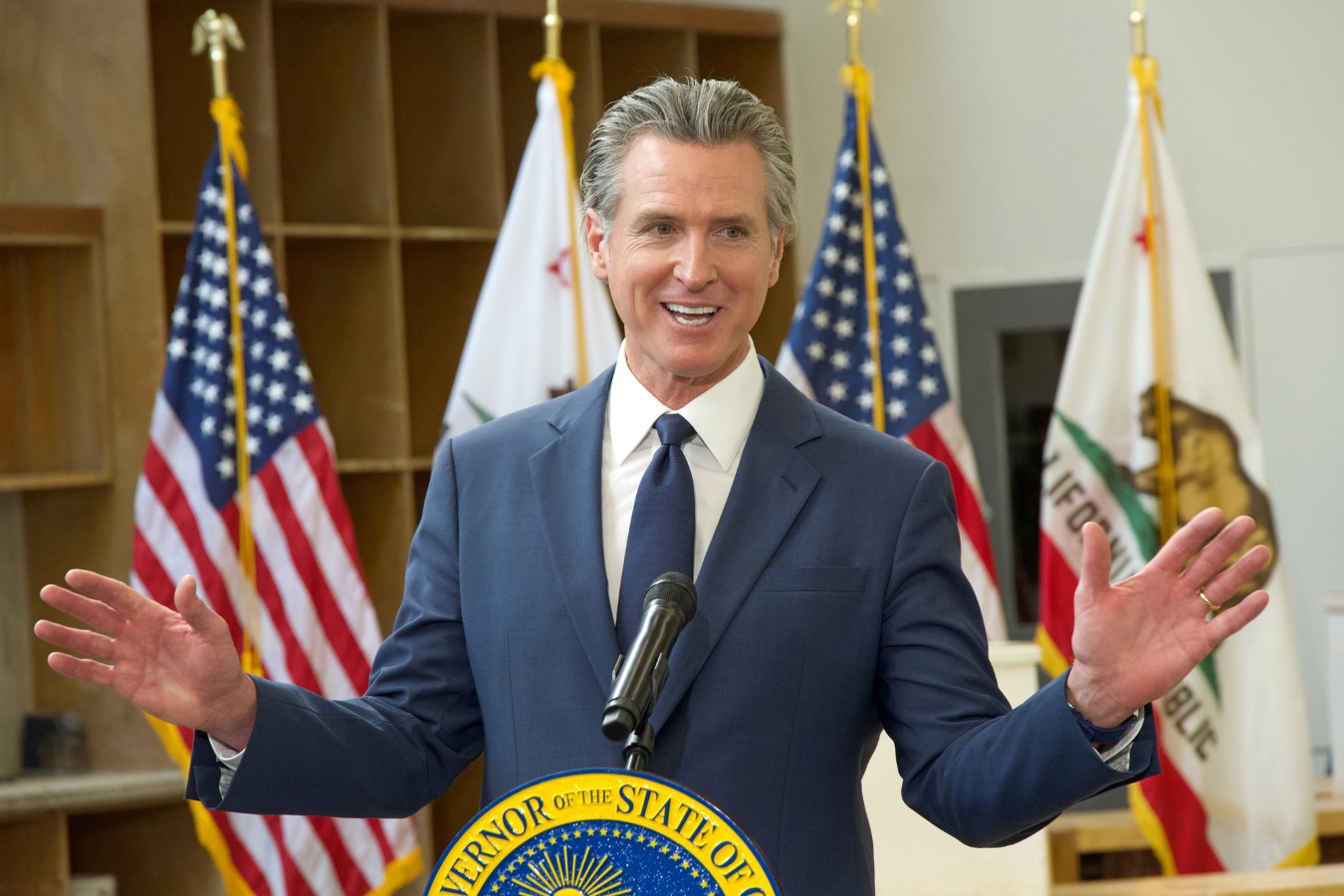
Proposition 40 exposed a significant divide among California Democrats, with some of the state’s most influential political figures opposing the measure despite support from Sanders, Rep. Ro Khanna and the California Democratic Party.
Gov. Gavin Newsom was among the most prominent opponents. He argued that imposing a wealth tax at the state level could encourage billionaires to relocate, potentially depriving California of recurring income tax revenue. His position was particularly notable because Newsom did not reject the broader idea of taxing extreme wealth. Instead, he favored a national approach that would avoid putting California at a competitive disadvantage against other states.
Xavier Becerra, the Democratic candidate for California governor and former U.S. Health and Human Services secretary, also opposed Proposition 40. His position put him on the same side of the ballot measure as Newsom, despite their shared Democratic affiliation.
Their opposition contrasted with the California Democratic Party, which narrowly endorsed Proposition 40. The disagreement also extended to organizations traditionally associated with Democratic causes. Planned Parenthood Affiliates of California, the California Teachers Association, the California Medical Association and other healthcare and labor organizations opposed the initiative.
The San Francisco Democratic Party also broke with the statewide party by opposing the measure. Its divisions illustrated the difficulty Democrats faced in reconciling their support for healthcare funding and economic equality with concerns about the consequences of taxing wealthy residents.
The disagreement was not necessarily over whether billionaires should pay more. Newsom has supported a national minimum tax on individuals with net worth above $100 million. His argument was that a federal approach would be more effective than a state tax that could encourage wealthy individuals to move their assets or residency elsewhere.
For Sanders and Khanna, however, opposing the California measure meant rejecting an immediate opportunity to raise money for healthcare. The two sides therefore disagreed over both the design of the tax and the level of government best positioned to impose it.
California voters reject Proposition 40 despite massive opposition spending
California voters ultimately rejected Proposition 40, giving opponents a decisive victory. The measure received approximately 47.2% support, while 52.7% voted against it. The Associated Press called the race for the opposition on November 9.
Sanders interpreted the result as evidence of the influence of wealthy donors rather than a rejection of the underlying principle of taxing billionaires. His reference to $425 million in opposition advertising and a 250-to-1 spending advantage was intended to highlight the financial imbalance between the two campaigns.
There is an important distinction between Sanders’ advertising-spending claim and reported campaign fundraising. The Associated Press reported that the opposition raised roughly 10 times as much as supporters. The principal opposition committee, Building a Better California, raised more than $333 million, with Google co-founder Sergey Brin contributing more than $100 million.
Those reported fundraising figures should not be confused with Sanders’ separate $425 million advertising-spending claim. They measure different aspects of the campaign.
The result nevertheless demonstrated that even a campaign backed by Sanders, labor unions and progressive organizations could not overcome concerns about economic competitiveness, tax policy and California’s dependence on wealthy taxpayers.
Supporters did not concede that the broader argument had been settled. SEIU-United Healthcare Workers West and other proponents indicated that they could return to the issue in 2028 if California’s healthcare funding problems remained unresolved.
Proposition 42 creates another obstacle for future California wealth taxes
The defeat of Proposition 40 was accompanied by another important development. California voters approved Proposition 42, a separate constitutional amendment prohibiting new state taxes on personal property and certain retroactive state taxes.
Personal property under the measure includes financial assets and other things people own apart from real estate. Its provisions therefore have implications for future attempts to impose taxes on stocks, business interests and other accumulated financial assets.
Proposition 42 was closely connected to the fight over Proposition 40. Its passage was intended to prevent the state from imposing a new tax on the ownership of personal property, effectively creating a substantial constitutional obstacle for future wealth-tax proposals structured in a similar way.
However, it is important not to interpret Proposition 42 as a prohibition on every possible tax targeting wealthy individuals. Its actual language concerns new state taxes on personal property and certain retroactive taxes. The legal implications for a differently structured proposal would depend on its design and interpretation.
The passage of Proposition 42 gives opponents more than a victory over one ballot initiative. It makes the path toward another California billionaire wealth tax considerably more complicated, potentially strengthening the argument among progressives that a federal approach is necessary.
Sanders and Khanna already have a federal billionaire tax proposal
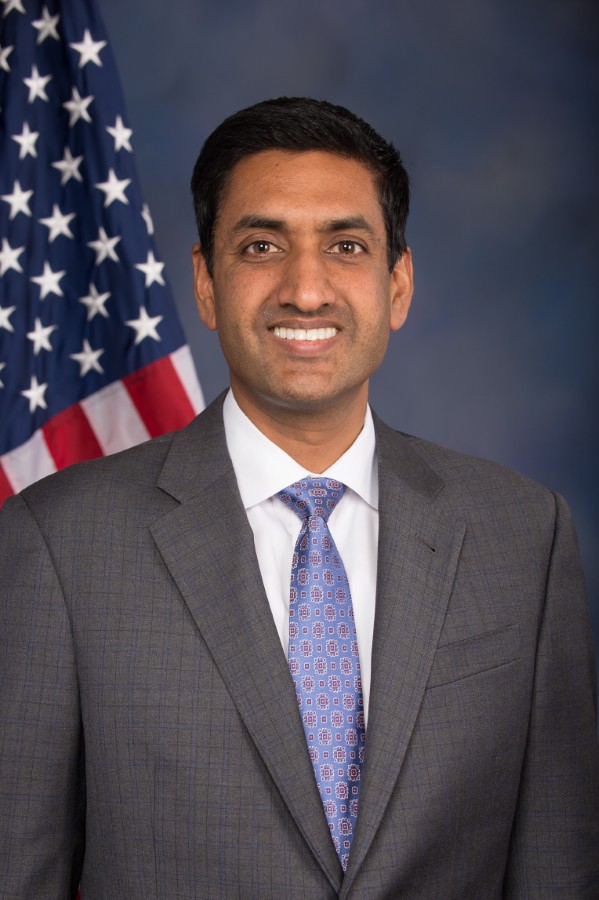
Sanders’ promise to pass a federal billionaire wealth tax is not merely a reaction to California’s election results. He and Khanna introduced legislation in March 2026 that would take the same general idea to the national level.
The Make Billionaires Pay Their Fair Share Act, introduced as S. 3956, proposes an annual 5% wealth tax on the 938 billionaires in the United States. According to the lawmakers’ announcement, the proposal could raise an estimated $4.4 trillion over 10 years.
The legislation would also provide a $3,000 direct payment to every individual in households earning $150,000 or less during its first year. The remaining proposed revenue would help fund several priorities, including:
Reversing federal Medicaid and Affordable Care Act funding reductions.
Expanding Medicare coverage to include dental, vision and hearing services.
Building, rehabilitating and preserving more than seven million affordable homes.
Limiting childcare expenses to 7% of family income.
Establishing a $60,000 minimum annual salary for public school teachers.
Expanding Medicaid home healthcare for seniors and people with disabilities.
The proposal would apply only to billionaires, with individuals whose net worth is below $1 billion excluded from the new tax.
Khanna’s role is particularly important because he represents California’s Silicon Valley region, where many of the technology executives and investors affected by wealth taxation have built their fortunes. His partnership with Sanders also demonstrates that the initiative is not simply a Vermont senator’s political campaign but an effort with congressional backing.
The bill was referred to the Senate Finance Committee after its introduction. It has not yet advanced to a Senate vote, and passage would require overcoming substantial political and legislative obstacles.
A federal tax could reduce the incentive for billionaires to move from one state to another simply to avoid a particular state’s wealth tax. However, wealthy individuals could still consider relocating internationally, shifting assets or restructuring their holdings.
Europe’s retreat from wealth taxes offers ammunition to critics

The experience of European countries provides an important warning for proponents of wealth taxation. Several governments experimented with annual taxes on accumulated personal wealth but eventually abandoned them after encountering problems involving revenue collection, capital flight, administrative costs and economic competitiveness.
According to the Organisation for Economic Co-operation and Development, 12 member countries imposed individual net wealth taxes in 1990. By 2017, that number had fallen to four.
Among the countries that abandoned their taxes were Austria, which repealed its wealth tax in 1994; Denmark in 1997; Germany in 1997; the Netherlands in 2001; Finland, Iceland and Luxembourg in 2006; and Sweden in 2007.
France also provides a notable example. In 2018, it replaced its broad net wealth tax with a narrower tax focused on real estate wealth, excluding most financial and movable assets.
The reasons varied by country, but recurring problems included wealthy individuals moving assets or relocating abroad, difficulties valuing privately held businesses and other assets, and the administrative expense of collecting relatively modest amounts of revenue.
The OECD identified capital flight, tax avoidance and evasion, narrow tax bases, and high administrative and compliance costs as major reasons governments abandoned wealth taxes.
However, the European experience does not establish that every wealth tax must fail. Spain reinstated its wealth tax after temporarily reducing liabilities to zero, while Switzerland has continued to collect wealth taxes and has historically generated higher revenues from them than many other countries.
The lesson for American policymakers is that the design of a wealth tax matters. Tax rates, exemptions, asset valuations, enforcement and the ability of wealthy taxpayers to relocate can all determine whether a proposal produces meaningful public revenue or creates unintended economic consequences.
The economic case against taxing billionaire wealth remains unresolved
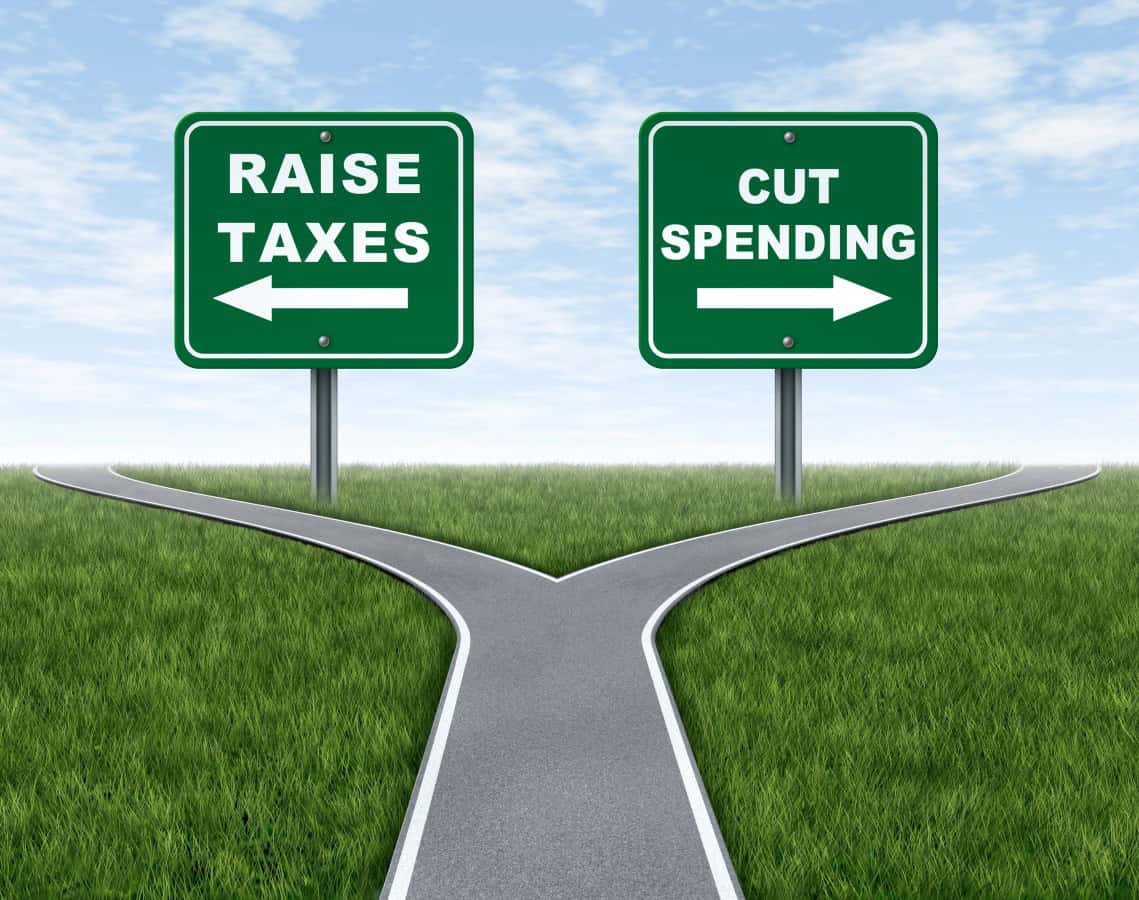
Beyond the European experience, opponents of Sanders’ approach argue that an annual wealth tax could create economic distortions even when it applies only to billionaires.
One major concern involves asset valuation. Publicly traded shares have observable market prices, but privately held businesses, intellectual property and other investments can be difficult to value accurately. A recurring tax would require the government to establish taxable values even when an asset has not been sold.
Liquidity is another concern. A business owner might have a multibillion-dollar net worth but relatively little cash available to pay an annual tax. Meeting the obligation could require selling shares, reducing investments or taking on debt.
Critics also argue that wealthy individuals can respond by moving their assets abroad, changing residency or restructuring ownership. If enough taxpayers do so, governments could collect less than initially projected.
The California Legislative Analyst’s Office specifically warned that billionaire departures or other responses could reduce recurring state income tax collections by less than $1 billion annually. It also estimated that administering Proposition 40 could cost tens of millions of dollars per year for several years.
Supporters counter that these challenges are not insurmountable. They argue that stronger enforcement, international cooperation, better asset valuation rules and restrictions on avoidance could make a wealth tax more effective.
The disagreement is therefore not simply about whether billionaires should contribute more. It is about whether governments can design a tax that captures accumulated wealth without creating unintended economic consequences that undermine its original purpose.
Democratic midterm gains could energize Sanders’ fight ahead of 2028
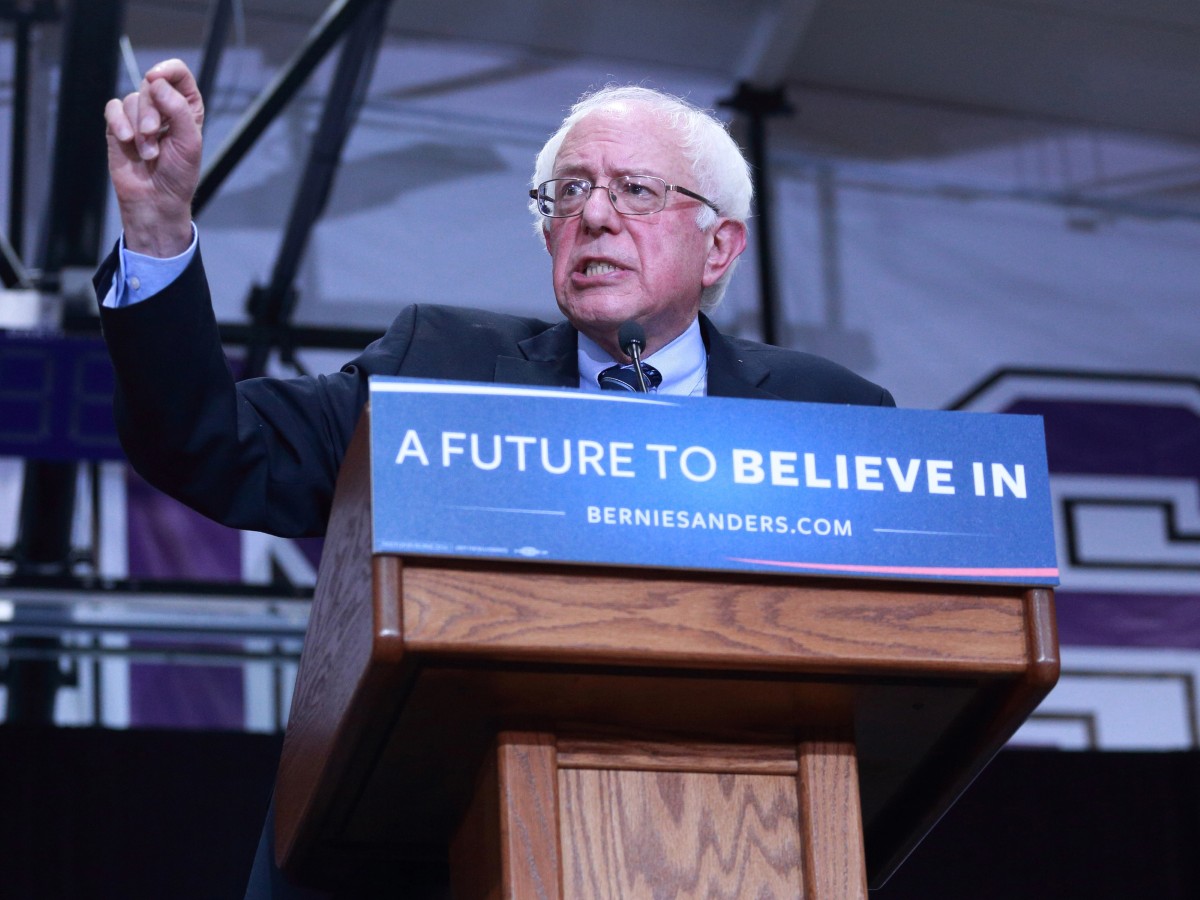
Sanders’ response to Proposition 40 suggests that he sees the California campaign as a starting point for a larger political fight.
The timing matters. Democrats scored sweeping victories in the 2026 midterms, winning control of both the House and Senate and ending unified Republican control of Congress. The results have given progressive lawmakers renewed momentum to push economic inequality, healthcare affordability and taxation of the wealthy higher on the national agenda.
For Sanders, the California defeat could become an argument for why the federal government, rather than individual states, should take the lead in taxing billionaire wealth. His partnership with Khanna gives him an existing legislative proposal to promote, while the California campaign provides a recent example of the political and economic obstacles facing state-level efforts.
The issue could also become an important dividing line among potential Democratic presidential contenders ahead of the 2028 election.
Newsom, who has been discussed as a potential presidential candidate, opposed Proposition 40 while supporting a national minimum tax on individuals with net worth above $100 million. His position offers a different approach from Sanders’ proposed annual 5% tax on billionaires.
The California campaign has already reached beyond the state. Supporters of Proposition 40 ran advertisements in early Democratic presidential primary states criticizing Newsom for opposing the initiative, according to the Associated Press. That suggests the disagreement could become part of the national debate over which economic policies Democrats should embrace.
For Khanna, the issue also offers an opportunity to strengthen his position as a progressive voice in the party while challenging the influence of Silicon Valley’s wealthiest executives.
The central question heading toward 2028 may not simply be whether billionaires should pay more taxes, but how far Democrats are willing to go to make that happen. Sanders is making clear that he does not intend to abandon the fight because California voters rejected one proposal. Instead, he wants to turn that defeat into a national campaign.
Like Financial Freedom Countdown content? Be sure to follow us!

Did you find this article helpful? We’d love to hear your thoughts! Leave a comment with the box on the left-hand side of the screen and share your thoughts.
Also, do you want to stay up-to-date on our latest content?
1. Follow us by clicking the [+ Follow] button above,
2. Give the article a Thumbs Up on the top-left side of the screen.
3. And lastly, if you think this information would benefit your friends and family, don’t hesitate to share it with them!

John Dealbreuin came from a third world country to the US with only $1,000 not knowing anyone; guided by an immigrant dream. In 12 years, he achieved his retirement number.
He started Financial Freedom Countdown to help everyone think differently about their financial challenges and live their best lives. John resides in the San Francisco Bay Area enjoying nature trails and weight training.
Here are his recommended tools
Personal Capital: This is a free tool John uses to track his net worth on a regular basis and as a retirement planner. It also alerts him wrt hidden fees and has a budget tracker included.
Platforms like Yieldstreet provide investment options in art, legal, real estate, structured notes, venture capital, etc. They also have fixed-income portfolios spread across multiple asset classes with a single investment with low minimums of $10,000.