Bernie Sanders says Democrats can bypass Senate filibuster to lower Medicare age to 55 and expand coverage
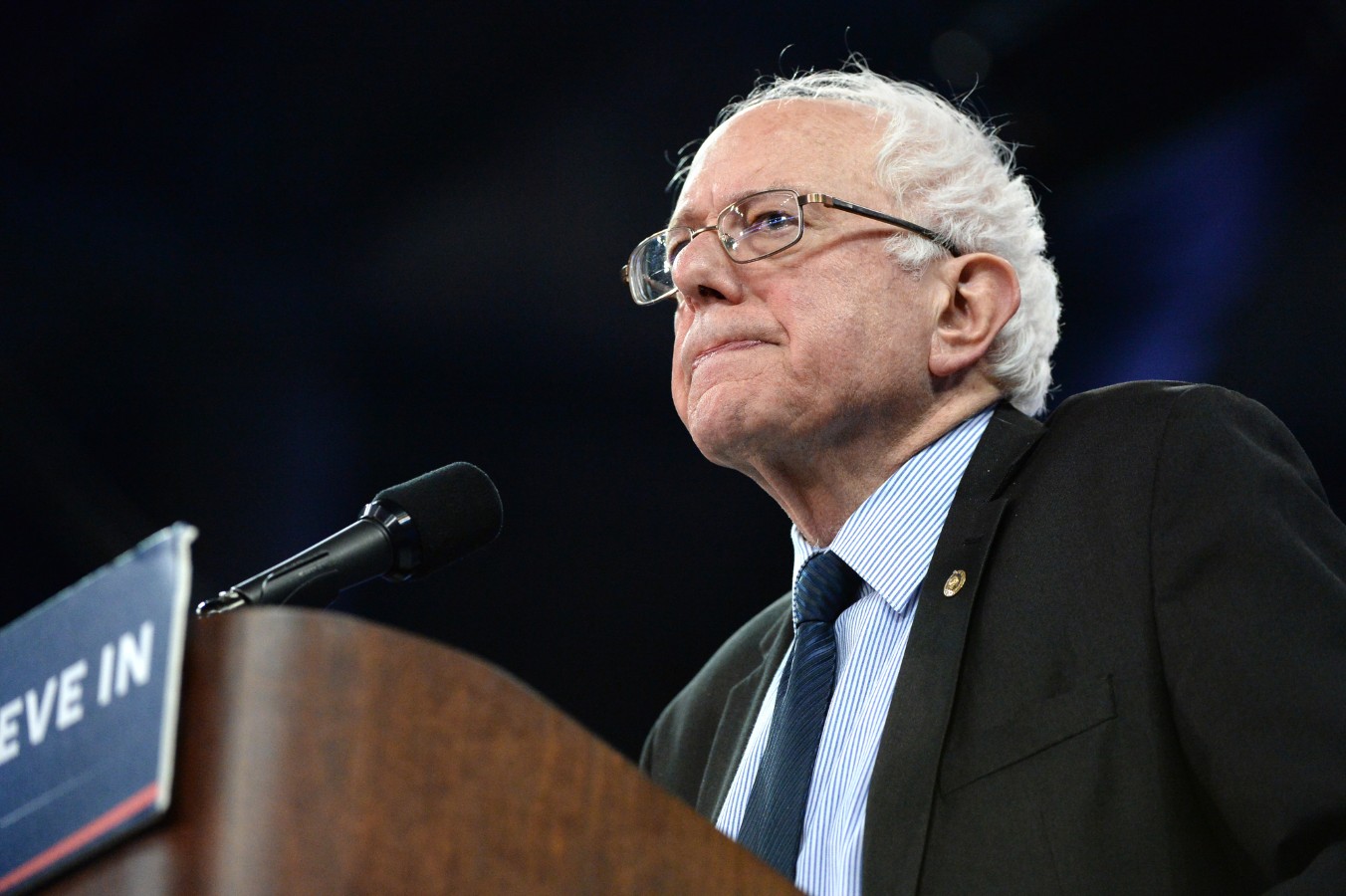
Sen. Bernie Sanders is proposing a way for Democrats to expand Medicare without needing Republican support to overcome a Senate filibuster. He wants the new Democratic Congress to lower Medicare eligibility from 65 to 55, guarantee health coverage for every child and add dental, vision and hearing benefits. Sanders says Democrats could pass the package with 51 Senate votes through budget reconciliation, a procedure that allows qualifying budget legislation to bypass the chamber’s usual 60-vote filibuster threshold.
In a November 8 post on X, Sanders wrote:
“As an immediate first step to Medicare for All, the new Democratic Congress must lower the Medicare eligibility age to 55, cover all kids & expand Medicare for dental, vision & hearing.
All of this can be passed with 51 votes in the Senate through reconciliation. Let’s do it.”
The proposal would expand federal health coverage without immediately replacing employer-sponsored insurance or requiring Americans to abandon their existing private coverage. But while reconciliation could offer Democrats a way around Republican opposition in the Senate, the strategy faces procedural, financial and political obstacles.
The proposal would represent a substantial expansion of federal health coverage without immediately replacing the employer-sponsored and private insurance systems with a single-payer program. It would also give Democrats a more incremental legislative path toward Sanders’ longstanding Medicare for All objective.
Sanders wants Medicare eligibility to start at 55 instead of 65

Under current law, Medicare generally provides health insurance to Americans age 65 and older, although people younger than 65 can qualify through certain disabilities, end-stage renal disease or amyotrophic lateral sclerosis.
Sanders wants to lower the general eligibility threshold by 10 years, allowing Americans to enroll beginning at age 55.
That change would extend the federal health insurance program to millions of people who currently rely on employer-sponsored coverage, individual insurance policies or other public programs. It could be particularly significant for workers in their late 50s and early 60s who have lost employer-sponsored insurance, retired before becoming eligible for Medicare or struggle to afford coverage in the individual insurance market.
The proposal could also give older workers more flexibility when deciding whether to remain employed primarily to retain health insurance.
However, lowering the eligibility age would not automatically mean that Medicare becomes free. Sanders’ post does not specify whether newly eligible beneficiaries would pay the same premiums, deductibles and cost-sharing requirements as existing enrollees or receive additional financial assistance.
Those details would have a substantial impact on how attractive the expanded program would be and how much it would cost the federal government.
Covering all children would expand Medicare beyond its traditional population

Sanders is also proposing universal health coverage for children, regardless of their household income or employment circumstances.
The idea would extend Medicare’s reach beyond older Americans and people with qualifying disabilities, establishing a federal coverage guarantee for children.
The United States already has public health insurance programs for children, primarily Medicaid and the Children’s Health Insurance Program (CHIP). However, eligibility depends on income, household circumstances and state-specific rules. Children from families that earn too much to qualify for Medicaid or CHIP may still face difficulties obtaining affordable coverage.
According to the Kaiser Family Foundation, the uninsured rate among children ages 18 and younger increased from 5.3% in 2023 to 5.9% in 2024. The increase coincided with a decline in children’s Medicaid coverage.
Sanders’ proposal would seek to eliminate those coverage gaps by extending health insurance to every child rather than relying on income-based eligibility.
His broader Medicare for All framework has previously included coverage for children under 18. In his November 8 proposal, however, he did not specify an age limit, enrollment structure or how the expanded program would interact with existing Medicaid and CHIP coverage.
Universal coverage would also require decisions about which services would be included, how pediatric providers would be reimbursed and whether families could continue using private insurance alongside the federal program.
Dental coverage would address a major gap in traditional Medicare

One of the most significant elements of Sanders’ proposal is adding comprehensive dental coverage to Medicare.
Original Medicare generally does not cover routine dental services such as cleanings, fillings, tooth extractions, dentures and dental implants. Coverage is available in certain circumstances when dental treatment is closely connected to other covered medical procedures, but beneficiaries often have to pay for ordinary dental care themselves.
This can create substantial expenses for retirees and people with disabilities, particularly those who need extensive dental work.
Sanders has previously argued that dental care should be treated as an essential component of health coverage rather than an optional service.
Vision and hearing benefits would expand what Medicare currently covers

Sanders also wants Medicare to provide more comprehensive vision and hearing coverage.
Under Original Medicare, routine eye examinations for eyeglasses or contact lenses generally are not covered. Medicare does cover certain medically necessary eye services, including examinations for diabetic retinopathy and some treatment for eye diseases.
Hearing coverage has similar limitations. Medicare Part B covers certain diagnostic hearing and balance examinations when medically necessary, but Original Medicare generally does not pay for hearing aids or the examinations required to fit them.
These exclusions can leave older Americans facing significant out-of-pocket expenses as they age.
Some Medicare Advantage plans already offer additional dental, vision and hearing benefits. However, coverage varies by plan, and beneficiaries may face restrictions involving providers, networks and covered services.
Sanders’ proposal would expand these benefits within Medicare itself rather than leaving beneficiaries to depend on supplemental private plan offerings.
He has also pursued the issue legislatively. In March 2025, he introduced the Medicare Dental, Hearing, and Vision Expansion Act of 2025 (S. 939), alongside several Democratic cosponsors, including Elizabeth Warren, Cory Booker and Tammy Duckworth.
The legislation would expand Medicare to cover dental and oral health services, hearing care and vision care. It was referred to the Senate Finance Committee.
The new proposal would incorporate that broader benefit-expansion objective into a larger Medicare package that also lowers the eligibility age and provides coverage for children.
The proposal would move Medicare closer to Sanders’ Medicare for All vision
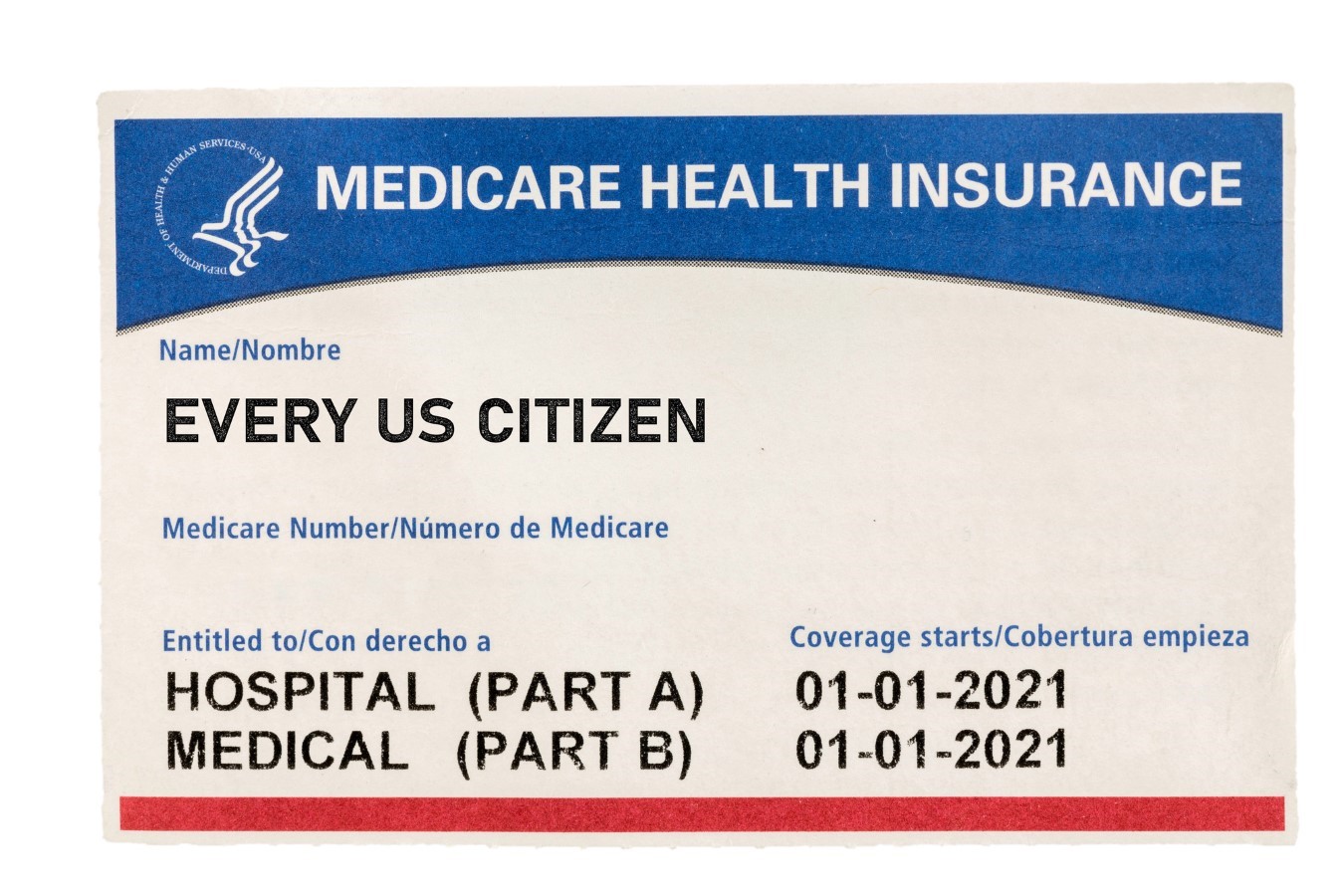
Sanders is presenting the four-part expansion as an immediate step toward Medicare for All, rather than a replacement for the entire health insurance system in one legislative effort.
His broader Medicare for All legislation, introduced in 2025 as S. 1506, would establish a national health insurance program covering Americans through a more comprehensive federal system. The legislation was introduced with support from several Democratic senators, including Elizabeth Warren, Cory Booker, Tammy Baldwin and Jeff Merkley.
Sanders has previously advocated a phased transition. Under the framework he outlined in an earlier Senate proposal, Medicare eligibility would initially fall to 55, then gradually extend to younger age groups until all Americans were covered.
The distinction matters politically. Lowering the eligibility age and adding benefits could be presented as targeted improvements to an existing program, potentially attracting voters who support broader health coverage but are not ready to replace private insurance altogether.
It would also leave employer-sponsored insurance and other private coverage arrangements in place unless Congress separately changed those systems.
How Sanders says Democrats could bypass the Senate filibuster with 51 votes

Sanders’ legislative strategy is central to his proposal. Rather than trying to secure the 60 Senate votes normally needed to overcome a filibuster, he wants Democrats to use budget reconciliation, a special congressional procedure that allows qualifying legislation to pass with a simple majority.
Under reconciliation, Democrats could potentially advance the Medicare expansion with 51 votes, assuming all 100 Senate seats are occupied, or 50 votes with the vice president breaking a tie.
The process begins with Congress adopting a budget resolution containing instructions for relevant committees to develop legislation affecting federal spending, revenue or the debt limit. The resulting legislation must comply with Senate reconciliation rules.
The most significant restriction is the Byrd Rule, which allows senators to challenge provisions considered extraneous to the budgetary objectives of a reconciliation bill. Provisions whose budgetary effects are considered merely incidental to their broader policy objectives can be removed.
There is another important limitation involving long-term costs. A reconciliation bill generally cannot increase the federal deficit beyond the applicable budget window unless it meets specific requirements. A permanent expansion of Medicare would therefore need to address its future financing rather than simply rely on temporary budgetary savings.
The Congressional Research Service explains these restrictions in its report, The Reconciliation Process: Frequently Asked Questions.
Reconciliation has previously been used to change federal healthcare programs, including Medicare, Medicaid and the Children’s Health Insurance Program. However, that history does not guarantee that every part of Sanders’ proposed expansion would qualify.
The Senate parliamentarian would play an important role in determining whether the specific provisions could survive procedural challenges. Sanders’ 51-vote strategy is therefore a proposed legislative path, not a guarantee that the entire package could pass unchanged.
A 51-vote Senate victory would not guarantee the proposal becomes law

Even if Democrats successfully use reconciliation to bypass the Senate filibuster, they would still need to pass the legislation through Congress and obtain the president’s signature.
That creates another political obstacle. President Donald Trump remains in the White House, and a Democratic-controlled Congress would not automatically have the votes to override a presidential veto. Overriding a veto generally requires a two-thirds majority in both the House and Senate.
Sanders has acknowledged that possibility, but he has argued that Democrats should pursue their healthcare priorities regardless of whether Trump supports them. If the president rejects the legislation, Democrats could use the resulting political confrontation to put pressure on Republicans.
The distinction is important: reconciliation could eliminate the need for Republican support to overcome a Senate filibuster, but it cannot eliminate the president’s constitutional veto power.
Consequently, Sanders’ strategy could give Democrats a procedural route to pass the Medicare expansion through the Senate without Republican votes. It would not guarantee that the legislation reaches the president’s desk or becomes law.
In another post on X, Senator Sanders said “Let’s pass the damn bill. If Donald Trump wants to veto Medicare for All and defend our broken healthcare system and Republicans want to sustain that veto, then the American people will know exactly who is standing in the way of real change.”
The cost of expanding Medicare could become a major congressional fight

One of the biggest unanswered questions is how much Sanders’ proposal on X would cost.
Lowering Medicare eligibility from 65 to 55 would bring a substantial new population into the federal insurance program. Covering all children would add another large group of beneficiaries, while dental, vision and hearing coverage would increase the range of services Medicare finances.
The ultimate price tag would depend on several factors, including enrollment rates, premiums, provider reimbursement rates, benefit limits and how much of the cost the federal government would assume.
There could also be savings. Some Americans who move into Medicare coverage might otherwise receive subsidized insurance through the Affordable Care Act marketplace or other public programs. Others could transition away from employer-sponsored coverage.
However, those potential savings would not automatically offset the additional federal spending.
Sanders has not released a comprehensive cost estimate for the four-part proposal in his November 8 post. Nor has he identified a specific financing mechanism or explained whether the expanded benefits would require higher payroll taxes, additional federal revenue or other funding arrangements.
That distinction is important because the proposal should not be confused with a fully costed Medicare for All financing plan.
His broader Medicare for All legislation has contemplated a different financing structure involving federal revenue, but the immediate expansion proposal does not spell out how Congress would pay for its additional commitments.
Without a detailed budget estimate, lawmakers and voters cannot yet determine the potential effect on the federal deficit, Medicare financing or taxpayers.
Republicans have already opposed expanding Medicare benefits

Even if Democrats can use reconciliation, the proposal would face a difficult political environment.
Republicans have generally opposed major expansions of federal healthcare spending, and the addition of dental, vision and hearing benefits has already encountered resistance in the Senate.
On July 1, 2025, Sanders offered an amendment to legislation that would have cut Medicare prescription drug prices and expanded the program to cover dental, vision and hearing services.
The amendment received 47 votes in favor and 53 against, falling short of the 60-vote threshold required for adoption.
The official Senate roll-call record shows that all 47 supporting senators voted in favor, while 53 opposed it.
That vote provides a concrete indication of the political divisions surrounding Medicare benefit expansion.
Reconciliation could change the voting threshold, but it would not eliminate disagreements within the Democratic Party itself.
Some moderate Democrats could object to the cost, the potential effect on private insurance or the financial implications for Medicare. Others could insist that the legislation prioritize preserving existing coverage and reducing healthcare costs rather than expanding eligibility.
Sanders would need to maintain near-unanimous Democratic support in a closely divided Senate to advance the package through reconciliation.
The proposal could give Democrats a healthcare agenda for the next Congress
Sanders’ message is also a political challenge to Democrats as they prepare for the next congressional session.
Rather than limiting their healthcare agenda to protecting existing Affordable Care Act coverage or reversing Republican healthcare policies, he wants Democrats to pursue a more ambitious expansion of federal insurance.
His proposal would offer several tangible benefits that could resonate with different groups of voters: Medicare access for Americans approaching retirement, universal coverage for children and additional benefits for seniors already enrolled in the program.
It could also appeal to younger families concerned about healthcare affordability and older workers who face rising insurance costs before reaching Medicare eligibility.
The political difficulty is that Democrats would have to agree not only on the objectives but also on the financing and implementation.
There is a difference between supporting dental coverage or lowering the Medicare eligibility age individually and agreeing to finance all four changes through one legislative package.
The party would also have to determine whether reconciliation is the best vehicle or whether individual components should advance through separate legislation.
For Sanders, however, the proposal offers a way to keep Medicare for All at the center of the Democratic healthcare debate while pursuing changes that could be enacted sooner than a complete overhaul of the insurance system.
Sanders’ Medicare expansion could become a test of Democratic priorities
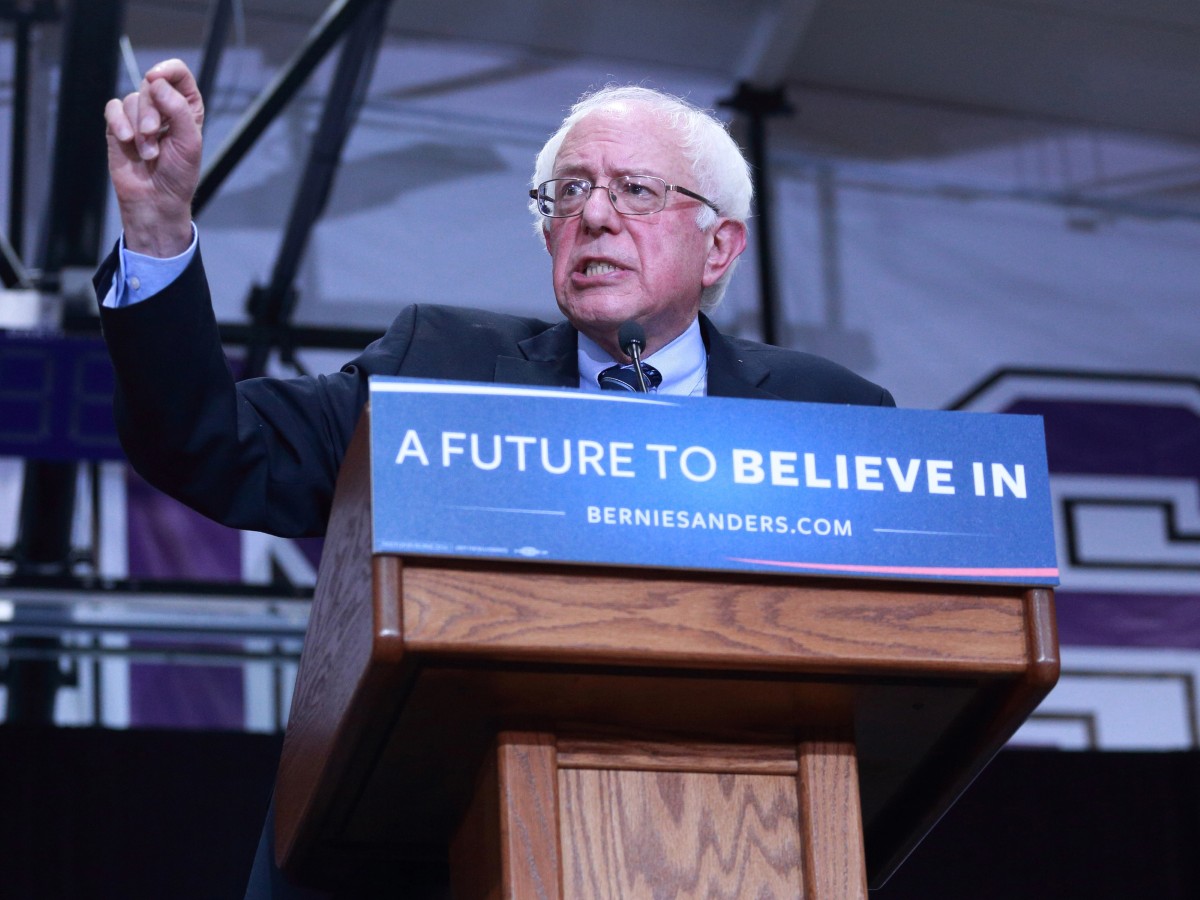
The proposal sets up a broader question about what Democrats want to accomplish with their congressional majority.
Sanders is arguing that Democrats should use their legislative power to expand an existing federal healthcare program rather than settle for defending the current system.
His four priorities are straightforward: Medicare eligibility at 55, health coverage for all children, and dental, vision and hearing benefits for Medicare beneficiaries.
But the details will determine whether the proposal becomes a viable legislative agenda or remains a political declaration.
Congress would need to establish the eligibility and enrollment rules, determine how existing insurance programs would interact with the expansion, calculate the federal cost and identify sustainable financing.
Democrats would also need to determine whether all the provisions can survive the reconciliation process and secure enough votes within their own caucus.
Sanders’ November 8 message therefore represents more than another call for Medicare for All. It is an attempt to put a specific, incremental healthcare expansion before the next Democratic Congress and challenge party leaders to demonstrate that they are willing to pursue it.
Like Financial Freedom Countdown content? Be sure to follow us!

Did you find this article helpful? We’d love to hear your thoughts! Leave a comment with the box on the left-hand side of the screen and share your thoughts.
Also, do you want to stay up-to-date on our latest content?
1. Follow us by clicking the [+ Follow] button above,
2. Give the article a Thumbs Up on the top-left side of the screen.
3. And lastly, if you think this information would benefit your friends and family, don’t hesitate to share it with them!

John Dealbreuin came from a third world country to the US with only $1,000 not knowing anyone; guided by an immigrant dream. In 12 years, he achieved his retirement number.
He started Financial Freedom Countdown to help everyone think differently about their financial challenges and live their best lives. John resides in the San Francisco Bay Area enjoying nature trails and weight training.
Here are his recommended tools
Personal Capital: This is a free tool John uses to track his net worth on a regular basis and as a retirement planner. It also alerts him wrt hidden fees and has a budget tracker included.
Platforms like Yieldstreet provide investment options in art, legal, real estate, structured notes, venture capital, etc. They also have fixed-income portfolios spread across multiple asset classes with a single investment with low minimums of $10,000.