Congress introduces new tariff rebate checks worth up to $2,400 as costs hit U.S. households

A fresh push in Congress is reviving the idea of “tariff rebates,” with lawmakers introducing multiple bills that could send hundreds or even thousands of dollars to American households. The proposals come amid renewed debate over who ultimately bears the cost of tariffs and whether taxpayers deserve compensation.
Supreme Court ruling reshapes tariff landscape

Earlier this year, the Supreme Court struck down much of former President Donald Trump’s tariff framework under the International Emergency Economic Powers Act (IEEPA). While the ruling halted collections under that authority, it did not clarify how roughly $175 billion already collected should be handled, leaving policymakers scrambling for answers.
One major complication is that tariff revenue is typically paid by importers, not directly by consumers. While some companies are seeking refunds through the courts, it remains unclear whether any of that money would reach households without new legislation.
Trump administration continues tariff strategy

Despite the setback, the administration has moved to impose new tariffs under alternative authorities. A White House spokesperson said, “President Trump will continue using tariffs to renegotiate broken trade deals, lower drug prices, and secure trillions in investments for the American people.”
Congressional Democrats warn that tariffs could continue to weigh heavily on consumers. A recent analysis estimates import taxes could cost households an average of $2,512 in 2026, up sharply from $1,745 last year, reinforcing calls for financial relief.
Cuellar bill proposes $231.5 billion in direct payments

A House proposal led by Rep. Henry Cuellar, the “American Consumer Tariff Rebate Act of 2026,” would distribute $231.5 billion in direct payments to taxpayers. The funding level reflects estimates of how much tariffs have cost consumers overall.
“Tariffs function as hidden taxes on families and create uncertainty for businesses,” Cuellar said in a press release. “When companies pay more to import goods and materials, those added costs are passed on to consumers, driving up prices on groceries, fuel and energy, vehicles and auto parts, building materials, and other everyday household items.”
Under Cuellar’s plan, payments would go to taxpayers earning under $400,000, with additional funds for children. Estimated average payments include:
About $1,020 for single filers
Around $1,530 for heads of household
Roughly $2,040 for married couples filing jointly
An extra $125 per qualifying child
The bill has been referred to the House Committee on Ways and Means.
Senate bill targets working families with smaller rebates
In the Senate, the “Tariff Refunds for Working Families Act” led by Sen. Martin Heinrich proposes a more targeted rebate. Payments would include:
$600 for single filers earning $90,000 or less
$600 for heads of household earning $120,000 or less
$1,200 for joint filers earning $180,000 or less
An additional $600 per qualifying child
A family of four could receive up to $2,400 under the proposal.
“The President may call the affordability crisis a ‘hoax,’ but working people feel it every time they pay for groceries or everyday essentials,” Heinrich said in a press release. “This bill will return the money lost to Trump’s tariffs back to the people who paid the price.”
Other rebate ideas have also surfaced
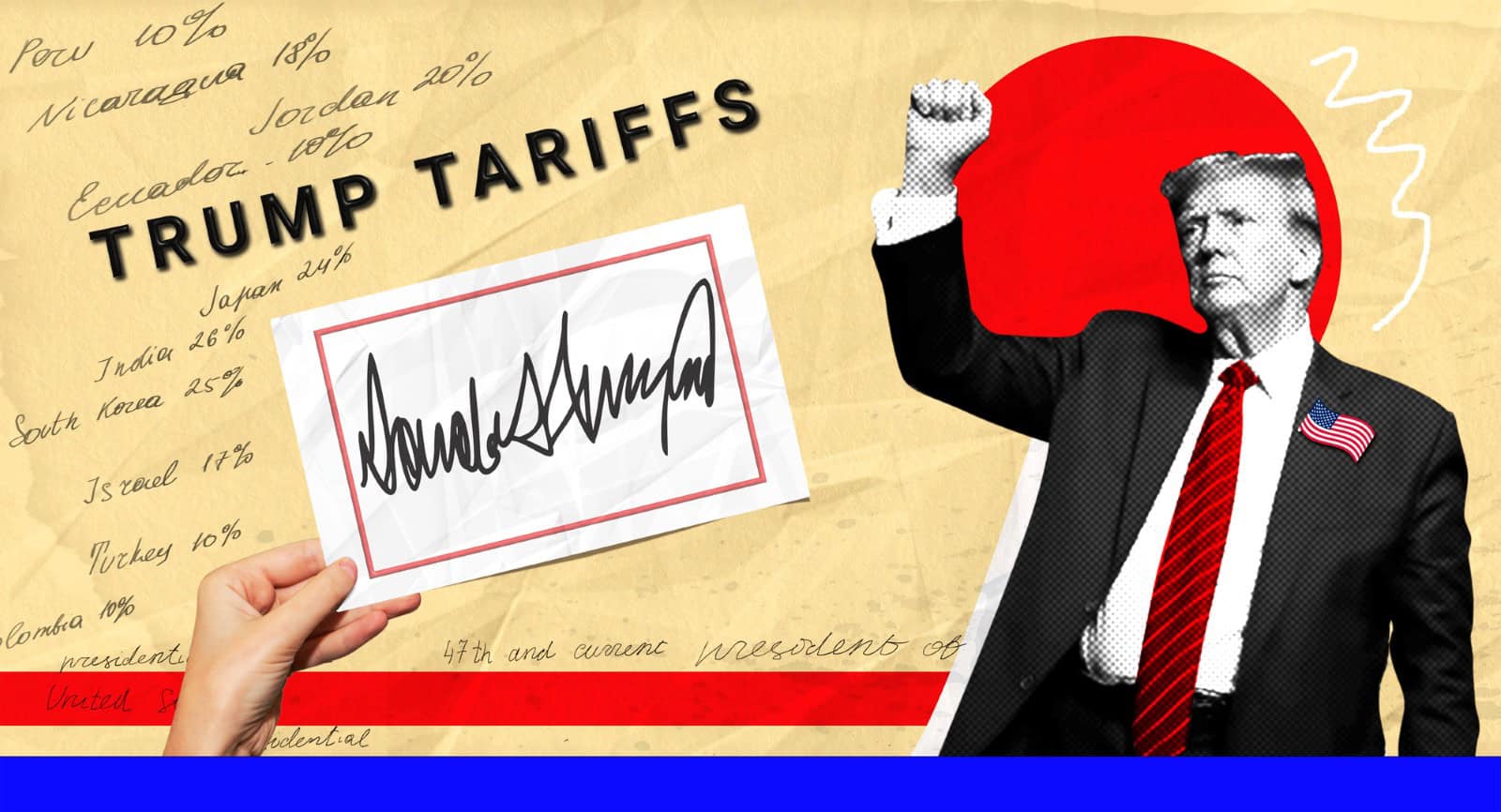
Lawmakers from both parties have floated similar concepts. Sen. Josh Hawley previously introduced a plan offering at least $600 per person, while Rep. Tim Burchett proposed increasing the standard deduction instead of sending direct checks.
Under Burchett’s approach, standard deductions could rise by:
$4,000 for joint filers
$3,000 for heads of household
$2,000 for other taxpayers
Separate push focuses on refunds for importers

Another legislative effort, the Tariff Refund Act of 2026, would require the government to refund tariff revenue directly to importers, particularly prioritizing small businesses. Lawmakers argue those businesses were first in line to bear the financial burden.
“Senate Democrats will continue fighting to rein in Donald Trump’s price-hiking trade and economic policies,” Sen. Ron Wyden said in a statement. “A crucial first step is helping people who need it most, by putting money back in the pockets of small businesses and manufacturers as soon as possible.”
Corporations are already pursuing refunds in court

Major companies are also taking action. Federal Express has filed a lawsuit seeking a “full refund” of tariffs it paid, while other firms, including Costco, have ongoing cases in the U.S. Court of International Trade.
These legal battles could determine how much money is ultimately available; and who receives it.
Economists question feasibility and inflation risks

Experts remain skeptical about the likelihood of broad-based rebate checks. Some note that any such program would require congressional approval and sufficient political support.
They warn that direct payments could add to inflation, especially amid rising energy prices and global uncertainty.
Research from the Federal Reserve Bank of New York suggests U.S. firms and consumers bore “the bulk” of tariff costs. While the White House disputes that finding, it underscores the argument behind rebate proposals: that households ultimately paid the price.
Political momentum builds ahead of 2026 elections

The push for tariff rebates is gaining traction as both parties look for ways to address affordability concerns ahead of the 2026 midterm elections. Rising prices and economic uncertainty have made cost-of-living relief a central issue.
While bipartisan support is possible, economists caution that sending money back to households could also fuel the very inflation lawmakers are trying to ease. Still, with multiple bills now on the table, the idea of tariff-funded rebates is no longer a long shot; it is firmly part of the policy debate.
Like Financial Freedom Countdown content? Be sure to follow us!
14 essential strategies to maximize your Social Security and avoid costly mistakes
Social Security is a vital lifeline for many seniors, providing crucial income support during retirement. With inflation at its highest in four decades, Social Security’s inflation-adjusted benefits offer protection against rising costs.
Rising interest rates have disrupted many retirement portfolios, causing bond fund values to plummet. In this volatile financial landscape, Social Security can stabilize a typical stock-bond retirement portfolio. By implementing smart strategies, retirees can maximize their Social Security benefits and ensure a more secure financial future.
14 Essential Strategies to Maximize Your Social Security and Avoid Costly Mistakes
11 reasons you should claim Social Security early

Deciding when to claim Social Security is often about maximizing your benefit. Financial planners usually advise delaying your claim for as long as possible to secure the highest monthly payment. Your benefit is based on your lifetime earnings, with a full payout available at your full retirement age (FRA), which is currently between 66 and 67 depending on your birth year. Claiming before FRA results in a permanent reduction in your monthly benefit, while waiting beyond FRA leads to a permanent increase. However, the decision isn’t solely about maximizing the monthly check. Personal factors such as health, family circumstances, and financial needs can play a significant role in determining the right time to claim.
11 Reasons You Should Claim Social Security Early

Did you find this article helpful? We’d love to hear your thoughts! Leave a comment with the box on the left-hand side of the screen and share your thoughts.
Also, do you want to stay up-to-date on our latest content?
1. Follow us by clicking the [+ Follow] button above,
2. Give the article a Thumbs Up on the top-left side of the screen.
3. And lastly, if you think this information would benefit your friends and family, don’t hesitate to share it with them!

John Dealbreuin came from a third world country to the US with only $1,000 not knowing anyone; guided by an immigrant dream. In 12 years, he achieved his retirement number.
He started Financial Freedom Countdown to help everyone think differently about their financial challenges and live their best lives. John resides in the San Francisco Bay Area enjoying nature trails and weight training.
Here are his recommended tools
Personal Capital: This is a free tool John uses to track his net worth on a regular basis and as a retirement planner. It also alerts him wrt hidden fees and has a budget tracker included.
Platforms like Yieldstreet provide investment options in art, legal, real estate, structured notes, venture capital, etc. They also have fixed-income portfolios spread across multiple asset classes with a single investment with low minimums of $10,000.