Elon Musk pledges $10.5 billion in SpaceX shares for kids as Trump praises giveaway and critics question follow-through
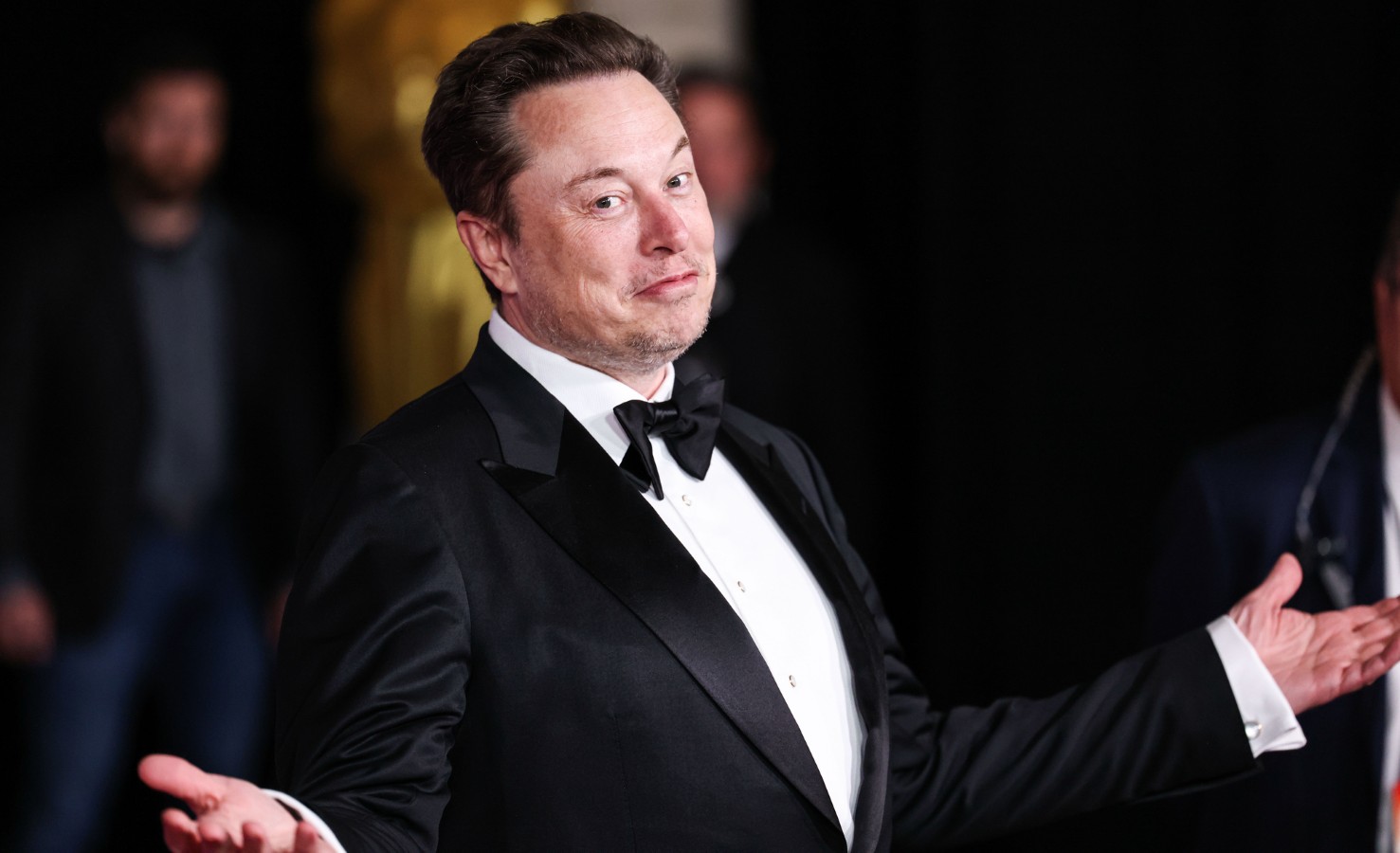
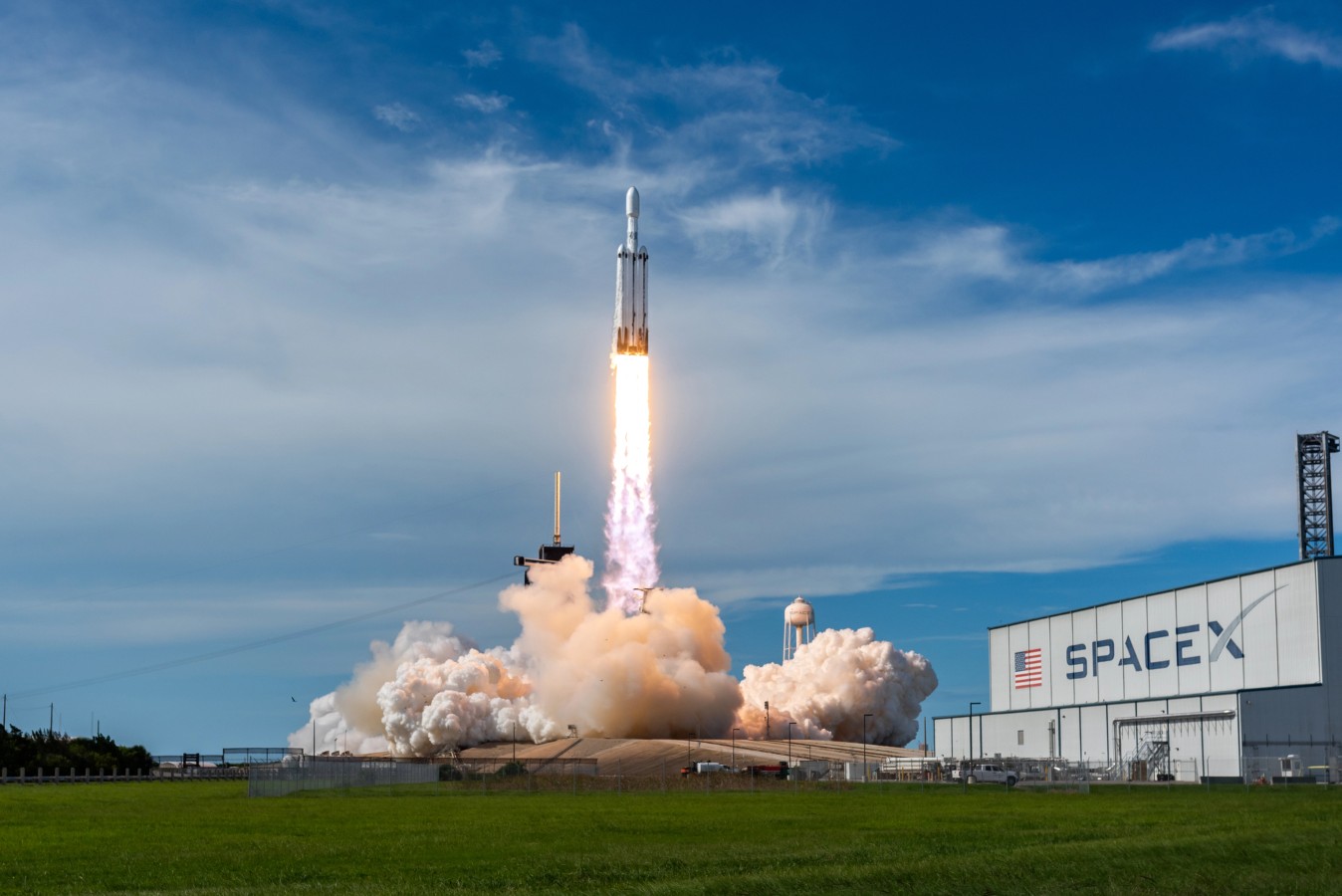
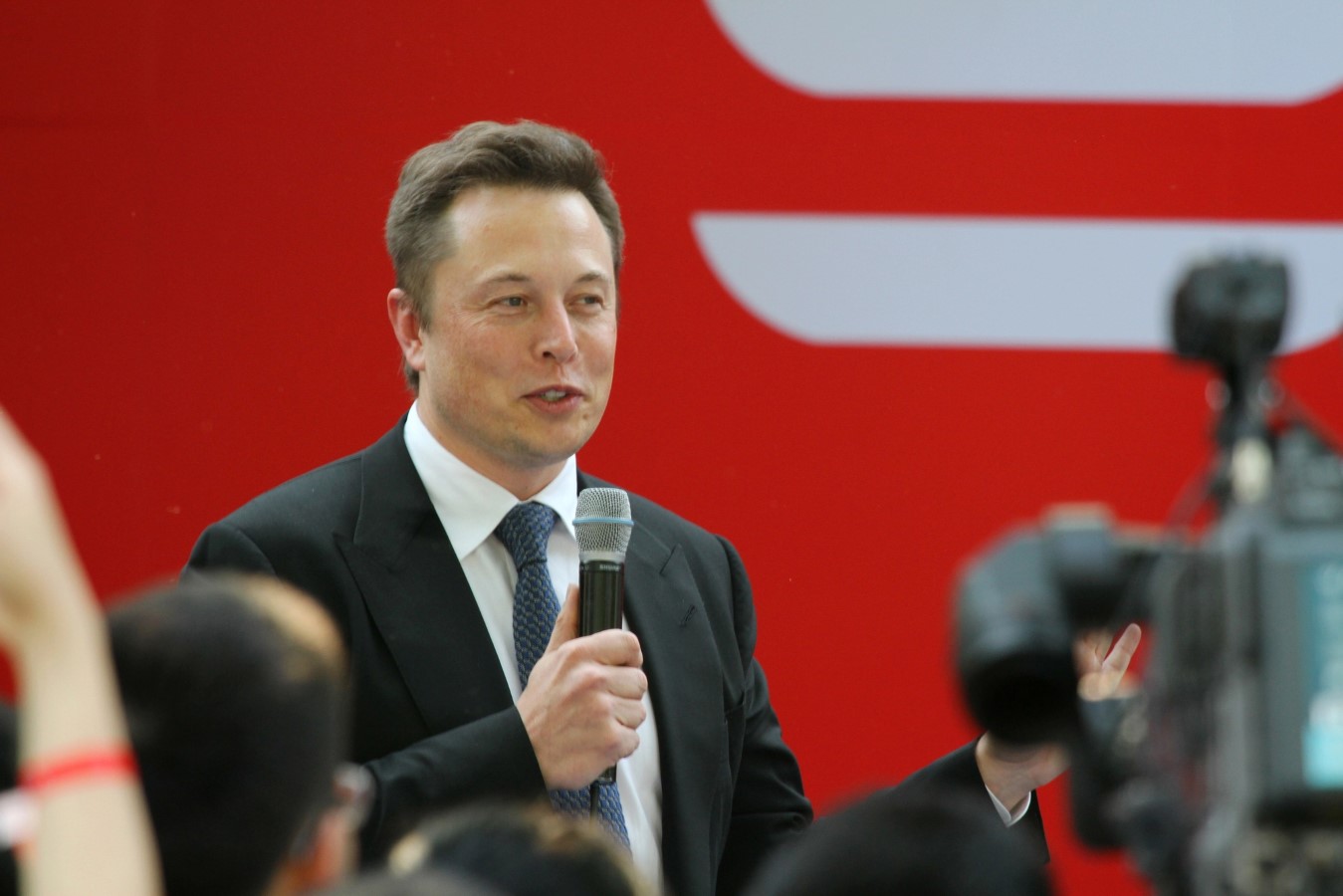
Elon Musk says he plans to give one share of SpaceX stock to every child in America next year, a proposed giveaway that could be worth approximately $10.5 billion and become one of the largest individual stock donations ever announced. The pledge has drawn praise from President Donald Trump, while questions about its implementation, the role of Trump Accounts and the growing political influence of billionaires put the proposal under scrutiny.
The announcement comes as the Trump administration promotes investment accounts for children and technology companies face mounting questions about artificial intelligence, wealth inequality and the economic benefits of their rapid growth.
Musk announced the proposal on Oct. 19 in a post on X, the social media platform he owns.
“Next year, I will give one of my SpaceX shares to every kid in America. This will be the first of many.”
According to the announcement, the pledge could cover approximately 72 million children under 18 in the United States. At SpaceX’s closing price of $146.03 on Oct. 16, distributing one share to each child would amount to a gift worth slightly more than $10.5 billion.
The proposed donation would come from Musk’s personal holdings rather than a promise to give every child cash. The actual value of the shares would fluctuate with SpaceX’s market price, meaning the final dollar value could be higher or lower when the distribution occurs.
Musk has not publicly explained the precise eligibility rules, how children would be identified, or whether the plan would cover every child living in the United States or only certain groups. Those unanswered questions are central to determining how much the announcement would ultimately benefit American families.
The proposed giveaway could exceed Michael Dell’s $6.25 billion donation

If completed on the announced scale, Musk’s proposed donation would surpass the $6.25 billion commitment from billionaire Michael Dell and his wife, Susan Dell, to help fund investment accounts for children.
The Dells announced their contribution as part of a broader effort to give children a financial head start through the Trump Accounts program. Their gift was designed to provide $250 for eligible children, with the initiative initially focused on millions of children in communities across the country.
Musk’s proposal differs in both scale and structure. Rather than contributing a fixed dollar amount to individual accounts, he has promised to distribute one share of a publicly traded company to each child.
The distinction matters because a stock donation transfers ownership in a business, not a guaranteed cash benefit. The shares could appreciate significantly over time, but they could also lose value.
For comparison, financial analysis of Musk’s pledge estimates that the proposed distribution would involve approximately 72 million shares. That would represent only a small fraction of Musk’s overall SpaceX holdings, even though the market value of the donation would be enormous.
Trump praises Musk’s plan and connects it to Trump Accounts
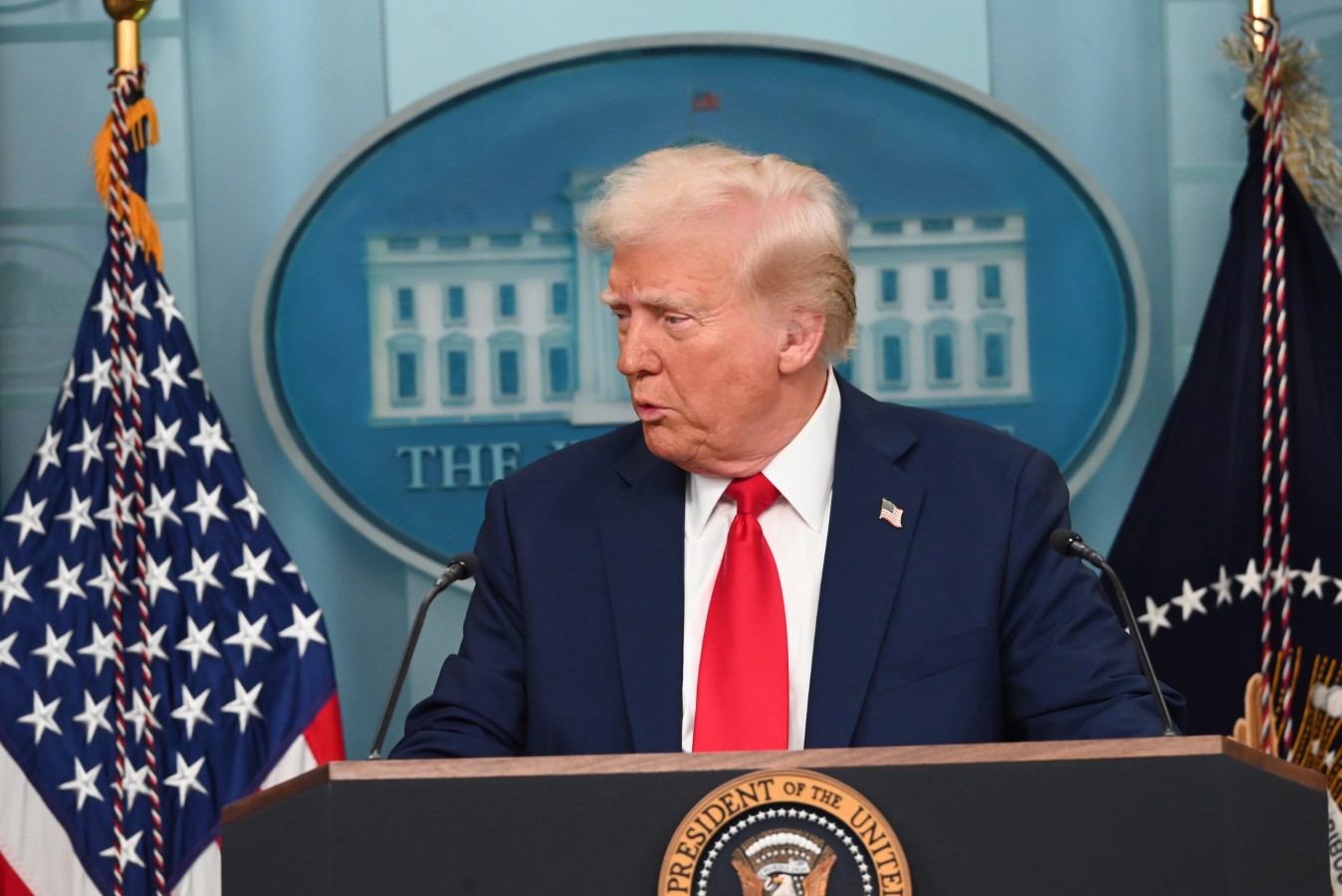
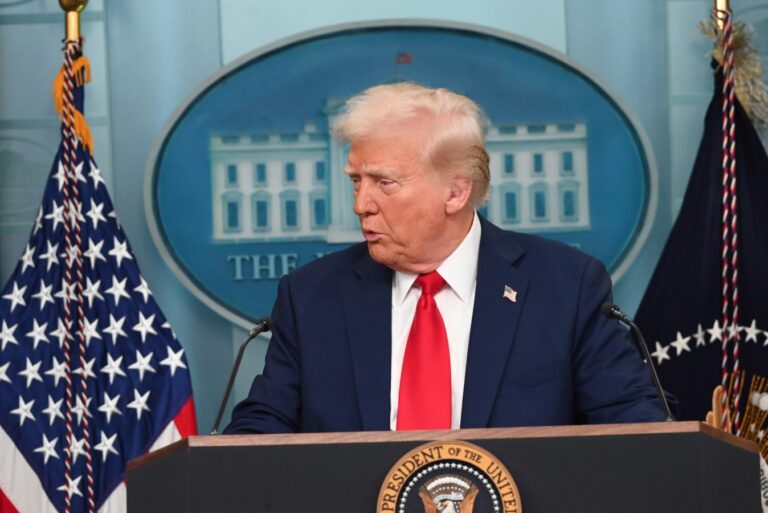
President Donald Trump welcomed the announcement, linking Musk’s pledge to the administration’s effort to establish investment accounts for American children.
In a post on X, Trump thanked Musk and wrote: “A BIG THANK YOU to our legendary friend, @ElonMusk, for his incredible generosity in giving SpaceX Stock to millions of American children through TRUMP ACCOUNTS! This is exactly what was envisioned when we created TRUMP ACCOUNTS — Bringing together the GREAT PRIVATE SECTOR, Elon and so many more, to invest in our children, by far our greatest and most important asset, and give every American Child a piece of the American Dream. Thank you Elon! President DONALD J. TRUMP”
The endorsement gives the proposal an immediate political dimension. Trump Accounts are a signature initiative of the administration’s economic agenda, intended to introduce children to long-term investing and encourage families to build wealth through financial markets.
The program provides a potential framework for distributing Musk’s shares. The final outcome will depend on the donation’s structure, the applicable account rules and the details of any arrangements made with the Treasury Department.
How Trump Accounts work and who can benefit
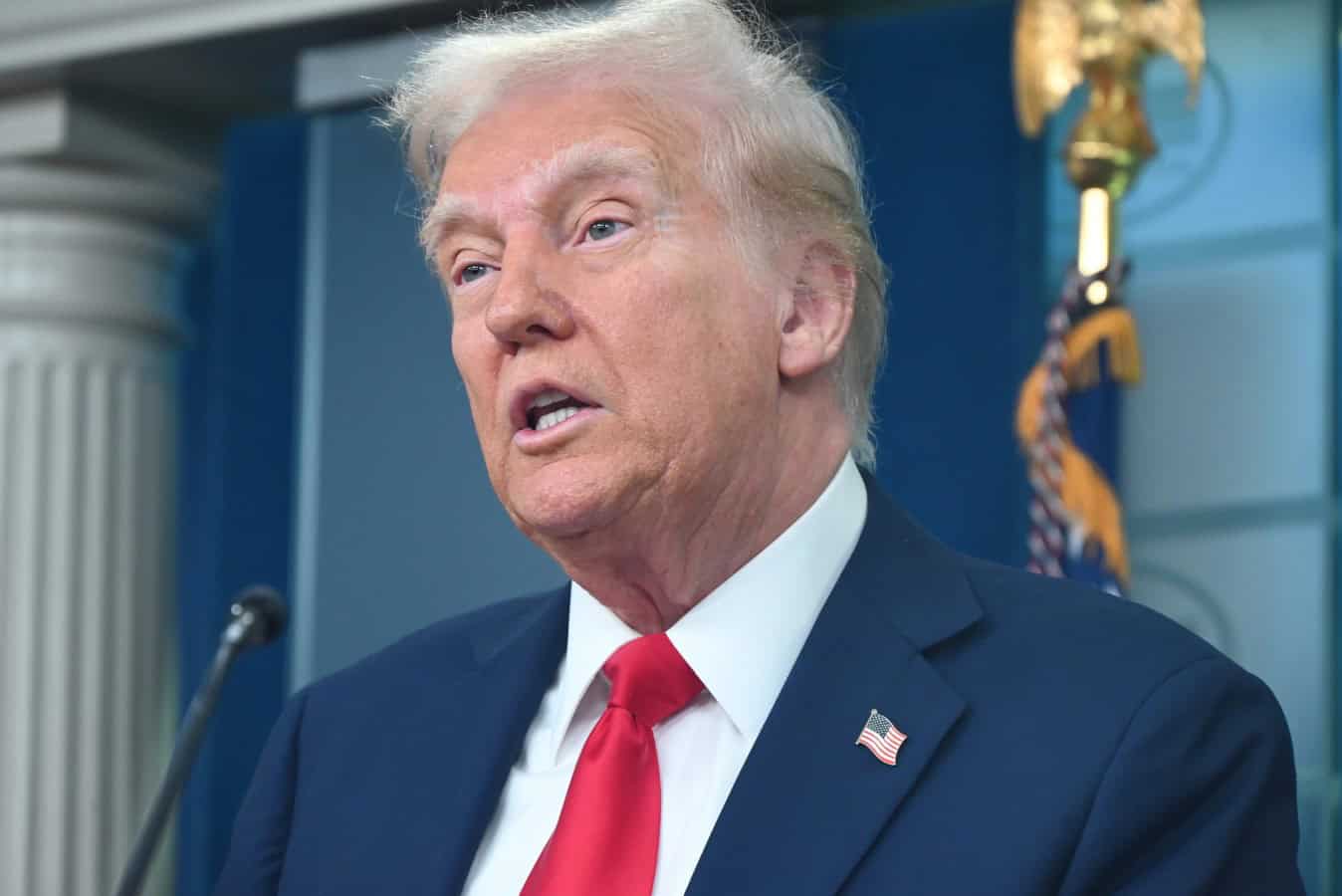
Trump Accounts were created under the Trump administration’s tax legislation as investment accounts for children. Eligible accounts for children born between Jan. 1, 2025, and Dec. 31, 2028, can receive a one-time $1,000 federal contribution, subject to program requirements.
Families and other permitted contributors can also add money, subject to applicable limits and rules. The accounts are designed to invest for the long term, potentially allowing contributions and investment returns to compound while children grow up.
The administration has presented the accounts as a way to broaden access to investing and help children build assets that could eventually support education, buying a home or starting a business.
Musk’s proposed donation could expand the program’s reach if his shares are distributed through these accounts. But there is an important distinction between the two initiatives: the existing federal seed contribution is governed by established eligibility rules, while Musk has described a separate promise to give a share to every child in America.
For families, the outstanding questions include whether an account must already exist, whether accounts will be created automatically for recipients, and how the administration would handle children who fall outside the existing program’s eligibility requirements.
The Treasury Department’s rules and any subsequent announcement from Musk will be important in establishing whether the plan can reach the entire population he described.
Democrats have questioned the broader Trump Accounts program
Although Trump’s endorsement has been public, reactions from Democrats to the specific SpaceX-share pledge remain skeptical.
However, Democratic opposition to aspects of the broader program provides context for the political debate that may follow.
Rep. Bennie Thompson of Mississippi, for example, urged constituents to pass on Trump Accounts, drawing criticism from the White House. In a July statement defending the program, the administration accused Democrats of opposing an opportunity for children to build wealth.
The broader debate concerns whether investment accounts are an effective way to address economic inequality when families have very different abilities to save and invest additional money.
Critics of the program have argued that a government seed contribution alone may not create substantial wealth for children whose parents cannot afford to make further deposits. Supporters counter that even a modest initial investment can grow over time and introduce more families to financial markets.
Musk’s proposal could give children an additional asset without requiring their parents to contribute money. Yet questions about eligibility, account access and the long-term value of a single share remain relevant regardless of the political party supporting the plan.
Republicans point to the pledge as evidence of private-sector support
For Republicans, Musk’s announcement offers a high-profile example of a wealthy business leader putting assets toward a program associated with the Trump administration.
The White House has promoted Trump Accounts as a way to give children a stake in the economy rather than relying exclusively on traditional government benefits. A donation potentially worth more than $10 billion would give the initiative considerable visibility and could strengthen the administration’s argument that private investment can complement public policy.
Supporters emphasize the potential for long-term gains and broader participation in the stock market. Critics may focus on the concentration of economic power in a handful of companies and the possibility that a government-backed savings initiative becomes closely associated with a single billionaire’s business interests.
Democrats and commentators question Musk’s $10.5 billion pledge
Musk’s promise to give one SpaceX share to every American child drew immediate skepticism from Democratic figures and commentators, with some questioning whether the billionaire would follow through and others arguing that a stock giveaway does little to address broader economic concerns.
Melanie D’Arrigo, a former Democratic congressional candidate, pointed to Musk’s earlier proposal for $5,000 DOGE refund checks, asking on X: “He also promised $5000 DOGE refund checks. How’d that work out for everyone?”
Liberal political commentator Molly Jong-Fast mocked Musk’s earlier transportation ambitions, writing: “But first I will hop on my hyperloop for a 15 trip from New York to DC, promises made promises kept!”
Writer Wajahat Ali took a different approach, questioning the priorities behind the announcement. “We just want healthcare and a living wage, you freak,” he wrote in response to Musk’s pledge.
Fred Lambert, Editor-in-Chief at @ElectrekCo expressed conditional support but also doubt, writing: “If he does it, good for him, but I doubt it. It wouldn’t be the first time he backed out of a charitable offering. Did he fix Flint’s water problem as promised? Remind me? But I think this is what’s going to happen: GOP loses the House and Senate, and Musk gets investigated for hundreds of shady things he has done recently. And he doesn’t go through with the offering and blames the democrats for it.”
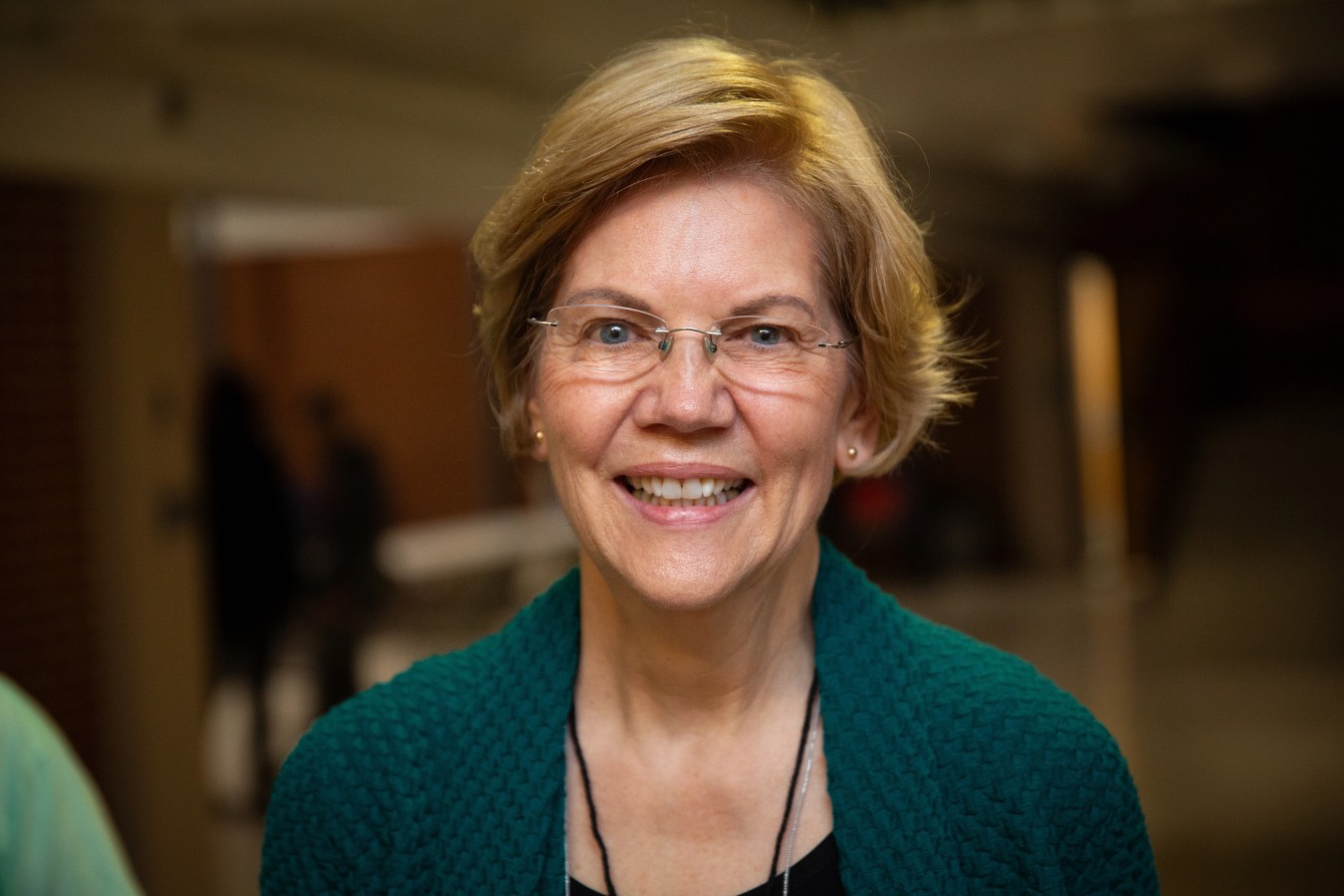
Sen. Elizabeth Warren of Massachusetts, a prominent Democratic critic of concentrated wealth, criticized the economic inequality symbolized by Musk’s rise during SpaceX’s public-market debut earlier this year.
Warren described Musk’s status as emblematic of a “rigged economy,” according to coverage of SpaceX’s June debut.
That earlier criticism was not a response to the Oct. 19 pledge, it nevertheless illustrates the larger political tension surrounding Musk’s proposal: whether enormous private fortunes should be celebrated for their potential to fund public benefits or scrutinized because wealth and influence are increasingly concentrated among a small number of individuals.
The proposed giveaway would transfer a valuable asset to children across the country, while giving millions of recipients a financial interest in a company.
For Democrats who advocate higher taxes on billionaires or stronger public programs to reduce inequality, the central question is whether voluntary philanthropy can address structural economic problems. For Musk and supporters of private giving, distributing shares directly to the public may offer a faster way to share wealth than relying on government redistribution.
Financial experts raise caution about concentrated investment

Even if Musk follows through, a single share in one company is not the same as a diversified investment portfolio.
Financial advisers commonly warn that concentrating investments in a single company exposes investors to company-specific risks. A diversified portfolio spreads investments across different companies or asset classes, reducing dependence on the performance of any one business.
A SpaceX share could become a valuable long-term asset, but its value would remain tied to the company’s future performance. Families may also need clear information about account restrictions, tax treatment and when recipients can sell or otherwise use the stock.
The value of the gift could rise or fall with SpaceX stock. The headline figure of $10.5 billion is an estimate based on the number of children and the stock’s price at a particular point in time. It is not a guaranteed cash payment of that amount.
SpaceX became publicly traded in 2026, giving the proposed gift a market price that can change from day to day. At $146.03 per share, one share would be a meaningful financial asset for many families, but its future value will depend on the company’s results, investor expectations and broader market conditions.
If SpaceX grows in value over the next decade, children who retain their shares could benefit from appreciation. If the stock falls, the value of the gift would shrink. Unlike a cash payment or a guaranteed government benefit, a share does not promise a fixed future return.
The company also operates in capital-intensive and competitive sectors, including space launch services, satellite communications and artificial intelligence-related businesses. Those industries may offer substantial growth opportunities, but they also involve significant costs, technological risks and uncertainty.
For parents, the distinction between the announced value and the eventual value is essential. The proposal could give children an early foothold in the stock market, but it would not guarantee that every recipient becomes wealthy.
Musk’s announcement comes amid a wider debate over AI and philanthropy

The SpaceX proposal followed an announcement by artificial intelligence company Anthropic that it would commit 5% of its equity to a new public-benefit fund. Musk responded to that initiative by arguing that shares should be distributed directly to the public, then announced his own plan.
The timing connects the giveaway to a broader discussion about how the benefits of technological advances should be shared. Musk has argued that artificial intelligence could eventually produce extraordinary abundance and has discussed ideas such as “universal high income” as technology transforms work and productivity.
The challenge is that the economic benefits of AI and automation may not be distributed evenly. Some companies and investors could benefit enormously, while workers and communities face disruption. Donations of stock may help share some of the upside, but they do not by themselves resolve questions about employment, wages, taxation or access to essential services.
Musk’s proposal is also part of a longer debate about the role of philanthropy. Supporters see large donations as a way to put private wealth to public use. Critics question whether charitable decisions by billionaires can substitute for policies established through democratic institutions.
For now, the plan’s significance rests on its potential financial value. If implemented as described, it could place a share of SpaceX in the hands of millions of children. Whether it becomes a lasting model for distributing the benefits of technological growth will depend on what Musk and the future administration do next.
Like Financial Freedom Countdown content? Be sure to follow us!
Did you find this article helpful? We’d love to hear your thoughts! Leave a comment with the box on the left-hand side of the screen and share your thoughts.
Also, do you want to stay up-to-date on our latest content?
1. Follow us by clicking the [+ Follow] button above,
2. Give the article a Thumbs Up on the top-left side of the screen.
3. And lastly, if you think this information would benefit your friends and family, don’t hesitate to share it with them!

John Dealbreuin came from a third world country to the US with only $1,000 not knowing anyone; guided by an immigrant dream. In 12 years, he achieved his retirement number.
He started Financial Freedom Countdown to help everyone think differently about their financial challenges and live their best lives. John resides in the San Francisco Bay Area enjoying nature trails and weight training.
Here are his recommended tools
Personal Capital: This is a free tool John uses to track his net worth on a regular basis and as a retirement planner. It also alerts him wrt hidden fees and has a budget tracker included.
Platforms like Yieldstreet provide investment options in art, legal, real estate, structured notes, venture capital, etc. They also have fixed-income portfolios spread across multiple asset classes with a single investment with low minimums of $10,000.