‘Don’t Cut Off Your Nose to Spite Your Face’: San Jose Mayor Slams California Billionaire Tax

The debate over California’s proposed billionaire tax is heating up, and now a prominent Bay Area mayor is publicly warning that the plan could do more harm than good. As some of the state’s wealthiest residents openly consider leaving, San Jose Mayor Matt Mahan says the measure risks undermining the very economy it aims to fund.
A One-Time Billionaire Tax Gains Momentum in California

At the center of the controversy is the California Billionaire Tax Act, a proposed ballot measure that would impose a one-time 5% tax on residents with net worth exceeding $1 billion. Supporters say the tax would raise tens of billions of dollars to offset healthcare cuts and fund public services. Critics warn it could accelerate an exodus of high-income earners and destabilize state finances.
San Jose Mayor: ‘Don’t Cut Off Your Nose to Spite Your Face’

Mayor Matt Mahan, a Democrat representing the largest city in Silicon Valley, broke ranks with many progressive leaders by sharply criticizing the proposal.
Quoting advice from his mother, Mahan argued that the tax could prove self-defeating, delivering short-term political satisfaction while inflicting long-term economic damage on California.
Fear of Driving Away the State’s Top Taxpayers
Mahan emphasized a central concern: California relies heavily on its wealthiest residents for revenue. Roughly 40% of the state’s income tax is paid by the top 1% of earners. If even a small fraction of that group relocates, the loss could dwarf the projected gains from a one-time wealth tax.
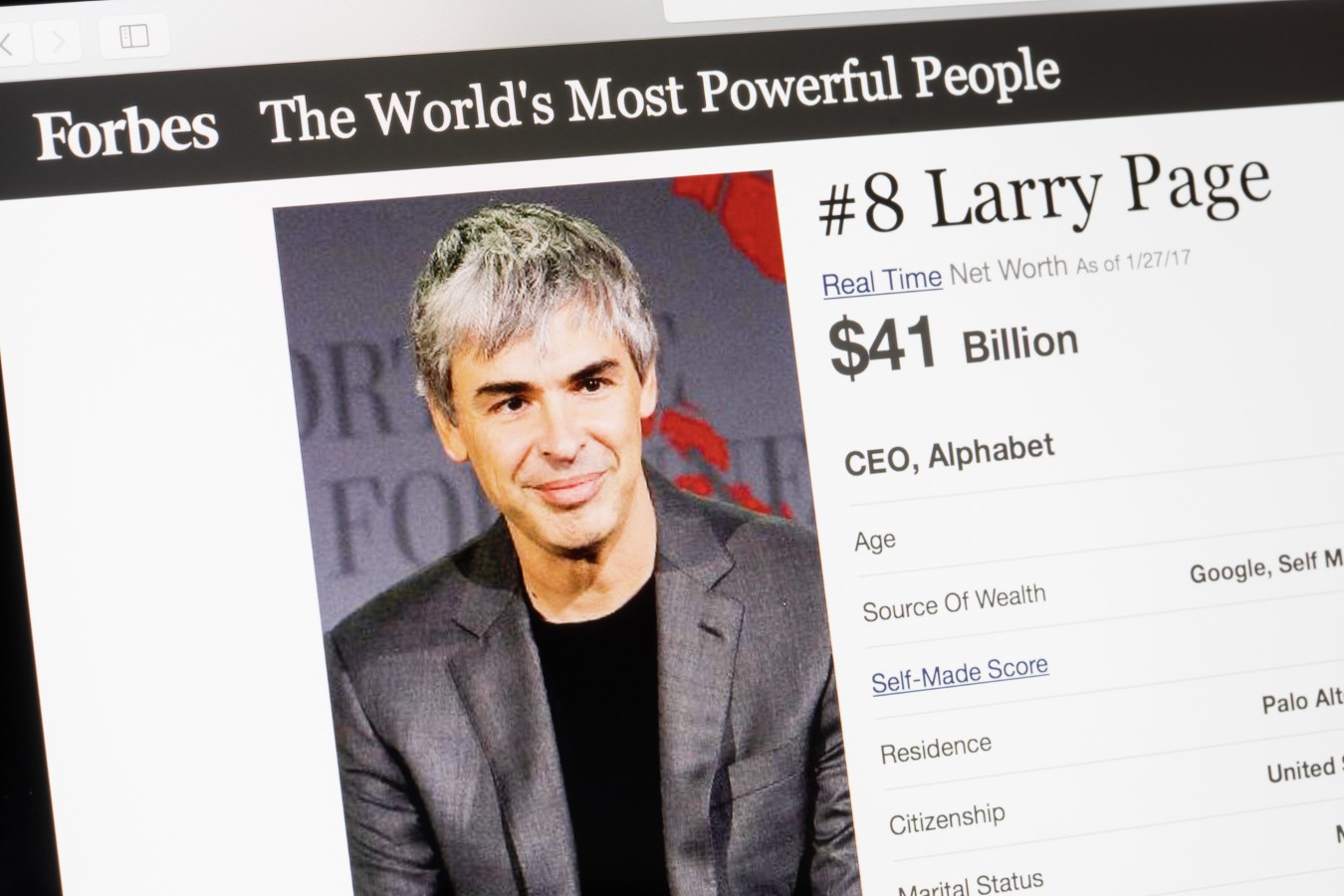
Mahan posted on X saying, “Chasing away Larry Page and other job creators like him through an ill-conceived wealth tax only benefits the thousands of Texans and Floridians who will fill the high-paying jobs of the future. Let’s make billionaires pay their fair share by closing outrageous tax loopholes instead of cutting CA services and killing CA jobs with a risky wealth tax. This has been tried time and again, and it hasn’t worked. See Europe. Let’s learn from our mistakes and be smarter.”
Not All Bay Area Leaders Agree: Rep. Ro Khanna Supports the Tax
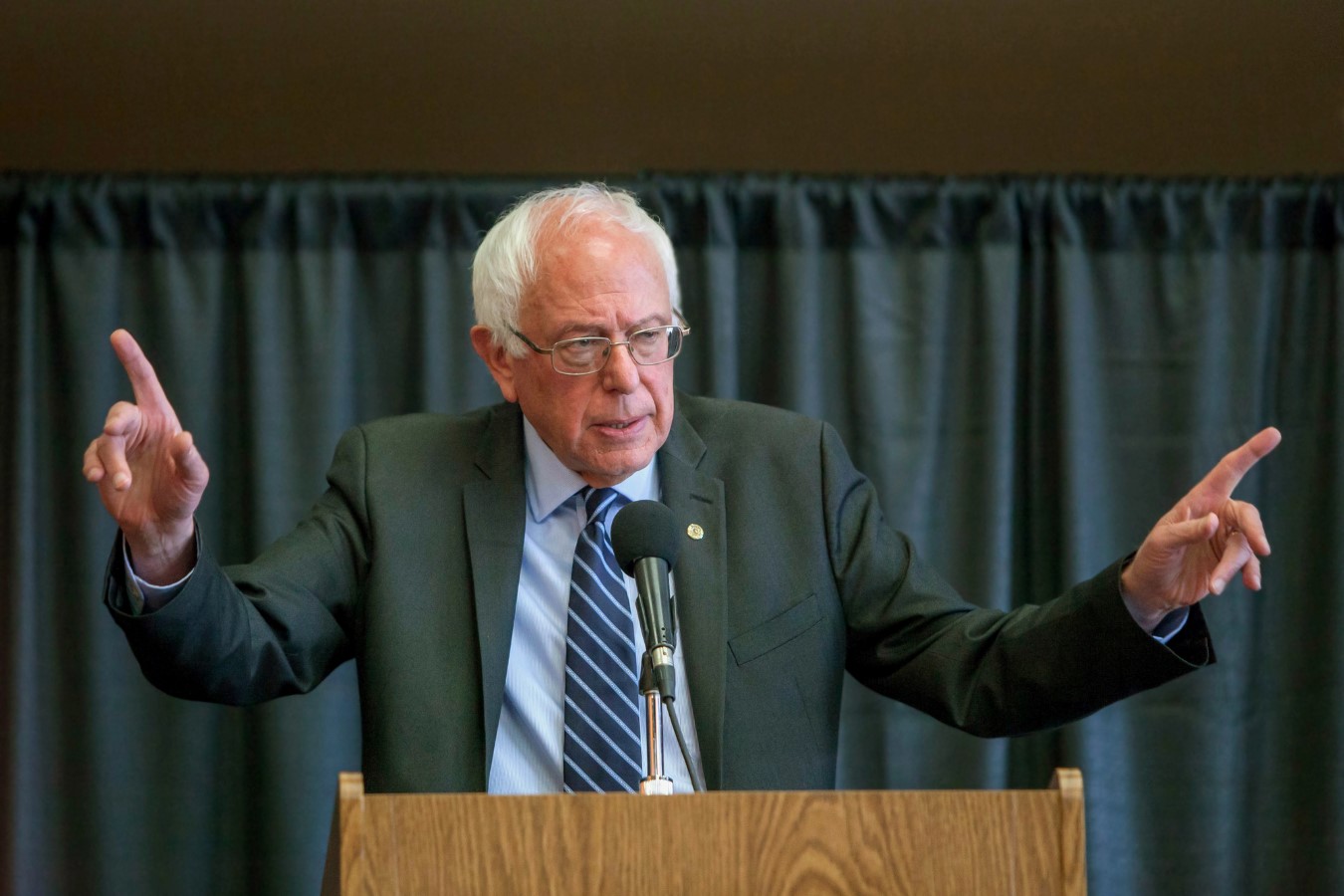
Not all Bay Area leaders oppose the proposed billionaire tax. Rep. Ro Khanna (D-Fremont), who represents a district that includes parts of Silicon Valley, has spoken out in favor of the measure, framing it as a necessary step to address inequality and protect public services.
Khanna has argued that California’s extreme concentration of wealth justifies asking the ultra-rich to contribute more, particularly to stabilize healthcare funding and support working families. While acknowledging concerns about competitiveness, Khanna has said the state cannot rely indefinitely on voluntary philanthropy from billionaires to meet basic social needs.
Khanna is part of the Progressive wing of the Democratic Party which includes Bernie Sanders and AOC.
Tech and Finance Titans Signal Willingness to Leave

The mayor’s warning comes as high-profile billionaires openly discuss moving operations out of California. Google co-founder Larry Page has reportedly weighed cutting ties with the state, while PayPal co-founder Peter Thiel and venture capitalist David Sacks have both expanded operations in Florida and Texas, respectively.
Austin and Miami Emerge as Silicon Valley Rivals

Thiel recently opened a new office for Thiel Capital in Miami, while Sacks announced an expansion of Craft Ventures in Austin. Both cities have become magnets for tech and finance leaders seeking lower taxes and fewer regulations, fueling concerns that California’s innovation economy could gradually hollow out.
Supporters Say the Exodus Fears Are Overblown

Proponents of the billionaire tax dispute claims of mass migration.
Labor leaders backing the measure argue that decades of research show tax-driven relocation among the ultra-wealthy is limited. They point to states like Massachusetts and Washington, where higher taxes on the rich have raised revenue without collapsing the tax base.
“Billionaires can pay the tax over five years, so it’s unlikely to decrease their wealth – since many gain more in capital gains in a few months than the cost of the annual payments,” said Suzanne Jimenez, the chief of staff of SEIU-United Healthcare Workers West, a powerful labor union, and lead supporter of the billionaire tax.
A Tax Aimed at Just 200 Californians

Supporters stress that the proposal targets only about 200 billionaires statewide. They estimate the tax could generate up to $100 billion, money they say is desperately needed to shore up healthcare funding. The tax would be payable over several years, reducing immediate financial strain on those affected.
Retroactive Application Raises Additional Concerns
Another flashpoint is the measure’s retroactive element. If passed, the tax would apply to California residents as of January 1, even if they later move. Critics argue this could prompt legal challenges and further incentivize wealthy residents to cut ties with the state sooner rather than later.
Governor Newsom Opposes a State-Level Wealth Tax
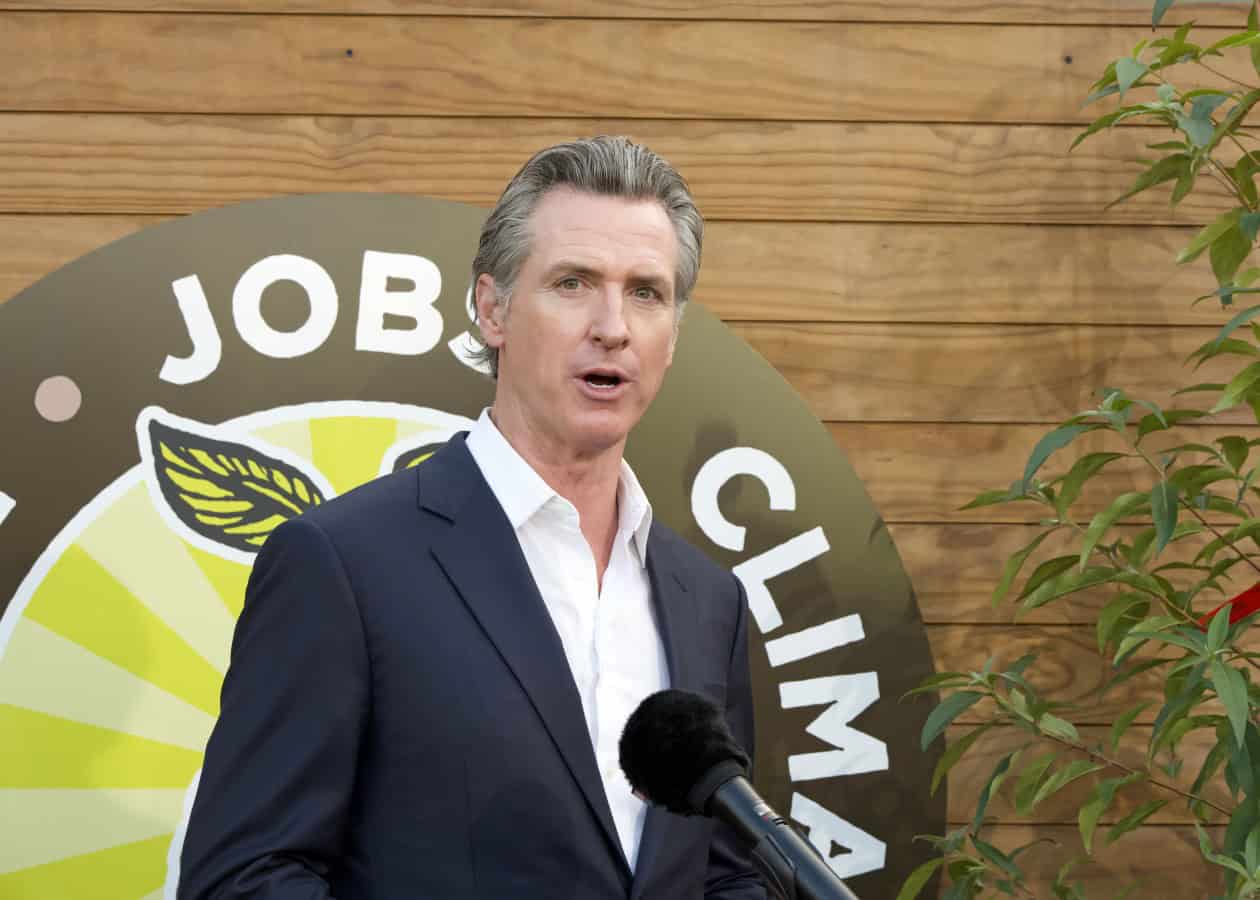
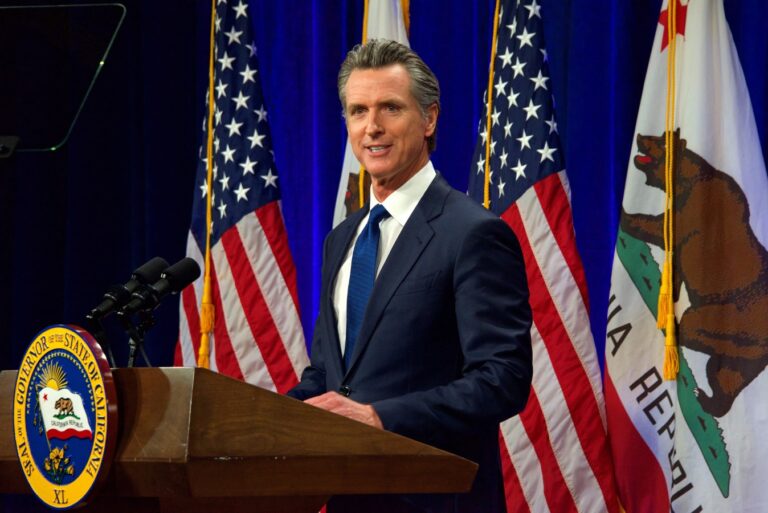
California Gov. Gavin Newsom has also spoken out against the proposal, warning that a state-only wealth tax could spark a “race to the bottom.” Newsom has argued that without a federal framework, individual states risk losing high-income residents to more tax-friendly rivals.
A Broader Debate Over Inequality and Competitiveness

While Mahan acknowledged California’s severe income inequality, he urged lawmakers to focus on closing tax loopholes; particularly around capital gains, rather than adopting what he called a risky political ploy. As the ballot campaign ramps up, the billionaire tax has become a proxy battle over fairness, economic competitiveness, and California’s future as a global innovation hub.
Mahan has frequently broken from the Democratic party and advocated for more common sense approach. In November 2024, when California excluded Tesla from EV credits he posted on X, “Strongly disagree with excluding @Tesla from the proposed program to support EV adoption in California—we want to encourage economies of scale to lower the cost of electric vehicles.”
Newsom’s refusal to fund Prop. 36 after he openly opposed the measure during the election over concerns that it would drive up incarceration rates was highlighted in an article in The San Francisco Standard. Mahan posted the article titled ‘Newsom doesn’t want to fund California’s new tough-on-crime law. Who should?’ with the comment “It’s the job of our leaders to implement the will of the people — whether they agree with it or not.”
The 2028 Horizon: A Rivalry for the White House?
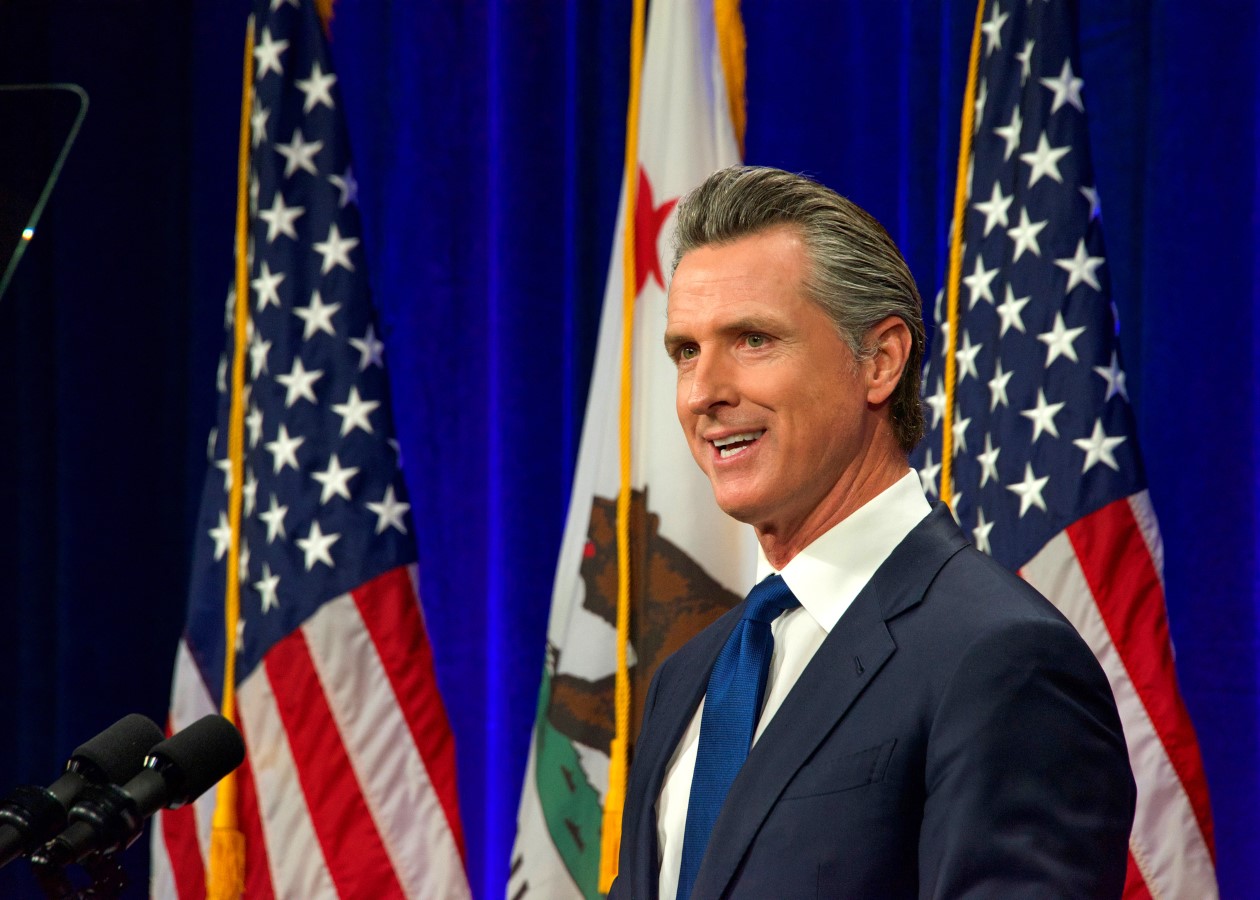
While Khanna and Newsom are focused on California today, political analysts see this as the opening salvo of the 2028 Democratic presidential primary.
Newsom, who has been building a national profile as a defender of liberal values against the Trump administration, currently leads in early polls. However, Khanna’s populist “anti-corruption” brand is designed to appeal to the same Rust Belt voters that Democrats struggled to hold in 2024.
As signature gathering begins and political opposition mounts, voters are likely to hear far more from both sides. The outcome could reshape not only California’s tax system, but also its standing in the national competition for talent, capital, and innovation.
Like Financial Freedom Countdown content? Be sure to follow us!
Nearly 500,000 West Virginia Social Security Recipients Are About to See Bigger Checks in 2026

Nearly half a million Social Security recipients in West Virginia are set to receive higher monthly payments as the state completes a long-planned phaseout of its income tax on Social Security benefits. Starting in 2026, benefits will no longer be taxed at the state level, putting more cash directly into retirees’ pockets.
Nearly 500,000 West Virginia Social Security Recipients Are About to See Bigger Checks in 2026
Major Student Loan Changes Coming in 2026; From Parent PLUS Caps to the End of SAVE

Federal student loans are about to change in some of the biggest ways in decades. Beginning in 2026, new laws will reshape how much students and parents can borrow, eliminate long-standing loan programs, and overhaul repayment for future borrowers. For families planning for college, graduate students weighing advanced degrees, and borrowers already navigating repayment, these shifts could significantly alter education and financial decisions.
Major Student Loan Changes Coming in 2026; From Parent PLUS Caps to the End of SAVE

Did you find this article helpful? We’d love to hear your thoughts! Leave a comment with the box on the left-hand side of the screen and share your thoughts.
Also, do you want to stay up-to-date on our latest content?
1. Follow us by clicking the [+ Follow] button above,
2. Give the article a Thumbs Up on the top-left side of the screen.
3. And lastly, if you think this information would benefit your friends and family, don’t hesitate to share it with them!

John Dealbreuin came from a third world country to the US with only $1,000 not knowing anyone; guided by an immigrant dream. In 12 years, he achieved his retirement number.
He started Financial Freedom Countdown to help everyone think differently about their financial challenges and live their best lives. John resides in the San Francisco Bay Area enjoying nature trails and weight training.
Here are his recommended tools
Personal Capital: This is a free tool John uses to track his net worth on a regular basis and as a retirement planner. It also alerts him wrt hidden fees and has a budget tracker included.
Platforms like Yieldstreet provide investment options in art, legal, real estate, structured notes, venture capital, etc. They also have fixed-income portfolios spread across multiple asset classes with a single investment with low minimums of $10,000.