Everyone Braced for a Recession. The U.S. Economy Just Did the Opposite
Despite tariffs, immigration crackdowns, a government shutdown and nonstop recession warnings, the U.S. economy just delivered a surprise: its fastest growth rate in two years. But beneath the headline numbers, the recovery looks increasingly uneven; and fragile.
The Economy Keeps Defying Recession Calls
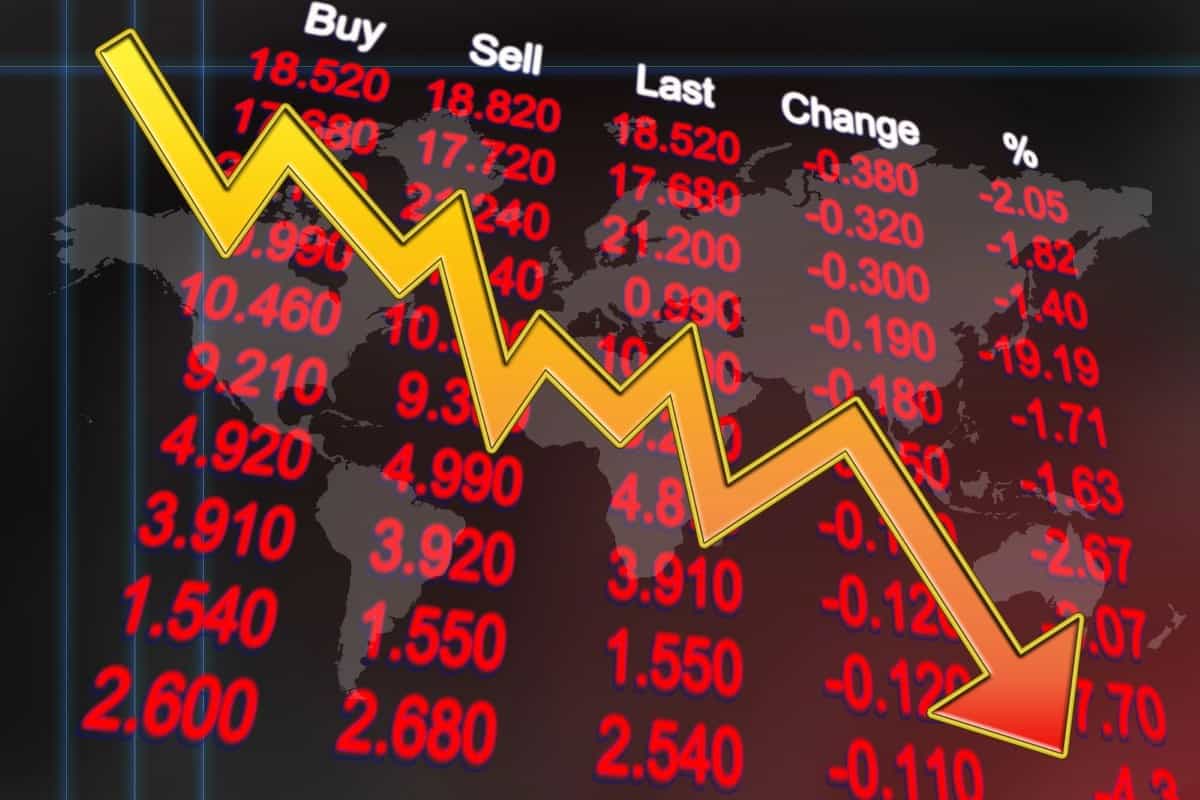
For much of 2025, economists warned that President Trump’s tariffs and immigration policies would tip the U.S. into a slowdown, if not an outright recession. Markets panicked after the “Liberation Day” tariff announcement in April, and Wall Street firms sharply raised their recession odds.
Instead, the economy powered through. Gross domestic product surged at a 4.3% annual rate in the third quarter, blowing past forecasts and outperforming other developed economies that struggled with stagnation.
Consumers Are Spending; Even If They Say They’re Miserable

The backbone of this expansion remains consumer spending, which accelerated to a 3.5% annual rate in the third quarter. That’s happening even as Americans complain about high prices, weakening job prospects and a gloomy economic outlook.
The disconnect is striking: consumer confidence has fallen for five straight months, yet retail spending rose nearly 4% during the early holiday season, according to Mastercard. Americans may feel pessimistic; but they’re still opening their wallets.
The Top 10% Is Carrying the Economy

Much of that spending power is concentrated at the top. Economists estimate that the highest-earning 10% of households now account for nearly half of all U.S. consumer spending.
Luxury travel, premium airline seats, high-end shopping and international vacations are booming, even as lower- and middle-income households pull back. The result is what many economists describe as a K-shaped economy; one that’s thriving at the top and strained everywhere else.
AI Spending Is the Other Growth Engine
The second major driver of growth is the massive build-out of artificial intelligence infrastructure. Companies are pouring roughly $41 billion a year into data centers, chips and cloud capacity to stay competitive in the AI race.
Economists estimate AI-related investment accounted for nearly 0.4 percentage point of third-quarter GDP growth. While that contribution has cooled from earlier in the year, it remains a critical pillar supporting the economy.
Tariffs Didn’t Trigger a Collapse; But They Changed the Math
Trump’s tariffs didn’t spark the immediate downturn many predicted, partly because the administration softened or delayed some of the most extreme measures. Importers also found workarounds, limiting supply disruptions.
Ironically, tariffs even boosted GDP in the short term. As imports declined and exports rose, trade added roughly 1.6 percentage points to third-quarter growth, an accounting quirk that flatters the headline numbers without necessarily signaling long-term strength.
A “Jobless Expansion” Is Taking Shape

Beneath the strong GDP print, the labor market is flashing warning signs. Hiring has slowed, and economists increasingly describe the current moment as a jobless expansion; growth without broad-based job gains.
That’s dangerous, analysts warn, because the labor market is typically the economy’s main buffer against recession. If layoffs accelerate or hiring freezes spread, consumer spending could weaken quickly.
Income Isn’t Keeping Up With Spending

Another red flag: inflation-adjusted disposable income was flat in the third quarter, even as spending surged. Households are compensating by saving less, with the savings rate falling to its lowest level since 2022.
In plain terms, many Americans are spending money they don’t really have, at least not in wage income; leaving the economy more exposed if shocks hit.
Business Investment Is Losing Momentum

While AI investment remains strong, overall business spending cooled in the third quarter. Investment in structures like factories and commercial buildings contracted, and residential investment fell for a second straight quarter.
Smaller businesses, in particular, are struggling with higher import costs from tariffs, even as large corporations leverage pricing power and technology investments to stay afloat.
The Government Shutdown Looms Over the Outlook

The third-quarter data reflects an economy before the government shutdown began. The Congressional Budget Office estimates the shutdown could shave up to two percentage points off fourth-quarter GDP, with billions in lost output never recovered.
Add in higher electricity costs from data centers, rising insurance premiums and a cautious Federal Reserve signaling fewer rate cuts ahead, and the outlook grows murkier.
Strong Growth, Fragile Foundations

For now, the U.S. economy is still expanding; faster than almost anyone expected. Consumers are spending, AI investment is booming, and the feared tariff-driven collapse hasn’t materialized.
Although some economists are concerned that growth is narrow, uneven and increasingly dependent on wealthy households; President Trump’s economic agenda is delivering based on the latest GDP numbers.
Like Financial Freedom Countdown content? Be sure to follow us!
Trump Promises $1,776 ‘Warrior Dividend’ Checks; Even as Tariff Revenue Falls Short
President Donald Trump is sending $1,776 checks to nearly 1.5 million U.S. military personnel ahead of the holidays, branding the payments as a patriotic “warrior dividend.” The White House says the money reflects respect for service members and the success of Trump’s tariff-driven economic strategy. But behind the headline-grabbing checks is a growing gap between tariff promises and tariff reality.
Trump Promises $1,776 ‘Warrior Dividend’ Checks; Even as Tariff Revenue Falls Short
New Social Security CBO Proposal Would Cut Benefits for Top 50% of Retirees
The Congressional Budget Office (CBO) has released a controversial new budget option that aims to shore up the federal government’s finances by targeting the retirement checks of high-income Americans. With the federal deficit hitting a staggering $1.8 trillion in Fiscal Year 2025 and the Social Security insolvency clock ticking down to 2033, this proposal offers a stark look at one potential “fix”: changing the math to pay the wealthy less.
New Social Security CBO Proposal Would Cut Benefits for Top 50% of Retirees
Trump Signals Interest in Australia’s ‘Super’ Retirement System; A Mandatory 12% Employer Contribution Could Upend U.S. Savings

President Donald Trump sparked a national debate after saying the Australian retirement system is a “good plan” that has “worked out very well,” adding that the administration is “looking at it very seriously.” His comments raised the question: Could the U.S. pivot away from its aging retirement model and adopt components of Australia’s mandatory “superannuation” program?

Did you find this article helpful? We’d love to hear your thoughts! Leave a comment with the box on the left-hand side of the screen and share your thoughts.
Also, do you want to stay up-to-date on our latest content?
1. Follow us by clicking the [+ Follow] button above,
2. Give the article a Thumbs Up on the top-left side of the screen.
3. And lastly, if you think this information would benefit your friends and family, don’t hesitate to share it with them!

John Dealbreuin came from a third world country to the US with only $1,000 not knowing anyone; guided by an immigrant dream. In 12 years, he achieved his retirement number.
He started Financial Freedom Countdown to help everyone think differently about their financial challenges and live their best lives. John resides in the San Francisco Bay Area enjoying nature trails and weight training.
Here are his recommended tools
Personal Capital: This is a free tool John uses to track his net worth on a regular basis and as a retirement planner. It also alerts him wrt hidden fees and has a budget tracker included.
Platforms like Yieldstreet provide investment options in art, legal, real estate, structured notes, venture capital, etc. They also have fixed-income portfolios spread across multiple asset classes with a single investment with low minimums of $10,000.