FedEx and UPS pass along Trump tariff refunds, but Amazon and Apple keep most of the cash
The federal government is executing one of the largest financial reimbursements in U.S. history, unraveling an estimated $166 billion in import tariffs previously collected under national emergency authorities. Following landmark court rulings that declared these trade duties illegal, tens of billions of dollars are flowing out of the U.S. Treasury and back into the commercial ecosystem.
However, a major divide has opened over where that money goes. While express shipping giants like FedEx and UPS are establishing dedicated mechanisms to return refunded duties directly to customers, retail corporations and tech leaders are taking a very different approach. Tech titans like Amazon and Apple are choosing to absorb the vast majority of their government checks into their balance sheets—leaving everyday consumers, who paid higher retail prices, with little to no direct compensation.
Federal government begins disbursing $166 billion in invalidated import duties
The reimbursement effort stems from federal customs programs designed to return duties collected improperly under executive emergency actions. U.S. Customs and Border Protection launched the Consolidated Administration and Processing of Entries (CAPE) refund program to allow commercial entities to submit electronic claims for reimbursement.
To date, the U.S. Treasury Department has disbursed over $70 billion in refunds to commercial entities, transforming past tariff collections from a substantial revenue generator into a major financial liability for the federal government. As billions continue to flow back to corporations, the economic impact depends heavily on whether businesses choose to pass those funds down to end buyers or retain them internally.
Supreme Court ruling forces U.S. Treasury to return IEEPA tariffs
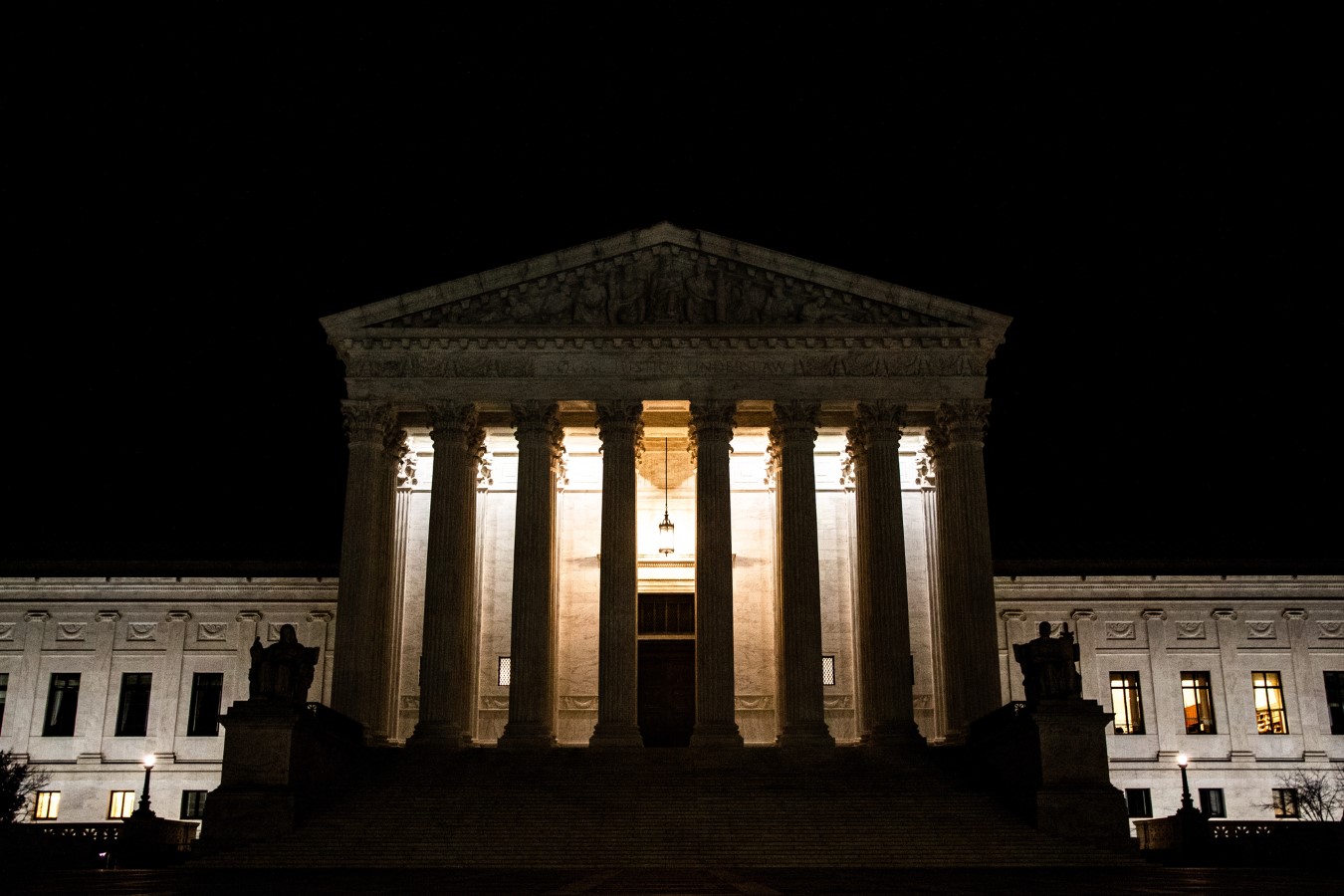
The legal foundation for the massive refund program was established when the Supreme Court invalidated trade duties levied under the International Emergency Economic Powers Act (IEEPA). Executive orders had previously applied sweeping tariffs across global imports, citing systemic trade deficits as a justification for an emergency declaration.
The Supreme Court rejected that statutory interpretation, ruling that IEEPA does not grant executive authority to unilaterally impose broad commercial duties without explicit congressional authorization. Consequently, federal courts ordered the U.S. Treasury to reimburse the importers of record that paid the duties at U.S. ports of entry.
FedEx, UPS, and DHL establish direct customer refund portals
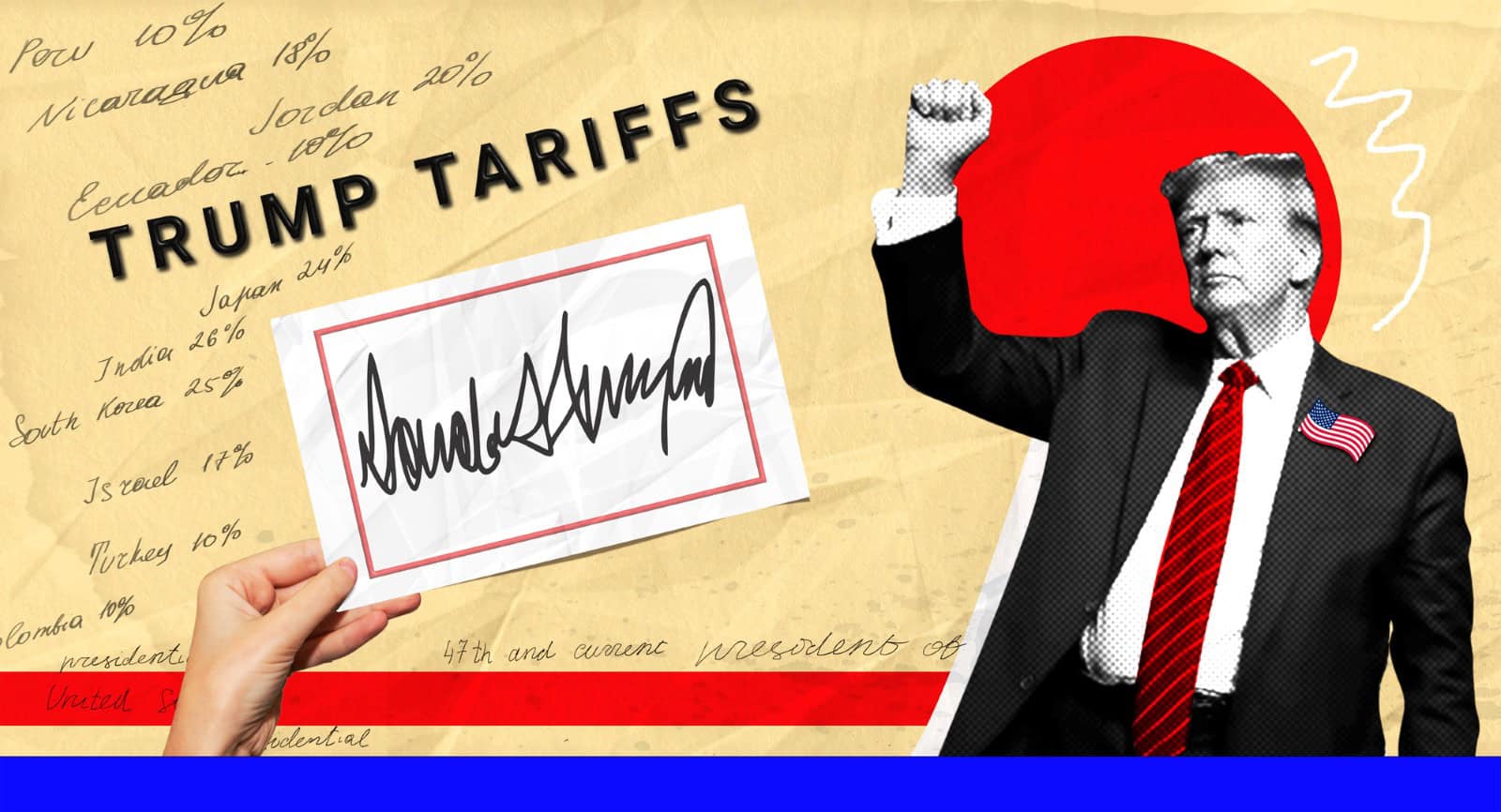
Express carriers and logistics providers have taken a distinct approach to handling government reimbursements. Because logistics companies frequently act as the official Importer of Record on behalf of shipping clients, tariff fees were typically listed as explicit, itemized surcharges on customer bills. This line-item transparency makes calculating exact customer contributions straightforward.
FedEx disclosed that it has received approximately $800 million in tariff refunds under federal reimbursement programs, confirming that customer payouts will begin rolling out in August through dedicated tracking portals.
FedEx Chief Executive Officer Raj Subramaniam noted the broader operational climate facing supply chains: “We achieved these results despite several significant headwinds, particularly global trade policy changes,”
FedEx also confirmed its commitment to pass along funds in an official statement: “if refunds are issued to FedEx, we will issue refunds for IEEPA tariffs paid to the shippers and consumers who originally bore those charges”
Similarly, UPS Chief Executive Officer Carol Tomé outlined a pass-through policy during an investor presentation: “As soon as we get that money, we’re going to remit it right back to our customers.”
DHL also confirmed that customer refund payments are already underway, reconciling incoming government reimbursements to pay back the original shippers.
Amazon receives $600 million tariff refund but offers limited customer payouts

E-commerce leader Amazon disclosed during its quarterly earnings call that it received approximately $600 million in tariff refunds during the second quarter. However, the vast majority of Amazon shoppers will not see direct cash payments.
Amazon Chief Financial Officer Brian Olsavsky explained that Amazon is not the importer of record for more than 60% of items sold on its platform, which are handled by third-party marketplace sellers. For items Amazon imported directly, Olsavsky noted that the company scrambled to pre-buy inventory ahead of tariff deadlines and absorbed most cost increases rather than passing them directly to consumers.
CFO Brian Olsavsky disclosed the company received $600 million in tariff refunds during the second quarter and pledged to automatically issue reimbursements to consumers under a “limited set of circumstances.”
“We are participating in the tariff refund process, and as I mentioned earlier, we received approximately $600 million in Q2. The amount is limited for a couple reasons. First, our teams did a lot of work forward-buying and pre-positioning inventory to avoid tariff costs. Second, we are not the importer of record for the large majority of items sold in our store given suppliers typically handle imports and pay relevant tariffs,” Olsavsky said on the earnings call.
“In cases where we did see an increase in costs due to tariffs, we largely absorbed those costs rather than pass them on to customers.”
“We’ve identified a limited set of circumstances where we can trace that we’ve passed specific import charges onto customers, and when we receive those refunds, we will proactively contact affected customers and automatically issue refunds to them,”
He added: “Otherwise, like other large retailers, we’ll utilize refunds to continue to invest in low prices for customers.”
Apple uses tariff reimbursement to boost earnings

Consumer electronics leader Apple reported that federal tariff refunds provided a direct financial boost to its balance sheet, adding 5% or 11 cents per share; to its third-quarter earnings per share. Despite collecting these substantial sums from the federal government, Apple has not announced plans to issue retroactive rebates or price adjustments to buyers who purchased hardware during the tariff period.
This retention of government funds has drawn scrutiny from legal watchdog groups. Class-action law firm Migliaccio & Rathod LLP launched an investigation into Apple, examining whether the company improperly retained financial windfalls from tariff refunds after consumers purchased iPhones, iPads, and Macs at prices reflecting increased tariff costs. The firm noted that while consumers absorbed higher prices, Apple has kept both the elevated retail revenue and the government reimbursements without offering direct consumer compensation.
Retail corporations keep refunds rather than reimburse buyers
Beyond Amazon and Apple, the broader retail sector is largely opting to keep government refund checks rather than issuing customer rebates. Corporate executives argue that tariffs were treated as general operational overhead—alongside fluctuating raw material costs, labor, and transport; rather than an explicit fee tacked onto final retail receipts.
Some companies plan to use the payments to cushion against ongoing cost pressures. PepsiCo Chief Financial Officer Steve Schmitt explained during an earnings presentation: “We do expect some more pressure on the business from a commodity standpoint,”
He added: “We also expect refund claims for tariffs paid last year to help offset some of the commodity pressures that we have and allow us to continue to play offense.”
Fortune reported that Walmart said it would prioritize using the proceeds to invest in prices. Costco indicated it intends to pass at least some of its refund money back to customers, though the retailer acknowledged that exactly how much and on what schedule remained uncertain.
Other brands are actively fighting consumer lawsuits demanding a share of the money. In a motion to dismiss a consumer class-action lawsuit, legal counsel for video game maker Nintendo argued that retail buyers:”received exactly what they bargained and paid for”
The legal filing added that the company has: “no legal obligation to retroactively adjust” completed retail transactions.
Statutory standing rules restrict direct tariff refunds to importers of record

The primary legal reason most consumers are excluded from the $166 billion refund effort lies in federal customs statutes and the legal doctrine of standing. Judicial remedies under federal customs law require a plaintiff to show direct financial injury by proving they paid duties directly to U.S. Customs and Border Protection.
Because court challenges against IEEPA tariffs were brought by commercial importers and state attorneys general representing business entities, court mandates require the U.S. Treasury to return funds exclusively to those official importers of record.
Retail consumers who paid higher prices at store registers lack legal standing under customs law to claim direct restitution from federal refund portals.
With federal customs mechanisms limited strictly to commercial importers, consumer class-action lawsuits have become the primary legal path for buyers seeking a share of the tariff refunds. Shoppers have filed suit against major retailers and marketplaces, arguing that retaining government refunds after passing tariff costs onto consumers constitutes unjust enrichment.
However, legal experts note these class-action lawsuits face steep hurdles. Retailers argue that retail prices are determined by holistic market forces; including transport, labor, and inventory demand; making it legally difficult to isolate the exact portion of a retail store purchase attributable specifically to invalidated import duties.
Congressional oversight highlights growing debate over corporate windfalls
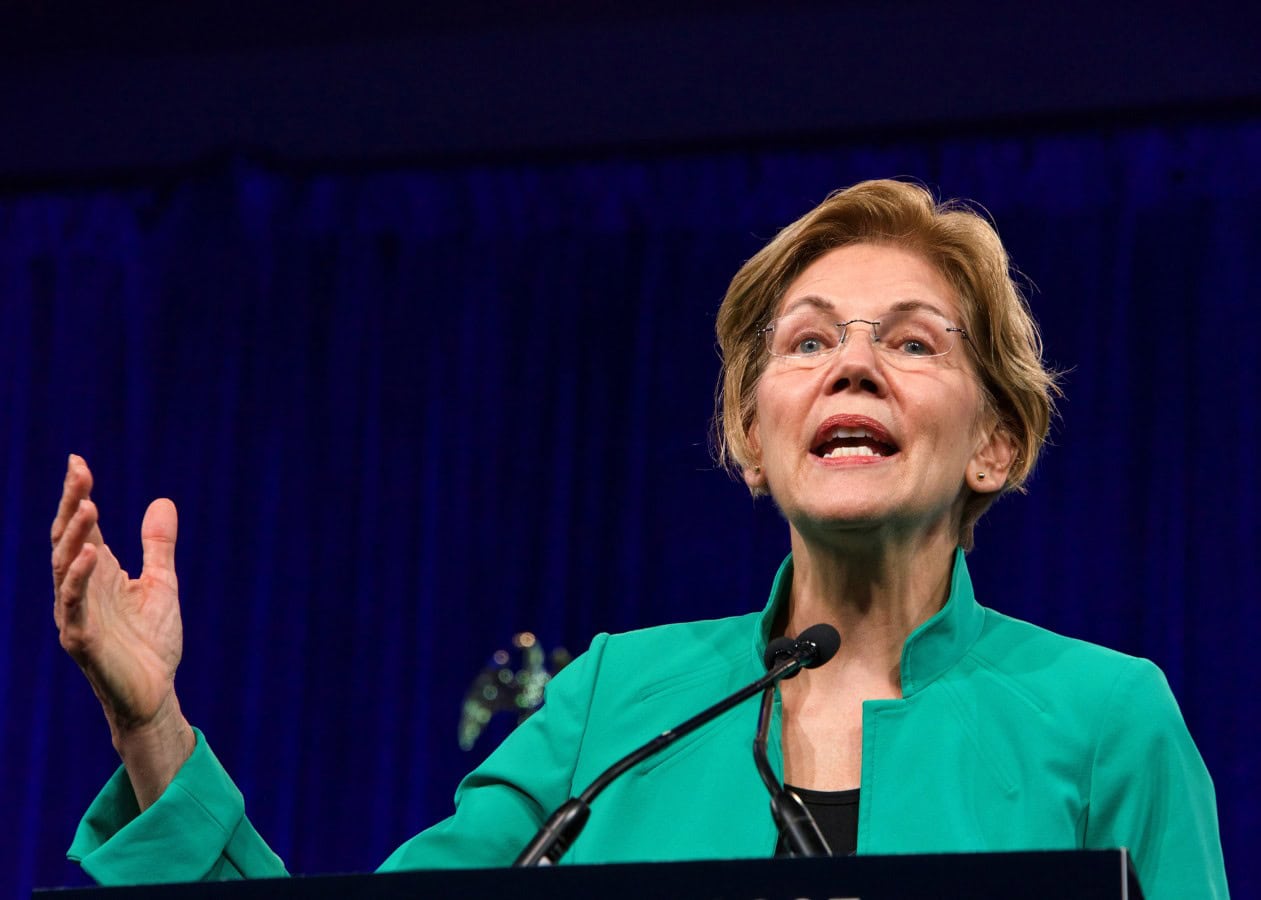
The concentration of tariff refunds among commercial importers has triggered sharp debates on Capitol Hill. During a Senate Finance Committee hearing on federal trade policy, Senator Elizabeth Warren (D-Mass.) pressed trade officials over economic analyses indicating that American households absorbed roughly 95% of tariff costs through higher consumer prices.
While U.S. Trade Representative Jamieson Greer noted that administrative rules mandate returning funds to the commercial parties that officially paid customs duties, congressional critics argued that allowing corporations to retain billions in government refunds while consumers bear the initial price hikes leaves working families unprotected during trade disputes.
As new trade actions roll out under Section 301 authority, the ongoing battle over past refunds underscores a lasting reality of U.S. trade policy: while tariff costs quickly cascade down to retail shoppers, government refund mechanisms remain tightly bound to corporate balance sheets.
Like Financial Freedom Countdown content? Be sure to follow us!
14 essential strategies to maximize your Social Security and avoid costly mistakes
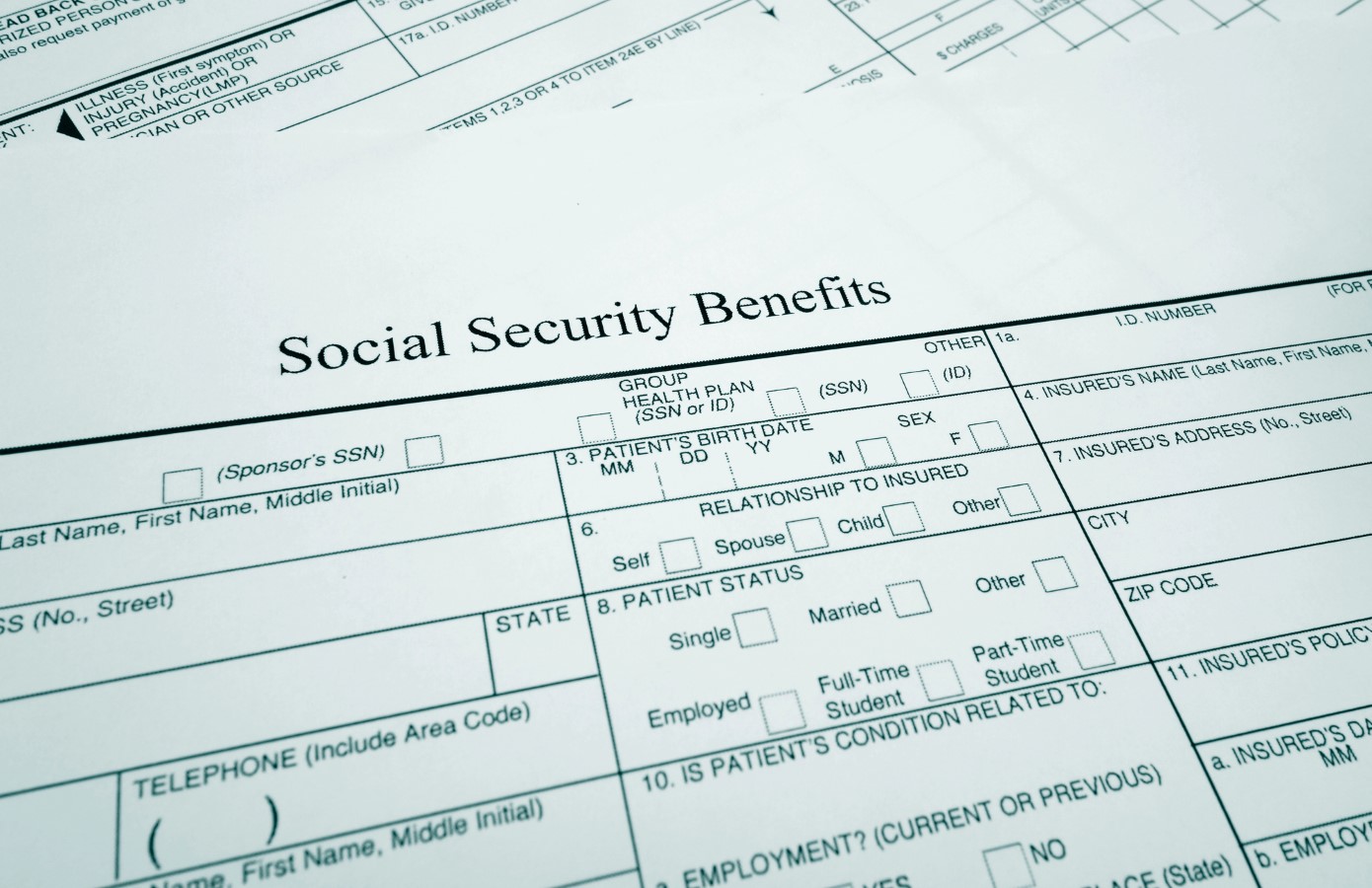
Social Security is a vital lifeline for many seniors, providing crucial income support during retirement. With inflation at its highest in four decades, Social Security’s inflation-adjusted benefits offer protection against rising costs.
Rising interest rates have disrupted many retirement portfolios, causing bond fund values to plummet. In this volatile financial landscape, Social Security can stabilize a typical stock-bond retirement portfolio. By implementing smart strategies, retirees can maximize their Social Security benefits and ensure a more secure financial future.
14 Essential Strategies to Maximize Your Social Security and Avoid Costly Mistakes
11 reasons you should claim Social Security early

Deciding when to claim Social Security is often about maximizing your benefit. Financial planners usually advise delaying your claim for as long as possible to secure the highest monthly payment. Your benefit is based on your lifetime earnings, with a full payout available at your full retirement age (FRA), which is currently between 66 and 67 depending on your birth year. Claiming before FRA results in a permanent reduction in your monthly benefit, while waiting beyond FRA leads to a permanent increase. However, the decision isn’t solely about maximizing the monthly check. Personal factors such as health, family circumstances, and financial needs can play a significant role in determining the right time to claim.
11 Reasons You Should Claim Social Security Early
Did you find this article helpful? We’d love to hear your thoughts! Leave a comment with the box on the left-hand side of the screen and share your thoughts.
Also, do you want to stay up-to-date on our latest content?
1. Follow us by clicking the [+ Follow] button above,
2. Give the article a Thumbs Up on the top-left side of the screen.
3. And lastly, if you think this information would benefit your friends and family, don’t hesitate to share it with them!

John Dealbreuin came from a third world country to the US with only $1,000 not knowing anyone; guided by an immigrant dream. In 12 years, he achieved his retirement number.
He started Financial Freedom Countdown to help everyone think differently about their financial challenges and live their best lives. John resides in the San Francisco Bay Area enjoying nature trails and weight training.
Here are his recommended tools
Personal Capital: This is a free tool John uses to track his net worth on a regular basis and as a retirement planner. It also alerts him wrt hidden fees and has a budget tracker included.
Platforms like Yieldstreet provide investment options in art, legal, real estate, structured notes, venture capital, etc. They also have fixed-income portfolios spread across multiple asset classes with a single investment with low minimums of $10,000.