
Elizabeth Warren says Trump Social Security chief broke promise as Senate Democrats probe field office closures
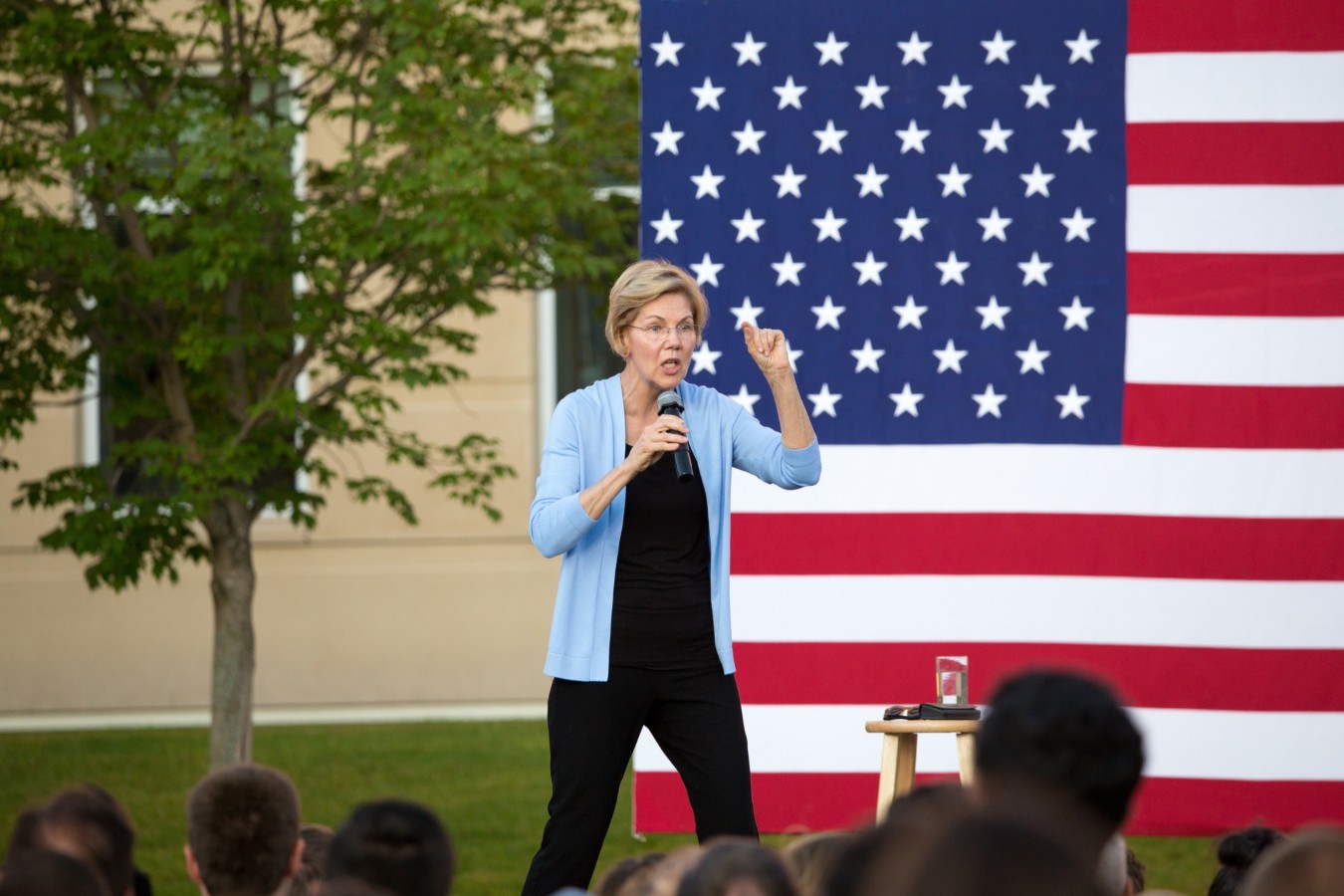
Sen. Elizabeth Warren is accusing the Social Security Administration (SSA) of failing to live up to a promise to keep field offices open after a group of Senate Democrats demanded answers about temporary closures and staffing changes at the agency.
On July 29, Warren posted on X that Social Security Commissioner Frank Bisignano had pledged the SSA would “keep every field office open,” but argued that recent staffing reductions and temporary office closures tell a different story.
Her criticism came as she highlighted a letter sent by Senate Democrats seeking details on how staffing shortages and employee reassignments are affecting access to in-person Social Security services across the country.
In her July 29 post on X, Warren wrote:
“Trump’s Social Security Commissioner said SSA would “keep every field office open.”
And yet, tons of staff have been fired and over a dozen offices are or have temporarily been “closed to the public.”
Seniors deserve better.”
The post referenced concerns that while SSA has maintained its commitment to keeping offices available, many locations have experienced temporary closures or reduced public access over recent months.
Senate Democrats seek answers from Commissioner Frank Bisignano
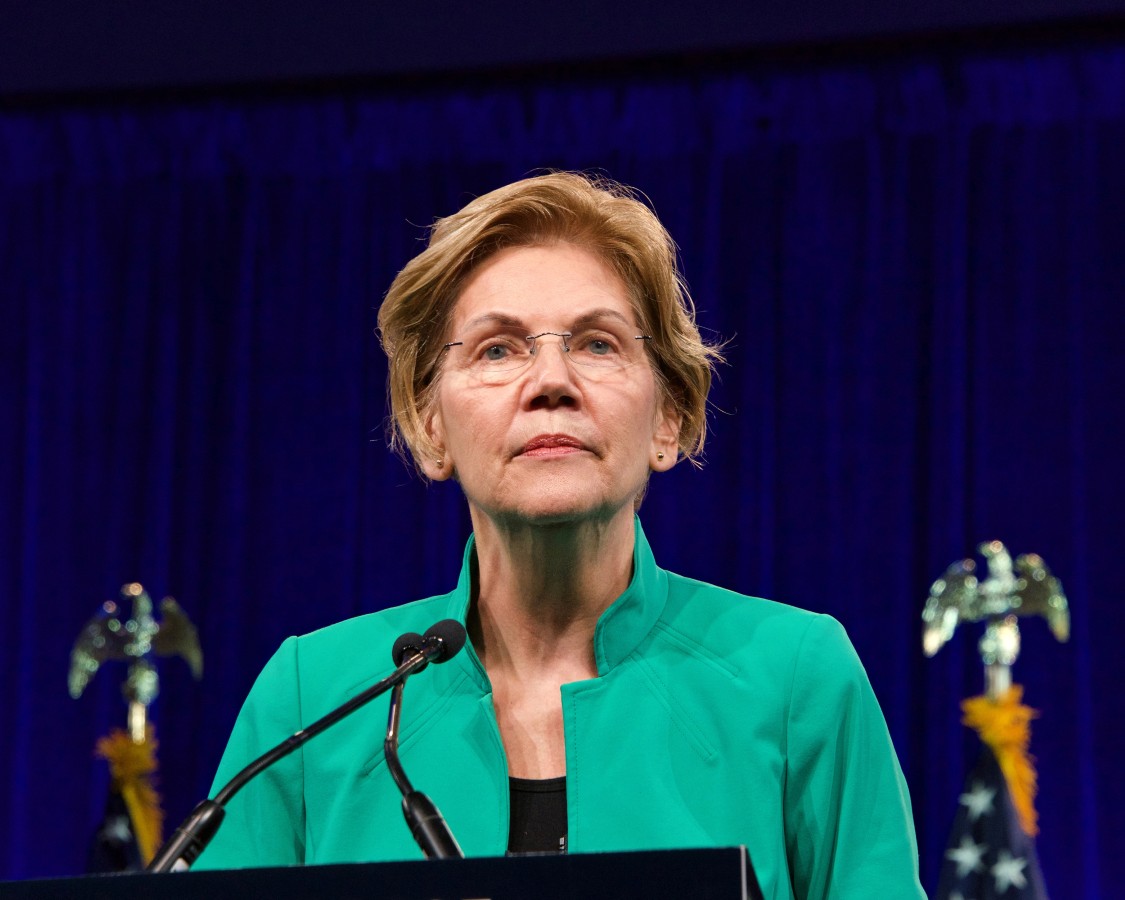
On the same day, Warren and three fellow Senate Democrats sent a letter to SSA Commissioner Frank Bisignano requesting detailed information about temporary field office closures and the reasons behind them.
The lawmakers noted that numerous offices have been listed at different times as either fully closed to the public or offering only telephone-based services. As of Monday afternoon, they said 16 field offices nationwide were providing either no public service or only limited services.
The senators asked the agency to explain the circumstances behind each closure and whether staffing challenges played a role.
In their letter, the senators acknowledged that some closures may be justified.
“Many of these offices were reportedly closed to the public due to maintenance needs or other operational issues—which may be a valid reason,” the lawmakers wrote. “But several offices appear to have been effectively closed due to staffing shortages, and some of these offices have allegedly remained ‘temporarily closed’ for an extended period of time.”
They argued that prolonged staffing shortages could leave communities without reliable access to in-person Social Security services.
Workforce reductions add to concerns
The senators tied the closures to broader workforce changes at the agency.
According to their letter, SSA’s workforce had already fallen to its lowest level in roughly 50 years after years of underfunding administrative operations. Last year, the Trump administration further reduced the agency’s headcount by approximately 7,500 employees.
Office of Personnel Management data cited by the lawmakers shows the SSA employed around 49,500 workers as of May. They also noted that Bisignano reassigned more than 1,500 employees from field offices and other agency components to staff the agency’s national 1-800 customer service line.
Warren says closures conflict with Bisignano’s pledge. The Democrats’ concerns center on a commitment Bisignano previously made directly to Warren.
Earlier this year, Bisignano wrote in a private letter that he would “keep every field office open” while ensuring they were “providing better and high-quality service.”
The senators argued that temporary closures occurring after that commitment raise questions about whether the agency has been able to meet that promise.
“These closures are not unprecedented, and have occurred under previous Republican and Democratic presidents,” Warren wrote. “But in your case, these temporary closures to the public come after you made explicit commitments not to close offices, and have made a series of ongoing staffing cuts and assignment changes that appear to have added to the threat of closures.”
Some offices have remained closed for extended periods

The lawmakers also pointed to rural offices that have experienced lengthy closures.
They noted that union leaders previously highlighted three rural field offices that had already been closed for more than a year. According to the letter, two of those offices; in Bloomsburg, Pennsylvania, and Logan, West Virginia; remain on SSA’s list of temporary closures.
The senators suggested that extended closures can create significant barriers for residents who depend on nearby offices for assistance.
Democrats question access to in-person services
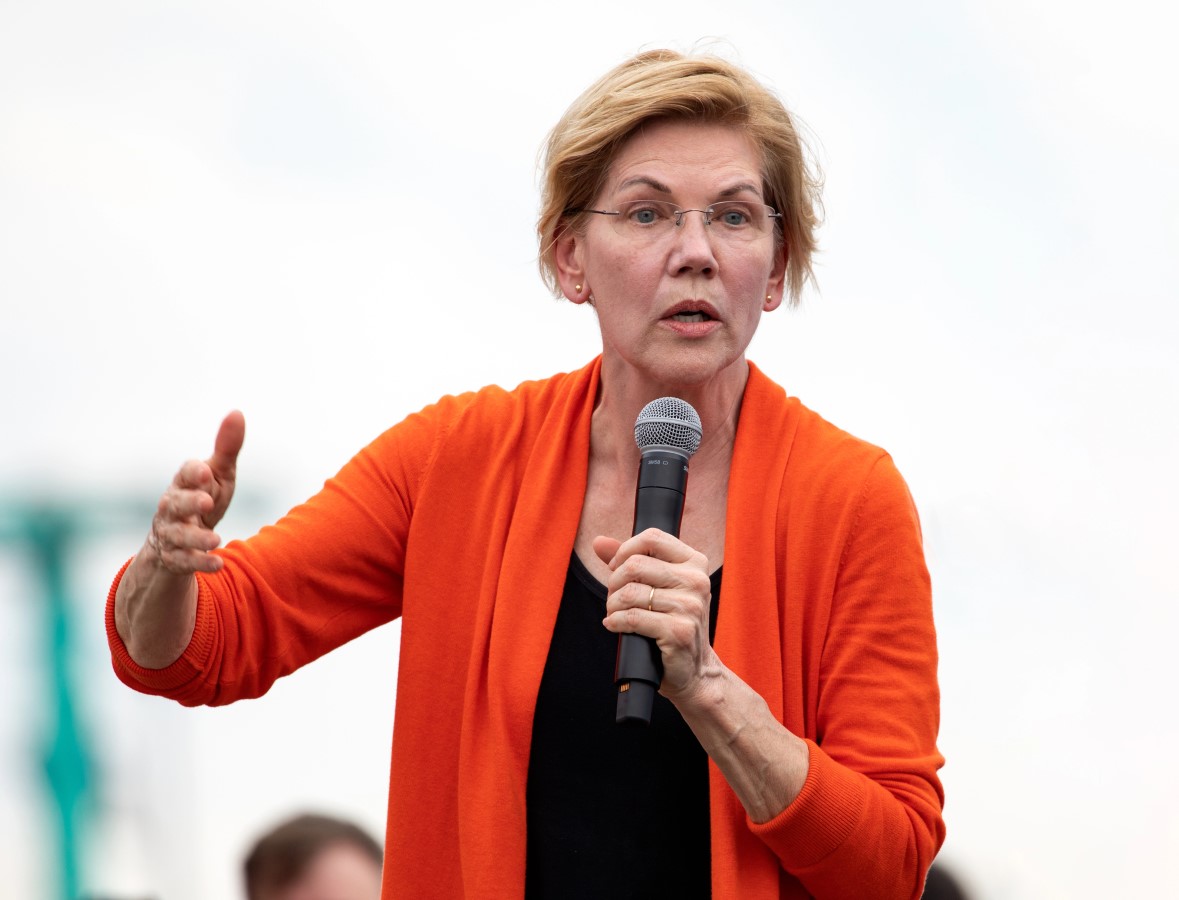
The letter also criticized Bisignano’s recent congressional testimony regarding appointment policies.
According to the senators, Bisignano testified that former Commissioner Martin O’Malley had implemented a policy under which members of the public were turned away from field offices if they did not have appointments.
The lawmakers disputed that claim and pointed out that, as of Monday afternoon, the SSA field office in Silver Spring, Maryland, was itself providing only limited in-person service by appointment.
Rural communities could face the biggest impact

The senators argued that staffing-related disruptions disproportionately affect rural Americans.
“Closing field offices and resident stations for in-person services also means Americans must travel further to get assistance,” they wrote. “In fact, recent analysis finds the closure of any field office would double the time it takes the average American to drive to their second-closest office.”
They said residents in rural communities often have fewer alternatives when local offices reduce or suspend in-person operations.
The Social Security Administration rejected the allegation that staffing shortages are responsible for temporary closures.
In a statement issued Tuesday, an SSA spokesperson said the agency’s offices that are currently closed or offering limited services are affected by building-related issues rather than staffing levels.
“None of SSA’s field offices are closed or offering limited service due to staffing issues,” the spokesperson wrote. “The field office closures listed on the Social Security website are not permanent. The offices are temporarily closed or providing limited service due to planned renovations, required maintenance, or facilities issues that we are actively working with GSA and building owners to resolve. SSA’s resident stations are located in rural areas and typically have one or two employees assigned to provide in-person services.”
The spokesperson added that the Bloomsburg, Pennsylvania, and Logan, West Virginia, offices remain closed because of structural issues, though no timeline was provided for reopening or replacement.
Debate over SSA operations is likely to continue
The exchange highlights an ongoing disagreement over the state of Social Security’s field office network. While Senate Democrats argue that staffing cuts and employee reassignments are contributing to reduced public access, the SSA maintains that temporary closures are driven by maintenance, renovation, and facility-related issues rather than workforce shortages.
The lawmakers have requested additional information from Commissioner Bisignano, and the agency’s response could provide further details about how it plans to balance staffing levels, customer service demands, and continued access to in-person Social Security services.
Like Financial Freedom Countdown content? Be sure to follow us!
14 essential strategies to maximize your Social Security and avoid costly mistakes
Social Security is a vital lifeline for many seniors, providing crucial income support during retirement. With inflation at its highest in four decades, Social Security’s inflation-adjusted benefits offer protection against rising costs.
Rising interest rates have disrupted many retirement portfolios, causing bond fund values to plummet. In this volatile financial landscape, Social Security can stabilize a typical stock-bond retirement portfolio. By implementing smart strategies, retirees can maximize their Social Security benefits and ensure a more secure financial future.
14 Essential Strategies to Maximize Your Social Security and Avoid Costly Mistakes
11 reasons you should claim Social Security early

Deciding when to claim Social Security is often about maximizing your benefit. Financial planners usually advise delaying your claim for as long as possible to secure the highest monthly payment. Your benefit is based on your lifetime earnings, with a full payout available at your full retirement age (FRA), which is currently between 66 and 67 depending on your birth year. Claiming before FRA results in a permanent reduction in your monthly benefit, while waiting beyond FRA leads to a permanent increase. However, the decision isn’t solely about maximizing the monthly check. Personal factors such as health, family circumstances, and financial needs can play a significant role in determining the right time to claim.
11 Reasons You Should Claim Social Security Early

Did you find this article helpful? We’d love to hear your thoughts! Leave a comment with the box on the left-hand side of the screen and share your thoughts.
Also, do you want to stay up-to-date on our latest content?
1. Follow us by clicking the [+ Follow] button above,
2. Give the article a Thumbs Up on the top-left side of the screen.
3. And lastly, if you think this information would benefit your friends and family, don’t hesitate to share it with them!

John Dealbreuin came from a third world country to the US with only $1,000 not knowing anyone; guided by an immigrant dream. In 12 years, he achieved his retirement number.
He started Financial Freedom Countdown to help everyone think differently about their financial challenges and live their best lives. John resides in the San Francisco Bay Area enjoying nature trails and weight training.
Here are his recommended tools
Personal Capital: This is a free tool John uses to track his net worth on a regular basis and as a retirement planner. It also alerts him wrt hidden fees and has a budget tracker included.
Platforms like Yieldstreet provide investment options in art, legal, real estate, structured notes, venture capital, etc. They also have fixed-income portfolios spread across multiple asset classes with a single investment with low minimums of $10,000.