Newsom backs making California’s temporary tax on top earners permanent as billions in school funding hang in the balance
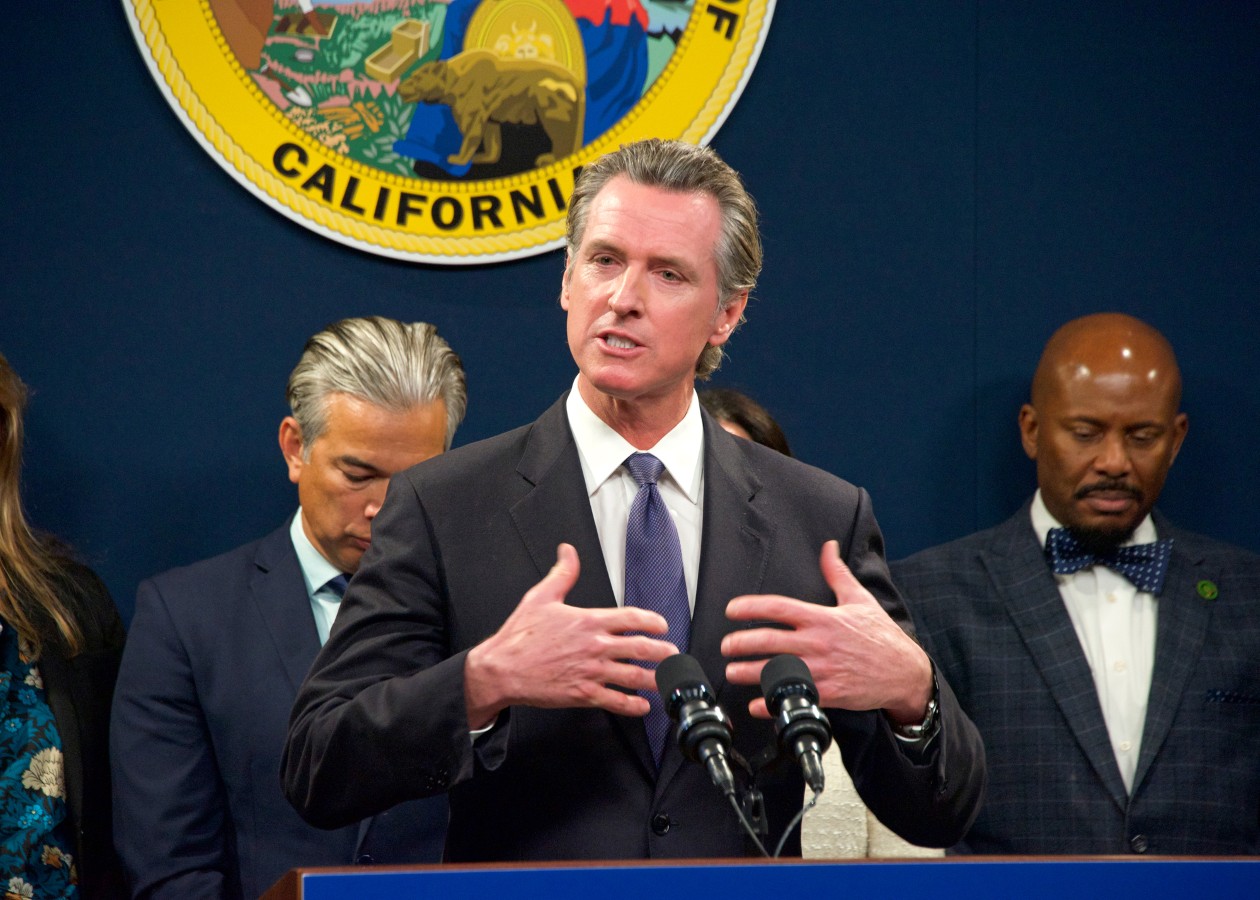
Gov. Gavin Newsom is backing a California ballot measure that would make a temporary tax increase on high earners permanent, putting him at the center of a debate over billions of dollars in school funding and the state’s reliance on wealthy taxpayers.
Proposition 3 would preserve income tax rates approved in 2012 and extended in 2016. Supporters say allowing the rates to expire would threaten education funding and force school districts to make difficult budget decisions. Opponents counter that California’s temporary tax increases have a habit of becoming permanent, raising questions about whether Sacramento can be trusted to keep its promises.
The measure also highlights a broader approach California Democrats are taking toward taxation, economic growth and public services.
The stakes are substantial. The Legislative Analyst’s Office estimates Proposition 3 would preserve between $5 billion and $15 billion in annual state income tax revenue that would otherwise disappear when the higher rates expire in 2031. Supporters say the extension is essential to schools and health care, while opponents argue the state should address spending concerns before making the tax permanent.
A temporary tax that voters have extended twice

The tax dates to Proposition 30, approved in 2012 to help California recover from the Great Recession. Voters agreed to temporarily increase income tax rates for the state’s highest earners, with the additional revenue helping stabilize the state budget and support education.
Four years later, voters approved Proposition 55, extending the higher income tax rates through 2030. Now, Proposition 3 would eliminate the expiration date altogether.
The Legislative Analyst’s Office estimates that allowing the tax to expire would reduce state revenue by $5 billion to $15 billion annually beginning in 2031. The amount varies considerably with stock market performance, investment income and other factors affecting wealthy taxpayers.
What Proposition 3 would mean for high earners

The measure applies to California’s top 2% of income earners. Under current law, the higher marginal rates range from 10.3% to 12.3%, depending on income, with brackets adjusted annually for inflation.
For 2025, the higher rates begin at approximately $371,000 for single filers and $743,000 for married couples filing jointly. The measure would preserve those rates rather than introduce a new tax increase.
California also has a separate 1% mental health tax on income above $1 million, bringing the state’s highest marginal income tax rate to 13.3%. Proposition 3 would not change that surcharge.
The official ballot summary explains that Proposition 3 would maintain existing rates and preserve revenue for education, health care, budget reserves and other state programs.
Newsom, Becerra and Democrats back the extension

Newsom has announced he will vote YES on Proposition 3, supporting the permanent extension of California’s existing higher income tax rates on top earners. His position puts him alongside Xavier Becerra, the Democratic candidate for governor, and the California Democratic Party.
Becerra has endorsed the measure, arguing that preserving the tax revenue is necessary to protect schools and health care. The California Democratic Party’s endorsement similarly frames the measure as a safeguard for education and essential services.
Teachers warn of major cuts if the tax expires

The California Teachers Association, which helped qualify Proposition 3 for the ballot, says the measure is essential to protecting school budgets. The union’s president, David Goldberg, warned that rejection could force districts to lay off as many as 50,000 teachers and make other cuts.
“I can’t overstate how important this is,” Goldberg said. “It’s only a tax on the wealthiest Californians, but it’s vital for our schools.”
The union and allied groups have mounted a major campaign to pass the measure, sending members to knock on more than 200,000 doors statewide.

In strong revenue years, the high-income tax can account for about 15% of California’s overall K-12 education budget. The money flows through the state’s Proposition 98 funding system, which guarantees funding for K-12 schools and community colleges.
Of the education funding allocated through the measure, 89% goes to K-12 schools and 11% to community colleges. The additional revenue also frees up money the state would otherwise spend on education, allowing it to support health care and other public services.
The California Legislative Analyst’s Office explains how the tax affects education funding and the state’s broader budget. Supporters say school districts need advance notice of major funding changes because they plan budgets years ahead.
Opponents question whether schools need permanent funding increases

Opponents argue that California’s declining enrollment should prompt a reassessment of school spending rather than an automatic extension of higher taxes. K-12 enrollment has fallen by more than 500,000 students since the mid-2010s, while California already has the nation’s highest top marginal income tax rate.
“We have fewer and fewer students. Does this mean we need fewer teachers? Maybe it does,” said Susan Shelley, vice president of the Howard Jarvis Taxpayers Association. “It’s time to revisit some of these costs. Some districts have unaffordable labor contracts, fewer students … It’s not sustainable.”
The Legislative Analyst’s Office notes that the state’s top 2% of earners pay about half of its personal income taxes, making California particularly dependent on their continued earnings.
Campaign spending heavily favors supporters
The campaign has attracted substantial financial support from education and labor organizations. As of October 22, supporters had raised approximately $81 million, compared with $5,500 for opponents, according to the California Secretary of State’s campaign finance records.
The California Teachers Association was the largest contributor, followed by the National Education Association and other education and labor groups. The spending imbalance reflects the measure’s strong backing from organized labor and education advocates.
Spending concerns remain
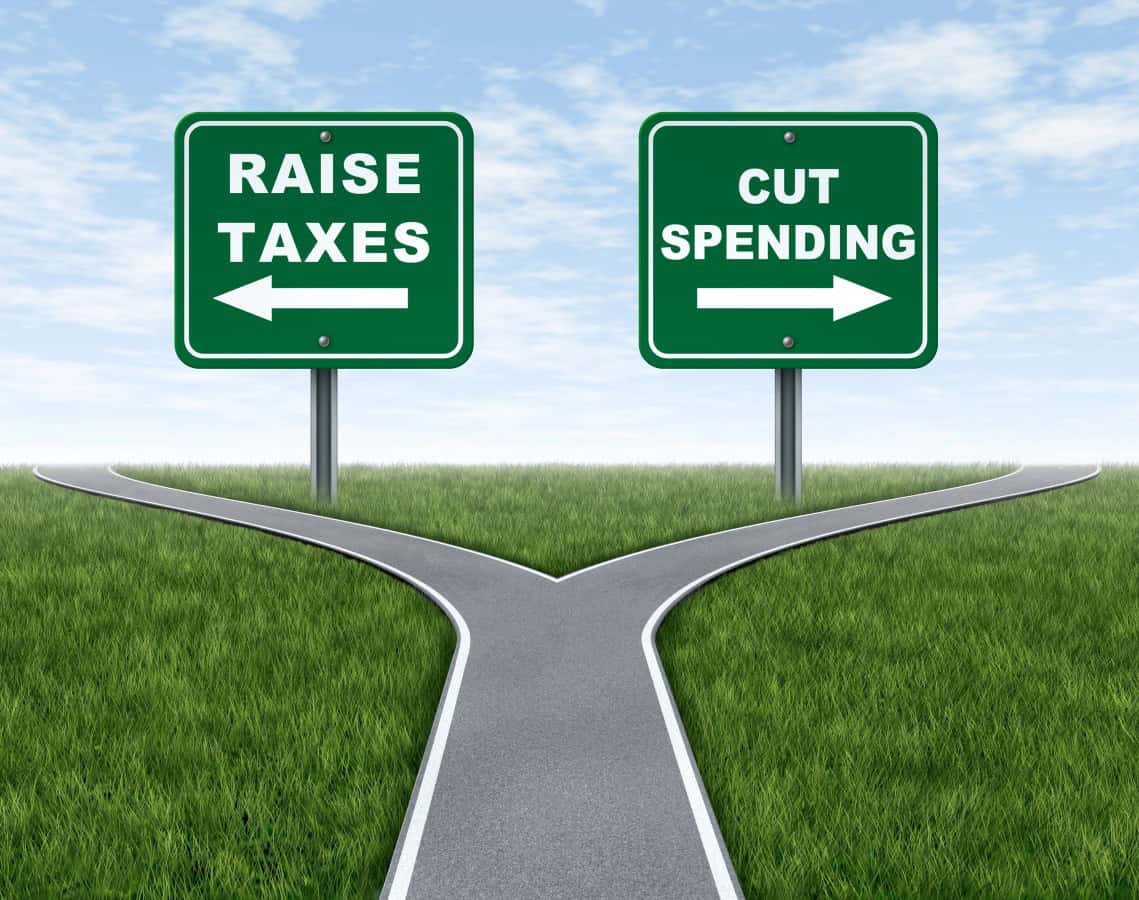
California has established oversight requirements for the existing tax. The State Controller’s Office audits the State Education Protection Account, while independent auditors review school districts’ spending plans annually. The state reports that Proposition 30 and Proposition 55 have generated more than $119 billion since 2012.
Those safeguards provide transparency, but they do not resolve the broader debate over whether California’s spending priorities are delivering sufficient results. Opponents argue that lawmakers should demonstrate greater spending discipline before removing the tax’s expiration date. Supporters counter that the existing tax is already subject to accountability requirements and that losing the revenue would jeopardize education and other public services.
The State Controller’s Proposition 30/55 tracking page provides information on revenue, allocations and audit reports.
California’s temporary tax has become a recurring political promise

Proposition 3 would mark the latest step in a familiar sequence: voters approved a temporary income tax increase in 2012, extended it in 2016, and are now being asked to make it permanent. The accompanying sales tax increase from Proposition 30 did expire as scheduled, but the income tax portion survived.
That history gives opponents a powerful argument about the credibility of temporary tax promises. Supporters, meanwhile, say the extension reflects the continuing need for stable education funding rather than a broken commitment.
The choice is not simply whether to tax high earners. It is whether California should preserve $5 billion to $15 billion in annual revenue for schools, health care and other state services, or allow the higher income tax rates to expire in 2031.
Supporters warn that expiration could bring layoffs, program cuts and financial uncertainty for school districts. Opponents argue that the state should prioritize spending reforms and accountability rather than permanently extend a tax originally presented as temporary.
The November 3 vote will determine whether California’s high-earner tax remains a temporary response to a budget crisis or becomes a permanent part of the state’s fiscal structure.
Like Financial Freedom Countdown content? Be sure to follow us!

Did you find this article helpful? We’d love to hear your thoughts! Leave a comment with the box on the left-hand side of the screen and share your thoughts.
Also, do you want to stay up-to-date on our latest content?
1. Follow us by clicking the [+ Follow] button above,
2. Give the article a Thumbs Up on the top-left side of the screen.
3. And lastly, if you think this information would benefit your friends and family, don’t hesitate to share it with them!

John Dealbreuin came from a third world country to the US with only $1,000 not knowing anyone; guided by an immigrant dream. In 12 years, he achieved his retirement number.
He started Financial Freedom Countdown to help everyone think differently about their financial challenges and live their best lives. John resides in the San Francisco Bay Area enjoying nature trails and weight training.
Here are his recommended tools
Personal Capital: This is a free tool John uses to track his net worth on a regular basis and as a retirement planner. It also alerts him wrt hidden fees and has a budget tracker included.
Platforms like Yieldstreet provide investment options in art, legal, real estate, structured notes, venture capital, etc. They also have fixed-income portfolios spread across multiple asset classes with a single investment with low minimums of $10,000.