
California Democratic governor candidate faces mileage tax backlash as Republican Steve Hilton promises $73 car registration
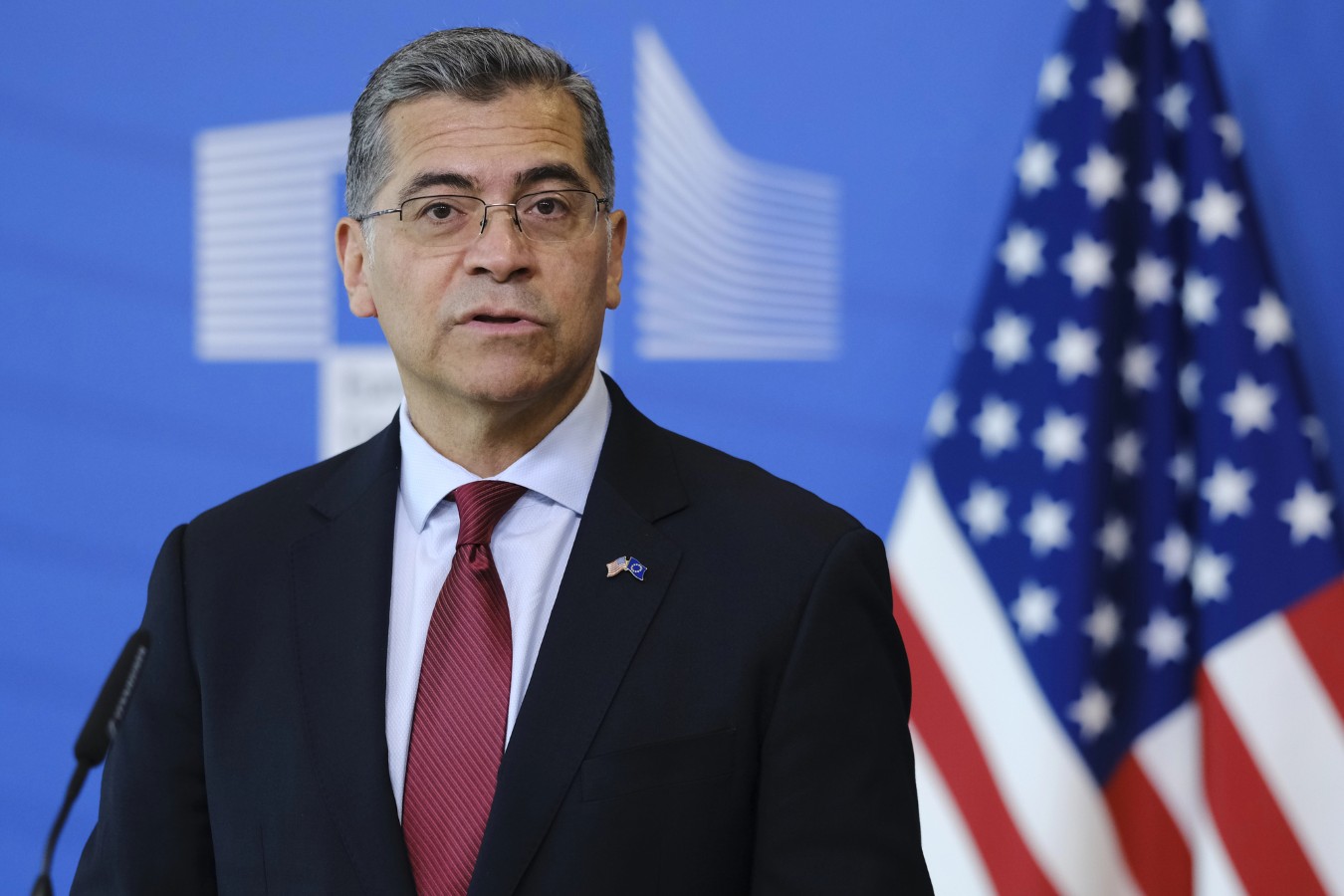
California’s gubernatorial race is facing a new dispute over the cost of driving after Democratic candidate Xavier Becerra said he would consider a mileage-based tax to help pay for road maintenance. His comments have drawn criticism from Republican rival Steve Hilton, who argues that Californians already pay too much in gasoline taxes and vehicle registration fees.
The controversy centers on a potential vehicle-miles-traveled (VMT) tax, which would charge motorists based on how many miles they drive rather than how much gasoline they purchase. California has been studying the idea as a possible alternative to its traditional gasoline-tax system, but the state has not approved a universal mileage charge.
In an interview with KCRA, Becerra said a mileage-based fee should remain an option, particularly as electric vehicles become more common and contribute less to transportation funding through traditional gasoline taxes. He argued that drivers should help pay for the roads they use, regardless of what type of vehicle they own.
Hilton quickly turned the comments into a campaign issue, accusing Becerra of potentially making commuting more expensive. The Republican is contrasting the Democrat’s openness to a mileage tax with his own promises to reduce gasoline prices and cap vehicle registration at $73.
The disagreement raises a broader question for California voters: Should the state find new ways to collect money for its roads as gasoline-tax revenue declines, or should it focus on cutting existing transportation taxes and fees?
Becerra says a mileage tax should remain on the table

During his interview with KCRA’s California Politics 360, Becerra was asked whether he would support a vehicle-miles-traveled tax if elected governor.
“Everything should be on the table,” Becerra said.
He explained that California needs reliable funding to maintain its roads and bridges, particularly as more motorists switch to electric vehicles.
“Our roads aren’t maintained just by some magic wand. We have to pay for it. Do I want to tax people more than necessary? No. Should we pay a gas tax? Yes. Should people who drive electric vehicles, who don’t need gas, pay for those roads to be repaired as well? Absolutely.”
Becerra’s comments indicate that he is open to considering a mileage-based charge as part of a broader transportation funding discussion. However, he did not announce a specific tax rate, implementation schedule or plan to impose the charge.
That distinction became important after his comments attracted criticism from Hilton. Becerra’s campaign subsequently emphasized that the candidate had not proposed implementing a mileage tax.
Hilton attacks Becerra over potential new driving costs
Hilton wasted little time making the issue part of his campaign messaging. In one post on X, he directly connected Becerra’s comments to California’s existing gasoline taxes and vehicle registration expenses.
” Xavier Becerra said he will tax Californians for every mile they drive. He wants to charge you more money just to drive. Xavier Becerra will increase the gas tax, increase car registration costs, and now charge a tax for every mile you drive 🤯 On the other hand, I will bring gas prices down. I will cap car registration at $73. I want to save you money and make life better for Californians. Who are you voting for, California? ”
In another post, Hilton focused on the financial pressure transportation expenses place on working households.
“Xavier Becerra will make life even more difficult for Californians.
Californians are already paying thousands of dollars in gas taxes, car registration fees, and other expenses just to get to work and back.
Now, he wants to tax us for every mile we drive.
How much more are hardworking Californians supposed to pay?”
Hilton’s criticism is based on the possibility that a mileage charge could add another expense for drivers who already pay gasoline taxes, registration fees and other transportation-related costs.
However, his characterization that Becerra will impose such a tax goes beyond the candidate’s actual comments. Becerra said he would keep the idea on the table, not that he had decided to introduce it.
Becerra’s campaign says he has not proposed a mileage tax

Following the controversy, Becerra’s campaign pushed back against Hilton’s characterization.
A spokesperson for the Democratic candidate told FOX 11: “Secretary Becerra has not proposed a mileage tax. Working families already pay their share every day, and under his watch, the billionaires Steve Hilton wants to protect will pay their fair share too.”
The statement draws a distinction between examining a potential transportation funding mechanism and committing to implement it.
Becerra’s position is that California needs to consider how it will finance road maintenance as the number of electric vehicles increases. His campaign, however, is not presenting a mileage tax as an established policy proposal.
The distinction matters because California’s transportation agencies and lawmakers have been examining mileage-based funding for years, regardless of Becerra’s gubernatorial campaign.
California has been studying a mileage tax for years

California’s mileage-tax discussion predates the current gubernatorial race. The state has been researching a road usage charge as a possible replacement for some or all of its traditional gasoline-tax revenue.
According to Caltrans’ California Road Charge Program, the existing system relies heavily on gasoline and other fuel taxes to finance road maintenance and repairs. As vehicles become more fuel-efficient and electric vehicles become more common, the amount of revenue collected through gasoline taxes may decline.
A road usage charge would operate differently. Instead of paying based primarily on how much fuel a vehicle consumes, motorists would contribute according to the number of miles they travel.
The approach is based on a user-pays principle: Drivers who use the roads contribute toward maintaining them, regardless of whether their vehicles run on gasoline, diesel or electricity.
California has already conducted a road-charge pilot program to examine how such a system might work. The research has included different methods of measuring mileage, collecting payments and addressing privacy concerns.
The program has not resulted in a statewide mileage tax. Rather, it has provided information for policymakers considering potential alternatives to the current transportation funding system.
AB 1421 advances California’s mileage-tax research

The debate has also gained attention through Assembly Bill 1421, introduced by Democratic Assemblymember Lori Wilson.
The legislation addresses the state’s Road Usage Charge Technical Advisory Committee and extends its work examining mileage-based transportation funding.
Under the legislation, the California Transportation Commission is required to consolidate existing research and prepare recommendations concerning a potential road user charge or mileage-based fee system.
The bill calls for a report to the Legislature by January 1, 2027, addressing several important issues, including:
The potential inequities affecting lower-income drivers who commute longer distances in less fuel-efficient vehicles.
The impact of weight-based mileage fees on commercial vehicles and electric vehicles.
Regional and statewide approaches to implementing a road usage charge, including how California could collect contributions from vehicles traveling into the state.
Input from transportation agencies, local governments, privacy and data-security experts, environmental justice organizations and transportation users.
The legislation is important because it demonstrates that mileage-based funding is an active policy discussion in Sacramento, rather than an idea introduced exclusively by Becerra.
However, AB 1421 does not establish a statewide mileage tax or authorize the state to begin collecting a new per-mile charge. It focuses on research, recommendations and extending the state’s existing road-charge planning framework.
The AB 1421 legislative text outlines these requirements. The bill’s legislative history also shows its progress through the Legislature.
Potential mileage charges could cost drivers hundreds of dollars

One reason the mileage-tax debate has attracted attention is the potential cost to motorists if California eventually adopts a per-mile system.
According to FOX 11, some Republican state lawmakers have cited potential charges of 6 to 9 cents per mile under previously studied approaches. Using those estimates, an average driver could face approximately $1,000 annually in additional charges.
These figures are estimates based on potential rates, not an approved California tax schedule. Neither Becerra nor the state has announced a specific per-mile rate that would apply to motorists.
Nevertheless, the potential expense illustrates why the issue could become politically sensitive.
For example, a driver traveling 12,000 miles annually would pay $720 at a hypothetical rate of 6 cents per mile and $1,080 at 9 cents per mile.
The actual financial impact would depend on the final rate, how the system is structured and whether a mileage charge replaces or supplements existing gasoline taxes.
Lower-income households and residents in rural communities could face particular challenges if they must drive longer distances to reach workplaces, schools, medical appointments and essential services.
AB 1421 specifically calls for examining these potential inequities before policymakers move toward any broader implementation.
California drivers already pay substantial gasoline taxes
Hilton’s criticism also draws on the existing cost of driving in California.
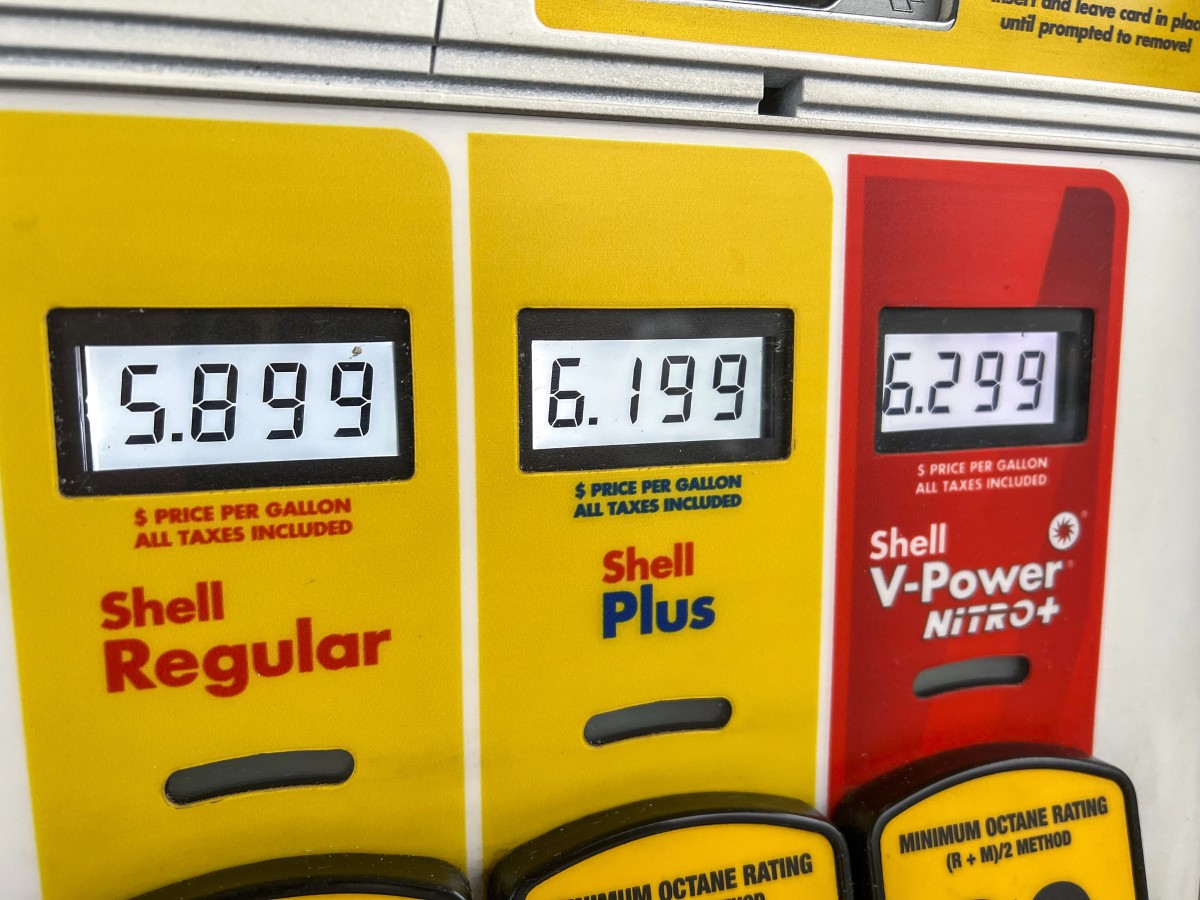
For the 2026-27 fiscal year, the state’s gasoline excise tax is 63.4 cents per gallon, effective July 1, 2026, according to the California State Controller’s Office. That amount is separate from applicable sales taxes and other components of gasoline prices.
California drivers also pay vehicle registration charges that can include a registration fee, California Highway Patrol fee, vehicle license fee, transportation improvement fee and other applicable assessments.
The amount varies depending on factors such as the vehicle’s value, type, weight and location.
The California DMV’s registration fee schedule details the charges motorists may encounter.
These expenses help explain why a mileage-based fee could become a contentious issue. Drivers who commute long distances may worry that a new charge would increase their transportation costs, particularly if they continue paying existing gasoline taxes.
At the same time, California officials argue that the traditional system could become less reliable as fuel consumption declines, making alternative revenue sources necessary to maintain the state’s transportation infrastructure.
Hilton promises $73 registration and lower gasoline prices
Hilton is offering voters a different approach, built around reducing the taxes and fees associated with driving.
His most prominent registration proposal is to cap annual vehicle registration at $73 per vehicle. That would represent a substantial reduction for motorists who currently pay significantly more under California’s existing registration system.
Hilton has also promised to lower gasoline prices to $3 per gallon by eliminating California’s state gasoline tax, repealing the Low Carbon Fuel Standard and increasing domestic oil production in the state.
His proposals are part of a broader affordability platform that includes reducing taxes and rolling back regulations.
In an October interview with Axios, Hilton outlined his plans for California, including his proposals to lower transportation expenses. He has also discussed eliminating the California DMV as a standalone agency and shifting some of its services to county offices and other providers.
However, these are campaign promises, not enacted policies. Eliminating gasoline taxes and changing registration fees would require significant policy and legislative decisions. The state would also need to address how to replace the revenue currently supporting transportation programs.
The proposals therefore present a different funding challenge from Becerra’s willingness to consider alternative transportation charges.
Becerra and Hilton offer competing approaches to California’s transportation costs
The mileage-tax dispute reflects a broader disagreement over how California should address its financial pressures while making life more affordable for residents.
Becerra has argued that the state needs to examine new ways of financing infrastructure and ensuring that electric vehicle owners contribute toward road maintenance. His comments leave open the possibility of a mileage-based charge, although his campaign says he has not proposed implementing one.
Hilton, meanwhile, is promising to reduce the costs motorists face through lower gasoline prices and a $73 vehicle registration cap. He argues that Californians should not be asked to pay another transportation-related charge when existing taxes and fees are already substantial.
Both approaches raise questions about how the state would finance its roads and bridges. A mileage-based system could provide a broader funding base as gasoline consumption declines, but it could also place additional costs on drivers who travel long distances. Hilton’s proposed tax and fee reductions could provide savings for motorists, but would require California to address the resulting loss of transportation revenue.
For California voters, the immediate distinction is that a statewide mileage tax has not been approved and Becerra has not committed to imposing one. However, the state’s ongoing research means the issue is unlikely to disappear after the gubernatorial campaign.
The next governor will face decisions about how to maintain California’s roads, how to distribute those costs among drivers and whether the state’s existing gasoline-tax system can continue to provide sufficient funding.
Like Financial Freedom Countdown content? Be sure to follow us!

Did you find this article helpful? We’d love to hear your thoughts! Leave a comment with the box on the left-hand side of the screen and share your thoughts.
Also, do you want to stay up-to-date on our latest content?
1. Follow us by clicking the [+ Follow] button above,
2. Give the article a Thumbs Up on the top-left side of the screen.
3. And lastly, if you think this information would benefit your friends and family, don’t hesitate to share it with them!

John Dealbreuin came from a third world country to the US with only $1,000 not knowing anyone; guided by an immigrant dream. In 12 years, he achieved his retirement number.
He started Financial Freedom Countdown to help everyone think differently about their financial challenges and live their best lives. John resides in the San Francisco Bay Area enjoying nature trails and weight training.
Here are his recommended tools
Personal Capital: This is a free tool John uses to track his net worth on a regular basis and as a retirement planner. It also alerts him wrt hidden fees and has a budget tracker included.
Platforms like Yieldstreet provide investment options in art, legal, real estate, structured notes, venture capital, etc. They also have fixed-income portfolios spread across multiple asset classes with a single investment with low minimums of $10,000.