Proposed California Billionaire Tax Sparks High-Stakes Democratic Clash Ahead of 2028 Presidential Race
A proposal to raise taxes on the wealthiest Californians is exposing sharp divisions within the Democratic Party in the nation’s largest blue state. The debate is also expected to fuel broader policy disagreements as Democrats position themselves for upcoming elections, including California’s gubernatorial race and potential 2028 presidential campaigns.
The emerging split highlights long-standing tensions between progressive and centrist factions over how aggressively to pursue tax reforms targeting wealthy individuals. While Democrats broadly support affordability initiatives, the specifics of this billionaire tax have sparked intense disagreement.
What the Billionaire Tax Proposal Would Do

The proposed 2026 Billionaire Tax Act would impose a one-time 5% tax on Californians whose net worth exceeds $1.1 billion. The measure would also include a smaller tax on individuals with net worth between $1 billion and $1.1 billion, with the taxes applied retroactively to residents living in the state as of Jan. 1, 2026.
If passed, the initiative would require the state to allocate 90% of the new revenue toward health care, with the remaining 10% divided between education and food assistance programs. Supporters argue the tax could generate tens of billions of dollars in funding for critical public services.
High-Profile Democrats Oppose the Measure

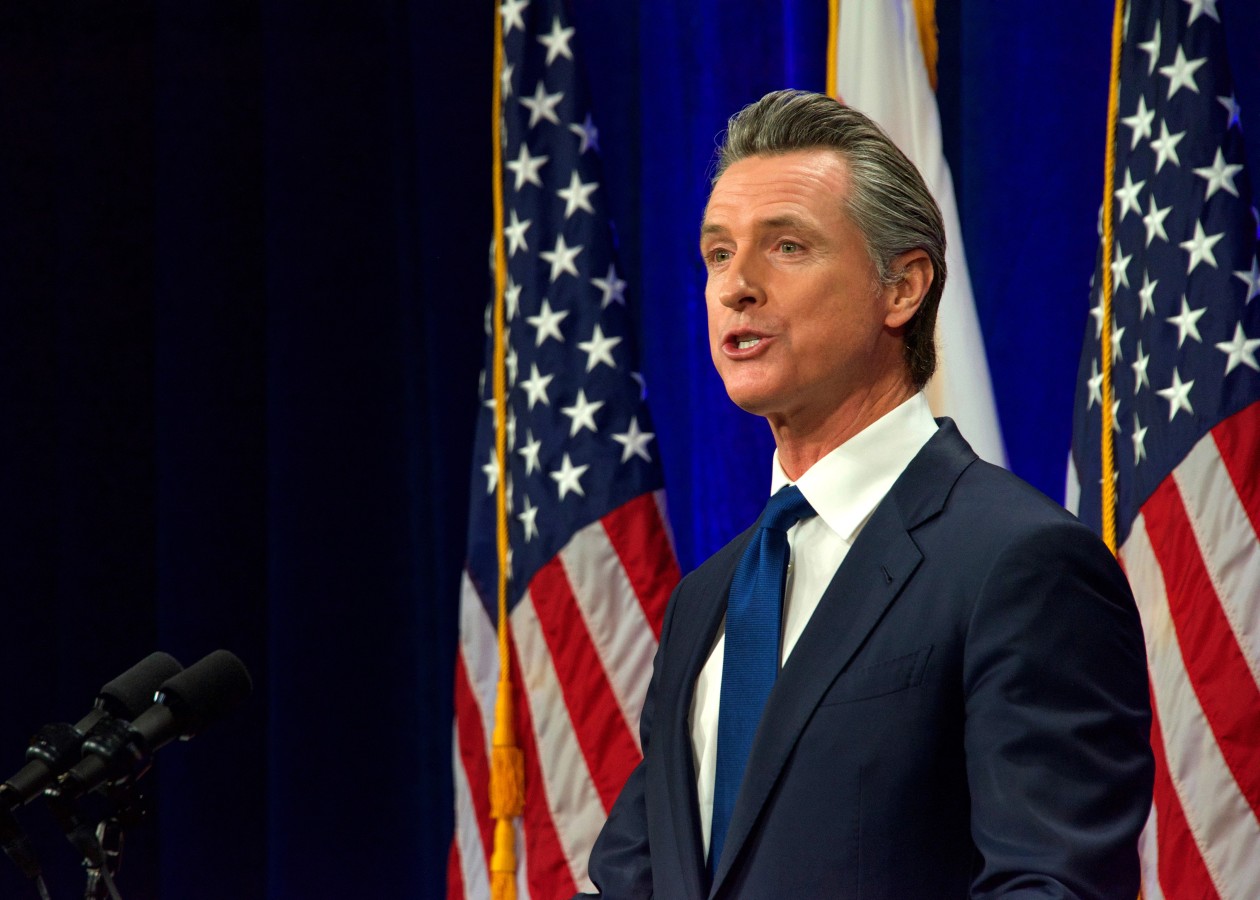
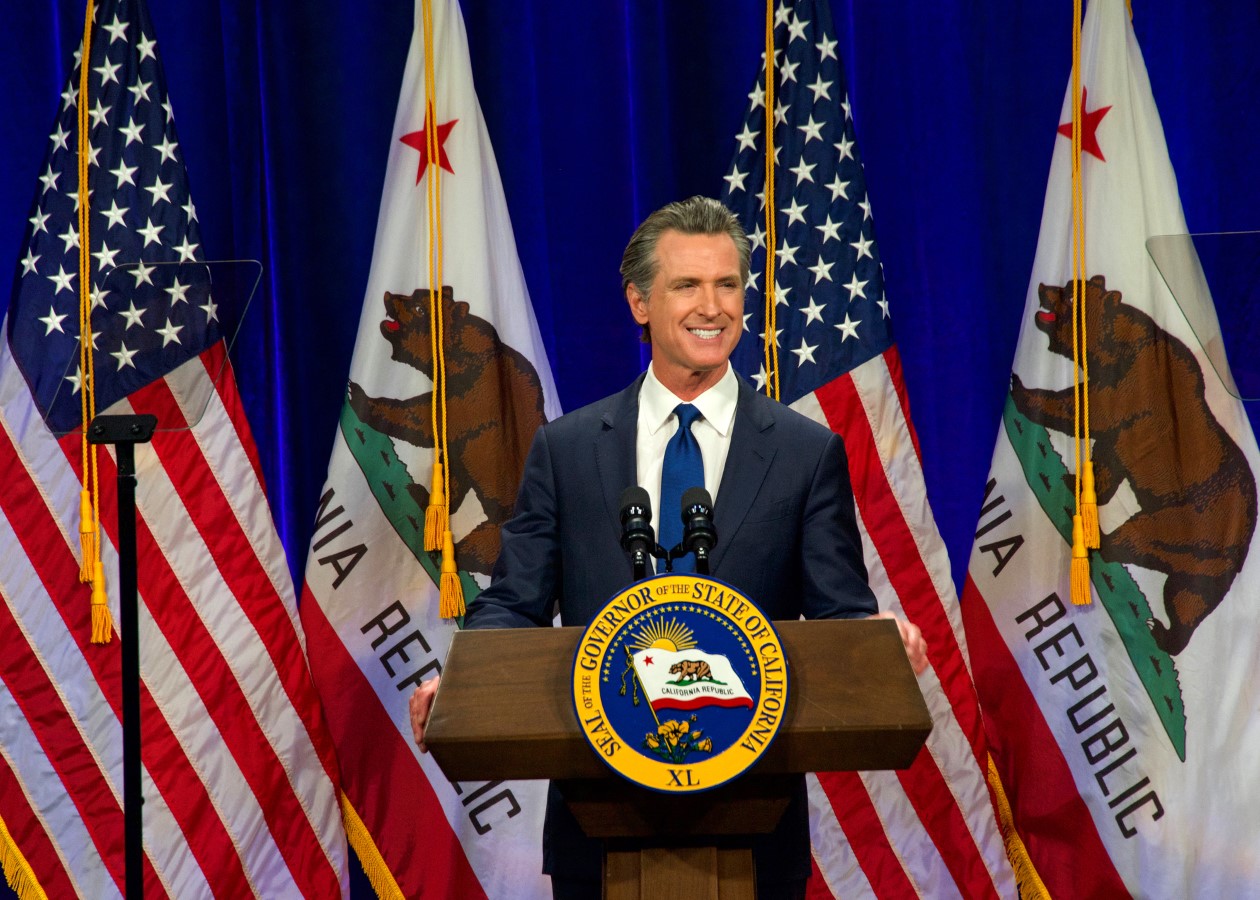
Several prominent Democratic leaders have publicly rejected the billionaire tax proposal, including California Gov. Gavin Newsom. The governor and others contend that such a tax could drive wealthy residents and businesses out of the state, potentially worsening long-term budget challenges.
“It’s really damaging to the state,” Newsom said. “I think it will be defeated, because I think people understand what it does versus what it promotes to do.”
Newsom has been joined in opposition by former Rep. Katie Porter, former Los Angeles Mayor Antonio Villaraigosa and former U.S. Health Secretary Xavier Becerra, all of whom are competing in the crowded gubernatorial race.
Progressive Leaders Rally Behind Wealth Tax Effort
On the opposite side of the debate, progressive figures including Rep. Ro Khanna and billionaire gubernatorial candidate Tom Steyer have expressed support for the initiative. Advocates argue that targeting extreme wealth is necessary to address rising income inequality and protect public services.
“We need a new tech social contract,” Khanna said. “A nation cannot thrive with islands of prosperity and a sea of despair. The income inequality in California is staggering where billionaire wealth has exploded by 158 percent in the last 3 years yet over 2 million Californians will lose healthcare and over 200,000 health care workers will lose their jobs.”
Ballot Initiative Faces Key Signature Deadline

Supporters of the billionaire tax must gather 875,000 signatures by April for the proposal to qualify for the November ballot. The measure is being spearheaded by the Service Employees International Union-Healthcare Workers West, which argues that urgent funding is needed to stabilize California’s health care system.
The proposal emerged after previous wealth tax legislation stalled in the state legislature, prompting backers to pursue the ballot initiative route.
Supporters Say Tax Is Needed to Prevent Health Care Crisis

Advocates for the tax argue that looming budget gaps tied to Medicaid cuts included in President Donald Trump’s “big, beautiful bill” necessitate new revenue sources. They frame the measure as a targeted emergency response to prevent major disruptions in health care access.
Suzanne Jimenez, the chief of staff at SEIU-UHW who is helping to lead the effort, said the measure is necessary because “we needed a real solution that was going to bring in revenue to deal with the collapse of our health care system.” She called the measure an “emergency tax” that would likely only affect “just over 200 billionaires” in California who, she claimed, would “literally make up this money in about six months.”
Critics Warn of Wealth Flight and Economic Fallout
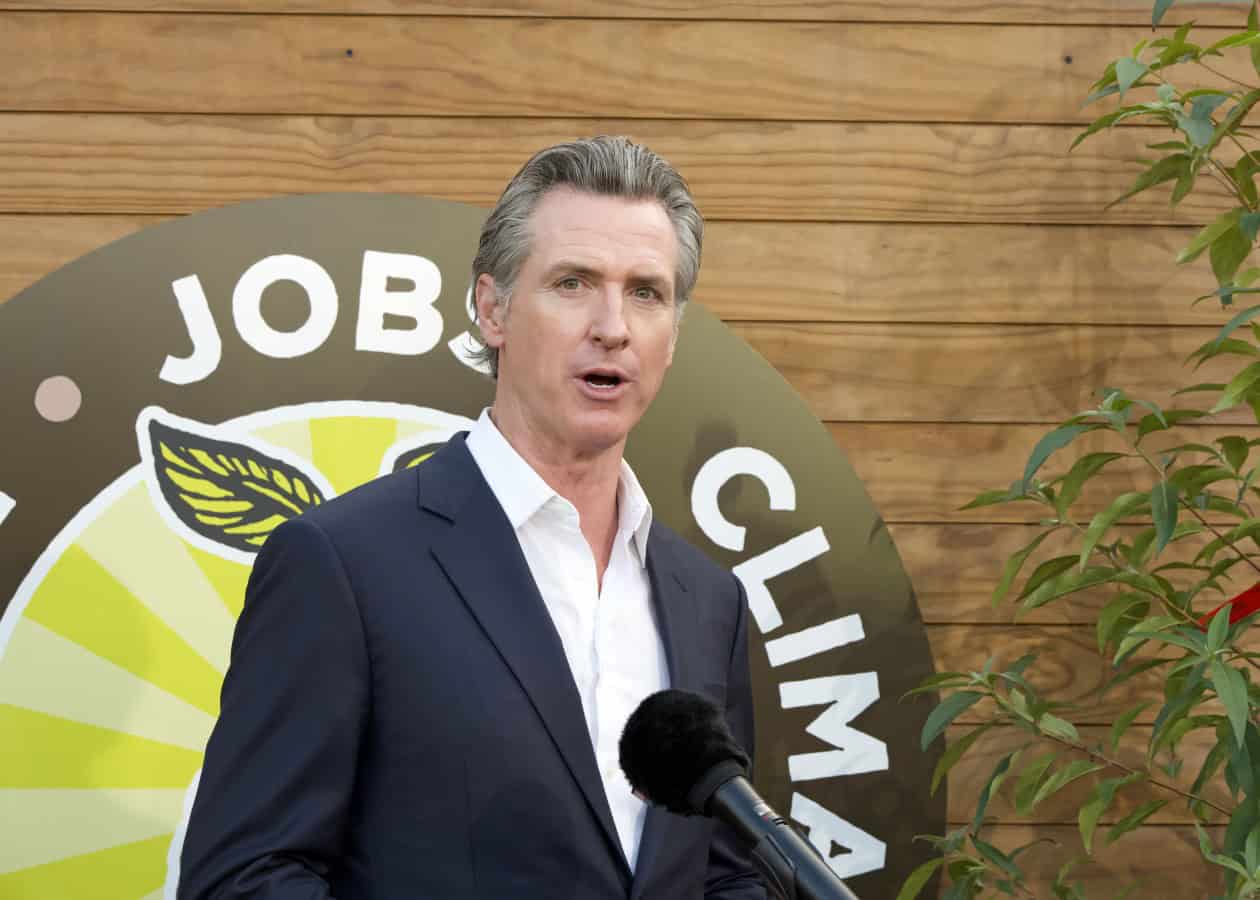
Opponents argue that a wealth tax could push high-income residents, investors and technology companies to relocate outside California, weakening the state’s tax base. Some have already pointed to reports suggesting prominent tech leaders have considered leaving the state due to potential tax increases.
San Jose Mayor Matt Mahan, who recently joined the governor’s race, said the proposal risks harming middle-class families indirectly. “I don’t think it will work,” said Mahan, who entered the crowded race for governor this week. “My concern with this is for middle class families who will be asked to pay more in taxes if we drive the tech industry out of California.”
Mahan added that California already has “one of, if not the, most progressive tax structures” and that he did “not think it will work” to add to the tax burden for the state’s uber-wealthy.
Republicans and Tech Billionaires Also Mobilize Against Plan

Republicans and several influential technology leaders have also launched efforts to stop the measure from reaching voters. Critics include David Sacks, the Trump administration’s artificial intelligence and crypto czar, and billionaire Peter Thiel, who has invested millions in organizing opposition campaigns.
The involvement of high-profile business figures has intensified the political battle and raised the stakes for the initiative’s supporters and critics alike.
Wealth Tax Supporters Dismiss Migration Concerns
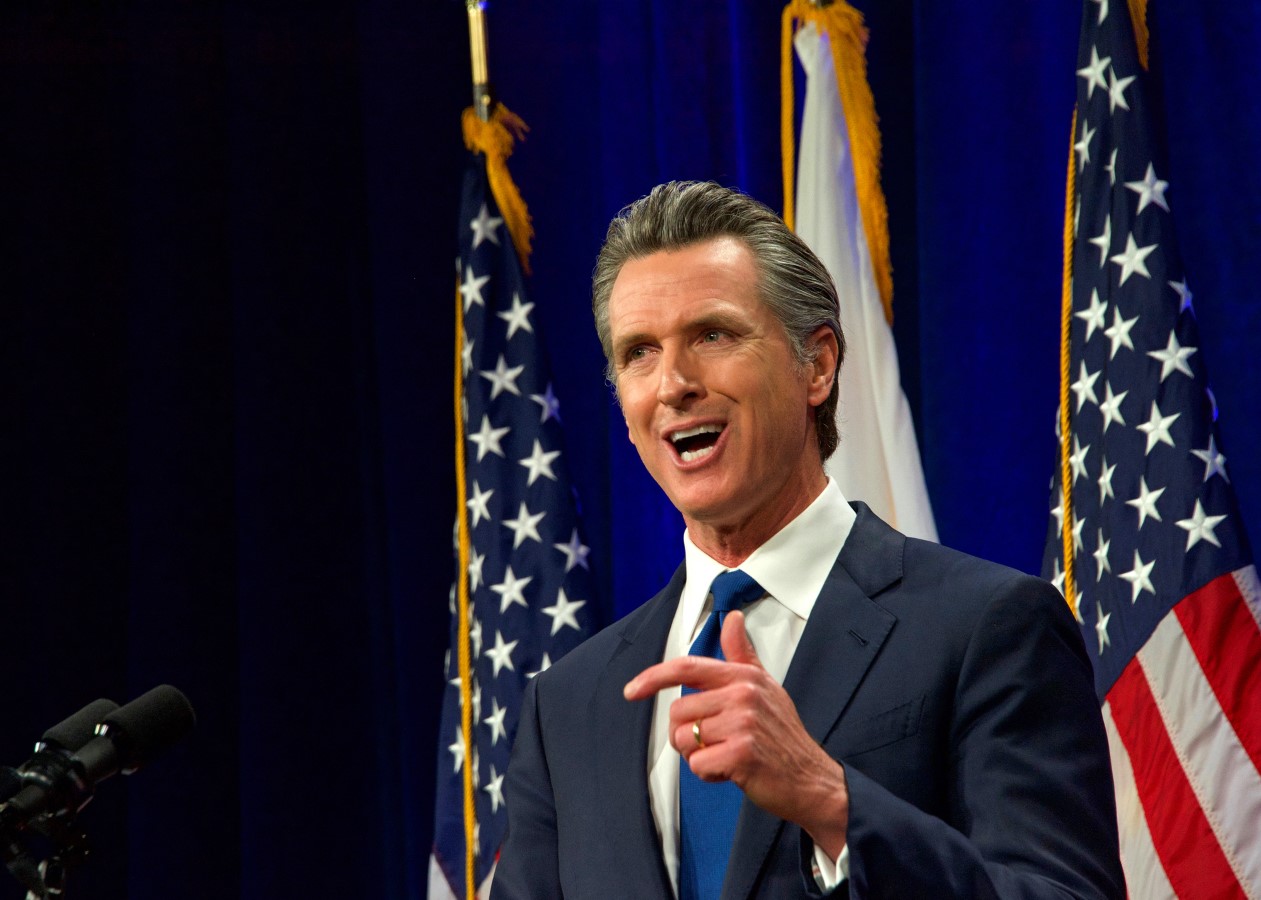
Backers of the proposal have pushed back on claims that wealthy residents will flee California if the tax is enacted. They argue similar warnings have surfaced in other jurisdictions without producing major long-term population shifts among high earners.
“The migration threat is overblown. This is the same rhetoric that you heard from rich people in New York City when [Zohran] Mamdani won,” said state Rep. Alex Lee, who sponsored prior legislation that would have implemented other wealth taxes in California.
“Right now, the sentiment among the American people and the people of California is that no one has any love for billionaires,” Lee added.
Billionaires Move Assets Out of California
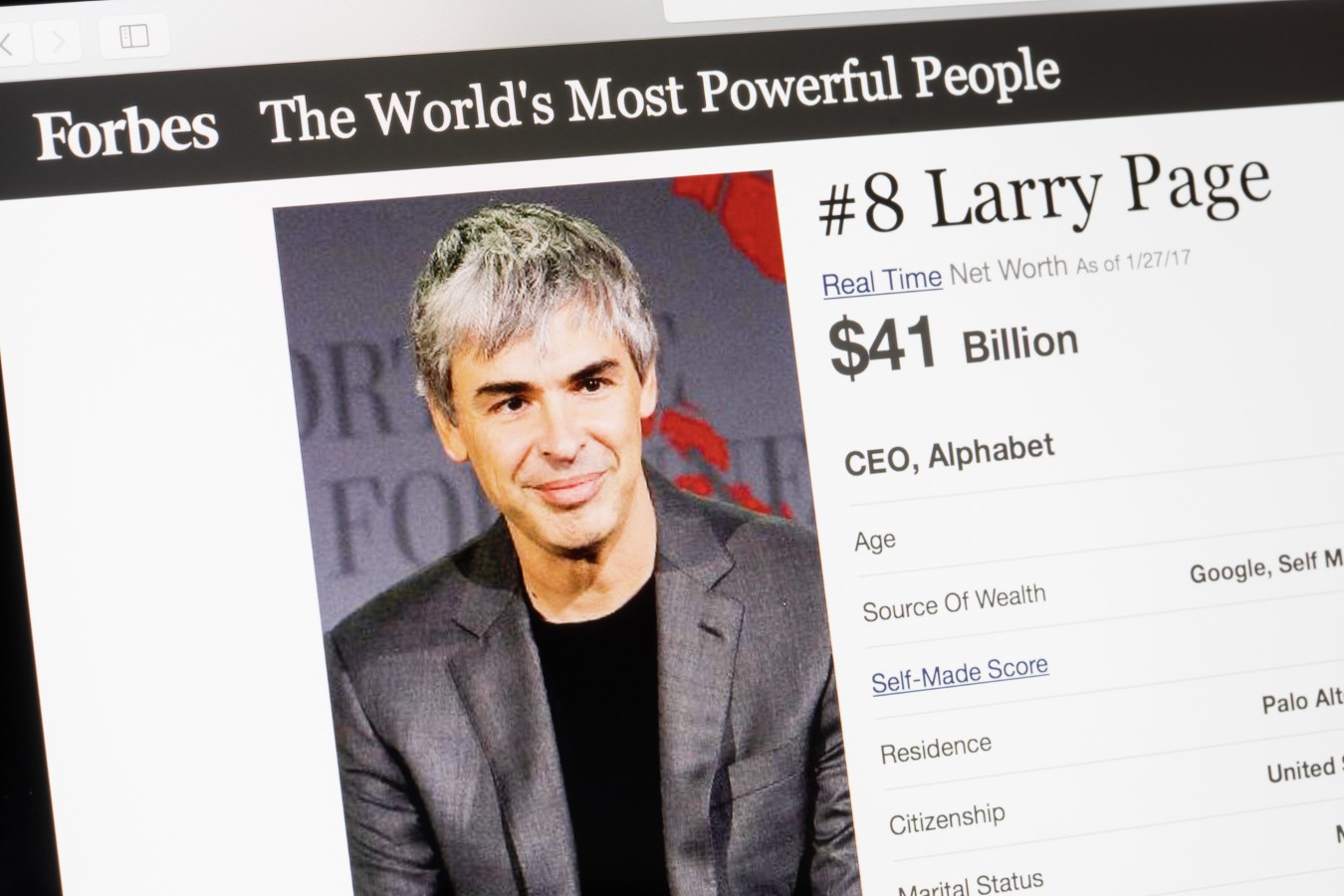
In the days before Christmas, entities tied to Google co-founders terminated or relocated California LLCs, according to filings reviewed by The New York Times.
California tech billionaire Peter Thiel announced last week that he had “established a significant presence in Miami over the last several years, maintaining a personal residence in the city since 2020” and an office for his Founders Fund venture capital firm since 2021.
David Sacks, a billionaire venture capitalist and co-founder of Craft Ventures, announced on the final day of 2025 that his firm had opened an office in Austin, Texas.
Tech investor Chamath Palihapitiya has publicly said he is giving “serious consideration” to moving to Texas, warning that the tax could drive entrepreneurs and capital out of California.
Khosla alleged that even before the tax is approved, California has already lost roughly half of the state’s top $2 trillion in wealth. He argued that once billionaires leave, the tax revenue tied to them is gone for good; a loss he says the state will never fully recover from.
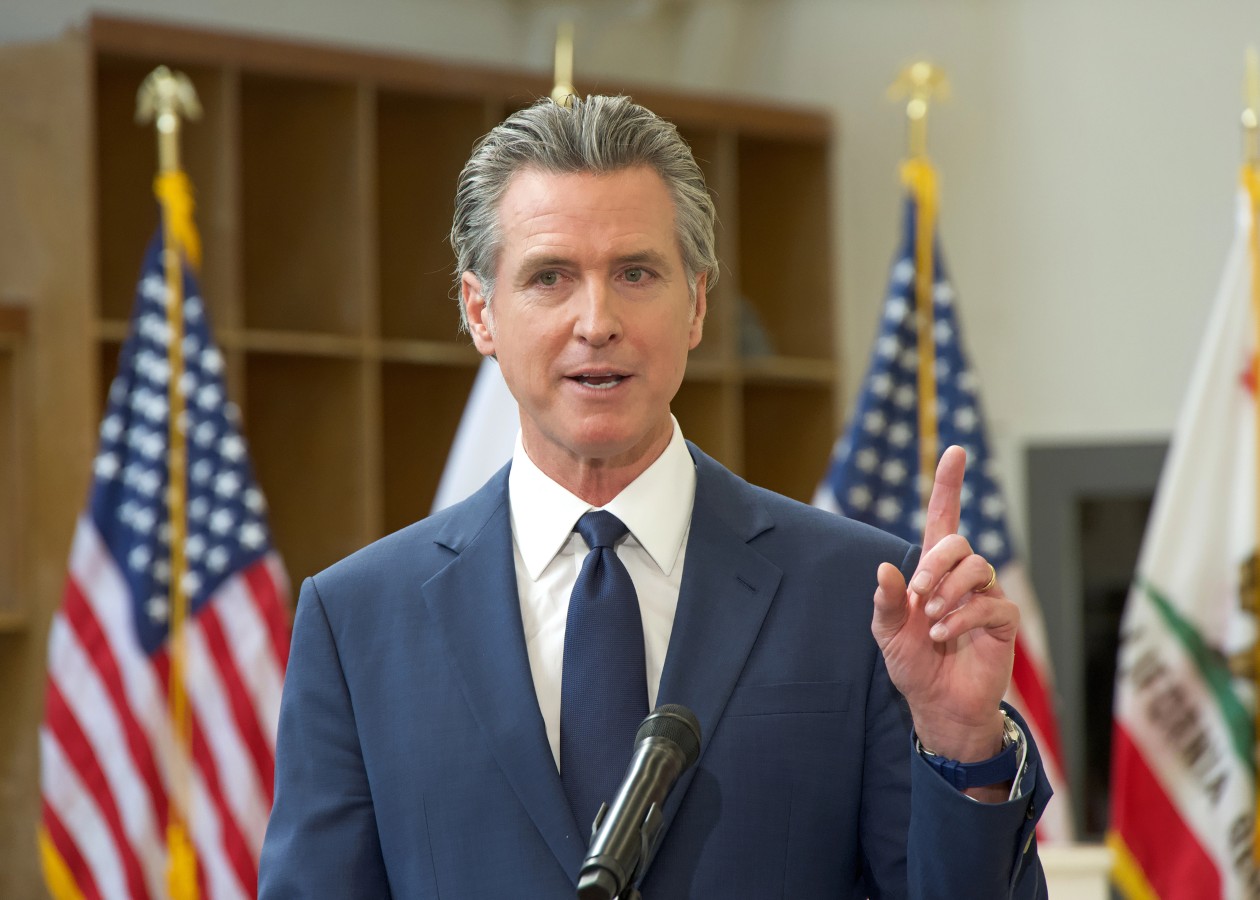
The billionaire tax is emerging as a key dividing line among Democrats seeking to succeed Newsom. Among the candidates, Steyer has openly supported the measure, while others have taken more cautious positions.
Porter acknowledged concerns while maintaining her broader stance on economic fairness. She said in a statement that she has “real concerns about this specific proposal because it could end up hurting our ability to fund other key priorities like education and food assistance and make it harder to sustainably fund California’s needs,” but added that “no one in this race has fought harder to make the ultrarich pay their fair share.”
State Financial Projections Highlight Potential Tradeoffs
A December estimate by California’s Legislative Analyst’s Office and Department of Finance found that the state could “collect tens of billions of dollars from the wealth tax.” However, the same analysis warned of a “likely ongoing decrease in state income tax revenues” that could cost “hundreds of millions of dollars or more per year” if wealthy residents relocate.
These projections have fueled debate over whether the tax would ultimately strengthen or weaken California’s fiscal outlook.
Billionaire Tax Could Apply to Everyone
In a post on X, Chamath Palihapitiya said “California is disguising a proposed asset seizure tax as a “Billionaire Tax,” but the math doesn’t add up. They wanted $100B from 200 Californian billionaires but $500B in wealth has already fled the state, leaving a $25B hole in their plan. And it’s still only a proposal. Imagine how much more wealth will leave if this actually makes the ballot?? Why should you care? The fine print in the bill allows the California legislature to apply this asset tax to non-billionaires as well whenever they want. Your car, home and jewelry would all count. California isn’t coming just for the rich. This bill, while disguised as a tax on the wealthy, is actually the infrastructure to tax everyone in California even more – but now on everything you own. Instead, why not fund our budget by first stopping the waste??”
San Jose Mayor Highlights Waste and Fraud in California

One of Silicon Valley’s most prominent local leaders who has now joined the race for the Governor’s position is reframing the debate entirely.
San Jose Mayor Matt Mahan argues that the wealth tax isn’t just misguided; it ignores California’s real fiscal failures.
“Just in the last few years in California alone, credible sources estimate that we’ve had $20 to $30 billion in fraudulent unemployment claims and huge amounts of waste in our health care system,” Mahan said. “So I think we ought to ask government to do better before we ask taxpayers to pay more.”
Mahan points out that California is already a high-tax state with one of the most progressive tax structures in the country. The top 1% of earners already generate about 40% of the state’s income tax revenue.
“So let’s close loopholes,” he said, “but also realize that there’s a lot of waste and fraud in government that we ought to be going after first, before we put our innovation economy at risk.”
“MAGA Talking Points?” Newsom’s Camp Fires Back
The response from Governor Newsom’s administration was swift and stinging. Communications Director Izzy Gordon accused Khanna of carrying water for the Republican party, specifically targeting the $72 billion figure cited by the Congressman. Gordon argued that much of that “fraud” actually refers to the state’s embattled high-speed rail project.
“Interesting to see a Dem repeat the MAGA-made-up $72B number,” Izzy Gordon, communications director for Newsom, wrote on X in response to Mahan’s initial tweet. “That ‘fraud’ supposedly includes the $17B spent on high-speed rail; which has created 16,000 union jobs and built 50+ COMPLETED projects. Calling union work ‘fraud’ is certainly a choice.”
Auditing the Golden State: Khanna’s Bipartisan Oversight Push

Khanna isn’t just tweeting; he’s taking legislative action. Leveraging his position on the House Oversight Committee, Khanna announced a bipartisan effort to investigate state-level fraud. He is currently drafting legislation to mandate an independent audit of California’s budget, a move that would bring unprecedented federal scrutiny to Sacramento’s accounting.
For Khanna, this isn’t about partisanship; it’s about optics. He argues that the Democratic Party cannot successfully ask for more revenue if it cannot prove it is a “good steward” of the money it already has.
Wealth Tax Debate Expands Beyond California

The conflict in California reflects broader discussions across the Democratic Party nationwide. Several states are weighing similar tax proposals as Democrats refine their economic messaging ahead of upcoming elections.
In New York, Gov. Kathy Hochul has avoided proposing new taxes while funding a universal child care program, a key priority of New York City Mayor Zohran Mamdani, who has continued advocating for higher taxes on wealthy residents. Meanwhile, Washington Gov. Bob Ferguson and Rhode Island Gov. Dan McKee have supported millionaire tax proposals, and Massachusetts voters approved a similar measure in 2022.
The 2028 Horizon: A Rivalry for the White House?
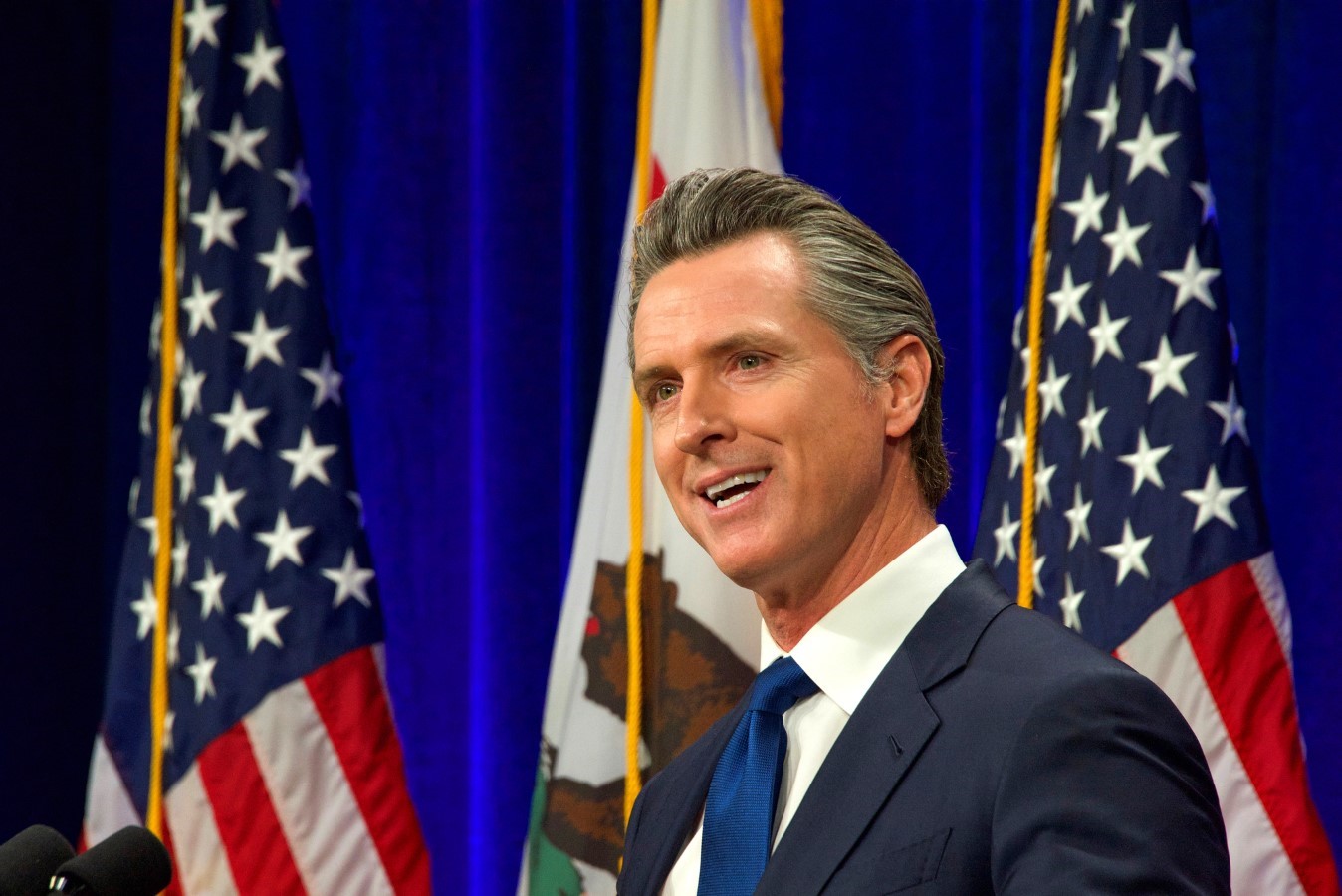
While both Newsom and Khanna are focused on California today, political analysts see this as the opening salvo of the 2028 Democratic presidential primary.
Newsom, who has been building a national profile as a defender of liberal values against the Trump administration, currently leads in early polls. However, Khanna’s populist “anti-corruption” brand is designed to appeal to the same Rust Belt voters that Democrats struggled to hold in 2024.
As the audit moves forward and the wealth tax heads toward the 2026 ballot, the rift between the “Sacramento Establishment” and the “Silicon Valley Populist” is only expected to widen.
For California taxpayers, the result of this clash may determine exactly where their “missing” billions ended up.
Like Financial Freedom Countdown content? Be sure to follow us!

Did you find this article helpful? We’d love to hear your thoughts! Leave a comment with the box on the left-hand side of the screen and share your thoughts.
Also, do you want to stay up-to-date on our latest content?
1. Follow us by clicking the [+ Follow] button above,
2. Give the article a Thumbs Up on the top-left side of the screen.
3. And lastly, if you think this information would benefit your friends and family, don’t hesitate to share it with them!

John Dealbreuin came from a third world country to the US with only $1,000 not knowing anyone; guided by an immigrant dream. In 12 years, he achieved his retirement number.
He started Financial Freedom Countdown to help everyone think differently about their financial challenges and live their best lives. John resides in the San Francisco Bay Area enjoying nature trails and weight training.
Here are his recommended tools
Personal Capital: This is a free tool John uses to track his net worth on a regular basis and as a retirement planner. It also alerts him wrt hidden fees and has a budget tracker included.
Platforms like Yieldstreet provide investment options in art, legal, real estate, structured notes, venture capital, etc. They also have fixed-income portfolios spread across multiple asset classes with a single investment with low minimums of $10,000.