Trump Accounts expand as Treasury allows pretax payroll contributions and up to $2,500 in employer payments, with more employers pledging matches

Trump Accounts could get a boost as Treasury clears pretax payroll contributions and employer matches
Parents may soon have a new way to build savings for their children through their paychecks after the U.S. Department of the Treasury issued guidance allowing pretax employee contributions to children’s Trump Accounts. The guidance also provides a framework for employers to contribute directly to workers’ accounts, potentially turning the new investment accounts into an employee benefit.
The Treasury and IRS proposed regulations outline how employers can establish Trump Account contribution programs and how certain employer contributions can be excluded from an employee’s gross income. The move could encourage more companies to participate as they gain clarity on the administrative and compliance requirements.
The new guidance allows employees to make pretax contributions through an employer cafeteria plan to the Trump Accounts of their dependents. Employers can also contribute directly to the accounts of employees’ dependent children under specified conditions.
Treasury Secretary Scott Bessent said the changes are intended to make it easier for families to build wealth for their children.
“Trump Accounts are giving American families a new way to build wealth from day one,” said Treasury Secretary Scott Bessent. “Today, Treasury is publishing guidance that will help families grow Trump Accounts by allowing employers to contribute up to $2,500 tax-free each year for employees’ dependents and giving employees the option to contribute pre-tax dollars directly to those accounts.”
The guidance follows a notice of proposed rulemaking issued Monday by Treasury and the IRS covering employer-sponsored Trump Account programs. The regulations remain subject to public comment and an October hearing before they can be finalized.
Employers could contribute up to $2,500 per worker

Trump Accounts allow parents, guardians, grandparents and other eligible contributors to put money into a child’s account. The annual contribution limit is $5,000, with employer contributions counting toward that limit.
Employers can contribute as much as $2,500 per worker per year to the Trump Accounts of the worker’s dependents. Those contributions can receive favorable tax treatment under the new guidance.
Treasury said the rules are designed to give businesses flexibility while establishing a framework for employers that have already committed to offering contributions and those considering doing so.
The Working Families Tax Cuts allows employees to make pretax contributions through an employer cafeteria plan to their dependents’ Trump Accounts. It also allows certain employer contributions to be excluded from an employee’s gross income.
More than 50 companies have already committed

More than 50 companies have committed to making Trump Account contributions for their employees, according to Treasury. Some companies have pledged to match the government’s initial contribution for eligible children.
The employer programs could also benefit children who do not qualify for the Treasury’s initial $1,000 contribution because companies can make contributions to their employees’ dependent children’s accounts under the employer program.
IRS Chief Executive Officer Frank J. Bisignano said the agency has worked with more than 50 large employers to prepare for the program.
“This guidance will provide a framework for businesses establishing a Trump Account employer contribution program, a new benefit for American working families,” said IRS Chief Executive Officer Frank J. Bisignano. “We have worked with more than 50 of the largest employers in the country to prepare them for Trump Accounts and are proud to share their outlook on this new option.”
What employers will have to do

Companies that establish a Trump Account contribution program will have to meet several administrative requirements.
Under Treasury’s guidance, employers must maintain a separate written plan document, follow certification procedures, provide notices to employees and issue annual statements. Employers must also provide required reporting to the trustee handling the Trump Account.
The certification rules allow employers to rely on employees’ self-certification of a beneficiary’s age and dependent status, while requiring employers to validate that the destination account is actually a Trump Account.
The framework is intended to make participation more manageable while giving employers a defined compliance structure.
The guidance could change the calculation for employers that had been hesitant to participate because of uncertainty surrounding the new accounts.
Companies now have a better understanding of how the programs can be administered. While there are still some unanswered questions, employers now have a much better understanding of the administrative and compliance framework. Financial planners expect interest to increase as companies become more familiar with the rules.
That could be significant because a Mercer survey of nearly 350 U.S. employers conducted in April found that only about 4% expected to implement a Trump Account contribution program in 2026 or 2027. About two-thirds had decided against making contributions, while others remained undecided.
Employer matches could expand access

Trump Accounts, also known as 530A accounts, are available to U.S. children under 18 who have a Social Security number.
Children born from 2025 through 2028 can qualify for a one-time $1,000 Treasury contribution under the program’s pilot structure. The initial government contribution is intended to give eligible children a head start on long-term investing.
Bessent said approximately 7 million children had been signed up as of a July 27 meeting of the Financial Literacy and Education Commission.
Once an account has been established, families and other eligible contributors can add money up to the annual $5,000 limit until the year before the beneficiary turns 18.
The new employer rules could make Trump Accounts more widely available because companies can provide contributions even when a child does not qualify for the initial Treasury deposit.
Several participating companies have announced matching programs. Chime, for example, said it would match the government’s $1,000 contribution for eligible children of its employees.
“Chime is proud to be among the first companies to offer an employee match for Trump Accounts, partnering with Treasury to help our employees’ families begin building long-term wealth for their children. Adding the Trump Accounts match to our benefits package reflects our belief that financial progress should start early, and we look forward to helping more American families build wealth and have a better chance to achieve the American dream.”
Franklin Templeton also said it would match the government’s contribution for eligible children of its U.S. employees.
“At Franklin Templeton, we believe long-term financial security begins with access, education, and the opportunity to start saving early. Trump Accounts help families start on the path to financial security by providing eligible children with a $1,000 contribution from the U.S. Department of Treasury to begin investing early in their lives. The power of compounding begins with one simple step: getting into the market. By matching the government’s contribution to Trump Accounts for eligible children of our U.S. employees, we are helping families take an important first step toward building a financial foundation for the next generation. We are grateful for the guidance that Treasury is releasing today about employer contributions to Trump Accounts to help us effectuate this important employee benefit. We look forward to continuing our partnership with Treasury on this historic, wealth-building program.”
Vanguard, State Street and Visa announce contributions

Other major companies have also outlined their plans.
State Street said it would match Treasury’s contribution for eligible children of active employees.
“The U.S. Treasury’s support for employer contributions to Trump Accounts will help employers invest in their employees’ families and help workers share in America’s growth. As previously announced, State Street will match the contributions from the U.S. Treasury to the Trump Accounts of eligible children of active employees. By matching Treasury’s contribution, we are proud to help give the next generation a head start on saving, a stake in the American economy, and the opportunity to benefit from the long-term power of investing.”
Vanguard said it plans to offer a $1,500 employer contribution beginning in 2027.
“Beginning in 2027, Vanguard will expand its well-being and lifestyle program to offer our crew members the choice to direct a $1,500 employer contribution to an eligible Trump Account. This contribution reflects Vanguard’s commitment to providing personalized benefits that support crew members at every stage of life. We look forward to continuing to partner with the Treasury Department to raise awareness of and support contributions to Trump Accounts.”
Visa said it would make Trump Accounts available to U.S. employees along with a company match of the government’s $1,000 contribution.
“530A Trump Accounts will help children build long-term financial security by ensuring they have a vested stake in their future from the very beginning. We are pleased to make Trump Accounts available to U.S. employees at Visa along with a company match of the government’s one-time $1,000 contribution. Today’s announcement by the Treasury Department provides important guidance that will support the rollout of these accounts across the country, and we congratulate them for taking this next step.”
Companies see Trump Accounts as a potential employee benefit

The Treasury guidance could position Trump Accounts as more than a government savings initiative by allowing employers to incorporate contributions into their broader benefits packages.
ADP, which provides payroll and human resources services, said it expects to support employers with the administration and reporting requirements.
“As the leading provider of payroll and HR solutions that pays 1 in 6 American workers, we have seen first-hand the critical impact financial wellness solutions can have on long-term wealth creation for workers and their families. As with all programs of this nature, we welcome the release of this important guidance and are at the ready to provide the necessary solutions and services to facilitate contributions under employer plans and support reporting requirements for the accounts on behalf of our clients and their employees.”
Edward Jones similarly said the guidance could help advance its plans for the program.
“We are pleased to see Treasury’s guidance on Trump Account employer contributions move forward. Edward Jones is encouraged by the progress made to bring this important program to life, while supporting our associates’ ability to achieve financial security for themselves and their families. We look forward to continuing our work with the Administration and its various agencies to fully operationalize this valuable program.”
Kraken plans a broader Trump Account sponsorship

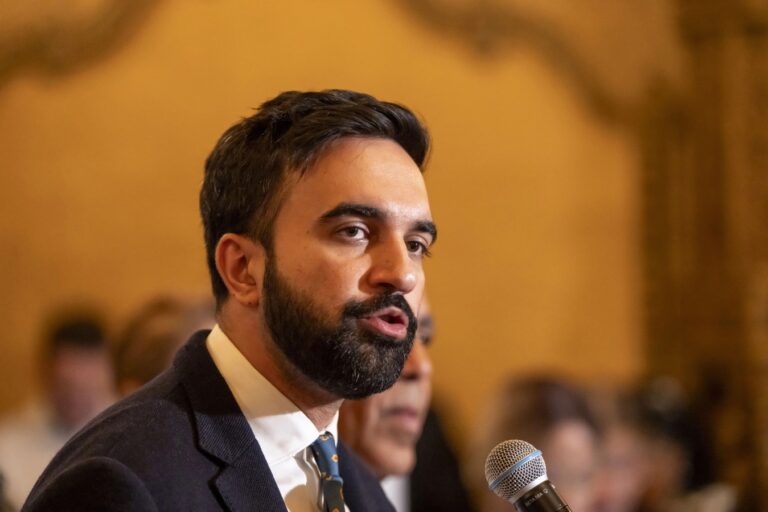
Kraken Co-CEO Arjun Sethi said the company views the accounts as a way to encourage long-term investment among American families.
“The world’s most successful savings systems all ran the same playbook: they bought America. Japan’s $2 trillion pension fund holds roughly half a trillion dollars of US assets. Australia’s super funds hold about $400 billion here, heading to $1.4 trillion by 2035. Dutch pensions own three times more of US companies than of EU companies. Foreign investors now hold nearly $20 trillion of US stocks because nothing compounds wealth like the American economy. For thirty years the rest of the world compounded off the American economy. This is the decade American kids start compounding off their own. That is why Kraken committed to sponsoring a Trump Account for every child born in Wyoming in 2026, and why this guidance matters: it gives employers of every size a clear, simple way to put capital to work for their employees’ children.”
The company’s commitment illustrates how the new employer framework could extend beyond traditional employee matching programs.
The next step is finalizing the rules

Despite the Treasury announcement, the employer contribution rules are not yet final. The proposed regulations are subject to public comments and a hearing scheduled for October.
Until the rules are finalized, companies will continue working within the proposed framework and assessing whether Trump Accounts make sense as an employee benefit.
For parents, however, the guidance provides a clearer path toward using workplace compensation to build a child’s account. If more employers adopt contribution or matching programs, families could have access to another tax-advantaged way to put money toward children’s long-term financial futures.
Like Financial Freedom Countdown content? Be sure to follow us!
14 essential strategies to maximize your Social Security and avoid costly mistakes

Social Security is a vital lifeline for many seniors, providing crucial income support during retirement. With inflation at its highest in four decades, Social Security’s inflation-adjusted benefits offer protection against rising costs.
Rising interest rates have disrupted many retirement portfolios, causing bond fund values to plummet. In this volatile financial landscape, Social Security can stabilize a typical stock-bond retirement portfolio. By implementing smart strategies, retirees can maximize their Social Security benefits and ensure a more secure financial future.
14 Essential Strategies to Maximize Your Social Security and Avoid Costly Mistakes
11 reasons you should claim Social Security early

Deciding when to claim Social Security is often about maximizing your benefit. Financial planners usually advise delaying your claim for as long as possible to secure the highest monthly payment. Your benefit is based on your lifetime earnings, with a full payout available at your full retirement age (FRA), which is currently between 66 and 67 depending on your birth year. Claiming before FRA results in a permanent reduction in your monthly benefit, while waiting beyond FRA leads to a permanent increase. However, the decision isn’t solely about maximizing the monthly check. Personal factors such as health, family circumstances, and financial needs can play a significant role in determining the right time to claim.
11 Reasons You Should Claim Social Security Early

Did you find this article helpful? We’d love to hear your thoughts! Leave a comment with the box on the left-hand side of the screen and share your thoughts.
Also, do you want to stay up-to-date on our latest content?
1. Follow us by clicking the [+ Follow] button above,
2. Give the article a Thumbs Up on the top-left side of the screen.
3. And lastly, if you think this information would benefit your friends and family, don’t hesitate to share it with them!

John Dealbreuin came from a third world country to the US with only $1,000 not knowing anyone; guided by an immigrant dream. In 12 years, he achieved his retirement number.
He started Financial Freedom Countdown to help everyone think differently about their financial challenges and live their best lives. John resides in the San Francisco Bay Area enjoying nature trails and weight training.
Here are his recommended tools
Personal Capital: This is a free tool John uses to track his net worth on a regular basis and as a retirement planner. It also alerts him wrt hidden fees and has a budget tracker included.
Platforms like Yieldstreet provide investment options in art, legal, real estate, structured notes, venture capital, etc. They also have fixed-income portfolios spread across multiple asset classes with a single investment with low minimums of $10,000.