SpaceX donates stock to more than 2 million Trump Accounts as first $1,000 deposits reach 500,000 children
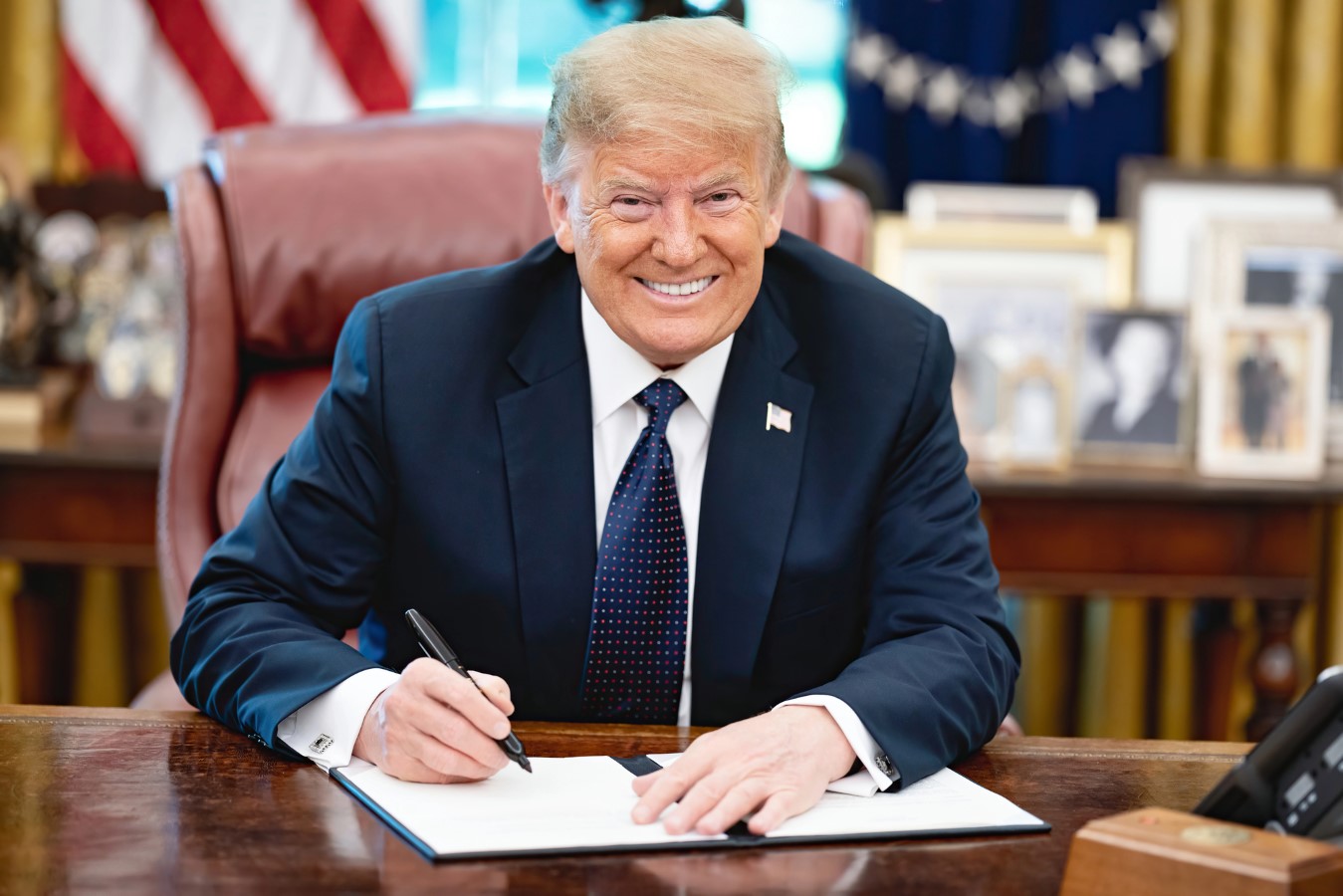
President Donald Trump announced Monday that the federal government has deposited the first $1,000 into more than 500,000 Trump Accounts, marking the first round of funding for the new investment program that officially launched on July 4.
The milestone came as SpaceX President Gwynne Shotwell announced a separate donation of company stock that will benefit more than 2 million children’s accounts, significantly expanding private-sector support for the initiative.
Trump marked the first day of trading for the accounts by remotely ringing the opening bell for both the New York Stock Exchange and Nasdaq from the Oval Office. Joined by Treasury Secretary Scott Bessent, Sen. Ted Cruz and executives from both exchanges, Trump said the program is intended to give children an ownership stake in the U.S. economy from birth while encouraging long-term investing.
“Between individual contributions and the seed funds, $800 million in new capital will be invested in the stock market for America’s children this week,” Trump said.
The president also framed the accounts as a shift in federal policy toward encouraging asset ownership rather than expanding government assistance.
“For years, Washington politicians have left our children with nothing but debt… now, with the help of so many of you here today, we’re jumpstarting financial freedom for young Americans and helping them to build the future they deserve. Today, 38% of Americans do not own stock, yet we have set 73 all-time [stock market] records… With Trump Accounts, every newborn child will be invested in the stock market.”
Trump added, “I think we’ve done a lot of great things, but I think this will be one of the top. It’s going to teach children to be entrepreneurial as opposed to the threat of Communism that you’re seeing a lot.”
Shotwell’s announcement added another major boost to the program. In a post on X, she said she and her husband will donate $320M of SpaceX stock to Trump Accounts benefiting more than 2 million children between the ages of 11 and 17 who live in lower-income communities, with additional emphasis on areas near the company’s central Texas operations.
MichaelDell said, “Today, every newborn American child will start their life with $1,000 invested in America’s greatest companies, compounding for the future. But Susan and I didn’t want the children that were born just before to be completely left out, so we are contributing $6.25B—$250 to 25 million eligible American children—born between 2016 and 2024, invested in America’s greatest companies for their future; for their tuition, for down payments, for start-up capital for a business. And to every business leader out there who hasn’t already joined us, please join us.”
The Treasury Department recently said publicly traded and privately held stock donations would be accepted for Trump Accounts, opening the door for philanthropists and business leaders to contribute investments instead of cash.
Supporters say Trump Accounts could reshape long-term wealth building
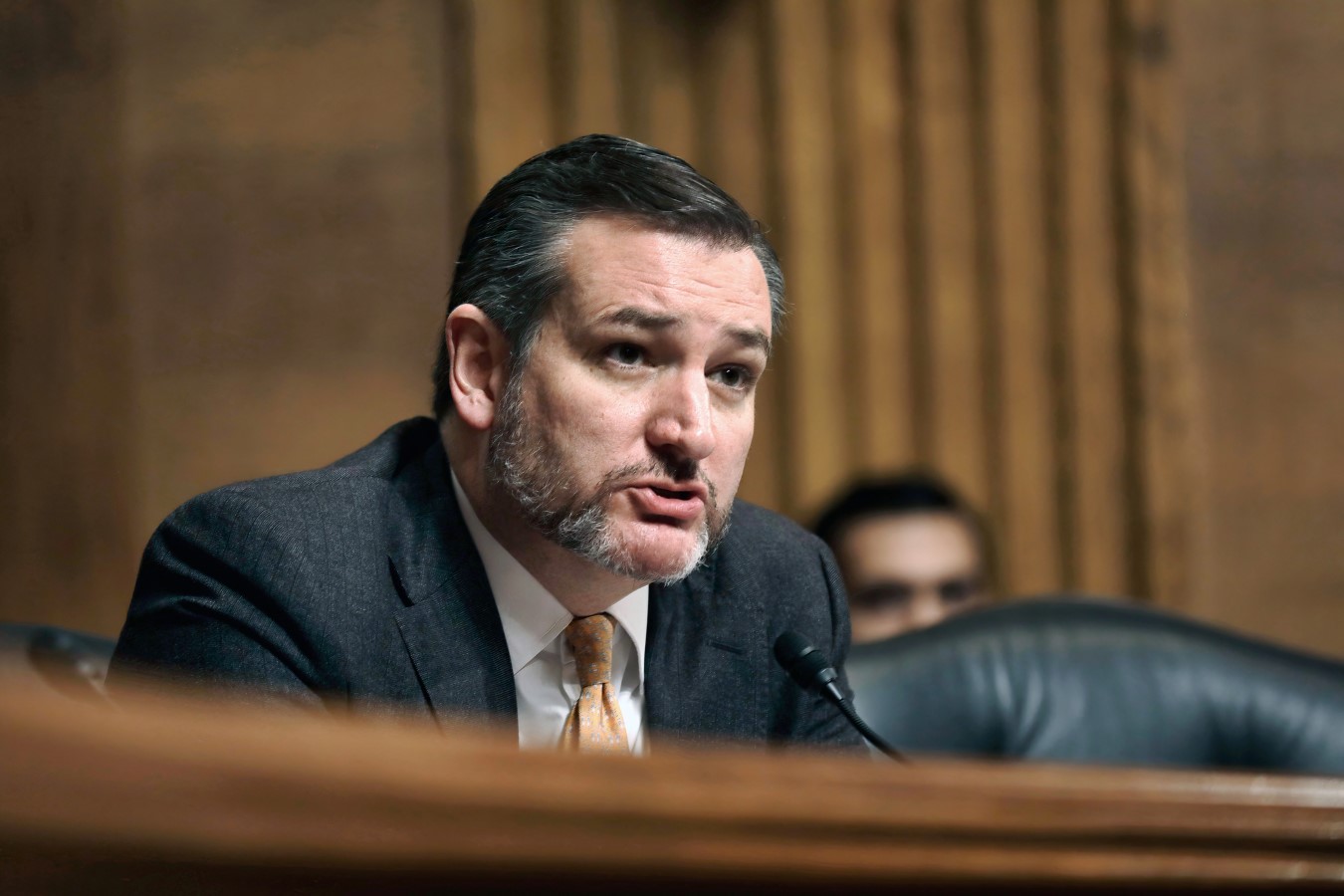
Senator Ted Cruz said, “Trump Accounts are Donald Trump’s New Deal. But instead of making Americans dependent on government, they will make every child in America a capitalist. Every child will be an owner. Every child will have a stake. Every child will see that America’s free enterprise system is not something happening far away in Washington or Wall Street — it is something they are part of. I authored Trump Accounts because ownership changes lives. It builds wealth. It teaches responsibility. It creates capitalists who believe in America. The first 250 years of this country were the greatest in the history of the world. With President Trump’s leadership, the next 250 can be greater still.”
Kelly Loeffler, administrator of SBA said, “Not only do Trump Accounts help working families build lasting wealth for their children; they also give our job creators a new, low-cost, tax-preferred way to attract and retain talent by investing in their employees’ families. It’s an investment in Main Street – and in the next generation of builders, dreamers, and doers who will keep America strong.”
Jenny Johnson, CEO of Franklin Templeton said, “If you invest $1,000 a year for 10 years at age 20, when you retire… you will have more money than a person who starts to invest at age 30 and invests the same amount per year for 30 years—that’s the power of compounding—and so if you look at Trump Accounts, we’re now starting at birth and being able to compound. I think it’s incredibly powerful.”
Critics question Trump Accounts
Rep. Bennie G. Thompson (D-MS) posted on X, “It’s safe to say, I would pass on a Trump account. Trump University already taught us what happens when his name is on the brochure. Does a $25 million settlement ring a bell?”
The Official White House Rapid Response account responded, “This m***n is so consumed by h****d for President Trump that he’s telling his constituents to “pass” on an investment account seeded with a free $1,000 for their newborns to begin building generational wealth. Shame on you, Ben. You’re a disgrace.”
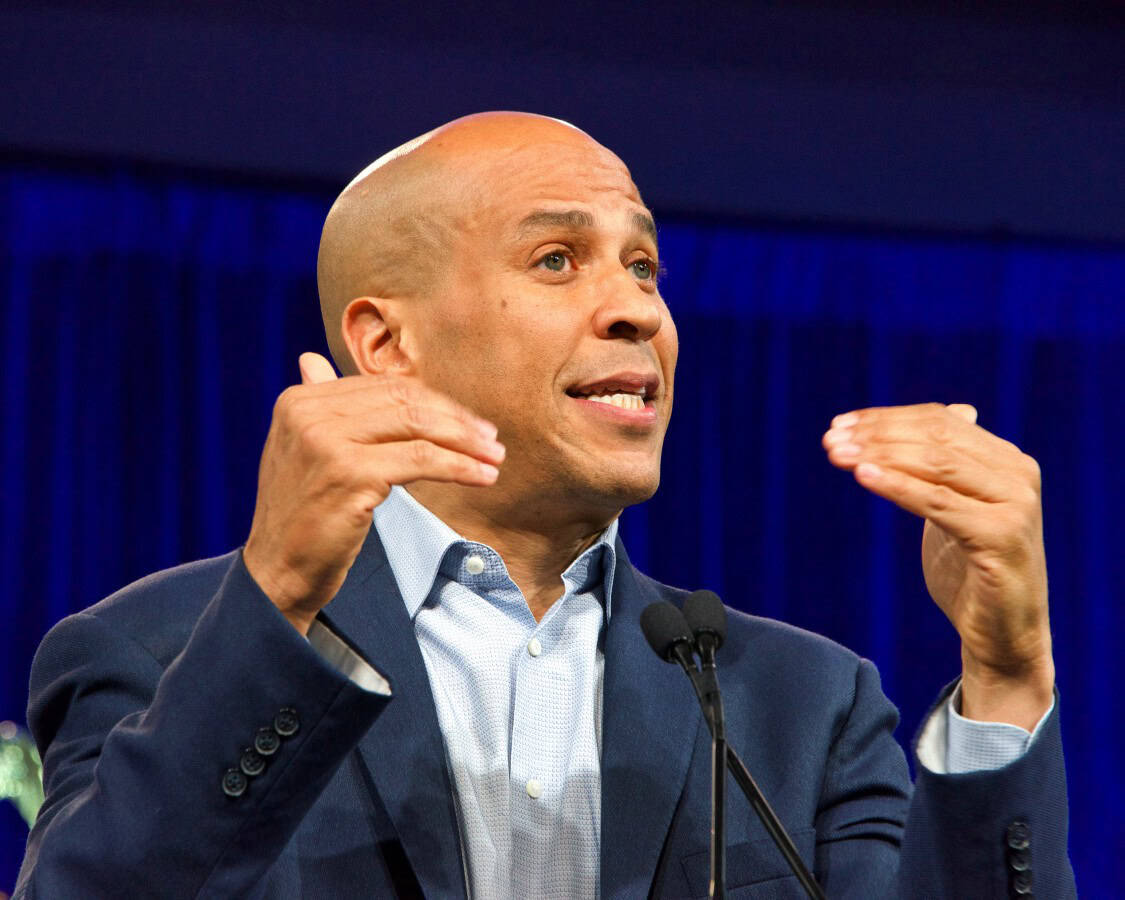
However not all Democrats were critical. Senator Cory Booker (D-NJ) posted on X, “For years, I’ve fought to give every single American child a Baby Bond — a real foundation of wealth that grows with them. Now those accounts are live. This is how we redeem the American Dream. not just for some, but for every family, every child, and every future.”
While Sen. John Fetterman (D-PA) previously opposed the broader legislation that created the program, he teamed up with Sen. Dave McCormick (R-PA) to publicly endorse the savings accounts. He urged parents to “Do it for your child” and evaluate the accounts based on long-term financial benefits rather than political affiliation. He is opening investment accounts for his three children under the federal Trump Accounts initiative.
Chamath Palihapitiya posted on X, “If you can choose where to work, work somewhere that will help invest in your Trump account. $5k/yr will leave you with $13M at 55. Sorry, but that’s a huge amount of money. If you have this choice but don’t want that because it’s called a “Trump Account”, you’re a r***rd. 100% irresponsible r****rd. That’s your kids speaking btw.”
What are Trump Accounts?

Trump Accounts are a new type of tax-advantaged investment account for children created under President Donald Trump’s tax and spending legislation. Officially known as 530A accounts, they are designed primarily as long-term retirement savings vehicles rather than education savings plans.
Unlike traditional savings accounts, the money is invested in diversified U.S. stock index funds, allowing investments to potentially grow over decades through compound returns. The accounts generally cannot be accessed before the beneficiary reaches age 18, after which they transition into a traditional IRA and become subject to standard IRA rules.
The federal government will provide a one-time $1,000 contribution for eligible children born between Jan. 1, 2025, and Dec. 31, 2028, once a parent or guardian opens an account on the child’s behalf.
Who is eligible for a Trump Account?

Any U.S. citizen under age 18 with a work-authorized Social Security number is eligible to have a Trump Account opened in their name.
Parents, legal guardians, grandparents and even adult siblings may establish an account on behalf of an eligible child. However, only children born during the program’s qualifying period; from 2025 through 2028; are eligible for the federal government’s $1,000 seed contribution.
Older children may still open accounts before the calendar year in which they turn 18, but they generally will not qualify for the federal deposit.
The Treasury Department has said eligible newborns will begin receiving their $1,000 contributions on or after the July 4 launch date as new accounts are processed.
How to open a Trump Account
Families can begin opening accounts through the official Trump Accounts website or by filing IRS Form 4547 with their federal tax return.
After creating an account, families are encouraged to download the Trump Accounts mobile app, developed in partnership with Robinhood, to activate, monitor and manage investments over time.
The underlying investments will initially be managed by Bank of New York Mellon (BNY), with assets invested in low-cost U.S. equity index funds that meet fee requirements established under the law.
Treasury officials have also warned families to remain alert for scams.
According to Treasury guidance: “If you receive a call or text about a Trump Account, do not respond, it is likely a scam.”
Officials say legitimate communications currently come only through email from [email protected], and parents should access accounts only through the official website or app.
Who qualifies for the free government money?

The largest financial incentive comes from the Treasury Department’s $1,000 contribution for babies born between 2025 and 2028.
To qualify, the child must:
Be born between Jan. 1, 2025, and Dec. 31, 2028.
Be a U.S. citizen.
Have a Social Security number.
Have a Trump Account opened by a parent or authorized guardian.
Older children are not completely left out.
Thanks to a $6.25 billion philanthropic commitment from Michael Dell and his wife, Susan Dell, many children born between 2016 and 2024 may receive a separate $250 contribution if they:
Are age 10 or younger.
Live in ZIP codes with median household income of $150,000 or less.
Open a Trump Account.
Additional philanthropic commitments have also emerged in several states, while Treasury Secretary Scott Bessent has indicated more private-sector donations may be announced as the program expands.
Employers and companies are adding their own contributions

Beyond the federal government’s seed money, many employers have announced plans to contribute to employees’ children’s Trump Accounts as part of expanded workplace benefits.
Under current IRS rules, employers may contribute up to $2,500 annually per employee’s child. Those employer contributions count toward the overall $5,000 annual contribution limit but are not treated as taxable income for employees.
Several major financial institutions, technology companies and consumer brands have announced participation, including Goldman Sachs, JPMorgan Chase, Bank of America, BlackRock, BNY, Charles Schwab, Citi, IBM, Intel, Micron, Nvidia, Robinhood, SoFi, State Street, Uber, Visa, Wells Fargo, Chipotle, Comcast, Mastercard, Coinbase, Chime and Steak ‘n Shake.
Some employers are simply matching the government’s initial $1,000 contribution, while others have announced additional incentives. IBM, for example, said it plans to contribute another $1,000 when eligible parents invest $4,000 within the required time frame. Micron announced a broader $250 million commitment that includes matching employee contributions and additional seed funding for children in several states.
These employer commitments could substantially increase starting balances for participating families while encouraging broader adoption of the new investment accounts.
How much can families contribute?

Beginning July 4, parents, grandparents, relatives and other individuals may collectively contribute up to $5,000 per year in after-tax dollars until the year before the child turns 18. That annual limit will be indexed for inflation beginning after 2027.
Employers may contribute up to $2,500 annually per eligible employee’s child as part of that overall $5,000 cap, with those contributions generally excluded from the employee’s taxable income.
In addition, qualifying charitable organizations and state or local governments may make contributions that do not count toward the annual $5,000 contribution limit, creating additional opportunities for children to receive funding beyond what families contribute themselves.
There have also been discussions about allowing business leaders and philanthropists to donate stock directly into Trump Accounts in the future, though additional guidance is still expected.
How much could a Trump Account be worth?

The long-term value of a Trump Account depends largely on investment performance and how much is contributed over time.
According to projections on TrumpAccounts.gov, a child who receives only the government’s $1,000 seed contribution could see the account grow to approximately:
$6,000 by age 18
$15,000 by age 27
$243,000 by age 55
The projections become much larger if families maximize annual contributions. Using historical S&P 500 average annual returns of more than 10%, the government estimates an account receiving the initial $1,000 plus the full $5,000 annual contribution could potentially grow to:
$271,000 by age 18
$742,000 by age 27
More than $13 million by age 55
Financial planners caution that these illustrations assume decades of strong market performance.
Financial experts noted that reaching those figures would require parents to consistently make maximum contributions while markets deliver “fairly strong, uninterrupted market returns.”
Other firms project more modest returns. Morningstar, for example, estimates average U.S. stock market returns of roughly 6.3% annually over the coming decade, meaning actual account balances could be significantly lower than the government’s illustrations.
When can children use the money?

Trump Accounts are designed primarily for long-term investing, meaning the money generally cannot be withdrawn before age 18.
The IRS allows only limited exceptions before then, including certain rollovers, distributions after the beneficiary’s death and corrections for excess contributions.
Once the account holder turns 18, the account converts into a traditional IRA. Standard IRA tax rules then apply.
Withdrawals made before age 59½ are generally subject to income taxes and a 10% early-withdrawal penalty. However, existing IRA exceptions remain available, including certain distributions for higher education expenses and first-time home purchases.
Supporters argue these restrictions encourage long-term investing rather than short-term spending, allowing decades of compound growth.
How Trump Accounts compare with 529 plans and Roth IRAs
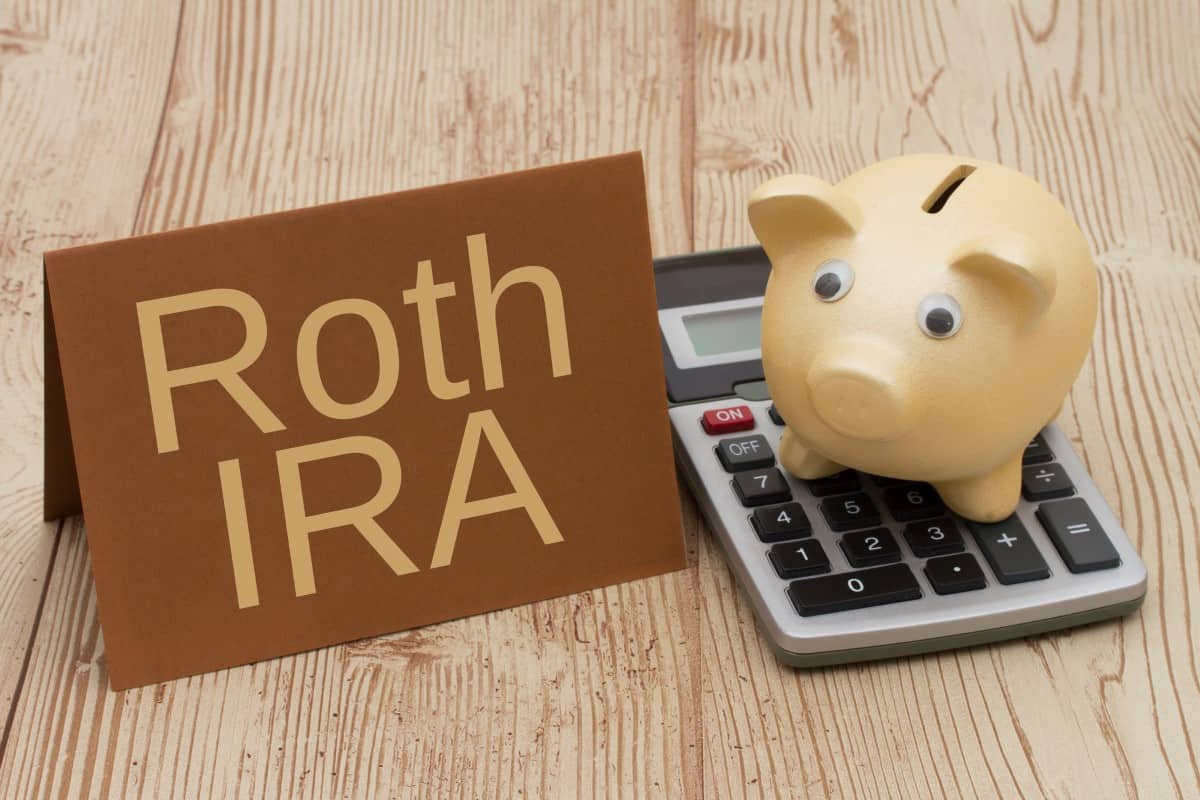
Financial advisors say Trump Accounts are only one of several options families should consider when saving for a child’s future.
Families may also choose from:
529 college savings plans
UGMA and UTMA custodial investment accounts
Roth IRAs for children with earned income
Each serves a different purpose.
A 529 plan is generally more advantageous for education expenses because qualified withdrawals are tax-free. Roth IRAs offer tax-free qualified withdrawals in retirement but require the child to have earned income.
Some financial professionals believe one of the biggest advantages of Trump Accounts may come later through a potential Roth IRA conversion strategy.
Because the government’s seed money, employer matches and certain charitable contributions enter the account without requiring the child to earn wages, converting those funds into a Roth IRA later could allow decades of future tax-free growth.
Still, advisors say families should compare all available savings options before deciding where to direct additional contributions beyond the initial government deposit.
Supporters say the accounts could expand wealth building
Backers argue the accounts represent a new way to introduce millions of American children to investing while helping narrow long-term wealth disparities.
Brad Gerstner, founder and CEO of Altimeter Capital and one of the initiative’s leading advocates, said on CNBC:
“The returns on capital today are radically greater than the returns on labor, which means we have a growing wealth gap.”
He added:”Now we need to get capital into the pockets of every child born so that they can compound in the upside of SpaceX, in Alphabet, in all of our great companies, like everybody else in the market.”
President Trump has also promoted the initiative as an alternative to expanding government assistance.
“We’re doing something much better than giving the next generation a handout. We’re giving them ownership of America’s future.”
Research cited by McKinsey & Co. suggests that if participation becomes widespread and additional funding continues for many years, these accounts could collectively generate tens or even hundreds of billions of dollars in wealth for participating families over time.
Critics question participation and long-term impact

Despite growing interest, analysts say awareness remains relatively low.
Treasury officials said more than 6 million children had signed up by mid-June, including about 1.5 million eligible for the federal $1,000 contribution. However, there are roughly 73 million children under age 18 in the United States.
Some parents say unanswered questions from financial planners have delayed enrollment. Others said rising costs make long-term investing difficult.
Researchers at the Urban Institute also caution that participation rates among lower-income families could remain lower than among wealthier households. Because higher-income families are generally better positioned to make ongoing contributions, they argue the accounts could ultimately widen wealth disparities if participation and funding levels differ significantly across income groups.
Whether Trump Accounts become a widely used wealth-building tool may depend not only on the government’s initial $1,000 contribution but also on public awareness, continued employer participation and families’ ability to invest consistently over many years.
Like Financial Freedom Countdown content? Be sure to follow us!

Did you find this article helpful? We’d love to hear your thoughts! Leave a comment with the box on the left-hand side of the screen and share your thoughts.
Also, do you want to stay up-to-date on our latest content?
1. Follow us by clicking the [+ Follow] button above,
2. Give the article a Thumbs Up on the top-left side of the screen.
3. And lastly, if you think this information would benefit your friends and family, don’t hesitate to share it with them!

John Dealbreuin came from a third world country to the US with only $1,000 not knowing anyone; guided by an immigrant dream. In 12 years, he achieved his retirement number.
He started Financial Freedom Countdown to help everyone think differently about their financial challenges and live their best lives. John resides in the San Francisco Bay Area enjoying nature trails and weight training.
Here are his recommended tools
Personal Capital: This is a free tool John uses to track his net worth on a regular basis and as a retirement planner. It also alerts him wrt hidden fees and has a budget tracker included.
Platforms like Yieldstreet provide investment options in art, legal, real estate, structured notes, venture capital, etc. They also have fixed-income portfolios spread across multiple asset classes with a single investment with low minimums of $10,000.